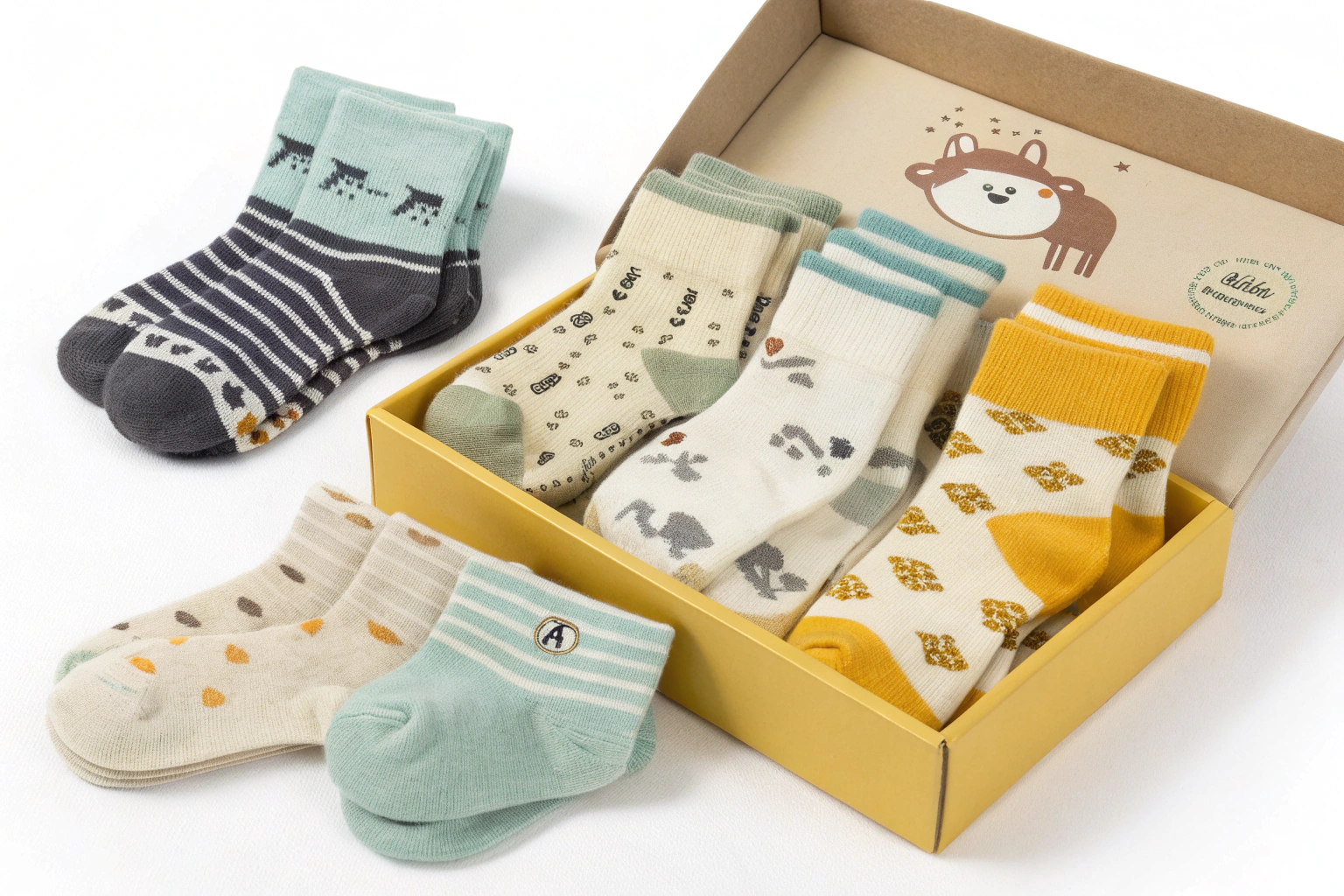
Baby socks may be small, but they are one of the most practical and emotional purchases new parents make. They keep tiny feet warm, prevent slips, and add an adorable finishing touch to any outfit. With the baby apparel market projected to exceed $93 billion globally by 2030, socks have become a surprisingly important subcategory. Parents today expect much more than simple cotton pairs—they want products that combine safety, softness, durability, and design appeal.
The most popular baby sock styles in 2025 merge practical innovations like non-slip soles with eco-friendly materials and fashion-forward designs. These trends reflect not just what looks cute on Instagram, but also how families live today: active, environmentally conscious, and eager to invest in safe, reliable clothing for their children.
Why are non-slip baby socks so popular?
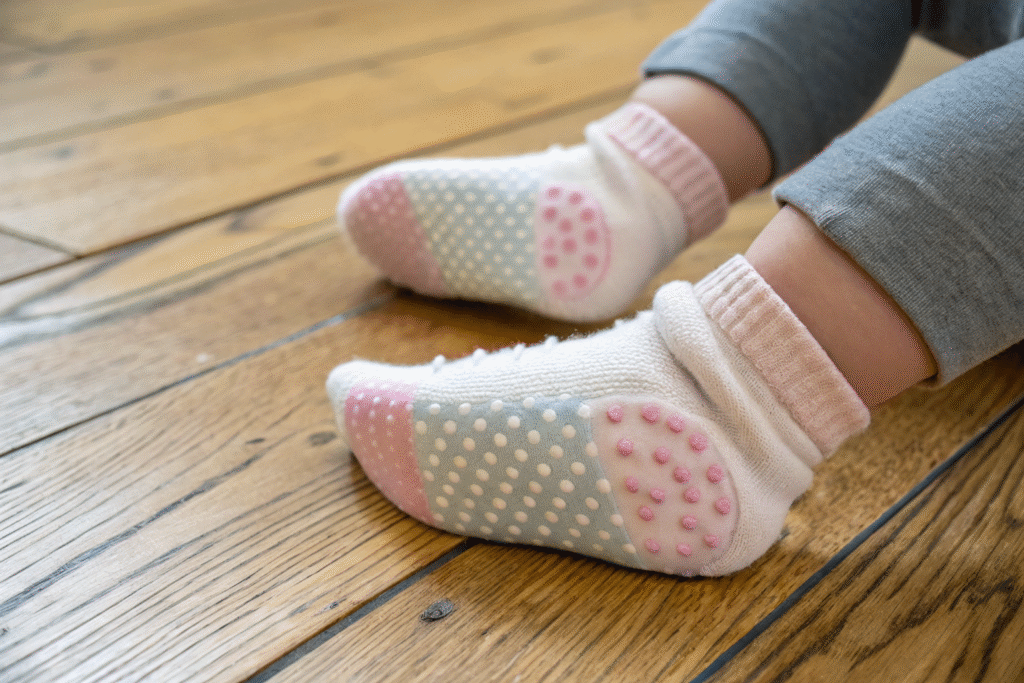
Non-slip socks dominate the global baby sock market in 2025. As soon as babies begin to crawl and take their first steps, smooth floors in modern homes become potential hazards. Parents increasingly turn to socks with silicone grip patterns to reduce the risk of falls.
How do non-slip features improve safety?
The grip dots act like miniature shoe soles. They create friction on hardwood or tile floors, helping babies stay steady as they pull themselves up or take wobbly first steps. Pediatricians often recommend these socks because they allow natural foot movement while preventing slips. According to BabyCenter, non-slip socks are now considered a safer alternative to keeping babies barefoot indoors.
Are non-slip socks replacing shoes?
In many families, yes. While shoes are still used outdoors, parents increasingly rely on non-slip socks indoors. Amazon’s 2024 sales data shows that non-slip socks consistently rank in the top five baby footwear items, with seasonal sales spikes during back-to-school and winter holidays.
Why are eco-friendly baby socks in demand?
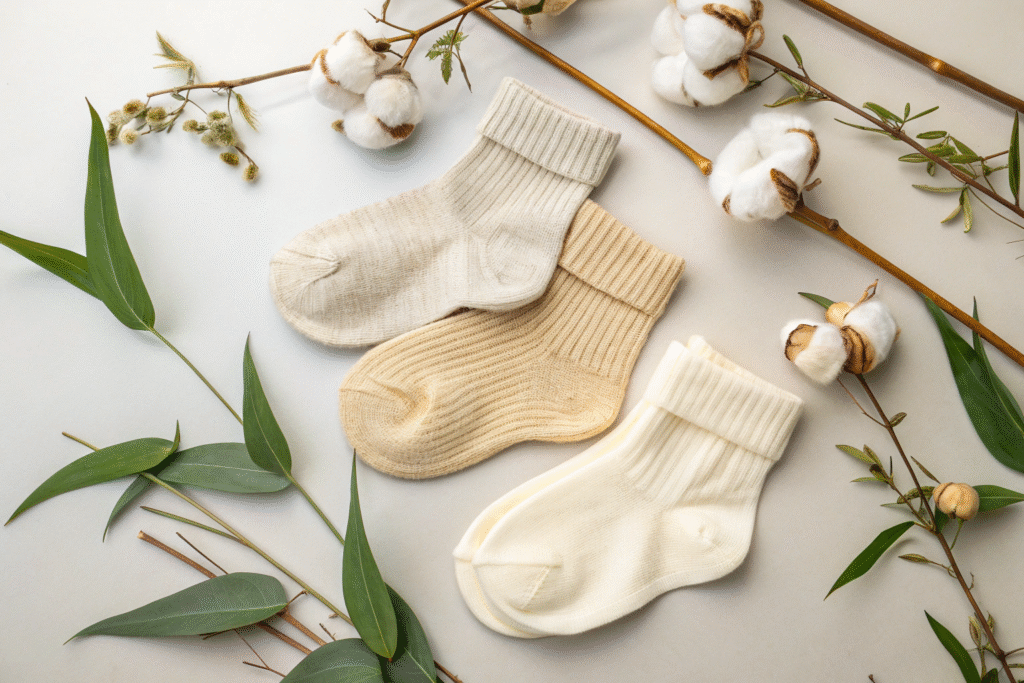
Parents are more eco-conscious than ever, and they are particularly cautious about products that touch a baby’s skin. Eco-friendly socks made from organic cotton, bamboo fibers, or recycled yarns are seeing rapid adoption in Europe and North America.
What makes bamboo and organic cotton popular?
Organic cotton is grown without pesticides, making it gentle on sensitive skin. Bamboo fiber is naturally hypoallergenic, breathable, and even has antibacterial qualities that reduce odor. A report from Textile Exchange noted that demand for organic cotton has been growing by 10% annually since 2020, with baby clothing driving much of this demand.
Do certifications matter?
Absolutely. Retailers increasingly demand certifications such as GOTS (Global Organic Textile Standard) and OEKO-TEX® Standard 100. For instance, European retailers often reject suppliers who cannot show certification proof. Brands that highlight certifications on their packaging not only reassure parents but also command premium price points.
Why are ankle and low-cut socks trending?
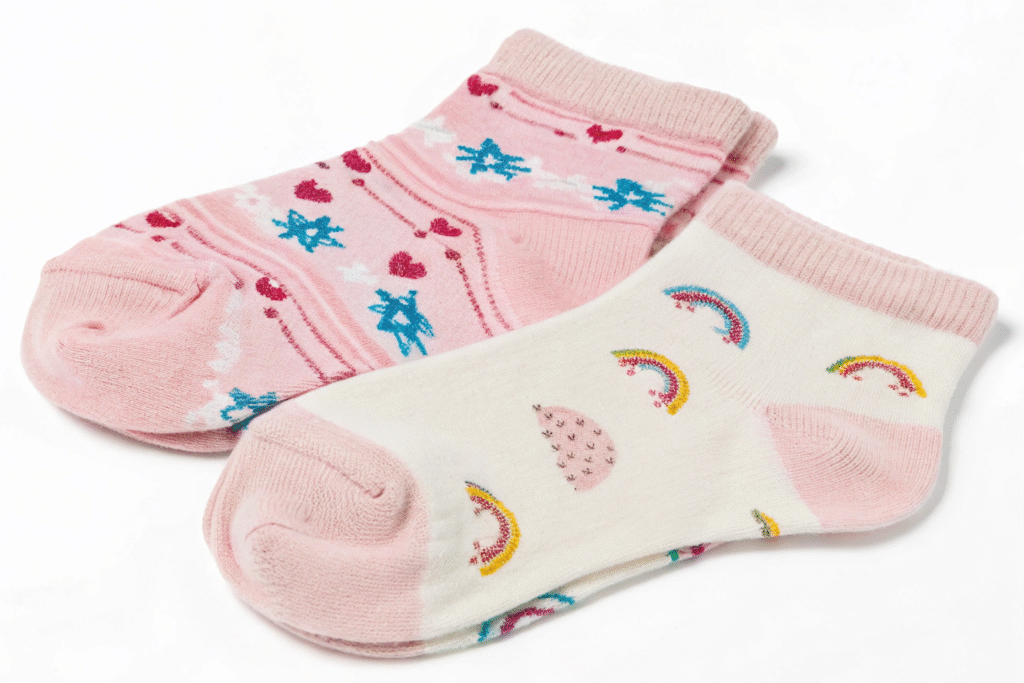
Ankle socks, sometimes called “trainer socks” for babies, are surging in popularity. Parents love their easy fit, while toddlers benefit from unrestricted movement.
Why do parents prefer ankle socks?
Longer socks often slide down or leave tight marks around a baby’s chubby ankles. In contrast, ankle socks fit securely while remaining comfortable. A 2024 Motherly survey found that 65% of parents prefer ankle socks for daily wear because they stay in place during playtime and are easier to pair with sneakers or baby shoes.
Are low-cut socks replacing traditional booties?
Yes, especially once infants begin crawling and walking. Booties remain popular for newborns, but ankle socks dominate in the toddler stage. They combine the cuteness of traditional baby footwear with the practicality of modern functionality.
Why are playful and neutral prints trending together?
In 2025, baby sock design trends are balancing between fun prints and timeless neutrals. Parents often buy both: playful socks for special outfits and neutral ones for everyday use.
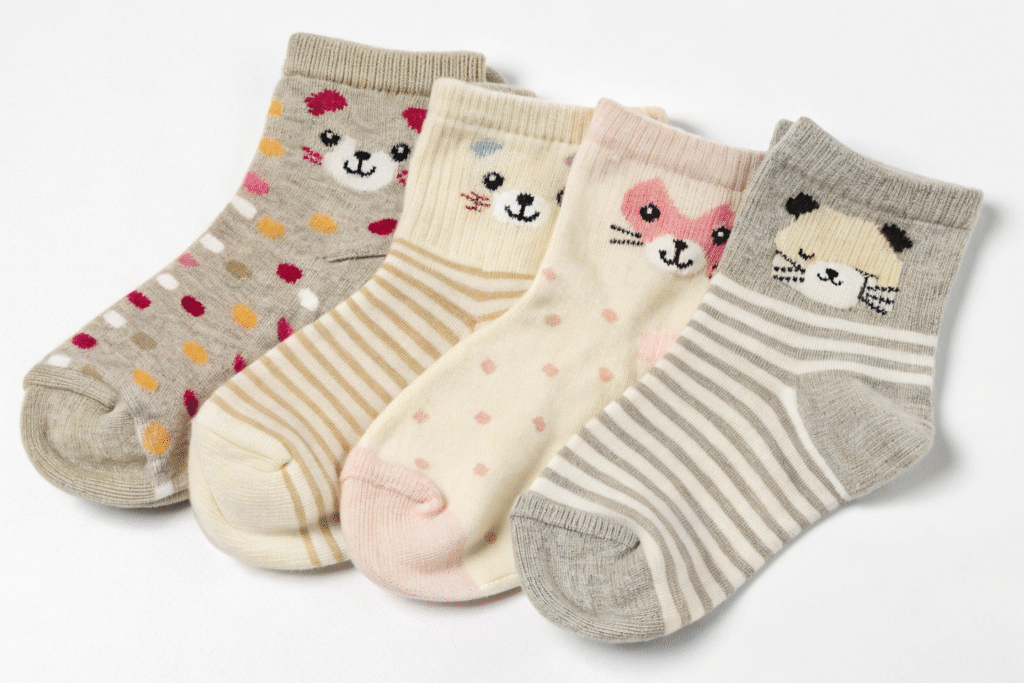
Why are neutral socks gaining popularity?
Neutral tones like cream, beige, and gray pair with almost any outfit, making them highly practical. H&M’s 2024 babywear report revealed that neutral multi-pack socks were one of their best-selling items, showing how practicality drives purchasing decisions.
How are playful socks used?
Animal ears on cuffs, cartoon faces on heels, and bright stripes are particularly popular in gift sets. On platforms like Etsy, animal-themed baby socks rank among the top 10 newborn gift items, proving that fun designs appeal to both parents and gift-givers.
Why are seasonal and gift-ready sock bundles trending?
Socks are an affordable yet thoughtful gift, which is why seasonal and gift-ready bundles are surging in popularity. Many brands now package socks in sets of three, six, or even twelve, complete with holiday-themed designs.
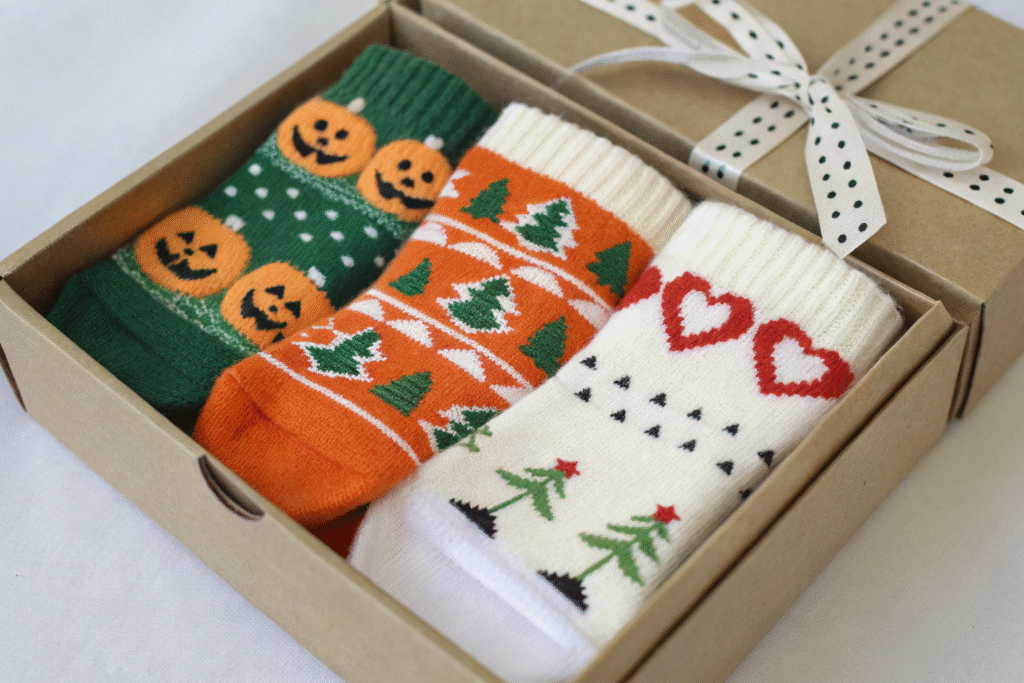
Which seasons matter most?
Halloween, Christmas, and Easter dominate sales. For example, Christmas-themed sock sets with reindeer or snowflake prints often sell out weeks before December. Retailers like Carter’s and Target highlight these bundles in seasonal promotions.
How do gift-ready bundles add value?
A simple pack of socks might sell for $10, but when packaged as a themed bundle in a gift box, the same product can retail for $20–25. According to Statista, holiday-driven babywear sales increased by 12% year-on-year, with socks being one of the easiest upsell items.
Conclusion
Baby sock styles in 2025 are shaped by safety, sustainability, comfort, and creativity. Non-slip soles address practical safety needs, eco-friendly materials appeal to conscious parents, ankle cuts fit modern lifestyles, playful prints add charm, and gift-ready bundles open new retail opportunities. Together, these trends reflect how something as small as a sock can carry both emotional and functional value.
At Shanghai Fumao, we design and produce baby socks that align with these global trends. Our products feature organic yarns, safe grip soles, playful prints, and premium packaging options—all backed by international quality certifications. If you are a distributor or brand owner seeking a reliable partner for trending baby socks, please contact our Business Director Elaine at elaine@fumaoclothing.com to explore how we can create your next successful collection.