
Choosing the right clothing manufacturer can make or break your fashion business. As someone who has been in the clothing manufacturing industry for decades, I’ve seen many brands succeed or fail based on their manufacturing partnerships.
The top questions to ask a potential clothing manufacturer should cover their production capabilities, quality control processes, communication systems, and business reliability. You need to verify they can deliver the quality you need, when you need it, at a price that works for your business. Asking the right questions upfront prevents costly mistakes down the line.
What Are Your Production Capabilities and Limitations?
Understanding a manufacturer’s capabilities is crucial for determining if they can handle your specific needs. You need to know exactly what they can and cannot do before committing to a partnership.
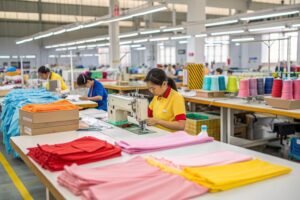
Start by asking about their specialization and equipment. Some factories excel at knitwear while others specialize in woven garments. Ask about their production capacity and current client load. A factory that’s overcapacity may struggle with your deadlines. Also inquire about their minimum order quantities (MOQs) and whether they offer flexibility for growing brands.

What Types of Garments Do You Specialize In?
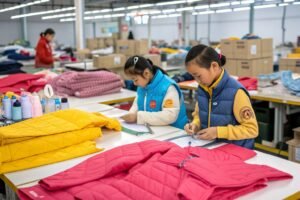
Every manufacturer has strengths and weaknesses in their production capabilities. Some excel at complex technical outerwear while others focus on basic t-shirts or delicate baby clothes. Ask for examples of similar projects they’ve completed successfully. A manufacturer experienced in your specific clothing category will understand the unique requirements and potential challenges. This specialization often translates to better quality and fewer production issues.
What Are Your Realistic Production Timelines?
Understanding production timelines is essential for planning your collections and marketing campaigns. Ask for a detailed breakdown of their typical production schedule from order confirmation to shipment. Inquire about their current capacity and whether they have multiple production lines to handle unexpected delays. A reliable manufacturer should provide clear lead time estimates and communicate proactively about any potential schedule changes that might affect your delivery dates.
How Do You Ensure Quality Control Throughout Production?
Quality control separates exceptional manufacturers from average ones. You need to understand their specific processes for maintaining consistency and catching defects before shipment.
Ask about their quality control checkpoints at each production stage. Good manufacturers inspect raw materials, monitor production lines, and conduct final random inspections. Inquire about their defect rate and what happens when quality issues are found. Also ask if they follow international standards and can provide relevant certifications for your market requirements.

What Quality Checkpoints Do You Implement?
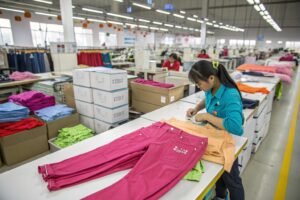
Comprehensive quality control should happen at multiple stages rather than just a final inspection. Ask about their fabric inspection process, in-line production checks, and final random inspection procedures. Understanding their quality assurance system helps you trust their ability to deliver consistent results. The best manufacturers document their processes and can show you exactly how they maintain standards throughout production.
How Do You Handle Quality Issues and Returns?
Even the best manufacturers occasionally face quality challenges. What matters is how they respond when problems occur. Ask about their policy for defective products and who bears the cost of remaking or repairing flawed items. A reputable manufacturer will have clear procedures for addressing quality problems and should take responsibility for errors that occur during their manufacturing process. This transparency is crucial for building trust.
What Are Your Communication and Project Management Processes?
Effective communication can prevent countless manufacturing problems. You need to know how you’ll stay informed about your order’s progress and who your main contacts will be.
Ask about their communication protocols and response times. Inquire whether you’ll have a dedicated account manager or if you’ll communicate with different departments separately. Also ask about their system for providing production updates and how they handle urgent requests or changes to orders once production has begun.

How Often Will I Receive Production Updates?
Regular updates prevent surprises and build trust throughout the production process. Ask about their standard update frequency and format. Some manufacturers provide weekly progress reports with photos, while others offer real-time access to production tracking systems. Consistent production tracking helps you plan your inventory and marketing activities with confidence, knowing exactly where your order stands at any given time.
Who Is My Single Point of Contact?
Having a dedicated project coordinator simplifies communication and ensures accountability. Ask whether you’ll work directly with the factory owner, a sales representative, or a production manager. Understanding the communication chain helps prevent misunderstandings and ensures your specifications are correctly implemented. The ideal scenario is having one knowledgeable person who understands your business and can coordinate all aspects of your order.
What Are Your Business Terms and Ethical Practices?
The business side of manufacturing requires clear understanding of costs, payment terms, and ethical standards. These factors significantly impact your total cost and brand reputation.
Ask for detailed breakdowns of all costs beyond the per-piece price. Inquire about payment schedules, deposit requirements, and accepted payment methods. Also verify their compliance with labor laws and ethical manufacturing standards. Many markets now require proof of ethical production practices from their suppliers.

Can You Provide a Detailed Cost Breakdown?
Understanding all cost components helps you compare manufacturers accurately and avoid unexpected expenses. Ask for itemized pricing that separates fabric costs, labor, trims, and any additional fees. This transparency allows you to understand where your money is going and identify potential areas for cost optimization. A clear cost structure also builds trust and demonstrates the manufacturer’s professionalism and organization.
What Are Your Ethical Manufacturing Certifications?
Ethical manufacturing has become increasingly important for brands and consumers. Ask about relevant certifications that verify their compliance with labor and environmental standards. Common certifications include WRAP certification, BSCI, or ISO standards. These documents provide independent verification of their ethical practices and working conditions. Many retailers now require these certifications from their manufacturing partners.
Conclusion
Asking thorough questions before selecting a clothing manufacturer protects your business and sets the foundation for a successful partnership. The right manufacturer should demonstrate transparency, reliability, and quality commitment through their answers and supporting evidence.
Your choice of manufacturer will impact every aspect of your business, from product quality to customer satisfaction. If you’re looking for a manufacturing partner who can provide clear answers to these important questions, contact our Business Director, Elaine, at elaine@fumaoclothing.com. Let’s discuss how we can meet your manufacturing needs with transparency and professionalism.