As the owner of Fumao Clothing, I’ve been attending global fabric fairs and fashion weeks for over a decade. Every year, brands ask me: “What’s next?” Predicting trends isn’t about guesswork; it’s about analyzing material innovations, cultural shifts, and evolving parenting values. For Spring/Summer 2027, the trends are moving beyond simple aesthetics. They are converging around a powerful theme: responsible joy. Parents and brands are seeking clothing that is not only delightful and expressive but also ethically sound and environmentally conscious, without compromising on style or durability.
The top kids' wear trends for Spring/Summer 2027 will be defined by a fusion of high-tech sustainable fabrics, nostalgic yet modernized “neo-retro” designs, unisex versatility, and smart functional details that prioritize safety, comfort, and a lighter planetary footprint, all tailored for the active, eco-aware lifestyles of future families.
This forecast is built on the direct feedback from our brand partners in North America and Europe, combined with insights from our in-house design team’s research. The driving forces are clear: the demand for circular fashion is moving from niche to norm, digital-native parents are embracing gender-neutral dressing, and the joy of vibrant, creative expression remains timeless. For brands, this means an opportunity to connect on deeper values. Let’s explore the four key trends that will shape your 2027 collections.
1. How Will Sustainable Fabrics Evolve Beyond Organic Cotton in 2027?
Organic cotton has been a staple, but 2027 will see a fabric revolution. Eco-conscious parents are looking for the next generation of materials that offer compelling stories and superior performance. The trend is moving towards innovative, closed-loop systems and bio-based fabrics that significantly reduce water and chemical use.
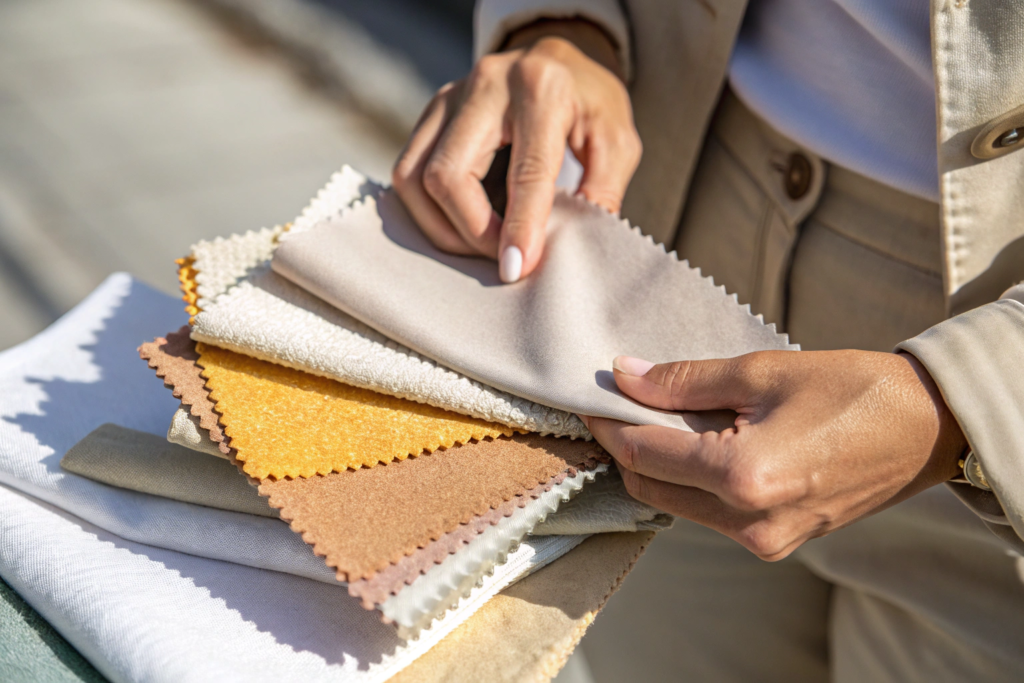
The evolution is towards high-tech, low-impact materials. We are seeing massive interest in fabrics made from recycled post-consumer materials like rPET (recycled polyethylene terephthalate) transformed into soft, durable yarns for activewear. Even more exciting are bio-fabrics derived from unexpected sources like algae, mushroom leather (Mylo), and citrus fruit peels. These materials are not just eco-friendly; they often offer natural antibacterial properties, enhanced breathability, and a unique aesthetic. For Spring/Summer 2027, look for blends of these innovative fibers with organic cotton or Tencel™ to create textures that are both responsible and luxurious to the touch.
What Are the Performance Benefits of Next-Gen Eco-Fabrics?
The conversation is shifting from just sustainable to smartly sustainable. These new fabrics deliver tangible benefits for active kids. For instance, fibers derived from chitosan (found in shellfish shells) can provide natural odor resistance, perfect for repeated wear during play. Fabrics with temperature-regulating properties, often achieved through mineral-based treatments or special weaves, will be key for summer collections, keeping children cool. Furthermore, advancements in dyeing technologies, such as digital printing and waterless dye systems, allow for vibrant, intricate patterns without the massive water pollution associated with traditional methods. This means brands can offer colorful, high-performance clothing that aligns with a family’s environmental values.
How Can Brands Source These Advanced Materials Reliably?
Sourcing these cutting-edge materials requires a factory partner with a strong, ethical supply chain. Not all mills produce genuine, certified bio-fabrics. Brands must verify certifications like the Global Recycled Standard (GRS) for recycled content or specific life-cycle assessments for new materials. Partnering with a manufacturer like us, which has established relationships with leading innovative mills, ensures access to authentic materials and technical know-how. We help brands navigate this complex landscape, testing fabric durability, colorfastness, and care requirements to ensure the final garment is both trend-forward and practically wearable.
2. Why Is “Neo-Retro” Design Dominating Future Kids' Fashion?
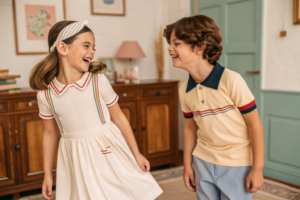
Nostalgia is a powerful force, but for 2027, it’s not about pure replication. The “Neo-Retro” trend takes iconic silhouettes and prints from the 70s, 80s, and 90s and reinterprets them with modern fits, updated color palettes, and contemporary sustainable fabrics. It’s about evoking a warm, familiar feeling while delivering the comfort and functionality expected today.
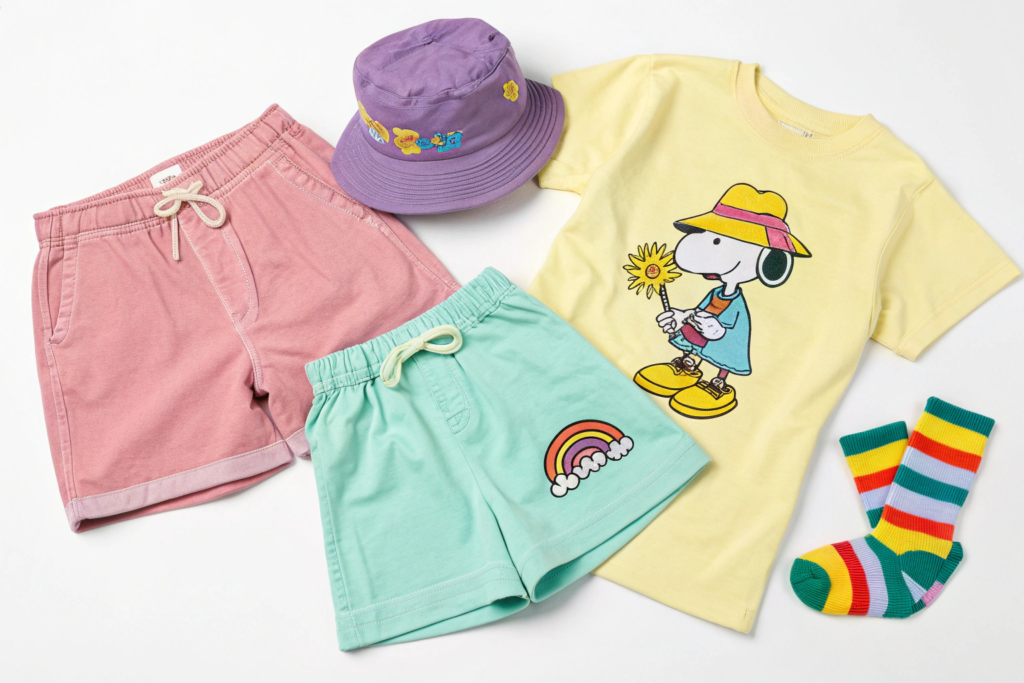
This trend resonates because it connects generations. Parents who grew up in those decades are now buying clothes for their own children. They are drawn to the bold patterns, relaxed shapes, and playful graphics, but they demand better quality and comfort. Think of 90s-inspired oversized basketball shorts made from ultra-breathable recycled mesh, or 70s-style peasant dresses with puff sleeves reimagined in lightweight, organic gauze. The key is the “neo” update: brighter, more sun-fast colors achieved with eco-dyes, gender-fluid styling, and incorporating functional elements like hidden stretch or UPF protection.
How to Balance Vintage Aesthetics with Modern Safety Standards?
This is a critical design challenge. Vintage styles might have featured loose cords, long drawstrings, or small, delicate buttons—all potential hazards by today’s child safety standards. The neo-retro approach requires clever redesign. A hoodie with a retro logo might use print instead of embroidered patches to avoid scratchiness and choking risks. Drawstrings are replaced with internal elastic or silicone prints for adjustment. Designers must be fluent in standards like EN 14682 for cords and CPSIA for substrate safety to creatively adapt vintage inspiration. Our design team excels at this, ensuring every nostalgic piece is thoroughly modernized for safe, worry-free play.
Which Retro Prints and Colors Are Making a Comeback?
Specific motifs are cycling back with a softer, more artistic touch. We’re seeing requests for:
- Jersey Prints: Abstract brush strokes, softened geometric patterns, and naive hand-drawn animal motifs.
- Color Palettes: Dusty pastels (mint, peach, lavender) mixed with earthy neutrals (oatmeal, clay). Contrast this with pops of saturated “youthful” colors like cyber lime and digital blue.
- Graphics: Stylized interpretations of retro sports logos, sun and moon faces, and block lettering with positive messages.
The execution is cleaner and more intentional than the sometimes chaotic prints of the past, aligning with the modern preference for curated, mix-and-match wardrobes.
3. What Makes Unisex and Gender-Neutral Clothing a Lasting Trend?
This is no longer a niche trend but a fundamental shift in how parents dress their children. Driven by a desire for practicality, inclusivity, and freedom from stereotypes, gender-neutral clothing focuses on universal appeal, functionality, and a palette or design that resonates with all kids. For 2027, this trend is moving beyond simple minimalist basics into more expressive, colorful, and fun territory.
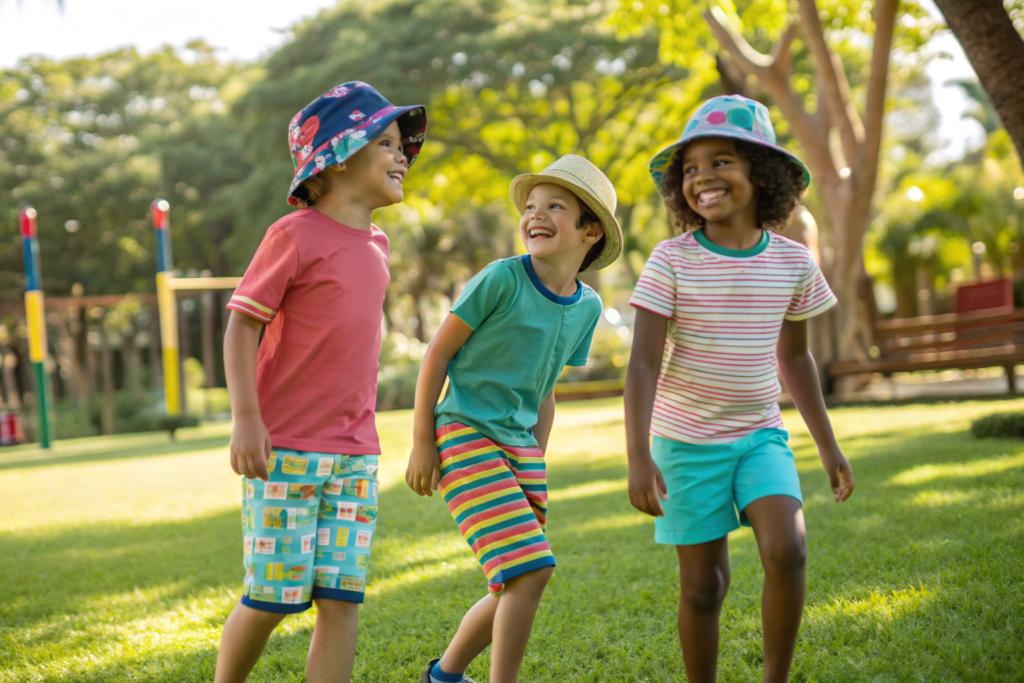
The longevity of this trend is rooted in its practical and philosophical benefits. For families with multiple children, it enables easier hand-me-downs, extending garment life—a core tenet of sustainable fashion. It also allows children to explore their personal style without constraints. The 2027 iteration is vibrant and playful. Think of overalls in bright yellow, sets in zesty orange, or graphic tees with dinosaur and space explorer prints that appeal to every child’s imagination. The cut is key: relaxed, comfortable fits that allow for movement, often featuring adjustable elements like roll-up cuffs or elasticated waists to accommodate different body types.
How to Design a Successful Gender-Neutral Collection?
Success lies in focusing on themes, colors, and functionalities rather than gendered assumptions. Start with universal inspirations: nature (oceans, forests, animals), adventure, science, art, and music. Use a wide, inclusive color spectrum—earthy greens, sunny yellows, sky blues, and bold reds should all be in play. Prioritize functional details loved by all kids: plenty of pockets, soft waistbands, and durable, easy-care fabrics. The fit should be consistently relaxed across styles. Most importantly, the marketing and styling of the collection should visibly reflect its inclusive purpose, showcasing a diverse range of children enjoying the clothes.
What Are the Key Selling Points for Retailers and Brands?
For retailers and brand buyers like Ron, this trend offers strong commercial advantages. It simplifies inventory management by reducing SKU proliferation (fewer “boy” and “girl” divisions). It appeals to a broader customer base, increasing the potential market size for each design. It aligns powerfully with brand values of inclusivity and sustainability, which are highly marketable to modern parents. Furthermore, it future-proofs your brand against shifting social norms, building long-term loyalty with a growing segment of consumers who prioritize these values. Resources like the Fashion Revolution Transparency Index show that consumers increasingly reward brands with clear, inclusive values.
4. Which Functional Tech Features Will Parents Demand in 2027?
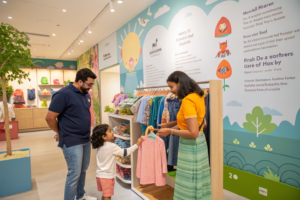
In 2027, functionality will be seamlessly woven into style. Parents, especially in the mid-to-high segment, view clothing as gear for their child’s day. They expect features that solve real problems: sun protection, easy care, durability, and growth accommodation, all without looking overly technical or compromising on style.
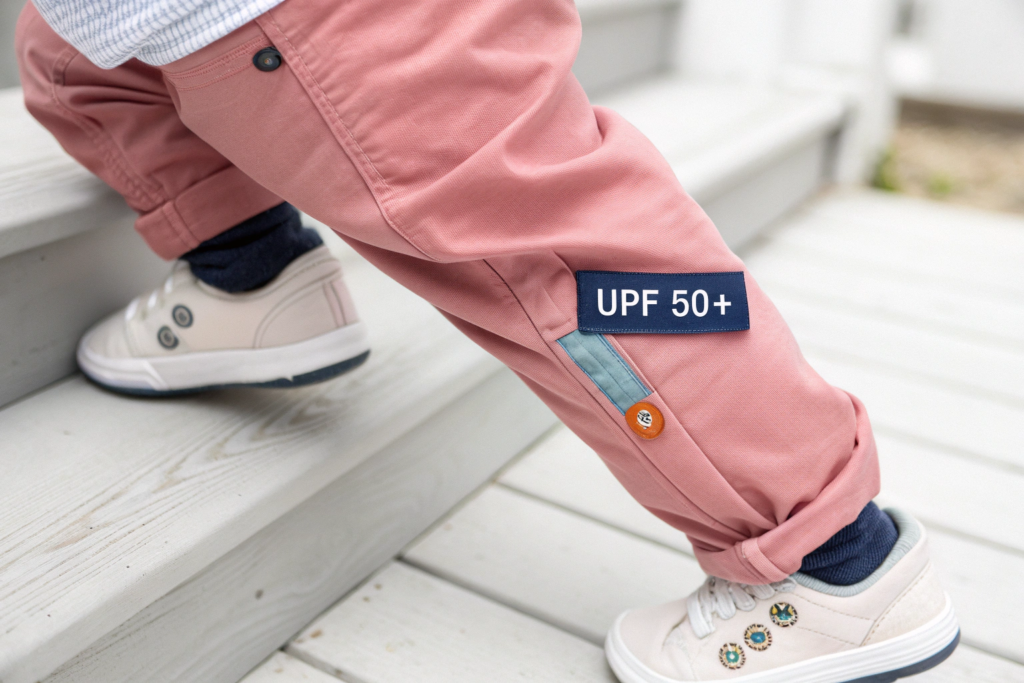
The demand is for “invisible tech.” Parents will seek out integrated UPF 50+ sun protection as a standard feature in summer wovens and knits, not just swimwear. Odor-control technology, often through natural treatments like silver ions or chitosan, will be important for socks and activewear. Additionally, “grow-with-me” designs will gain traction. This includes features like expandable seams, adjustable hems (like our patented no-sew magnetic hem systems), and convertible items (pants that zip off into shorts). These intelligent details add perceived value, justify a slightly higher price point, and build brand loyalty by solving genuine parenting pain points.
How Is Smart Technology Integrating into Everyday Kids' Wear?
While trackers and wearable tech exist, the 2027 focus for everyday wear is on passive, fabric-based technology. Beyond UPF and odor control, we see growth in:
- Phase-Change Materials (PCMs): Microcapsules in the fabric that absorb, store, and release heat to help regulate body temperature.
- Moisture-Wicking and Quick-Dry: Advanced for knitwear, moving beyond just sports polyester into natural fiber blends.
- Increased Durability: Reinforced knees and elbows using abrasion-resistant fabric panels or clever double-layering that is stylishly integrated into the design, like contrasting corduroy patches.
These features should be communicated clearly on hangtags and marketing materials to educate the consumer on the added benefits they are purchasing. Understanding the science behind UPF-rated fabrics can help brands communicate this value effectively.
Why Is Durability the Ultimate Form of Sustainability?
For cost-conscious yet quality-sensitive buyers, this is a key message. The most sustainable garment is one that lasts through multiple children and seasons. In 2027, durability will be a major selling point. This involves selecting robust yet comfortable fabrics, enforcing superior construction techniques (like reinforced bar-tacking at stress points), and ensuring colorfastness through wash testing. Brands should highlight the longevity of their products. This directly addresses the pain point of garments wearing out quickly and builds a reputation for value, which is crucial for both brand owners and their customers. Emphasizing durable design is a core part of moving towards a more circular economy in fashion.
Conclusion
Spring/Summer 2027 in children’s fashion is shaping up to be an exciting fusion of heart and science. The trends point toward a market that values responsible joy—clothing that is ethically made, smartly functional, joyfully expressive, and inclusively designed. For brands, successfully navigating this landscape means partnering with a manufacturer that understands these nuanced demands, from sourcing authentic next-gen materials to executing neo-retro designs with modern safety in mind.
Staying ahead requires more than just following trends; it requires a partner who can help you interpret and execute them with quality and reliability. By integrating these four key trend pillars into your development strategy, you can create collections that resonate deeply with future families and stand out in a competitive marketplace.
Ready to translate these 2027 trends into a successful, high-quality collection? Partner with a manufacturer who is already preparing for the future. Contact our Business Director, Elaine, at elaine@fumaoclothing.com to start designing and producing your next best-selling kids' wear line with Shanghai Fumao.