
As a children's clothing manufacturer with decades of experience, I observe distinct patterns in successful brand strategies. The leading kids wear brands in 2025 have evolved beyond mere apparel production to become trusted partners for retailers and consumers. They recognize that modern buyers prioritize safety, reliability, and value chain transparency alongside aesthetic appeal. So, what specific approaches differentiate these market leaders? Let's examine their winning strategies.
The top five kids wear brands in 2025 excel through integrated supply chain management, rigorous quality assurance protocols, authentic brand storytelling, and forward-thinking business practices. They've transitioned from simply manufacturing clothing to building comprehensive ecosystems that ensure product integrity, timely market delivery, and genuine consumer engagement. Understanding these operational frameworks is essential for brand owners, buyers, and distributors seeking competitive advantage in today's dynamic market.
This analysis will deconstruct the precise methodologies employed by industry leaders. We'll explore their production management systems, quality verification processes, customer engagement strategies, and business continuity planning. For those sourcing children's apparel, these insights provide a blueprint for selecting manufacturing partners who can deliver sustainable competitive advantages.
How Are Leading Brands Optimizing Supply Chain Operations?
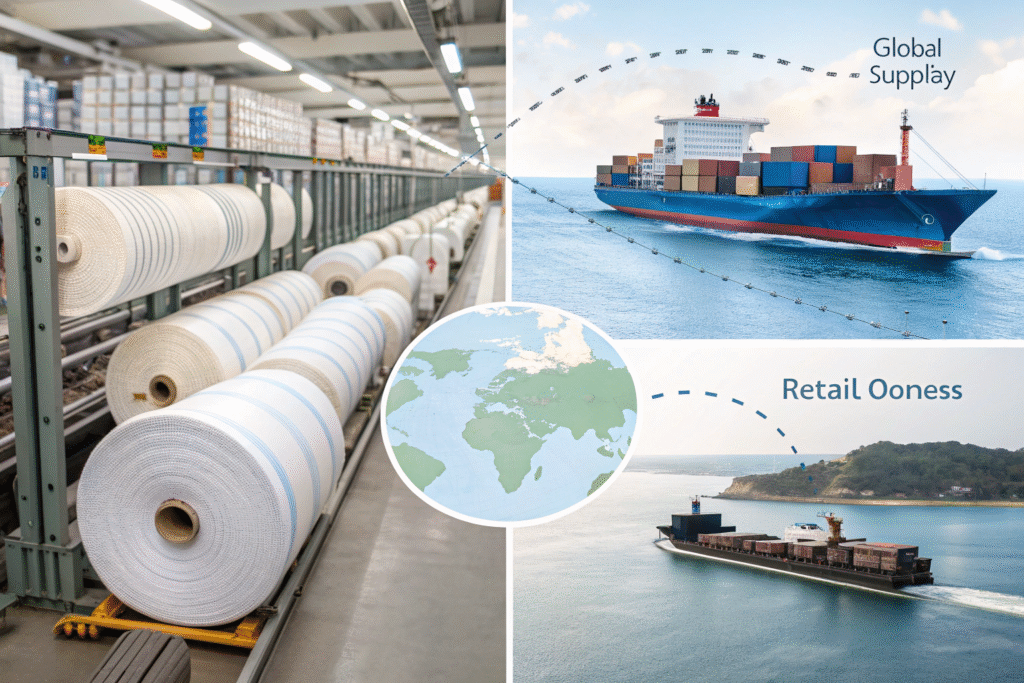
In contemporary markets, operational efficiency and reliability constitute critical success factors. Top-performing brands have transitioned from traditional linear production models to integrated, transparent supply networks capable of rapid adaptation to evolving consumer preferences and market trends. This operational infrastructure serves as their strategic advantage for market penetration and retention.
These brands establish partnerships with manufacturers offering comprehensive services spanning design conceptualization through final delivery. This vertically integrated approach minimizes communication gaps and production delays. They implement tracking technologies to monitor production milestones, ensuring accelerated time-to-market for new collections. For procurement professionals, this translates to maintained seasonal relevance and optimized selling windows.
How Does Agile Manufacturing Enhance Operational Flexibility?
Agile manufacturing principles form the foundation of responsive supply chain management. This methodology enables brands to implement just-in-time production strategies and respond to real-time sales analytics. The approach minimizes inventory carrying costs while maximizing profitability. Industry leaders collaborate with manufacturing facilities featuring multiple production lines, creating operational flexibility for both high-volume standard orders and limited-edition custom collections.
Our manufacturing facility, for instance, operates five dedicated production lines with specialized capabilities. This configuration enables rapid response to partner requirements. When established brands require expedited replenishment of high-performing SKUs, we can integrate these orders without disrupting existing production schedules. This operational agility directly addresses a common industry challenge: shipment delays resulting in missed peak selling seasons.
Why Does DDP Shipping Provide Strategic Advantages?
Selection of appropriate incoterms represents a crucial logistical consideration. Market leaders leverage Delivered Duty Paid (DDP) arrangements to streamline international transactions. DDP simplifies the import process for US-based recipients by consolidating risk management and cost responsibilities with the supplier. Buyers receive comprehensive pricing with no hidden charges or administrative complexities.
This shipping methodology offers significant operational benefits. It creates predictable import compliance processes and financial forecasting accuracy. Brands can calculate precise margin structures from initial procurement stages. As a manufacturing partner, we manage complex customs clearance procedures and regulatory requirements, allowing our brand partners to concentrate resources on core competencies: marketing innovation and sales channel development.
What Quality Assurance Protocols Ensure Product Excellence?
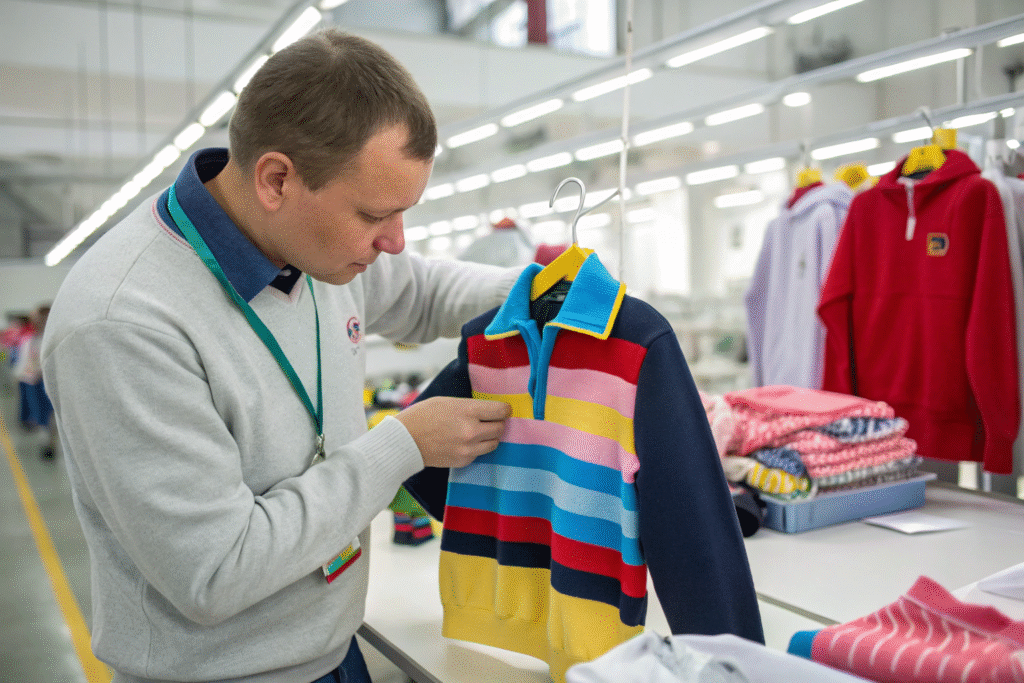
Quality management has become synonymous with brand equity development. Industry leaders recognize that reputation for safety and durability represents intangible assets requiring systematic protection. They implement multi-layered quality control systems spanning raw material selection through finished product inspection. This comprehensive approach builds stakeholder confidence across retail partners and end consumers.
These brands mandate compliance with international standards including CPSIA and OEKO-TEX certifications. They understand that documentation represents contractual obligations rather than administrative formalities. They establish manufacturing partnerships with facilities demonstrating consistent performance histories and operational transparency. This mitigates significant business risks associated with supplier fraud or documentation inaccuracies.
What Material Compliance Standards Do Market Leaders Require?
Material safety constitutes the fundamental basis of product integrity. Top-tier brands insist on certified materials with verified test reports for restricted substances and performance durability. Standards such as OEKO-TEX Standard 100 represent minimum requirements rather than aspirational benchmarks. This ensures all apparel items meet safety parameters for children's sensitive physiology.
The verification process extends beyond certificate collection to include active partnership management. Our procurement team sources materials from approved mills providing batch-specific compliance documentation. We supplement these with independent in-house testing protocols. This dual-layer verification system provides brand partners with absolute confidence in product safety and regulatory adherence to all US consumer product safety requirements.
How Do Systematic Inspection Processes Mitigate Quality Risks?
Quality inspection represents an ongoing verification process rather than singular event. Industry leaders distinguish between in-line monitoring and final inspection protocols. In-line inspections occur during active production phases, enabling early detection of potential issues including stitching inconsistencies or pattern alignment deviations. This proactive approach prevents minor discrepancies from escalating into batch-wide defects.
Final inspection constitutes the last quality gateway before shipment authorization. Each garment undergoes systematic evaluation against comprehensive checklists covering construction integrity, dimensional accuracy, and labeling compliance. The following table outlines our standardized final inspection parameters:
| Checkpoint | Specification | Acceptable Quality Level (AQL) |
|---|---|---|
| Material Flaws | Zero tolerance for stains, punctures, or color inconsistencies | 1.5% |
| Construction Quality | Secure stitch formation without skipped stitches or tension issues | 1.0% |
| Label Verification | Accurate care instructions, size labeling, and fiber composition | 0.0% |
| Component Safety | Secure attachment of buttons, snaps, and trim passing pull tests | 0.0% |
This systematic methodology ensures only compliant products enter distribution channels, protecting brand reputation and minimizing product returns.
How Are Brands Developing Meaningful Consumer Relationships?
Superior products require compelling narrative development to achieve market success. The most effective kids wear brands in 2025 have mastered integrated marketing communications that engage parents through authentic storytelling rather than transactional messaging. They utilize social platforms including TikTok and Instagram to showcase products within genuine lifestyle contexts, cultivating community engagement around brand values.
These organizations leverage data analytics to develop nuanced consumer understanding. They identify emerging style preferences, color trend trajectories, and optimal price architecture through systematic market analysis. This intelligence informs collection development decisions, transforming speculative design processes into data-driven product creation aligned with demonstrated consumer demand.

How Does User-Generated Content Enhance Brand Credibility?
User-Generated Content (UGC) represents invaluable marketing collateral with superior conversion metrics compared to traditional advertising. Leading brands actively encourage customers to share visual content featuring children wearing their products, then strategically incorporate this authentic material into official marketing channels and digital platforms.
This approach delivers dual benefits. First, it generates social proof through real-world product demonstrations, establishing immediate consumer trust. Second, it creates extensive libraries of genuine marketing assets. This addresses common challenges for brand management teams with limited creative resources. By leveraging customer-generated content, they develop relatable brand aesthetics without significant creative investment.
Why Does B2B Digital Presence Facilitate Manufacturing Partnerships?
While consumer-facing marketing remains vital, business-to-business digital presence enables brands to identify qualified manufacturing partners. Industry leaders utilize platforms including Alibaba and professional networks like LinkedIn for supplier vetting processes. They seek manufacturing partners with professional digital footprints, clear communication protocols, and comprehensive project portfolios.
For manufacturing organizations, this necessitates digital presence development matching production capabilities. We utilize online channels to showcase production infrastructure, compliance certifications, and successful collaboration case studies. This transparency enables confident procurement decisions for buyers conducting supplier due diligence. Efficient partnership development begins with credible digital representation.
What Strategic Initiatives Future-Proof Leading Brands?
Market leadership requires continuous innovation and strategic foresight. The most successful brands extend planning horizons beyond seasonal cycles to encompass decade-long business development. They invest in sustainable manufacturing practices, technological integration, and supplier relationships capable of scaling alongside business growth. They regard manufacturing partners as strategic allies rather than transactional vendors.
These organizations adapt to evolving consumer values regarding environmental responsibility. They explore sustainable material alternatives and production methodologies that minimize ecological impact. They simultaneously prepare for global trade evolution and logistical innovations. Through comprehensive future-proofing initiatives, they ensure business resilience and sustained market relevance.

How Does Product Customization Drive Brand Differentiation?
In saturated markets, customization represents critical differentiation strategy. Leading brands transcend basic logo application to develop exclusive fabrications, proprietary prints, and distinctive silhouettes unavailable through standard market offerings. This creates unique brand identities while providing insulation against direct price competition.
For brand owners, this strategic approach transforms basic commodities into signature products reflecting brand narratives. Our role as manufacturing partner involves providing technical expertise to actualize custom design concepts. We facilitate brand development from initial design conceptualization through production implementation, ensuring product distinctiveness in competitive retail environments.
How Does Predictive Analytics Inform Product Development?
Industry leaders have transitioned from intuition-based decision-making to data-driven strategic planning. They employ predictive analytics for fashion forecasting, analyzing search pattern data, social media engagement metrics, and historical sales performance to project color, style, and thematic preferences for upcoming seasons.
This analytical approach minimizes product development risks. It enables informed investment decisions regarding product categorization and inventory planning. By understanding projected children's apparel trend trajectories, brands can brief manufacturing partners with precise specifications and confidence. This results in collections with higher consumer resonance, improved sell-through rates, and enhanced profitability.
Conclusion
The top five kids wear brands in 2025 achieve market leadership through integrated business approaches. They've developed responsive supply chain infrastructures, implemented uncompromising quality management systems, established genuine consumer connections through authentic marketing, and adopted progressive business strategies. They recognize that excellence in children's apparel requires holistic system optimization beyond superficial design elements.
If you're positioned to elevate your brand through these proven methodologies, we invite collaboration with a manufacturing partner who comprehends contemporary industry dynamics. Let's establish a foundation for sustained market success. For manufacturing partnerships focused on premium quality, market-relevant children's apparel, please contact our Business Director, Elaine, at elaine@fumaoclothing.com. We provide the manufacturing expertise to support your brand growth objectives.