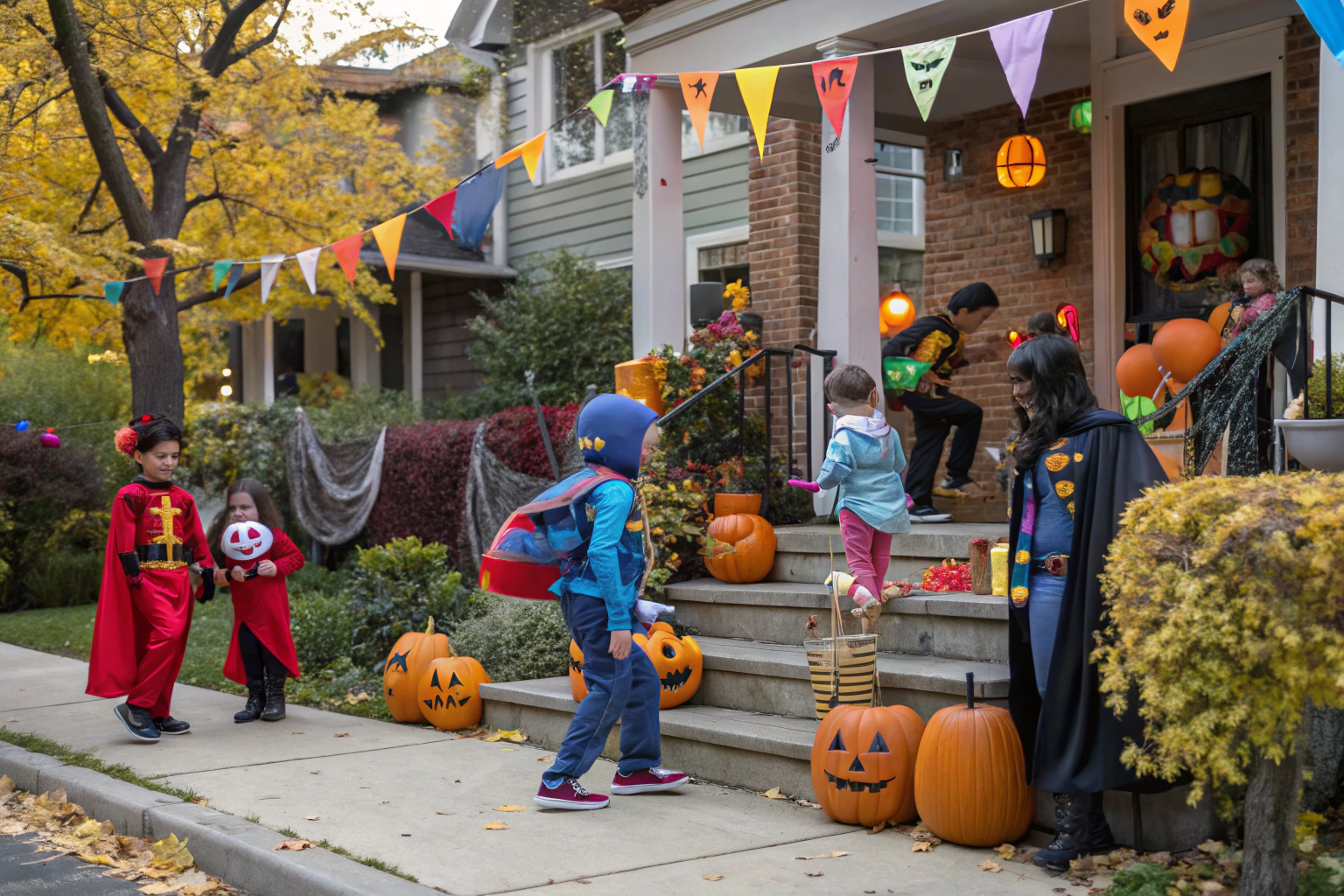
Halloween represents one of the most significant seasonal opportunities in the children's apparel market, with costume choices reflecting broader cultural trends, character popularity, and evolving parenting preferences. As a manufacturer producing Halloween collections for numerous brands, I've observed how costume themes evolve while certain classics maintain their enduring appeal across generations.
The most popular kids clothing themes for Halloween include classic characters, superheroes, fantasy creatures, animals, and food costumes. These categories consistently dominate seasonal sales while adapting to contemporary trends, with superhero costumes maintaining strong popularity alongside rising interest in group family costumes and inclusive character options that represent diverse backgrounds and abilities.
Understanding these theme categories and their underlying drivers helps brands develop Halloween collections that balance timeless appeal with fresh interpretations. Let's explore the specific themes capturing children's imaginations and parental purchasing decisions.
What classic Halloween themes maintain enduring popularity?
Certain Halloween themes demonstrate remarkable longevity, returning year after year with updated interpretations that keep them feeling fresh while maintaining their recognizable appeal. These classics often connect to universal childhood interests or have established themselves as Halloween traditions through decades of cultural reinforcement.
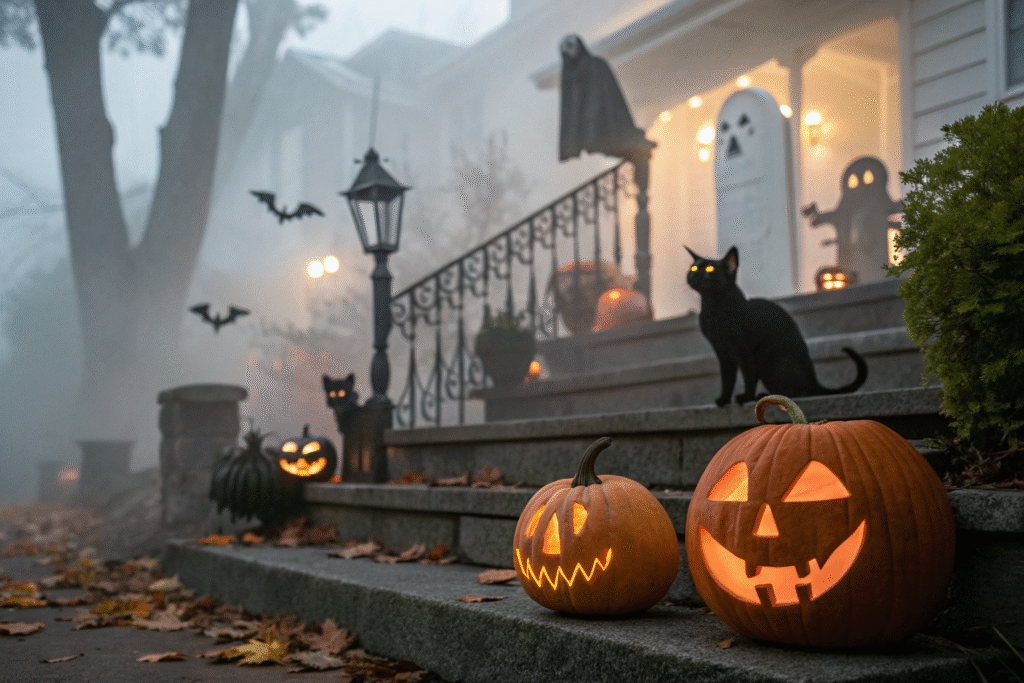
The most enduring classic themes include witches, ghosts, vampires, skeletons, and black cats. These traditional Halloween symbols continue to resonate because they represent the "spooky but not scary" balance that appeals to both children and parents. Their simplicity also allows for creative interpretation across different price points and style preferences.
Why do witch costumes remain perennially popular?
Witch costumes remain perennially popular because they offer versatility, recognizability, and just enough spookiness without being truly frightening. Unlike many Halloween characters, witches can be interpreted across a spectrum from friendly to formidable, allowing children to choose their preferred level of scariness. According to costume industry analysis, witch costumes consistently rank in the top five children's choices regardless of current movie trends or character popularity. Their simple elements—pointed hat, dark clothing, broomstick—also make them easily adaptable for DIY approaches while offering ample opportunity for premium interpretations with intricate details and quality materials.
How have classic monster costumes evolved?
Classic monster costumes have evolved to become more friendly and approachable while retaining their iconic elements. Today's vampire costumes often feature cartoonish fangs and capes in bright colors rather than frightening depictions, while ghost costumes use sheer, flowing fabrics in cheerful whites and pastels instead of traditional scary representations. This evolution reflects a broader trend in children's Halloween toward age-appropriate scariness that allows for spooky fun without genuine fear. Even skeleton costumes, once depicted as grim reapers, now often feature dancing bones, glow-in-the-dark elements, and humorous poses that make them more playful than frightening for young children.
How do current media trends influence costume choices?
Current media releases significantly impact Halloween costume popularity, with characters from blockbuster movies, streaming series, and viral video content driving substantial seasonal demand. The connection between media exposure and costume selection has strengthened in the digital age, where characters reach global audiences simultaneously through multiple platforms.
The most influential media categories include animated films, superhero franchises, popular television series, and viral internet phenomena. Costume manufacturers must track these trends closely, as timing production to align with media releases requires careful planning and forecasting.
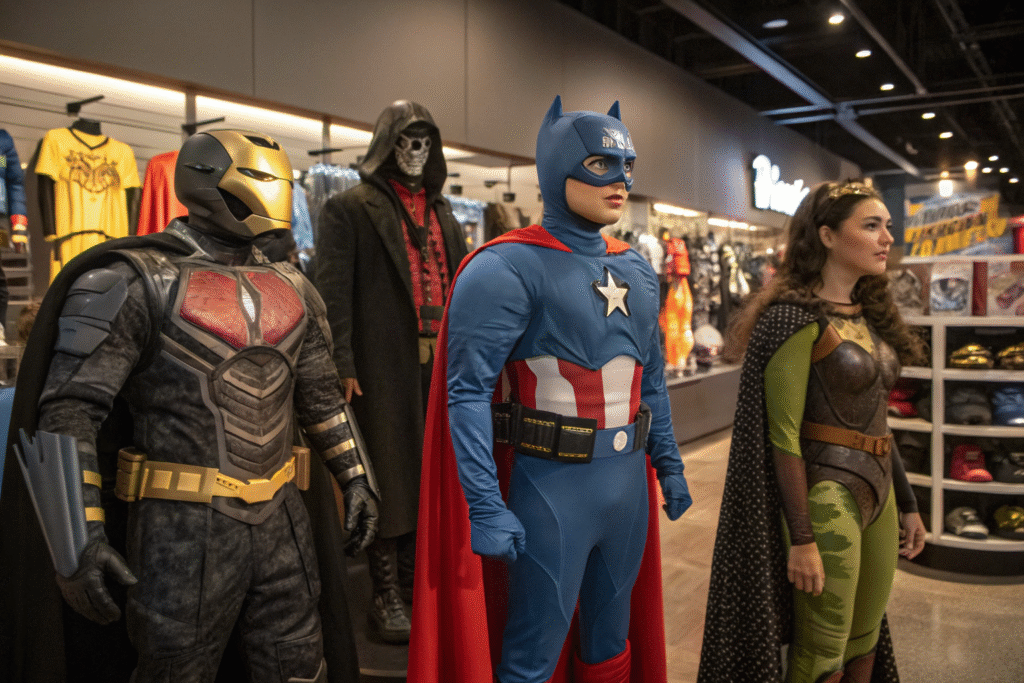
Why do superhero costumes dominate year after year?
Superhero costumes dominate year after year because they combine aspirational qualities, strong character branding, and extensive media support through continuous film and television releases. According to the National Retail Federation's Halloween survey, superhero costumes consistently rank among the top three choices for children, with particular strength among boys aged 3-12. The appeal lies in children's desire to embody powerful, heroic characters while the extensive merchandise ecosystem—from toys to video games—maintains character awareness throughout the year. The table below shows the most requested superhero costumes in recent seasons:
| Superhero | Age Group Appeal | Key Features |
|---|---|---|
| Spider-Man | 3-10 years | Full-body suits, web patterns |
| Black Panther | 5-12 years | Vibranium details, mask |
| Wonder Woman | 4-11 years | Tiara, gauntlets, skirt |
| The Flash | 6-12 years | Lightning motifs, red suit |
How quickly do new movie characters influence costume trends?
New movie characters can influence costume trends almost immediately, with significant demand emerging within weeks of a film's release if the character resonates with children. The acceleration of this trend cycle has intensified with simultaneous global streaming releases that create instant worldwide awareness. However, manufacturers face challenges with this rapid turnaround, as costume production lead times typically require 6-9 months for design, sampling, and manufacturing. Successful brands mitigate this through flexible production capacities and by identifying potential breakout characters early based on trailer reception, toy licensing patterns, and social media buzz before official releases.
What fantasy and adventure themes are rising in popularity?
Fantasy and adventure themes have seen significant growth as parents seek costumes that encourage imaginative play beyond specific character licensing. These categories often draw from mythology, folklore, and original concepts that allow for creative interpretation and personalization.
Popular fantasy themes include dragons, unicorns, wizards, mermaids, and fairy tale characters. These options appeal to children's love of magical worlds while offering versatility that extends beyond Halloween into dress-up play throughout the year.

Why are mythical creatures like unicorns so popular?
Mythical creatures like unicorns maintain extraordinary popularity because they represent magic, beauty, and wonder in a form that's universally appealing to children across age groups and genders. The unicorn trend in children's products has expanded beyond Halloween into everyday clothing, school supplies, and bedroom decor, creating sustained awareness and affection for these magical creatures. Unicorn costumes specifically offer glitter, rainbows, horns, and magical accessories that align with children's attraction to sparkle and fantasy. Their non-threatening nature makes them particularly popular for younger children, while their versatility allows for interpretations ranging from cute and cuddly to majestic and powerful for older kids.
How has princess costume evolution reflected cultural changes?
Princess costumes have evolved significantly to reflect cultural changes around gender roles, diversity, and character agency. Traditional passive princess imagery has been largely replaced by costumes depicting active, capable characters from films like Frozen, Moana, and Encanto. These modern interpretations emphasize adventure, intelligence, and cultural authenticity rather than simply waiting for rescue. According to child development research, children increasingly prefer costumes representing characters with agency and special abilities rather than traditional royalty. This shift has led to greater diversity in princess costumes, with designs that celebrate different cultural backgrounds and feature more practical, movement-friendly designs rather than restrictive formal wear.
What animal themes consistently perform well?
Animal costumes represent one of the most reliable Halloween categories, appealing to children's natural fascination with creatures both real and imaginary. Their enduring popularity stems from their versatility, non-scary nature for younger children, and the endless variety of species that can be interpreted.
The most consistently popular animal themes include cats, dogs, dinosaurs, lions, and butterflies. These choices span the cute and cuddly to the powerful and prehistoric, offering options for different personality types and age groups while generally avoiding licensing requirements that increase costs.
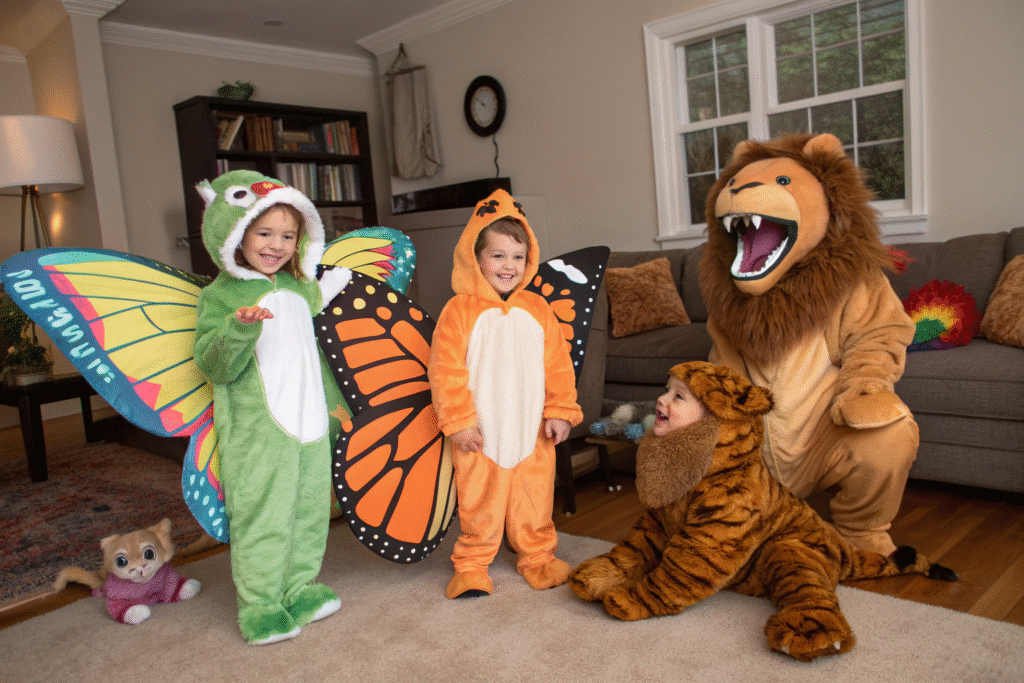
Why do dinosaur costumes maintain their appeal?
Dinosaur costumes maintain strong appeal because they combine children's fascination with prehistoric creatures, the inherent drama of these massive animals, and their gender-neutral attraction across age groups. The consistency of dinosaur popularity is remarkable, with costume industry data showing these prehistoric creatures ranking in the top ten for over two decades. Their appeal spans developmental stages—toddlers enjoy the bright colors and friendly interpretations, while older children appreciate more scientifically accurate designs with realistic textures and fearsome details. The continuous discovery of new dinosaur species and regular media coverage also helps maintain interest and provides fresh inspiration for costume designs each season.
How have animal costumes adapted to safety concerns?
Animal costumes have adapted to safety concerns through design modifications that prioritize visibility, mobility, and breathability while maintaining the essential character of each creature. Masks with limited visibility have been largely replaced by hoods with built-in face frames or hat-based designs that don't obstruct vision. According to Consumer Product Safety Commission guidelines, costumes should feature bright colors, reflective elements, and flame-resistant materials—requirements that animal costume manufacturers now integrate into their designs. Additionally, bulkier costumes that could cause tripping have been streamlined, while still creating the distinctive silhouettes of popular animals through strategic padding and lightweight structural elements.
How are group and family costumes influencing themes?
Group and family costumes have grown significantly in popularity, transforming Halloween from an individual celebration to a coordinated family activity. This trend has created demand for thematic groupings that work together while allowing each family member to maintain their individual character.
Popular group themes include storybook families, superhero teams, food groups, and conceptual collections like emojis or weather phenomena. These coordinated approaches often drive additional sales as parents purchase multiple costumes to create cohesive family presentations.
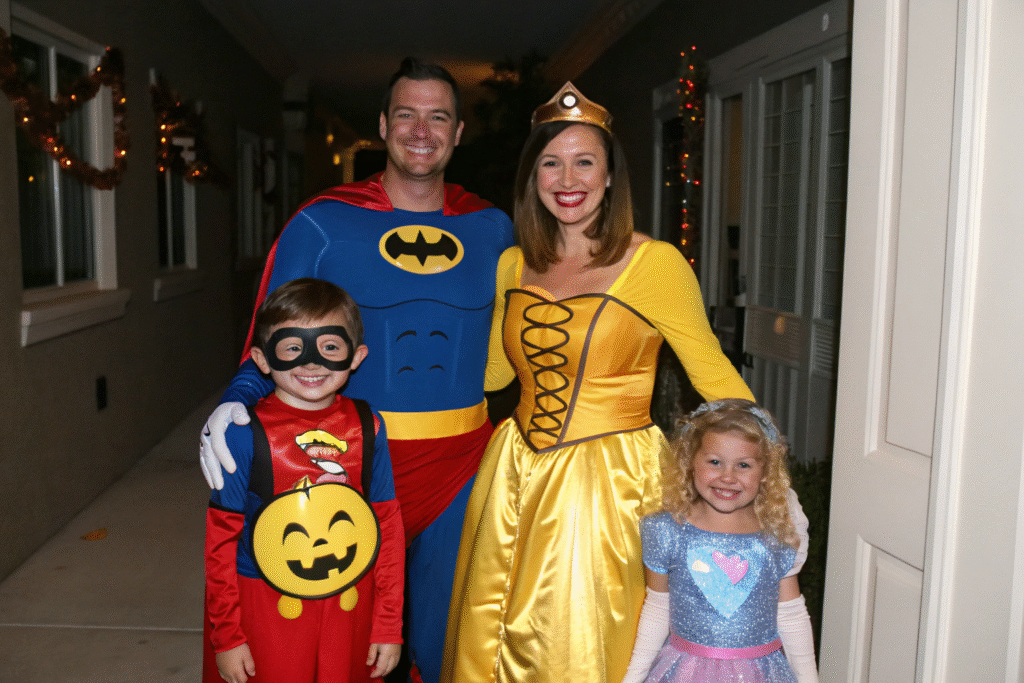
Why are matching family costumes growing in popularity?
Matching family costumes are growing in popularity due to social media sharing, the desire for memorable family experiences, and the commercial promotion of Halloween as an all-ages celebration. Platforms like Instagram and Pinterest have created visible platforms for coordinated family costumes, with social media analysis showing family costume posts generating significantly higher engagement than individual costume photos. Additionally, parents who grew up with Halloween as a major cultural event are now extending their participation into adulthood through family-themed costumes. Retailers have responded by marketing coordinated collections and creating shopping experiences that simplify finding compatible costumes across different age ranges and sizes.
What makes a theme work well for group costumes?
Themes work well for group costumes when they offer natural roles for different family members, recognizable visual connections between costumes, and flexibility for individual expression within the unified concept. Successful group themes typically feature multiple characters with distinct identities—such as the Wizard of Oz characters, Teenage Mutant Ninja Turtles, or Mario Kart racers—that allow each family member to choose a role that suits their personality. The most popular group concepts also scale easily, working for couples, parent-child pairs, or extended family groups without losing their cohesive visual impact. Additionally, themes with simple iconic elements—like Ghostbusters with their uniforms and proton packs—make coordination achievable without requiring identical costumes.
Conclusion
Halloween costume themes for children balance timeless classics with contemporary influences from media, cultural trends, and family traditions. The most successful themes offer opportunities for self-expression, imaginative play, and family participation while addressing practical considerations like safety, comfort, and value.
Understanding these theme categories and their underlying appeals helps brands develop Halloween collections that capture both immediate trends and enduring preferences. If you're developing a Halloween collection and need manufacturing partnership to bring these popular themes to life, contact our Business Director Elaine at elaine@fumaoclothing.com. Let Shanghai Fumao's experience with seasonal costume production help you create Halloween offerings that capture children's imaginations and drive seasonal sales.