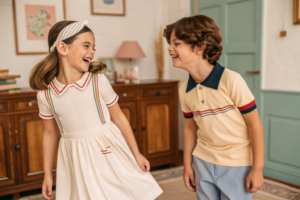
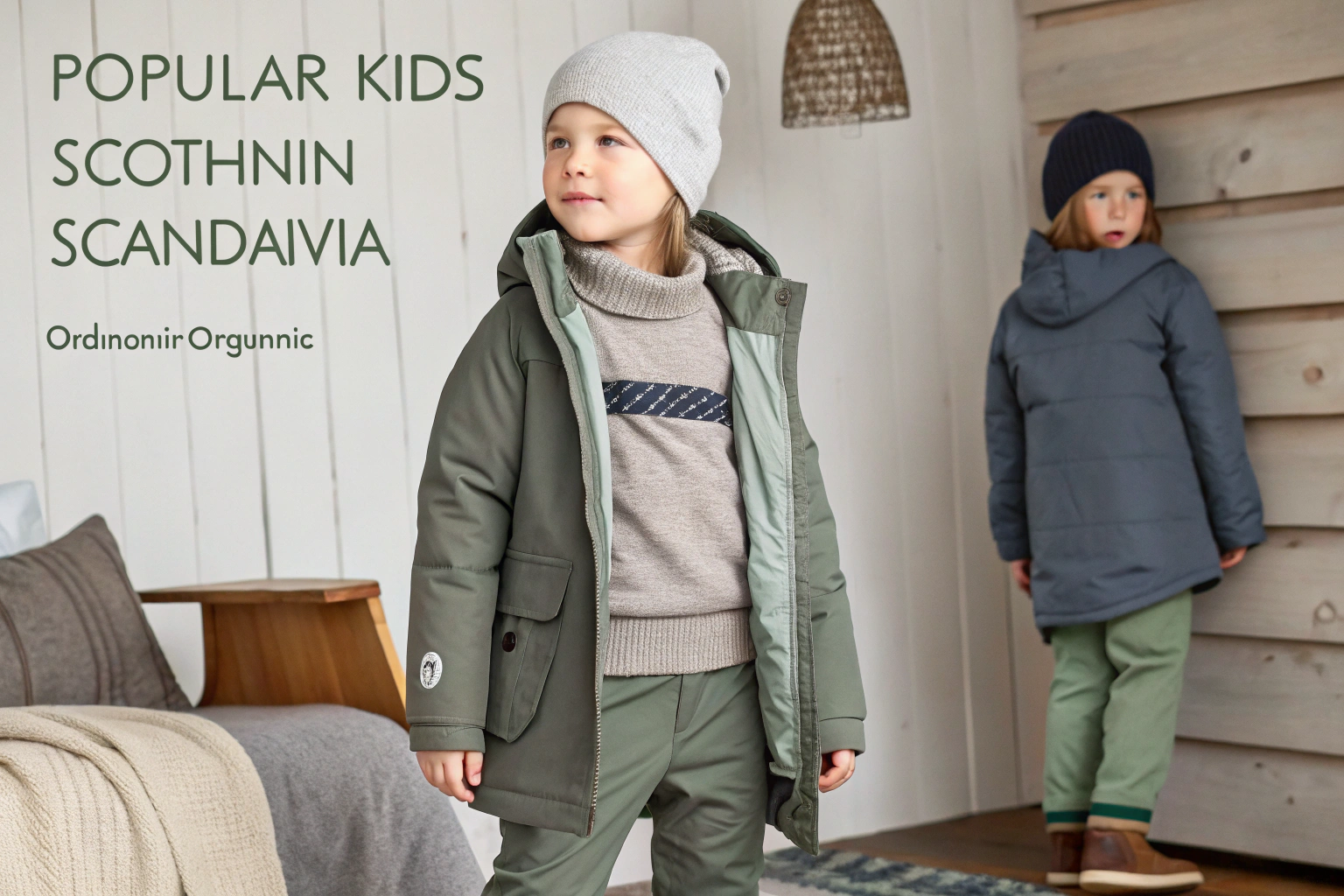
Walking through Stockholm's boutiques last season, I was struck by how Scandinavian children's fashion achieves something remarkable: it combines minimalist aesthetics with maximum functionality. As the owner of Fumao Clothing, I've supplied numerous brands in this region and witnessed firsthand how Scandinavian parents approach dressing their children differently. Their style philosophy offers valuable lessons for any brand looking to create children's wear that balances beauty with practicality.
The most popular kids clothing styles in Scandinavia emphasize minimalist design, functional practicality, sustainable materials, and unisex appeal. Key characteristics include layered looks with thermal base layers, weather-appropriate outerwear, organic cotton basics, and durable playwear in muted color palettes. The Scandinavian approach prioritizes comfort, freedom of movement, and longevity over fast-fashion trends.
Scandinavian children's fashion reflects the region's cultural values and practical needs. With long winters, variable weather, and a strong emphasis on outdoor activities regardless of season, clothing must perform in real-world conditions. The style also embodies the Scandinavian concept of "lagom" - meaning not too much, not too little, but just the right balance between aesthetics and functionality.
What Defines The Scandinavian Minimalist Aesthetic For Children?
The Scandinavian minimalist approach to children's clothing revolves around clean lines, thoughtful details, and restrained color palettes that create timeless appeal. This isn't mere simplicity; it's intentional design that removes visual clutter while enhancing functionality.
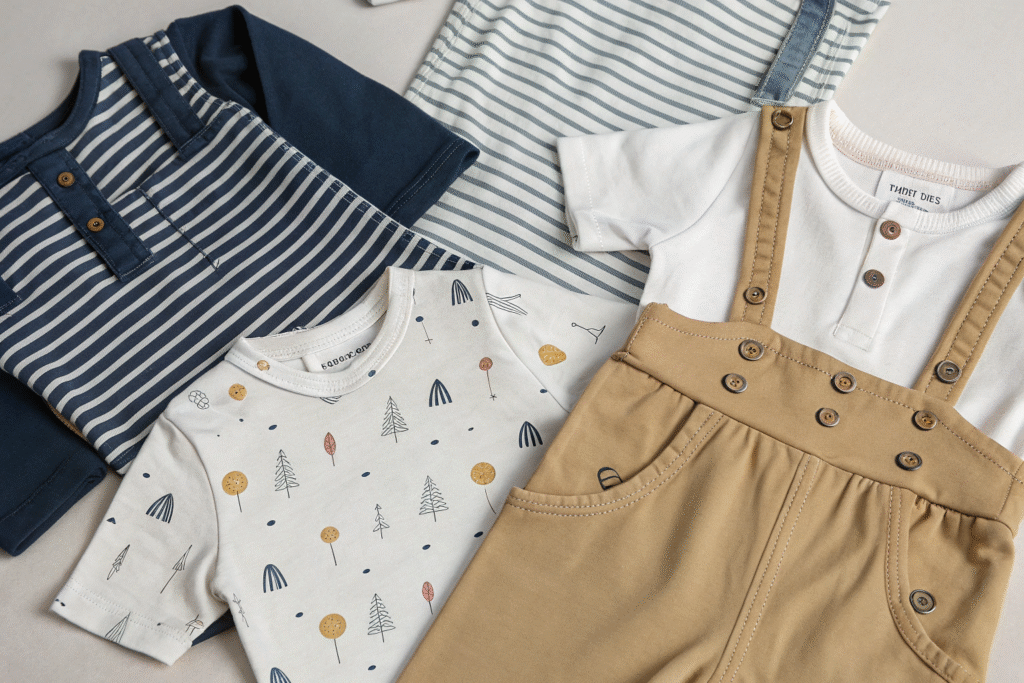
Color palettes typically feature neutral foundations of navy, grey, cream, and white, accented with muted earth tones like forest green, mustard yellow, or dusty pink. The absence of loud graphics or character licensing is notable - instead, you'll find subtle patterns like small stripes, minimal geometric prints, or nature-inspired motifs. This restrained approach allows for easy mixing and matching, extending a small wardrobe's versatility. One of our Swedish clients reports that their core collection's mix-and-match capability allows parents to create 40+ outfit combinations from just 12 basic pieces.
How do Scandinavian brands achieve timeless appeal?
The focus on timelessness over trends means garments are designed to remain stylish across multiple seasons and siblings. This is achieved through classic silhouettes that avoid extreme proportions, quality construction that maintains shape after repeated washing, and color stories that transition smoothly between seasons. According to Scandinavian Fashion Week trend reports, the most successful brands maintain 70% of their collection as permanent core styles, with only 30% allocated to seasonal updates. This approach reduces waste and builds customer loyalty through consistent aesthetic values.
What role does fabric selection play in minimalist design?
Fabric choices reinforce the minimalist philosophy through natural textures and performance properties. Organic cotton dominates for everyday wear, while wool and wool blends provide natural temperature regulation for colder months. Linen-cotton mixes appear in summer collections for their breathability and textured appearance. The fabric itself becomes the decoration, with ribbed knits, waffle weaves, and subtle textural variations adding visual interest without bold patterns. We've noticed our Scandinavian clients specifically request fabrics that develop a beautiful "lived-in" look over time, valuing character that emerges with wear.
How Does Functionality Influence Scandinavian Children's Wear?
Scandinavian children's clothing is fundamentally designed for an active outdoor lifestyle, with functionality embedded into every design decision. The region's weather demands and cultural emphasis on outdoor time shape garments that work hard while looking effortless.
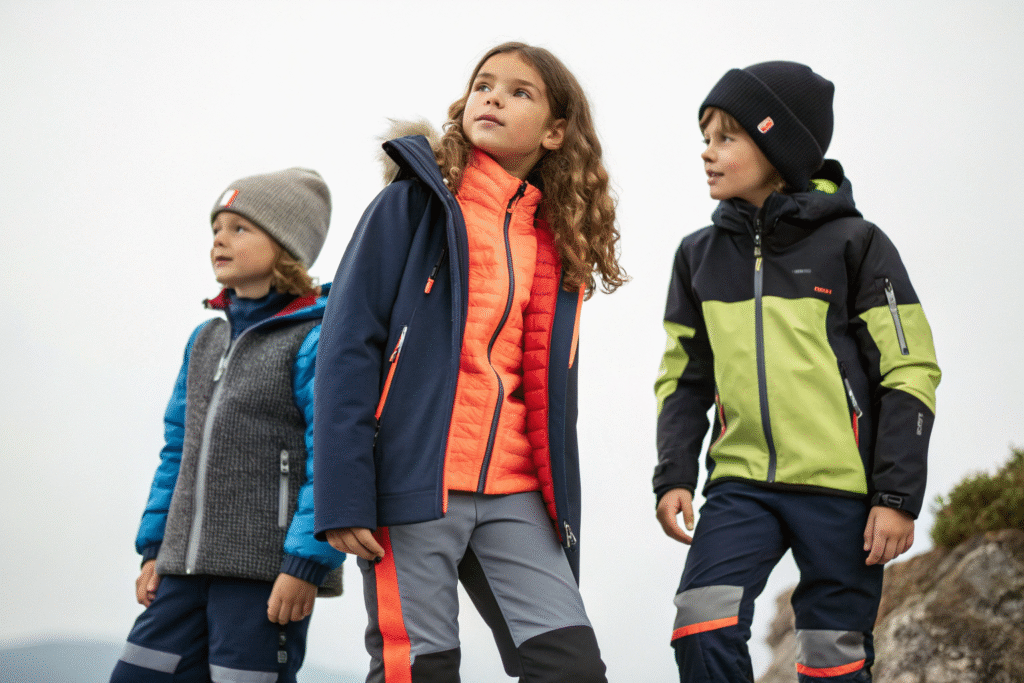
The layered approach is central to functionality. Parents typically dress children in a thermal base layer, mid-layer (like a wool sweater), and weather-appropriate outer layer. This system allows easy temperature regulation as children move between indoor and outdoor environments. Reflective details are common on outerwear and accessories, addressing the limited daylight hours during winter months. Practical features like reinforced knees, adjustable waistbands, and easy-care fabrics ensure clothing withstands active play and frequent washing.
What makes Scandinavian outerwear particularly functional?
Scandinavian outerwear addresses specific regional weather challenges. Rain suits are fully waterproof with taped seams, while winter jackets feature high-quality down or synthetic insulation with water-resistant shells. Snowsuits often include removable liners and extendable cuffs and hems to accommodate growth. According to Norwegian Consumer Council testing standards, high-performing children's outerwear must maintain thermal properties at temperatures as low as -25°C while allowing moisture vapor to escape. Our manufacturing processes for Scandinavian clients include rigorous testing for water resistance, breathability, and colorfastness to ensure garments perform in demanding conditions.
How does the Scandinavian approach address practical parenting needs?
Thoughtful details solve everyday parenting challenges. Many brands feature magnetic closures instead of buttons for easier dressing, especially for winter gloves. Interior label systems eliminate scratchy tags, while expandable necklines simplify pulling garments over heads. Sizing often includes generous growth allowances without compromising fit, and many styles are designed with diaper-changing access. We've incorporated these functional elements into collections for our Nordic clients, with one brand reporting a 35% increase in customer satisfaction after introducing magnetic closure systems across their toddler range.
Why Is Sustainability Central To Scandinavian Kids Fashion?
Sustainability isn't a trend in Scandinavian children's fashion; it's a fundamental principle that influences every aspect of production, consumption, and garment lifecycle. This approach aligns with the region's strong environmental consciousness and practical approach to resource use.
The circular economy model is widely embraced, with many brands offering take-back programs, repair services, and resale platforms. Quality construction ensures garments can withstand multiple users, and timeless designs prevent premature stylistic obsolescence. Material transparency is expected, with brands providing detailed information about supply chains, manufacturing conditions, and environmental certifications. This comprehensive approach to sustainability resonates with Scandinavian parents' values and practical considerations about clothing longevity.
What sustainable materials are most popular?
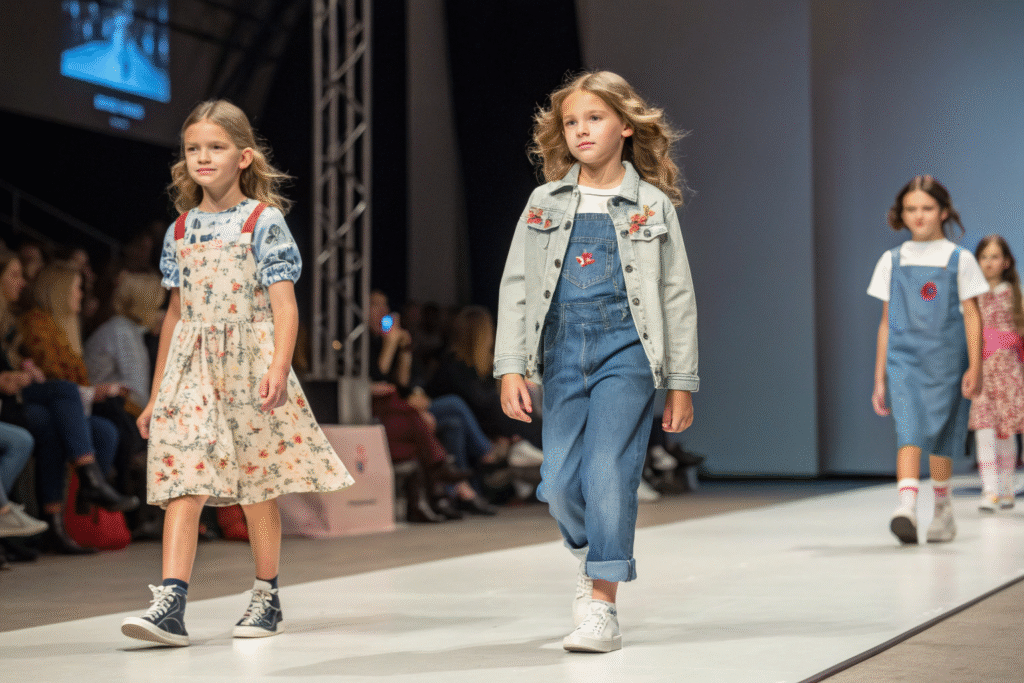
Organic GOTS-certified cotton is the baseline expectation rather than a premium option. Wool from Nordic sheep breeds is valued for its natural temperature-regulating properties and biodegradability. Tencel™ and other lyocell fibers appear increasingly for their sustainable production process and silky texture. Recycled materials, particularly REPREVE® recycled polyester from plastic bottles, are common in outerwear and performance wear. Our Scandinavian clients typically require at least 80% of their collection to use certified sustainable materials, with many aiming for 95% or higher in their sustainability roadmaps.
How do Scandinavian brands extend clothing lifespan?
Design strategies specifically address longevity. Many brands use darker colors or patterns in areas prone to staining (knees, cuffs). Generous seam allowances allow for letting down hems and cuffs, while reinforced areas withstand extra wear. Some companies offer "grow-with-me" designs with multiple adjustment points, and most provide detailed care instructions to maximize garment life. The secondhand market is particularly strong, with platforms like Tise and Sellpy enabling easy resale of quality children's wear. Our production methods for these markets emphasize durability testing, with garments undergoing 50+ wash cycles to ensure colorfastness and shape retention.
How Has Unisex Design Evolved In Scandinavian Children's Fashion?
Scandinavian brands have pioneered the unisex approach to children's clothing, moving beyond simply offering "boys" clothes in pink or "girls" clothes in blue. The philosophy recognizes that children should be free to explore their interests and movements without gender-based clothing restrictions.
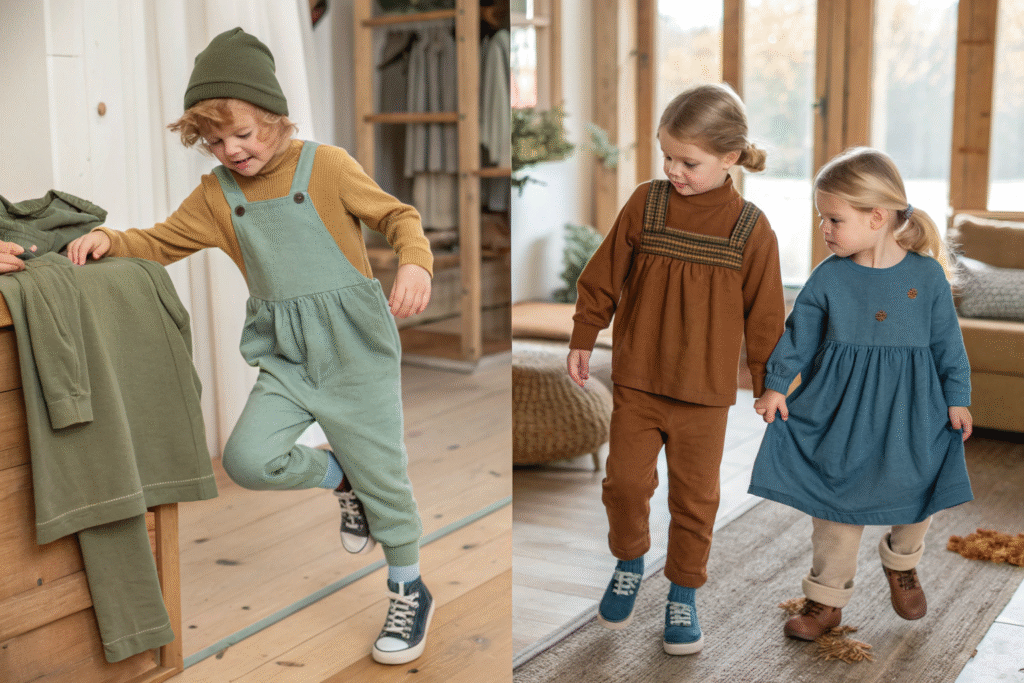
True unisex design involves creating silhouettes, color palettes, and patterns that appeal across gender lines while maintaining functional appropriateness for all children. The approach typically features relaxed but not oversized fits that allow freedom of movement, color stories drawn from nature rather than gender stereotypes, and practical details that serve all children's needs. This philosophy aligns with Scandinavia's progressive attitudes toward gender equality and child development.
What design elements characterize successful unisex clothing?
Successful unisex pieces feature anatomical fits that accommodate different body types without gender specification. Color palettes typically center around navy, grey, green, mustard, and burgundy - colors that have moved beyond gender associations in Scandinavian markets. Patterns tend toward geometric designs, nature motifs, and abstract prints rather than traditionally gendered themes. Functional details like reinforced knees, practical pocket placement, and easy-care fabrics serve all children equally. Our design team has found that truly successful unisex pieces see a 55/45 split in purchasing between traditionally gendered categories, indicating genuine cross-gender appeal.
How does unisex design support practical parenting?
Unisex clothing simplifies hand-me-downs between siblings of different genders, extending garment lifecycle and reducing clothing costs. It also allows children to choose clothing based on personal preference rather than gendered expectations, supporting developmental autonomy. The approach reduces decision fatigue for parents and minimizes wardrobe size through enhanced mix-and-match capabilities. According to Swedish Institute research, 68% of Swedish parents primarily purchase unisex clothing for children under 6, valuing the practical and philosophical benefits of this approach.
Conclusion
Scandinavian children's clothing styles offer a compelling blueprint for creating garments that balance aesthetic appeal with practical functionality. The emphasis on minimalist design, weather-appropriate performance, sustainable production, and inclusive unisex approaches reflects deeper cultural values that prioritize children's comfort, freedom, and connection to nature. These principles have global relevance for brands seeking to create children's wear that parents value and children enjoy wearing.
The Scandinavian market demonstrates that parents worldwide are increasingly seeking clothing that combines beautiful design with practical intelligence and environmental responsibility. If you're looking to develop collections inspired by these principles, we have the manufacturing expertise and market insights to help bring your vision to life. Contact our Business Director, Elaine, to discuss how we can create Scandinavian-inspired children's wear for your brand. Reach her directly at elaine@fumaoclothing.com.