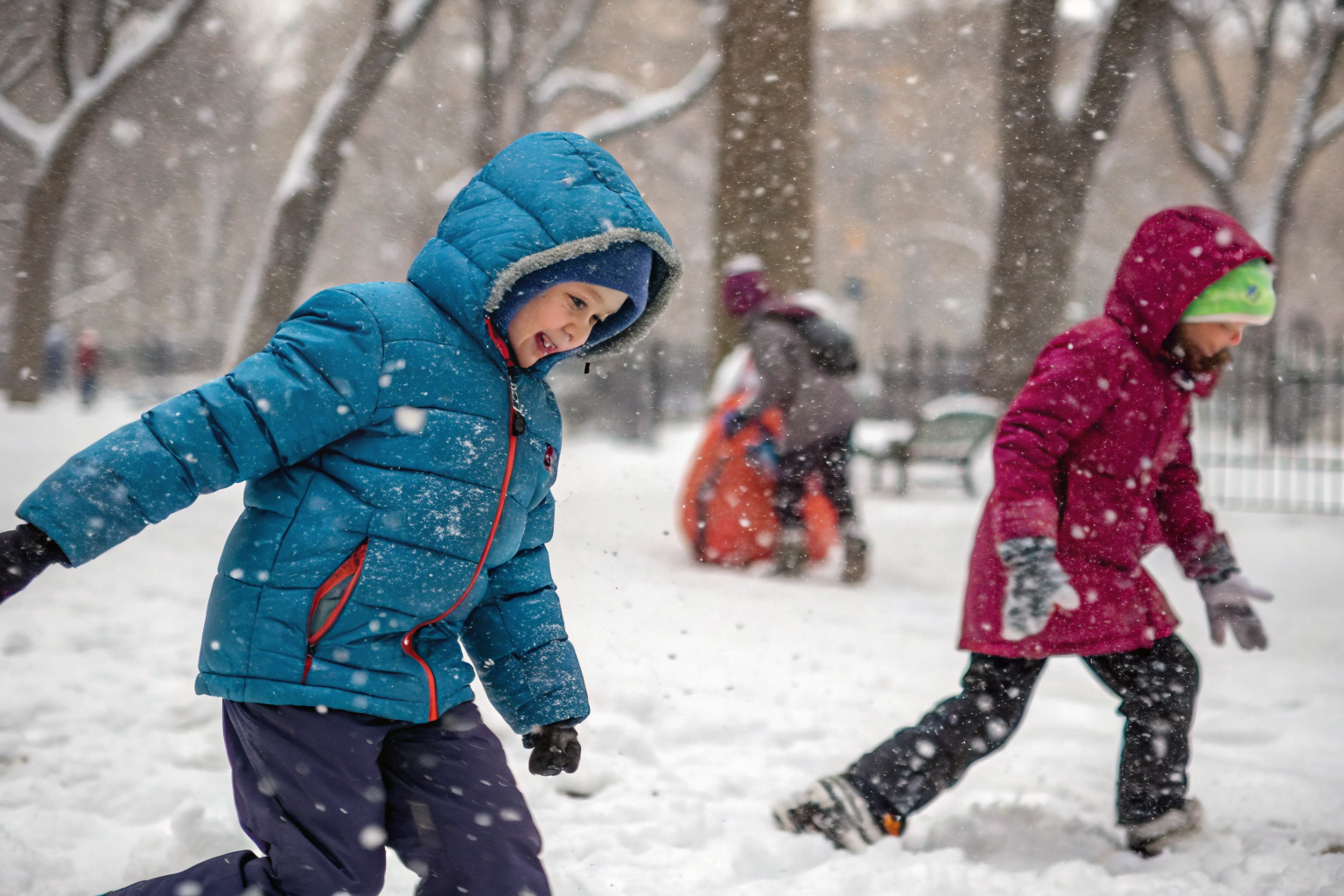
When temperatures drop, parents face the critical task of keeping their children warm, dry, and comfortable during outdoor activities. The right winter coat does more than just provide warmth—it enables children to play freely while protecting them from harsh weather conditions. Understanding which features truly matter can mean the difference between a coat that gets worn all season and one that stays in the closet.
The most important features of kids winter coats include waterproof and breathable outer fabric, efficient insulation appropriate for your climate, safety-conscious design elements, practical closures and adjustments, and durable construction that withstands active use. These features work together to create protection that doesn’t compromise on comfort or mobility.
Selecting a winter coat involves balancing multiple factors from technical performance to practical usability. Parents need coats that can handle snowball fights, playground adventures, and sudden temperature changes while making the dressing process manageable for both children and caregivers. Let’s explore the key features that define exceptional winter outerwear for children.
Why is weather protection the foundation of coat performance?
The primary function of any winter coat is to protect children from cold, wet, and windy conditions. Without effective weather protection, even the warmest coat will fail when faced with real winter weather challenges. The materials and construction must work together to create a reliable barrier against the elements.
Weather protection forms the foundation of coat performance because it prevents moisture penetration, blocks wind chill, maintains consistent warmth, and ensures the coat functions effectively across various winter conditions. This multi-faceted protection allows children to enjoy outdoor time regardless of weather fluctuations.

What makes waterproof breathable fabric essential?
Waterproof breathable fabric prevents snow and rain from soaking through while allowing perspiration to escape, keeping children dry from both external moisture and internal sweat. Look for coatings like PU laminate or membranes such as Teflon that create this dual functionality. Without breathability, children become damp from their own activity, making them colder than if they wore no coat at all. The best fabrics balance waterproof ratings (measured in millimeters) with breathability ratings to suit active use.
How does wind resistance complement insulation?
Wind resistance prevents cold air from penetrating the coat and displacing the warm air trapped by insulation. Even the thickest insulation becomes ineffective when wind constantly replaces warm air with cold. Features like storm flaps over zippers, adjustable cuffs, and sealed seams work together to block wind entry points. This windproof quality allows thinner insulation to perform more effectively, reducing bulk while maintaining warmth during windy winter activities.
What insulation types suit different winter conditions?
Insulation creates the thermal barrier that retains body heat, but not all insulation works equally well across different temperature ranges and activity levels. Choosing the right type and amount of insulation ensures children stay comfortable without overheating during active play.
Different insulation types suit varying winter conditions because they offer distinct warmth-to-weight ratios, compression capabilities, moisture resistance, and performance when wet. Matching insulation to your specific climate and your child’s activity patterns prevents both discomfort and safety risks.

When is synthetic insulation the better choice?
Synthetic insulation like PrimaLoft or Thermolite maintains warmth when wet, dries quickly, and provides excellent warmth for its weight, making it ideal for active children in damp winter conditions. Unlike down, synthetic insulation continues to provide thermal protection even if the outer fabric becomes saturated, a crucial safety feature for children who may not recognize when they’re becoming too cold. Its consistent performance and easy care make it particularly suitable for school-aged children who need reliable daily wear.
How much insulation do different temperatures require?
The appropriate insulation amount depends on both temperature and activity level. For temperatures around freezing with active play, 60-100 grams of synthetic insulation typically suffices, while temperatures below 20°F may require 100-150 grams. However, over-insulating can cause overheating and sweating, which then leads to chilling. Consider your child’s typical winter activities—running and playing require less insulation than stationary activities like waiting for the school bus.
How do safety features protect active children?
Winter coats must accommodate children’s safety needs beyond basic weather protection. From visibility concerns in early darkness to entanglement risks, safety considerations should influence both design choices and usage practices.
Safety features protect active children by ensuring visibility to drivers, preventing entanglement hazards, allowing proper car seat fit, and reducing strangulation risks. These considerations become especially important during winter months when daylight hours shorten and weather conditions create additional hazards.

Why are reflective elements crucial for winter safety?
Reflective details and bright colors make children visible to drivers during early morning darkness and late afternoon dimness that characterize winter days. According to safety guidelines, reflective material should be placed at motion points like sleeves and legs where movement catches headlights effectively. These visibility features become non-negotiable for children who walk to school or play outside as daylight fades, potentially preventing serious accidents.
How should coats accommodate car seat safety?
Bulky winter coats can prevent proper tightening of car seat harnesses, creating dangerous gaps between the child and restraint system. The American Academy of Pediatrics recommends placing harnesses directly against the child’s body, with the coat worn over the secured harness or removed during car rides. Some coats feature special designs with zip-out panels or side zippers that allow safe car seat use without removing the entire coat in cold weather.
What practical features simplify daily use?
Parents appreciate features that make winter coats easier to put on, adjust, and maintain through months of daily use. Children benefit from designs that support their growing independence while standing up to rigorous play and frequent cleaning.
Practical features simplify daily use through easy closure systems, adjustable components for growing children, durable materials that withstand rough play, and cleaning methods that maintain performance. These elements determine whether a coat becomes a seasonal favorite or a constant source of frustration.

Which closure systems work best for children?
Zippers with large pulls, magnetic closures that snap together easily, and toggle systems that small hands can manipulate independently all support developing self-dressing skills. The right closure system can transform dressing from a daily struggle into an achievement for young children. For toddlers and preschoolers, two-way zippers that open from the bottom facilitate sitting in car seats and high chairs without bunching uncomfortably.
How do adjustable elements extend coat usability?
Growth tucks in sleeves, expandable shoulder panels, and multiple waist adjustment options allow a coat to fit properly throughout the winter season and sometimes into a second year. These adjustment features accommodate children’s rapid growth while maintaining the protective fit necessary for warmth and mobility. Look for sleeves that can be lengthened by 1-2 inches and waist adjustments that customize the fit without creating bulk.
How does design support active movement and comfort?
A winter coat that restricts movement or causes discomfort will likely be resisted by children, regardless of its technical capabilities. The best designs balance protection with freedom, allowing natural movement during play while avoiding irritation from seams, tags, or restrictive cut.
Design supports active movement and comfort through articulated patterning, soft lining materials, strategic seam placement, and lightweight construction that doesn’t weigh children down. These elements ensure the coat enhances rather than hinders winter activities.

What patterning techniques enhance mobility?
Armscye (armhole) placement, gusseted underarms, and slightly curved sleeves allow full range of motion for climbing, throwing snowballs, and reaching overhead. These pattern engineering techniques distinguish quality coats from basic ones by accommodating children’s natural movements rather than forcing them to adapt to restrictive clothing. Raglan sleeves often provide better shoulder mobility than set-in sleeves, particularly important for layering over sweaters or hoodies.
How do lining materials affect comfort?
Soft, non-irritating linings like smooth polyester or cotton blends prevent itching and chafing, especially around the neck and wrists where contact is constant. Breathable linings help manage moisture while tagless designs eliminate a common source of irritation for children with sensory sensitivities. For maximum comfort, look for fully lined coats with flat-lock seams that won’t rub against skin during hours of wear.
Conclusion
The most important features of kids winter coats combine technical weather protection with practical usability and safety considerations. By prioritizing waterproof breathable fabrics, appropriate insulation, safety enhancements, user-friendly closures, and mobility-focused design, you can select coats that children will wear comfortably throughout the winter season.
Looking for winter coats that master all these essential features? Our manufacturing expertise focuses on creating children’s outerwear that balances technical performance with practical design. Contact our Business Director, Elaine, at elaine@fumaoclothing.com to discuss our winter coat collection designed for real children’s lives.