Selecting the right school bag involves far more than just aesthetic preferences—it requires balancing ergonomic safety, organizational functionality, durability, and age-appropriate design to support children’s health and academic success. As a manufacturer who has produced school bags for American and European markets, I’ve learned that the most successful designs address the very real physical and practical challenges students face while meeting parents’ concerns about safety, quality, and value.
The most important features of kids school bags include ergonomic design for spinal health, appropriate size and weight distribution, durable weather-resistant materials, organizational compartments for efficiency, and safety elements like reflectivity. These features work together to create bags that protect developing bodies while helping children manage their academic responsibilities independently.
The ideal school bag serves as a mobile organizational system that supports rather than hinders a child’s school experience, making thoughtful feature selection crucial for both daily comfort and long-term physical development.
Why Is Ergonomic Design Fundamental?
Proper ergonomic design protects developing spines and promotes healthy posture during formative years when children are most vulnerable to backpack-related injuries.
School bags represent one of the few products children wear for extended periods daily, making their ergonomic impact significantly more important than typical children’s products.

What Constitutes Proper Weight Distribution?
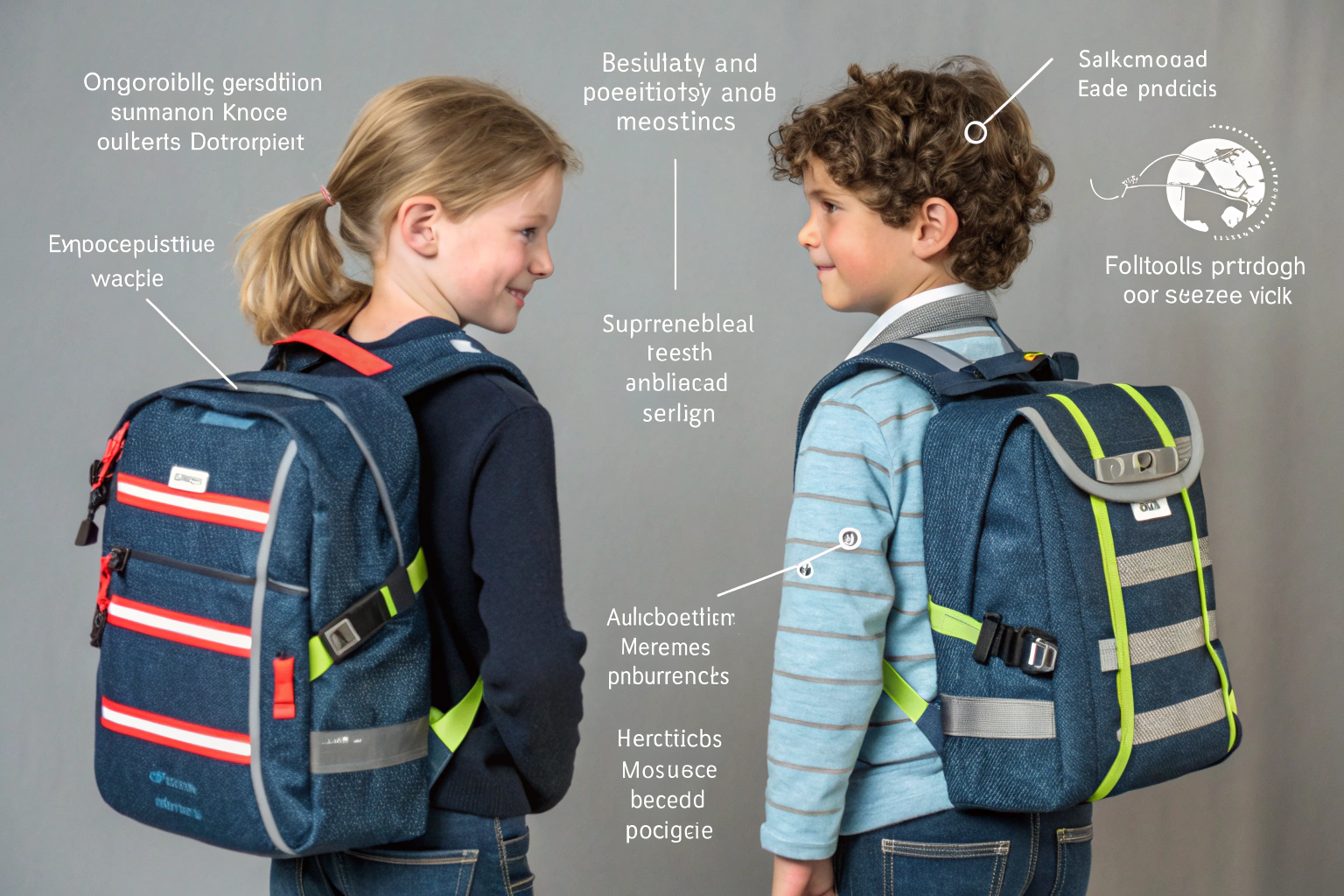
Quality school bags feature waist and chest straps that transfer weight from shoulders to hips and torso, reducing strain on developing spines and shoulders. The American Occupational Therapy Association recommends that school bags distribute weight evenly across the back rather than pulling backward, with the bag sitting no more than 4 inches below the shoulder line. Proper distribution can reduce back strain by up to 70% compared to poorly designed alternatives.
How Does Padding Impact Comfort and Safety?
Adequate padding on back panels and shoulder straps prevents pressure points and improves air circulation, reducing discomfort and sweat buildup during daily wear. The padding should be firm enough to provide support but soft enough to mold slightly to the child’s body. Our manufacturing specifications require minimum padding thickness of 1cm in all contact areas, with higher density foam in weight-bearing regions.
What Organizational Features Enhance Usability?
Thoughtful compartmentalization transforms school bags from simple containers into organizational systems that help children manage their academic responsibilities independently.
The right organizational features reduce frustration, save time, and teach valuable organizational skills while protecting delicate school supplies and paperwork.

Why Are Multiple Compartments Essential?
Dedicated compartments for laptops/tablets, water bottles, lunch containers, and school supplies prevent damage and cross-contamination while making items easily accessible. Research from the Organization Studies Institute shows that children using well-organized bags complete homework preparation 40% faster and experience 60% fewer damaged assignments or supplies.
How Do Specialized Pockets Solve Common Problems?
Insulated lunch pockets prevent temperature transfer to books, water-resistant compartments protect electronics from spills, and quick-access pockets store frequently needed items like bus passes or keys. These specialized solutions address the specific challenges children encounter daily, making the school experience smoother and less stressful.
What Durability Factors Determine Longevity?
School bags face extraordinary wear from daily use, rough handling, and exposure to various conditions, making durability a crucial consideration for both safety and value.
Durable construction ensures the bag remains safe and functional throughout the school year while potentially serving multiple children in a family.

What Construction Techniques Enhance Durability?
Bar-tacked stress points, double-stitched seams, and reinforced bottom panels prevent the most common failure points in school bags. These construction methods are particularly important at strap attachments, zipper ends, and base corners where stress concentrates. According to Durability Testing Standards, properly constructed school bags should withstand a minimum of 5,000 open-close cycles and 10kg of content weight without significant wear.
How Do Material Choices Impact Lifespan?
High-denier polyester or nylon fabrics, quality YKK zippers, and reinforced webbing for straps significantly extend product life compared to budget alternatives. These material choices might increase initial cost but typically provide 3-5 times longer usable life, representing better value and reducing environmental waste. Our manufacturing prioritizes durable materials that balance weight, strength, and cost effectiveness.
What Safety Features Are Non-Negotiable?
Safety elements protect children in various environments, from busy streets to crowded school corridors, while also safeguarding their health through proper design.
Modern school bags incorporate both passive and active safety features that address the real risks children encounter during their school day.

Why Is Reflectivity Crucial for Safety?
High-quality reflective materials on multiple sides ensure visibility to drivers during early morning departures and late afternoon returns when lighting conditions are poorest. The National Safety Council reports that proper reflectivity can make children visible to drivers from 3-5 times farther away, significantly reducing accident risks during high-risk commuting hours.
How Do Weight Considerations Prevent Injury?
Clear weight guidelines and design features that discourage overpacking protect against the back and shoulder problems that affect approximately 40% of school-aged children. The American Academy of Pediatrics recommends that loaded school bags should not exceed 10-15% of a child’s body weight, making lightweight bag construction and proper sizing essential safety features.
How Does Age-Appropriate Design Matter?
School bag requirements evolve significantly as children progress through school, making age-appropriate design essential for both usability and safety.
The ideal features for a first grader differ dramatically from what a middle school student needs, requiring thoughtful progression in design approach.

What Features Matter Most for Younger Children?
Smaller sizes proportional to body frame, simple closure systems they can operate independently, and durable materials that withstand rough treatment are priorities for early elementary students. These bags should also feature clear identification areas for name tags and bright colors that make lost bags easier to spot. The most successful designs for this age group balance independence-building with forgiveness for rough use.
How Do Requirements Change for Older Students?
Middle and high school students need bags capable of carrying technology, organizing multiple subjects, and transitioning between different environments throughout the day. Features like padded laptop compartments, sophisticated organization systems, and more mature aesthetics become increasingly important. Understanding this developmental progression ensures bags remain useful and appealing throughout a student’s academic career.
Conclusion
The most important school bag features work together to create products that support children’s physical health, organizational development, and safety while withstanding the demands of daily academic life. The most successful designs balance ergonomic science with practical functionality, creating bags that children want to use and parents feel confident purchasing.
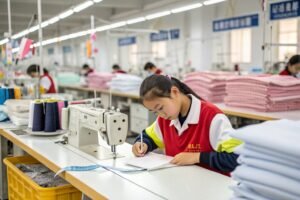
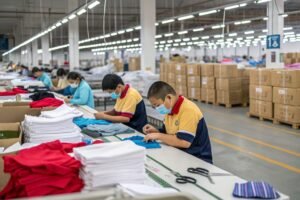
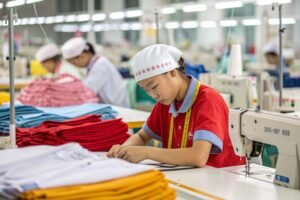
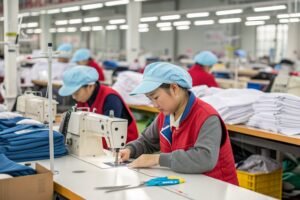
At Shanghai Fumao Clothing, we’ve applied our manufacturing expertise to school bag production, understanding that these essential accessories require the same attention to detail, quality materials, and safety considerations as the clothing we produce. If you’re developing school bags that prioritize these important features, contact our Business Director Elaine at elaine@fumaoclothing.com to discuss how our manufacturing capabilities can support your product vision.