

Certifications matter greatly in children's clothing manufacturing. Many brands prioritize design and pricing. However, they often underestimate certification importance. For American and European markets, proper certifications are essential. They establish consumer trust. They also safeguard your business. So, which certifications truly matter?
The most crucial certifications verify product safety, chemical safety, and social responsibility. Primary examples include CPSIA for the United States, OEKO-TEX® Standard 100 for chemical safety, and GOTS for organic textiles. These certifications provide essential compliance assurance. They also help build credible brands.
Certification understanding may seem challenging. However, it forms the foundation of any successful children's wear brand. We will examine the most critical certifications available. This knowledge supports informed decision-making. It also prevents expensive business errors.
What is CPSIA and Why is it Non-Negotiable for the US Market?
The CPSIA is mandatory for US children's products. It represents federal law. The Consumer Product Safety Improvement Act establishes rigorous standards for children's items. It regulates lead content and physical durability. Non-compliance risks substantial fines and product recalls. It can also cause permanent brand damage.
The CPSIA requires third-party testing and certification for products targeting children under 13. It ensures apparel contains safe levels of lead and phthalates. It also mandates mechanical safety standards to prevent strangulation hazards.
This certification provides your operational foundation. Our factory considers CPSIA compliance fundamental for North American orders. We incorporate this testing throughout our production process.

How Does CPSIA Testing Protect Your Business?
CPSIA testing serves as business protection. It officially confirms product safety for American markets. This shields you from legal challenges. It also prevents costly product recalls. Single recalls can eliminate customer and retailer trust. Major retailers require CPSIA compliance proof for product stocking. It represents your market entry permission.
What Are the Key CPSIA Standards for Clothing?
CPSIA addresses several apparel aspects. Lead and phthalate content are most important. Lead limits are 90 ppm for coatings and 100 ppm for substrates. Eight phthalate types face permanent bans above 0.1%. Children's sleepwear requires strict flammability standards. Secure attachment of small components is equally vital. The Consumer Product Safety Commission website provides complete details.
Why is OEKO-TEX® Standard 100 a Global Trust Mark?
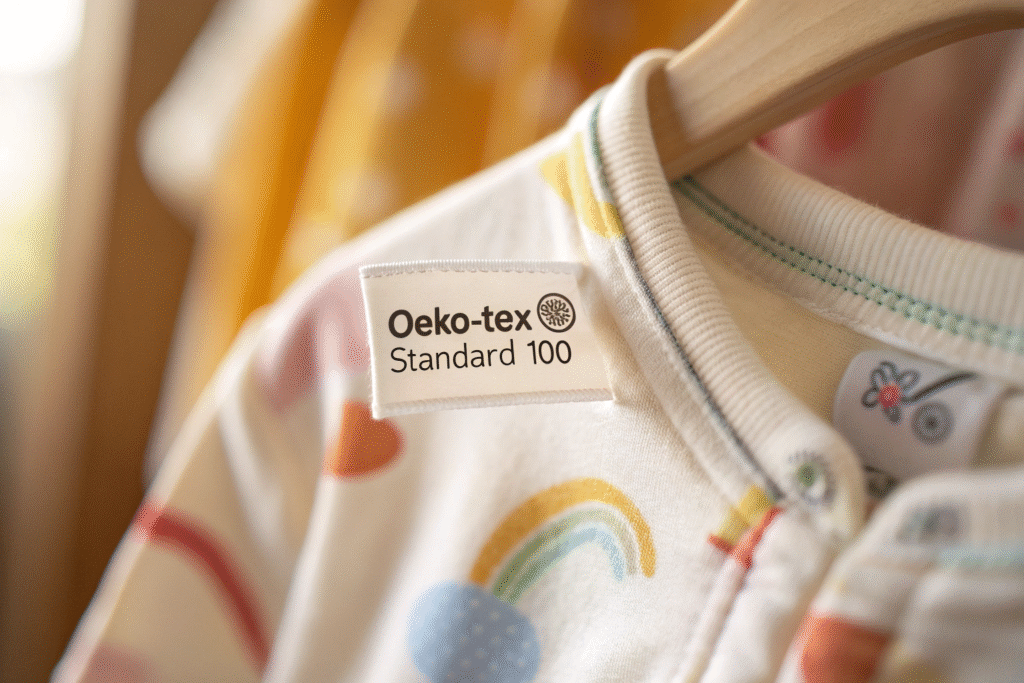
OEKO-TEX® Standard 100 is a voluntary global standard. It concentrates on human ecological concerns. The standard examines harmful substance presence. Parents recognize the OEKO-TEX® label indicates chemical testing. This testing covers over 100 regulated substances.
OEKO-TEX® Standard 100 certifies every textile component. Fabric, threads, buttons and zippers all undergo testing. It guarantees freedom from harmful substance levels. Brands gain powerful marketing claims through this certification.
We recommend this certification to all partners. It adds substantial trust layers. It clearly differentiates brands in mid-to-high market segments. It demonstrates exceeding basic legal requirements.
What Substances Does OEKO-TEX® Actually Test For?
OEKO-TEX® maintains extensive testing criteria. The organization updates these criteria annually. Testing covers illegal and regulated chemicals. It also includes unregulated harmful substances. The complete list contains several categories:
- Heavy metals: Including lead, cadmium, and mercury.
- Phthalates: Present in certain plastisols and prints.
- Allergenic dyes: Plus other colorants.
- Pesticides: Remaining in natural fibers like cotton.
- Chlorinated phenols: And formaldehyde.
This certification answers brand concerns about chemical safety. The OEKO-TEX® official website offers specific substance information.
How Does OEKO-TEX® Certification Benefit Brand Marketing?
The OEKO-TEX® label functions as effective marketing tool. It provides simple visual symbolism that parents trust. You can display it on hangtags and packaging. Marketing materials can feature it prominently. It directly addresses customer concerns about hidden chemicals. It converts complex standards into emotional wellness promises.
What Makes GOTS the Gold Standard for Organic Textiles?
GOTS represents the premier organic textile standard globally. Sustainability-focused brands prioritize this certification. It encompasses complete processing chains. This includes organic fiber harvesting through manufacturing stages. Environmental and social responsibility requirements apply throughout.
GOTS sets premium standards for organic textile processing. It defines strict environmental criteria across supply chains. Social responsibility compliance is mandatory. GOTS labeling requires minimum 70% certified organic fiber content.
This certification serves serious ecological and social brands. Transparent and traceable supply chains are necessary. We support this through detailed documentation and process management.

How Does GOTS Ensure Environmental and Social Responsibility?
GOTS operates on twin environmental and social pillars. Environmental requirements mandate strict chemical input standards. Dyes and auxiliaries must meet toxicological and biodegradable criteria. Wastewater treatment and energy usage rules apply. Social requirements mandate ILO standard certification. Safe workplaces and no child labor are essential. Collective bargaining rights are protected. The GOTS official site contains additional information.
Is Sourcing GOTS-Certified Products Complicated?
GOTS-certified apparel sourcing involves greater complexity. Complete supply chains require certification. This includes spinning, weaving, dyeing, and manufacturing facilities. Strong factory partnerships understanding GOTS frameworks are crucial. Documentation demands are significant. However, it delivers unmatched sustainability and ethics narratives for customer sharing.
How to Verify Your Supplier's Certifications Are Authentic?
Certificate value depends on underlying integrity. Buyer concerns about document falsification are valid. Some brands receive perfectly formatted but fraudulent certificates. This creates substantial business risks.
Authentic supplier certification requires original PDF certificates. Cross-referencing license numbers on official websites is essential. Independent third-party lab spot checks provide additional security.
Thorough due diligence is mandatory. Our company provides complete certificate access. We welcome client audits. This transparency level builds lasting partnerships.
What Are the Red Flags of a Fake Certificate?
Several warning signs indicate fake certificates:
- Blurred or Pixelated Logos: Suggest image copying and pasting.
- Missing or Invalid License Numbers: Genuine certificates contain unique verifiable IDs.
- Inconsistent Company Names or Addresses: Certificate names must match manufacturer details exactly.
- Expired Dates: Certifications need annual renewal. Validity period verification is crucial.
Intuition matters greatly. Supplier hesitation regarding original documents indicates major concerns.
What Steps Should You Take for Supplier Verification?
Simple verification checklists help evaluate suppliers:
- Request Original Certificates: Seek high-resolution PDFs for all claimed certifications.
- Check the Database: Use certification body websites and their verification tools. License number confirmation validates status and ownership.
- Conduct a Third-Party Audit: Large orders justify independent inspection company involvement. SGS or Intertek can validate certifications and production capabilities.
Conclusion
Children's apparel certification knowledge is vital for brand success and safety. CPSIA, OEKO-TEX® Standard 100, and GOTS represent core safety and responsibility pillars. Certification prioritization and rigorous verification protect customers and brands. They also secure financial performance. This approach involves more than rule following. It involves establishing enduring businesses on trust foundations.
Are you seeking manufacturing partners emphasizing certified quality? We can help launch your collections confidently. Contact our Business Director Elaine at elaine@fumaoclothing.com for direct discussions. Your success remains our priority.