
After years of running Fumao Clothing and witnessing hundreds of brands—from ambitious startups to established retailers—navigate the China sourcing journey, I've seen a pattern. The initial excitement of finding a manufacturer with attractive prices often gives way to frustration, delays, and unexpected costs. Why? Because sourcing is a complex skill, and many fall into predictable, yet avoidable, traps. These mistakes aren't just about losing money; they can damage your brand reputation, miss critical selling seasons, and erode your confidence in overseas production. Understanding these pitfalls is your first line of defense.
The most common mistakes when sourcing kids' wear from China stem from a fundamental mismatch: treating sourcing as a simple price-shopping exercise rather than a strategic partnership built on clear communication, rigorous process, and shared standards. Key errors include prioritizing low price over total cost, neglecting safety compliance, providing vague tech packs, skipping prototyping, and failing to plan for logistics and lead times.
These errors compound. A vague tech pack leads to a wrong sample. Approving that sample leads to a bulk order that fails safety tests. Rushing production to meet a missed deadline leads to air freight costs that erase your "low" unit cost. Let's dissect these critical mistakes so you can build a sourcing strategy that is resilient, predictable, and successful.
1. Why is Choosing a Supplier on Price Alone a Catastrophic Mistake?
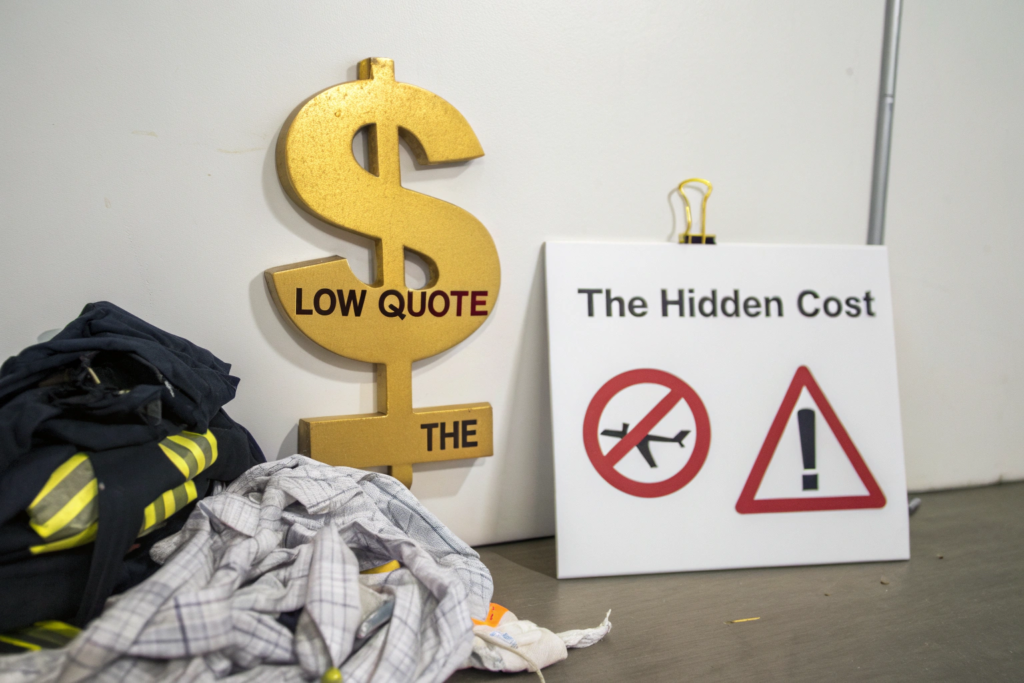
This is the cardinal sin of sourcing. The allure of a quote that is 20% lower than all others is powerful. However, in manufacturing, you almost always get what you pay for. That low price is achieved by cutting corners somewhere: cheaper (and potentially non-compliant) fabric, less skilled labor, rushed production leading to quality defects, or the supplier being a trading company that will subcontract your order to an unknown factory with zero oversight.
The true cost is the Total Landed Cost. This includes the unit price PLUS:
- Quality Failure Costs: Rejects, repairs, customer returns.
- Compliance Failure Costs: Shipments held at customs, fines, recalls.
- Logistics Surprises: Hidden fees, last-minute air freight to meet a deadline you didn't know was missed.
- Opportunity Cost: Lost sales from delayed or defective goods.
A supplier with a slightly higher upfront price but a proven track record of quality, on-time delivery, and transparency will save you money and immense stress in the long run. Their price reflects the systems and expertise that protect your investment.
How Can You Identify a Reliable Factory vs. a Risky Trader?
Many buyers on Alibaba unknowingly communicate with middlemen. Red flags include:
- Refusal to do a live video factory tour of the specific workshop where your order would be made.
- Vague answers about their production capacity, machinery, or in-house QC team.
- An ability to produce "anything and everything" (true specialists focus, like us on knit and baby wear).
- Lack of company-specific, verifiable certifications (they show generic ones).
Always request a video call and ask to see the factory floor, the QC area, and examples of previous work similar to yours. Verify business licenses and check references from their long-term Western clients.
What Does a "Fair" Price Actually Include?
A professional factory's quote should be clear and detailed. It should break down costs per unit, including fabric, labor, trims, and packaging. It should specify the Incoterms (e.g., FOB Shanghai or DDP USA) so you know exactly what's included. Ask for explanations if a price seems too good to be true. A trustworthy partner will be transparent about their costing and explain how they achieve efficiency without compromising your non-negotiables.
2. How Do Vague Tech Packs and Skipped Prototypes Guarantee Failure?
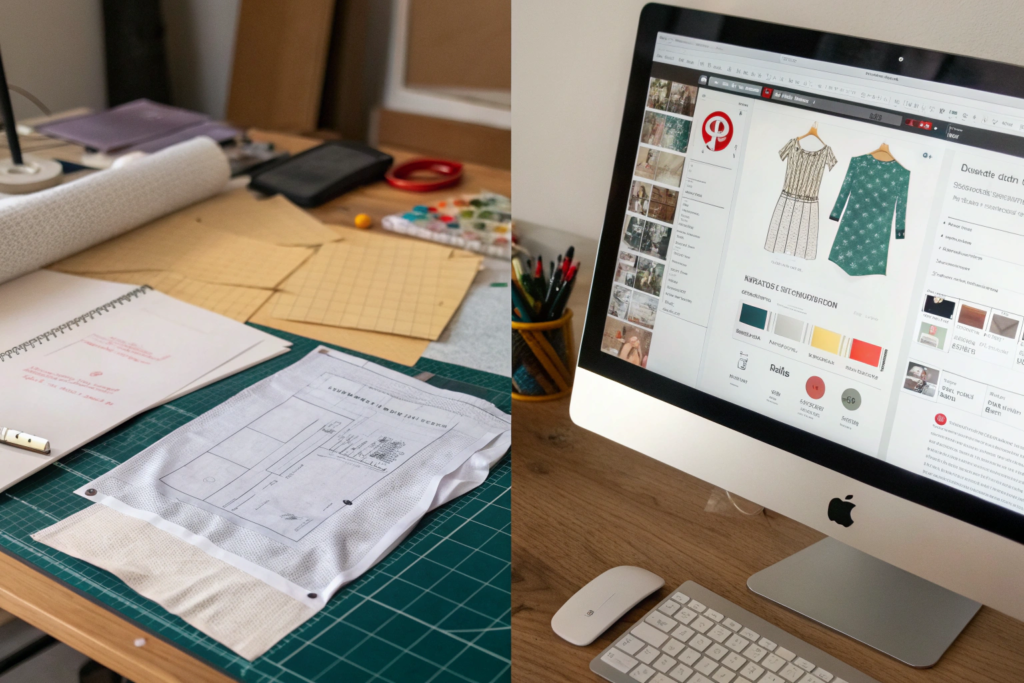
Your tech pack is the blueprint. A manufacturer is not a mind reader. Providing inspirational photos from Pinterest or a rough sketch with notes like "make it cute" is an invitation for misinterpretation. The factory will make assumptions to fill in the blanks, and those assumptions will rarely align with your vision.
A comprehensive tech pack must include:
- Flat Technical Sketches: With precise point-of-measurement (POM) specs for every dimension (chest, length, sleeve, etc.), including tolerance (e.g., +/- 0.5cm).
- Detailed Bill of Materials (BOM): Specifying exact fabric composition, weight (GSM), and required certifications (e.g., OEKO-TEX® 100). Listing every button, zipper, drawcord, and label with color, size, and material.
- Construction Details: Close-up callouts of special seams, stitch types (SPI), and placement of logos/prints.
- Color Standards: Pantone codes or lab-dipped fabric swatches for exact color matching.
- Safety & Compliance Checklist: Explicitly stating the required standards (e.g., CPSIA, EN 14682).
Skipping the prototyping stage is the partner mistake to a bad tech pack. The prototype (or sample) is your only chance to see and feel the physical interpretation of your tech pack before committing thousands of dollars and months of time to bulk production.
What Should You Test in a Prototype?
Don't just look at it. Wear-test and wash-test the prototype. Have a child of the target size try it on for fit and comfort. Wash it according to care instructions and check for shrinkage, color bleeding, and seam integrity. This is the stage to catch a neck opening that's too tight, a fabric that's too stiff, or a print that cracks. Provide detailed, specific feedback on the sample ("increase sleeve length by 2cm," "use a softer version of this elastic"). Approving a sample with comments like "looks good" means you are accepting all its flaws for bulk production.
How Many Sample Rounds Are Typical?
Expect at least two rounds: a prototype sample (to check design, fit, and feel) and a pre-production sample (PP sample) made from the actual bulk production fabrics and trims. The PP sample is the golden standard you approve before the factory cuts the bulk fabric. Never authorize production without an approved PP sample that you are 100% satisfied with.
3. Why is Ignoring Safety and Compliance Your Biggest Legal Risk?
For children's wear, this isn't just a quality issue; it's a legal and moral imperative. Assuming your factory "knows the rules" or accepting vague promises of compliance is a recipe for disaster. Your brand is legally liable for the safety of the products you sell.
Common compliance oversights include:
- Falsified or Generic Certificates: Accepting a certificate that isn't for the specific fabric lot or garment style you are purchasing.
- Ignoring Market-Specific Rules: The US (CPSIA), EU (EN 14682, REACH), and other regions have different rules for flammability, chemicals (lead, phthalates), and physical hazards (drawstrings, small parts).
- Designing Unsafe Garments: Creating hoodies with drawstrings for young children, using decorative elements that are choking hazards, or specifying non-compliant dyes or finishes.
A shipment can be detained, destroyed, or recalled at your expense. Worse, an injured child can lead to lawsuits and irreparable brand damage. Compliance must be designed in from the start and verified with documentation.

How to Verify Compliance Authentically?
- Specify in the Tech Pack: List every required standard and test.
- Request Test Reports: Ask for the original, issued test reports from accredited third-party labs (e.g., SGS, Intertek, Bureau Veritas) for the specific materials and final product. Verify the report numbers online if possible.
- Conduct Independent Testing: For high-volume or high-risk items, hire your own third-party inspector to test random units from the production batch before shipment.
- Partner with an Expert Factory: Work with a manufacturer who has a dedicated compliance officer and a system for tracking material certifications. They should proactively ask you about your target market's rules.
What About Social Compliance and Ethical Audits?
Modern brands are also judged on the ethical conditions of their production. Factories that exploit labor will inevitably face disruptions, quality issues, and reputational fallout that impacts you. Inquire about the factory's policy on working hours, wages, and environment. Certifications like BSCI or SMETA audit reports can provide assurance. A responsible partner is transparent about their social compliance.
4. How Do Poor Communication and Unrealistic Planning Derail Everything?
Sourcing from across the world magnifies communication challenges. Relying on sporadic emails with 12-hour time zone delays, using unclear language, and not having a single point of contact creates a breeding ground for errors.
Establish a clear communication protocol from day one:
- Dedicated Contact: Have one Project Manager on the factory side and one decision-maker on your side.
- Centralized Platform: Use a shared cloud folder (Google Drive, Dropbox) for all files (tech packs, comments, photos) and consider project management tools (Trello, Asana) to track milestones.
- Scheduled Updates: Agree on a regular update schedule (e.g., weekly production report with photos) rather than you having to chase for information.
- Visual Communication: Use annotated photos and videos to clarify issues. A picture with a circle around a problem is worth a thousand emails.
Unrealistic planning is the final, self-inflicted wound. Factories work on schedules. The lead time they give includes raw material sourcing, production, quality checks, and shipping. Compressing that timeline by demanding "urgent" production often leads to mistakes, quality shortcuts, and ultimately, more delays. Furthermore, failing to account for ocean freight times (4-6 weeks), port congestion, and customs clearance will cause you to miss your selling season.

How to Build a Realistic Production Timeline?
Work backwards from your must-arrive-by date at your warehouse:
- Subtract Ocean freight & customs clearance time (add buffer).
- Subtract Production time (confirmed by factory).
- Subtract Sample development and approval time.
- Subtract Fabric and trim sourcing time.
The date you arrive at is when you need to have your final, approved tech pack and deposit ready. This process highlights why starting 6-9 months before you need the goods is standard for seasonal collections.
What is the "Buffer" Principle?
Always build in a time buffer (10-15%) at every stage—sampling, production, shipping. Expect that something will take longer than the ideal estimate. This buffer is your insurance policy against unforeseen events (like a fabric mill delay or a typhoon closing a port). If you don't use the buffer, you get your goods early—a happy surprise. If you need it, it saves your season.
Conclusion
Sourcing kids' wear from China successfully is a discipline that avoids the seductive shortcuts. It requires investing time in finding the right partner, not just the cheapest one. It demands the diligence to create crystal-clear technical documents and the patience to perfect prototypes. It hinges on a non-negotiable commitment to safety compliance, and it thrives on structured communication and realistic planning.
By understanding and avoiding these common mistakes, you shift the odds dramatically in your favor. You transform sourcing from a high-risk gamble into a strategic, reliable pillar of your business growth. The goal is not just to get products made, but to build a supply chain partnership that delivers quality, safety, and value, season after season.
Ready to build a sourcing strategy that avoids these pitfalls from the start? Partner with a manufacturer committed to transparency and process. Contact our Business Director, Elaine, at elaine@fumaoclothing.com to discuss how Shanghai Fumao's systematic approach can ensure your next kids' wear order is a success, not a lesson learned the hard way.