
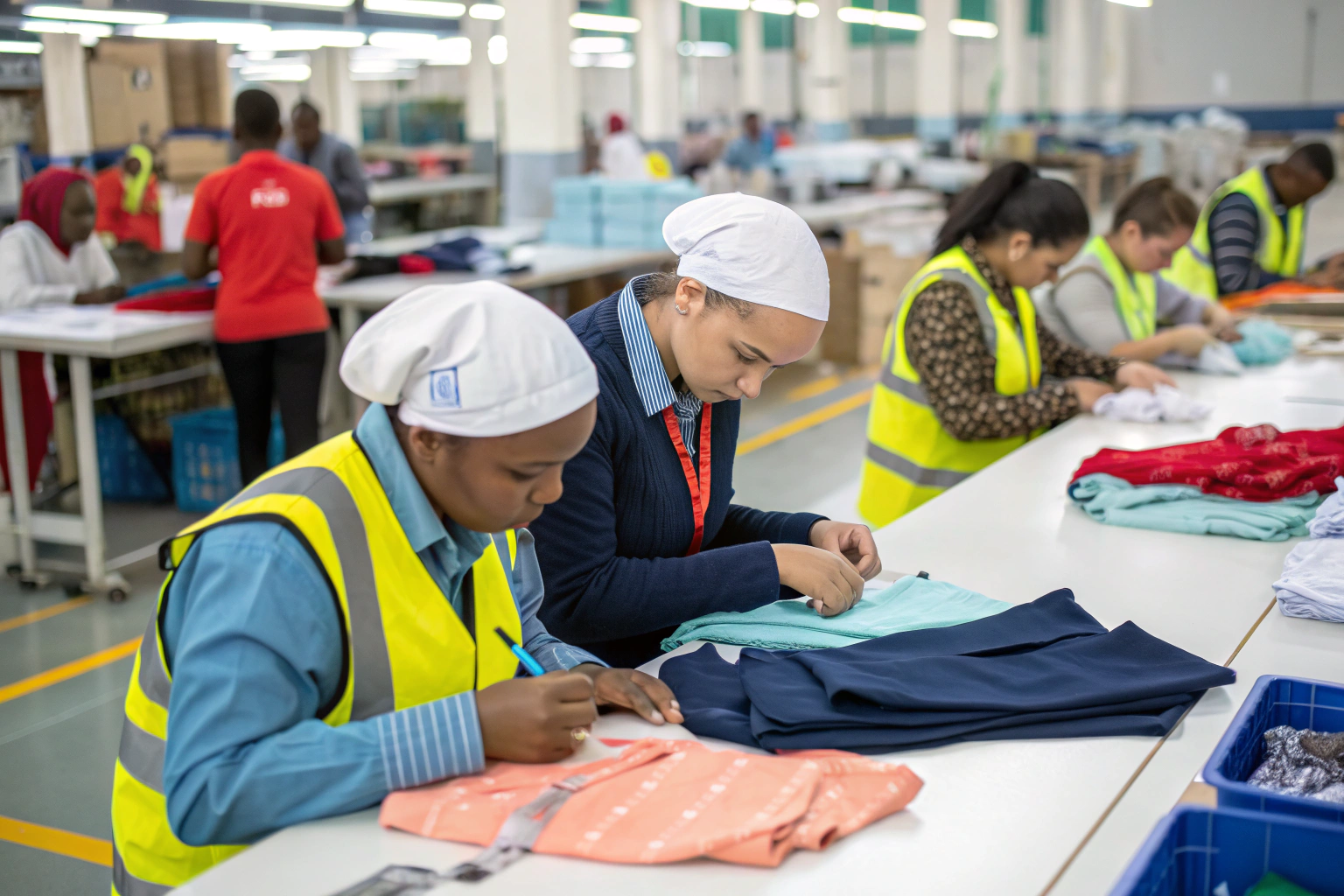
Navigating children's clothing production presents unique challenges that differ significantly from adult apparel manufacturing. As specialists in kids wear production, we've identified recurring mistakes that undermine quality, increase costs, and damage brand reputation when left unaddressed.
The most common mistakes in kids wear manufacturing include improper size grading, inadequate safety testing, poor fabric selection for intended use, inconsistent quality control, and miscommunication between design and production teams. These errors often stem from applying adult apparel manufacturing approaches to children's clothing without recognizing the specialized requirements for fit, safety, durability, and functionality that young wearers demand. Understanding these common pitfalls helps brands avoid costly rework, returns, and potential safety issues.
How Do Sizing and Grading Errors Impact Fit and Returns?
Inaccurate size grading represents one of the most frequent and costly mistakes in kids wear manufacturing, leading to high return rates and customer dissatisfaction.
Children's bodies grow proportionally differently than simple size scaling would suggest, making proper grading crucial for achieving consistent fit across sizes. Many manufacturers apply adult grading rules to children's patterns or use inconsistent grade rules between different garment types, resulting in fit issues that become apparent only when customers receive products.
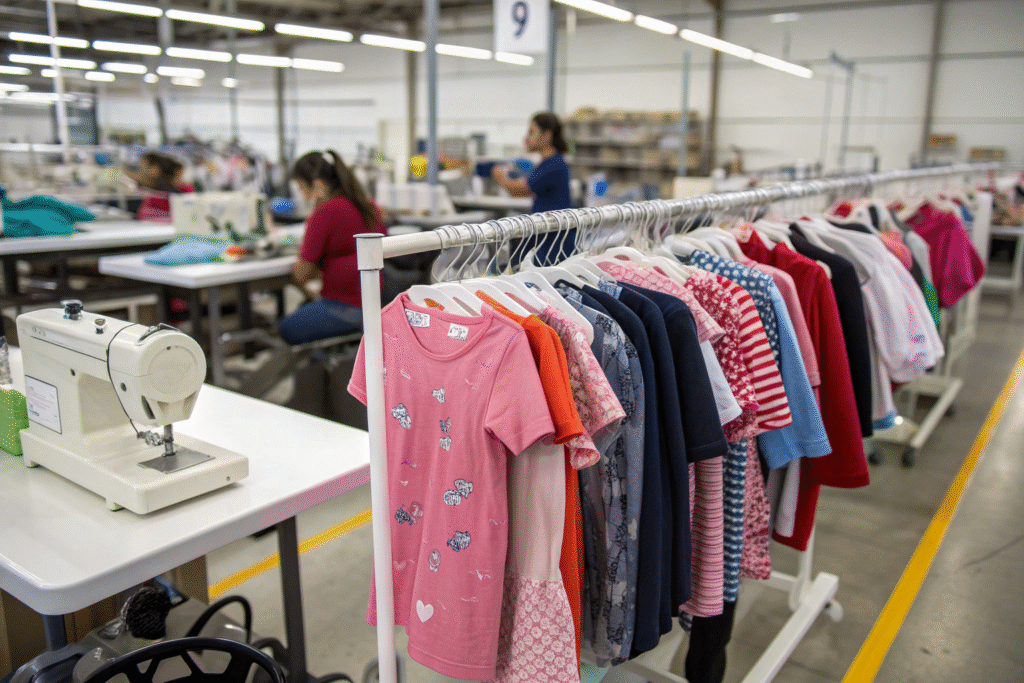
Why Is Proportional Grading Critical for Children's Wear?
Children's bodies don't simply scale up uniformly between sizes—their proportions change significantly during growth. A 2-year-old has different body proportions than an 8-year-old beyond just being smaller. According to ASTM sizing standards, proper children's wear grading must account for these changing proportions across key measurement points including chest, waist, hip, and limb lengths. Manufacturers who use simple percentage increases between sizes rather than specialized children's grade rules typically experience 25-40% higher return rates due to fit issues. The most successful brands develop or source specialized grade rules based on anthropometric data specific to their target age range.
How Do Inconsistent Size Standards Create Confusion?
Using different size standards across product categories or production runs creates customer confusion and erodes trust in a brand's sizing. A customer who purchases a size 4 tee that fits perfectly may receive a size 4 dress from the same brand that fits completely differently if different grading rules or base patterns were used. The American Apparel & Footwear Association's sizing guidelines emphasize consistency as crucial for building customer confidence in sizing. Brands that maintain consistent sizing across collections and seasons typically achieve 15-20% lower return rates and higher customer satisfaction scores, as parents can confidently order the correct size without guessing.
What Safety Oversights Create Compliance Risks and Hazards?
Safety considerations in children's wear extend beyond basic product safety to include specific regulations that vary by market and age group, making compliance a complex area where mistakes frequently occur.
Children's clothing must meet stringent safety standards regarding flammability, chemical content, and physical hazards like drawstrings or small parts. Manufacturers unfamiliar with these specialized requirements often produce clothing that fails compliance testing or, worse, reaches market with unrecognized safety risks.

How Do Drawstring and Trims Regulations Cause Compliance Issues?
Drawstrings in certain locations on children's upper outerwear represent one of the most common compliance failures, with specific restrictions varying by country and child age. The U.S. Consumer Product Safety Commission maintains specific guidelines prohibiting drawstrings at the hood and neck area in sizes 2T-12, while other markets have different requirements. Similarly, small decorative elements like sequins, beads, or appliqués must be securely attached to prevent choking hazards. Manufacturers who don't maintain current knowledge of these evolving regulations risk producing non-compliant merchandise that may be recalled or rejected at import.
What Chemical Compliance Mistakes Occur Most Frequently?
Failure to properly test for and document compliance with chemical restrictions like phthalates, lead, and formaldehyde represents another common manufacturing oversight. Regulations such as CPSIA in the U.S. and REACH in Europe establish strict limits on hazardous substances in children's products. Manufacturers who assume fabric compliance without verifying finishing treatments, dyes, or prints often discover violations during第三方 testing or, worse, after products reach consumers. Proper documentation through programs like Oeko-Tex certification provides verification that helps prevent these compliance failures.
How Does Fabric Selection Impact Performance and Durability?
Choosing inappropriate fabrics for children's wear represents a fundamental manufacturing mistake that affects comfort, performance, and product lifespan despite otherwise good construction.
Children's clothing fabrics must balance durability, comfort, care requirements, and safety in ways that adult clothing typically doesn't require. Manufacturers often select fabrics based on cost or appearance without sufficient consideration of how they will perform during children's active use and frequent laundering.

Why Is Durability Testing Often Overlooked?
Fabrics that appear suitable in hand feel or visual inspection may lack the durability needed for children's active wear and frequent washing. Without proper testing for pilling resistance, colorfastness, tear strength, and shrinkage, manufacturers may select fabrics that deteriorate quickly in use. According to the International Association of Clothing Designers, comprehensive fabric testing should include Martindale rub tests for abrasion resistance, multiple wash cycles for shrinkage and color retention, and seam slippage tests. Manufacturers who skip these tests often discover fabric performance issues only after customers report premature wear, resulting in returns and damage to brand reputation.
How Does Fabric-Construction Mismatch Affect Quality?
Even high-quality fabrics can perform poorly if paired with inappropriate construction techniques. Heavyweight wovens may require different seam types than lightweight knits, while stretch fabrics need stitching that maintains elasticity. The Textile Institute's performance guidelines emphasize that fabric and construction must be matched for optimal performance. Common mistakes include using straight stitches on stretch fabrics (causing popped seams), inappropriate thread weights that compromise seam strength, or seam types that create discomfort against children's sensitive skin. These mismatches often result in garment failure despite individually good components.
What Quality Control Gaps Allow Defects to Reach Customers?
Inconsistent or inadequate quality control processes represent some of the most costly manufacturing mistakes, allowing defective products to reach customers and damaging brand reputation.
Quality control in children's wear requires specialized checkpoints beyond standard apparel inspection, with particular attention to safety, durability, and consistency across multiple size runs. Manufacturers who apply generic quality standards without child-specific considerations often miss critical defects.

Why Are In-Process Inspections Often Underutilized?
Relying solely on final inspection rather than implementing comprehensive in-process quality control represents a common mistake that allows defects to multiply through production stages. Checking after cutting, during sewing, and before finishing catches issues when they're easier and less expensive to correct. The American Society for Quality's apparel guidelines note that in-process inspection typically identifies 80% of defects before final assembly, compared to 40% with final inspection alone. For children's wear, specialized in-process checks might include verifying secure attachment of trims, checking reinforced stitching in high-stress areas, and ensuring consistent sizing during cutting and assembly.
How Does Inconsistent Inspection Standardization Cause Problems?
Varying interpretation of quality standards between inspectors or across production runs leads to inconsistent outcomes that frustrate customers. Without clear, documented acceptance criteria for common defects like stitching inconsistencies, shade variations, or measurement tolerances, different inspectors may make different judgments about the same issues. Research from the Quality Assurance in Apparel Manufacturing indicates that standardized inspection protocols reduce defect escape rates by 35-50% compared to subjective assessment. The most successful manufacturers provide detailed visual standards, measurement tolerances, and defect classification systems that ensure consistent quality decisions.
How Does Communication Breakdown Affect Manufacturing Outcomes?
Miscommunication between design, merchandising, and production teams represents a fundamental mistake that manifests in countless quality and execution problems throughout manufacturing.
The transition from design concept to manufacturable product requires clear, precise communication of specifications, expectations, and constraints. Ambiguity in tech packs, unclear feedback during sampling, or assumptions rather than explicit instructions often result in products that don't match design intent or can't be produced consistently.

What Tech Pack Inadequacies Cause Manufacturing Errors?
Incomplete or ambiguous technical packages represent one of the most common communication failures in children's wear manufacturing. Missing construction details, unspecified tolerances, or unclear material requirements force manufacturers to make assumptions that may not align with designer intent. According to the Fashion Technical Design Association, comprehensive tech packs should include detailed graded specs, construction callouts, material specifications with performance requirements, and clear visual references. Manufacturers receiving incomplete tech packs typically experience 30% higher sampling cycles and more production errors as they attempt to interpret missing information.
How Does Sampling Miscommunication Inflate Development Costs?
Inefficient sampling processes caused by unclear feedback or changing requirements significantly increase development time and cost. Vague comments like "make it better" or "fix the fit" without specific direction force manufacturers to guess at solutions, often requiring multiple sampling rounds to achieve desired results. The Design and Production Management Institute notes that clear, specific sampling feedback reduces development cycles by 40% and sampling costs by 25%. Establishing structured feedback systems with standardized terminology, visual annotations, and prioritized revision requests dramatically improves sampling efficiency and final product quality.
Conclusion
Avoiding common mistakes in kids wear manufacturing requires specialized knowledge of children's unique requirements for fit, safety, durability, and functionality. From proper size grading and rigorous safety compliance to appropriate fabric selection, comprehensive quality control, and clear communication, successful manufacturing demands child-specific approaches rather than simplified versions of adult apparel processes. Brands that partner with manufacturers possessing this specialized expertise typically achieve higher quality outcomes with fewer costly errors.
The most successful kids wear brands recognize that children's clothing represents a specialized category requiring particular manufacturing competencies beyond general apparel production. If you're developing children's wear and want to avoid these common manufacturing mistakes with partners who understand the unique requirements of kids clothing production, contact our Business Director, Elaine, at elaine@fumaoclothing.com. Let's discuss how we can help you navigate these potential pitfalls while delivering the quality, safety, and consistency that children and their parents deserve.