Designing children's clothing presents unique challenges that differ significantly from adult fashion, yet many brands approach both with similar design philosophies. Having manufactured children's wear for American and European markets for decades, I've identified recurring design mistakes that undermine both commercial success and wearer satisfaction. Understanding these common errors can dramatically improve your collection's performance while enhancing safety and comfort.
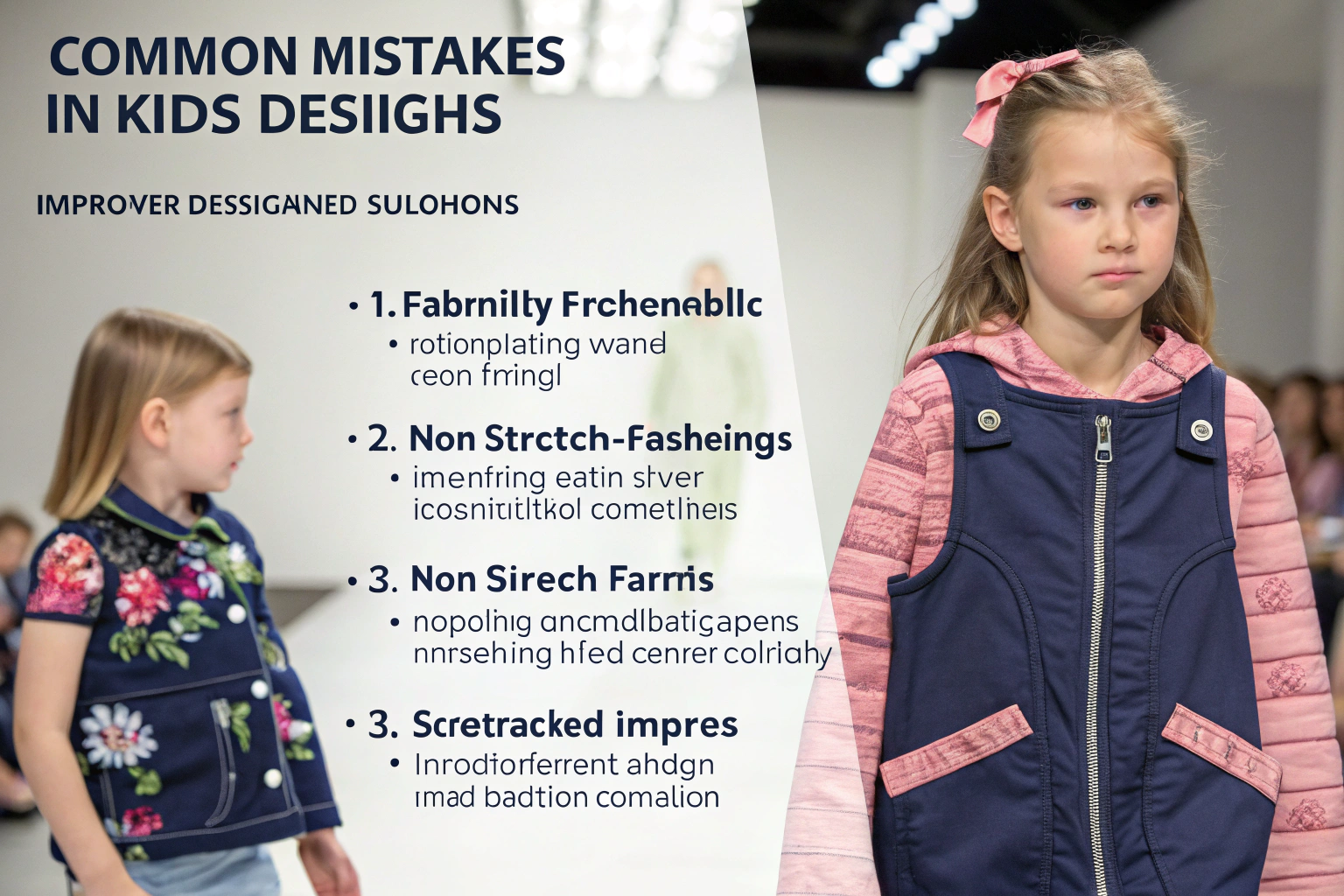
The most common mistakes in kids clothing design include prioritizing aesthetics over functionality, ignoring developmental needs, compromising safety for style, using inappropriate materials, and neglecting practical parent concerns. These errors often stem from designing from an adult perspective rather than understanding children's physical needs, movement patterns, and the practical realities of parenting.
Even experienced designers transitioning from adult wear frequently underestimate how children's clothing must accommodate growth, activity, and developmental stages while addressing parent priorities like durability, ease of care, and safety.
How Does Functionality Often Get Overlooked for Aesthetics?
Many children's clothing designs prioritize visual appeal over practical functionality, creating garments that look beautiful in photographs but fail in real-world use by active children and busy parents.
The most common functionality mistakes involve complicated fastening systems, difficult dressing processes, and designs that restrict natural movement—all issues that become apparent during actual use rather than during design conception.

Why Do Complicated Fastenings Create Problems?
Designs featuring numerous small buttons, difficult zippers, or elaborate tying systems create frustration for both children learning self-dressing skills and parents managing multiple children. These elements often photograph beautifully but prove impractical during rushed morning routines or bathroom emergencies. The American Occupational Therapy Association emphasizes that clothing fastenings should support rather than hinder developing motor skills, recommending simple closures that children can manage independently as they grow.
How Does Movement Restriction Affect Wearability?
Designs that limit natural movement through tight armholes, insufficient crotch ease, or restrictive silhouettes inevitably end up discarded in favor of more comfortable options. Children constantly test their physical boundaries through running, climbing, stretching, and rolling—activities that require clothing accommodating full range of motion. Our wear testing protocols specifically evaluate garment mobility across these activities, ensuring designs support rather than inhibit childhood movement patterns.
Why Are Developmental Stages Frequently Ignored?
Children's physical proportions, motor skills, and cognitive abilities change rapidly, yet many designs fail to account for these developmental differences across age groups.
The most successful children's wear designers understand how body proportions, coordination, and self-dressing capabilities evolve from infancy through elementary school, creating age-appropriate designs for each stage.
How Do Proportion Mistakes Affect Fit?
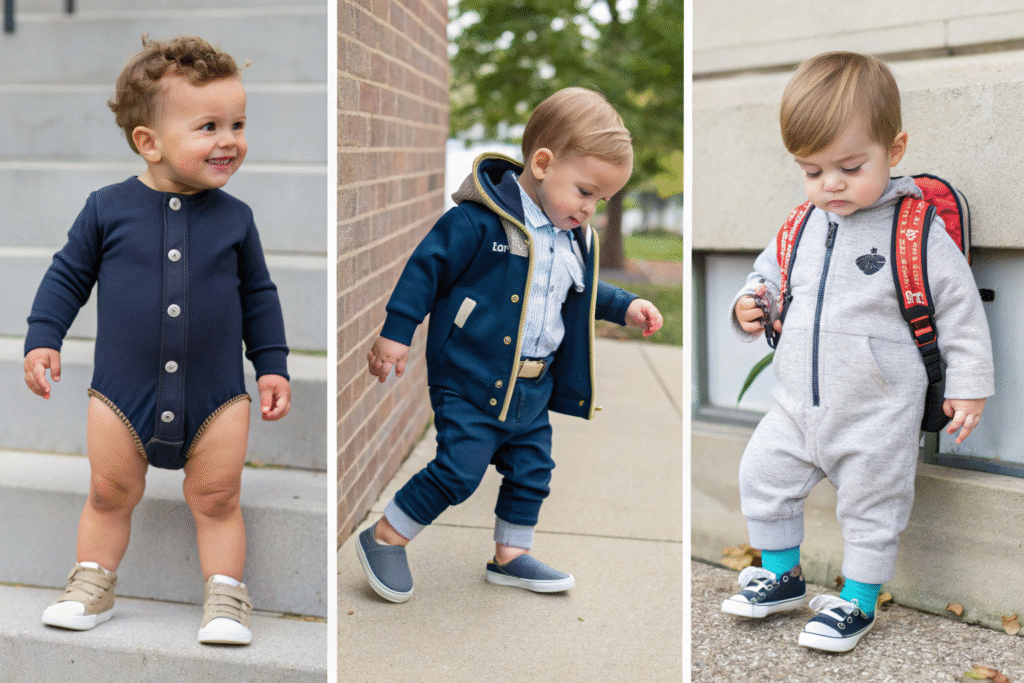
Simply scaling down adult patterns creates fitting disasters because children's proportions differ dramatically from adults'. Young children have larger heads relative to body size, shorter necks, different waist-to-hip ratios, and evolving posture that requires specific pattern adjustments. Our technical designers use age-specific block patterns developed through anthropometric research on thousands of children, ensuring proportions accommodate actual child bodies rather than miniature adult forms.
Why Are Self-Dressing Capabilities Often Overlooked?
Designs that don't support developing independence create daily frustration for both children and parents. Simple considerations like front/back identification, manageable fastenings, and stretch neck openings support children's natural desire for autonomy while reducing parental workload. The Child Development Institute identifies clothing that supports self-dressing as crucial for building confidence and independence in young children.
How Does Safety Compromise Occur in Pursuit of Style?
Design elements that create safety hazards represent some of the most concerning mistakes in children's wear design, particularly when style considerations override established safety guidelines.
Safety compromises often occur through decorative elements, construction choices, or fabric selections that prioritize appearance over well-established safety standards for children's products.
What Decorative Elements Create Hazards?
Loose embellishments, long ties, choking hazard components, and flammable materials represent common safety oversights that can have serious consequences. Designers unfamiliar with children's product safety regulations may incorporate decorative elements that violate safety standards or create unrecognized hazards. Our quality assurance team maintains updated safety guidelines that all designs must pass before proceeding to production, preventing these potentially dangerous mistakes.
How Do Construction Choices Impact Safety?
Seam failures, weak fastenings, and rough interior finishes can create safety issues through garment failure or skin irritation. Areas requiring special attention include secure attachment of buttons and snaps, reinforced stress points, and smooth interior finishes that prevent chafing. Our manufacturing protocols include specific safety construction standards that exceed basic requirements, particularly for young children who are most vulnerable to these issues.
Why Are Material Selection Errors So Common?
Fabric choices significantly impact comfort, durability, and safety, yet many designers select materials based primarily on appearance rather than performance characteristics appropriate for children's wear.
Common material mistakes include prioritizing visual qualities over comfort, selecting fabrics that can't withstand children's activities, and choosing materials that require impractical care routines.
How Does Comfort Get Compromised in Fabric Selection?
Designers often select fabrics that look appealing but feel uncomfortable against sensitive skin or don't accommodate movement. Stiff fabrics, rough textures, non-breathable materials, and poor stretch recovery create discomfort that children quickly reject. Our fabric library emphasizes skin-friendly materials tested for comfort and safety, particularly important for children with sensitivities or skin conditions.
Why Do Care Requirements Often Get Overlooked?
Materials requiring special washing, ironing, or drying procedures create impractical burdens for parents managing multiple children and limited time. Designs featuring dry-clean-only fabrics, high-maintenance materials, or components with different care requirements inevitably see reduced wear despite their visual appeal. The most successful children's wear collections prioritize easy-care fabrics that withstand frequent washing and require minimal maintenance.
Conclusion
Avoiding common children's wear design mistakes requires shifting perspective from purely aesthetic considerations to understanding children's physical needs, developmental stages, and the practical realities of parenting. The most successful designs balance visual appeal with functionality, safety, comfort, and practical maintenance—creating clothing that children love to wear and parents appreciate for its sensible design.
At Shanghai Fumao Clothing, we've developed design review processes that specifically identify and correct these common mistakes before production, drawing on our decades of experience manufacturing children's wear for discerning American and European markets. If you're looking to refine your children's wear designs to avoid these common errors, contact our Business Director Elaine at elaine@fumaoclothing.com to discuss how our design and manufacturing expertise can enhance your collection's commercial success and wearer satisfaction.