
Identifying and preventing common production defects is crucial for maintaining quality standards in children's clothing manufacturing. As a manufacturer with decades of experience, we've systematically addressed these recurring issues through rigorous quality control processes and continuous improvement initiatives.
The most common defects in kids clothing production include stitching inconsistencies, fabric flaws, color bleeding or fading, sizing inaccuracies, and safety hazards like loose trims or improper fastenings. These defects not only affect appearance and durability but can pose serious safety risks for children. Understanding these common issues helps brands implement effective quality control measures and work with manufacturers who prioritize defect prevention from the initial production stages.
What Stitching and Construction Defects Occur Most Frequently?
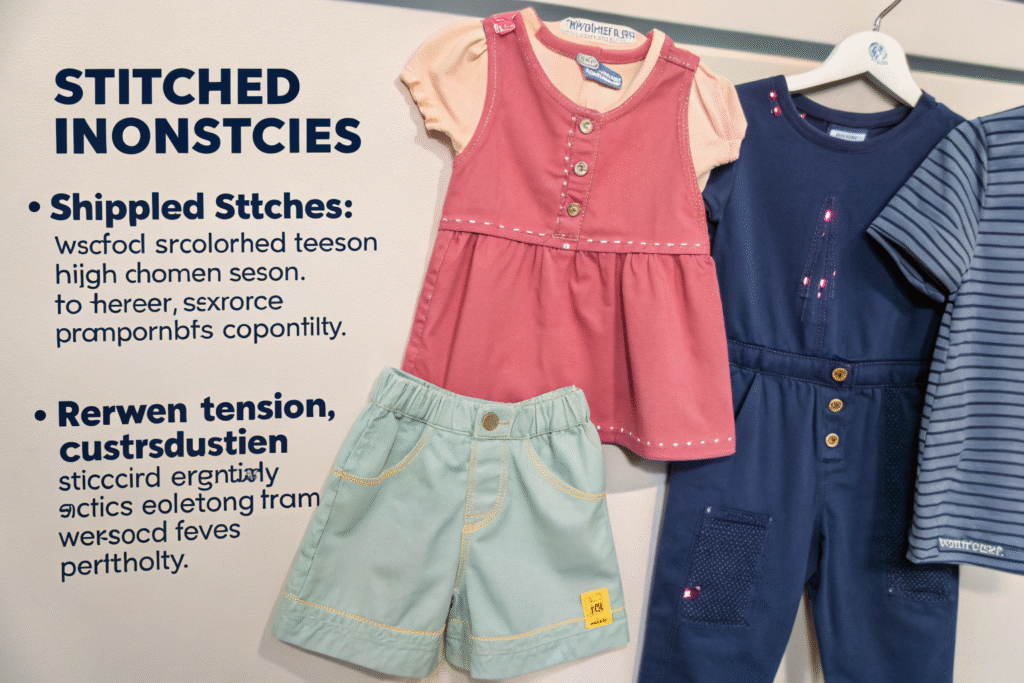
Stitching inconsistencies represent one of the most common defect categories in children's clothing production. These issues range from cosmetic concerns to structural weaknesses that compromise garment integrity and safety.
The most prevalent stitching defects include skipped stitches, uneven stitch tension, broken stitches, and improper seam construction. These problems often stem from machine calibration issues, operator error, or inappropriate thread selection for the specific fabric type. In children's wear, reinforced stitching in high-stress areas like crotches and armholes is particularly important, as these areas experience the most strain during active play and frequent dressing.
Why Do Skipped and Broken Stitches Compromise Quality?
Skipped stitches occur when the sewing machine fails to form complete stitches, creating weak points in seams that can unravel during washing or wear. Broken stitches often result from improper thread tension, poor thread quality, or excessive stress on seams during manufacturing. According to ASTM standards for sewn product construction, consistent stitch formation is critical for garment durability. For children's clothing, where active use and frequent washing are expected, compromised stitching can lead to premature garment failure, creating potential safety hazards from exposed seams or detached components.
How Does Improper Seam Construction Affect Garment Performance?
Different fabrics and garment areas require specific seam types for optimal performance and comfort. Using the wrong seam type can cause discomfort, reduced durability, or aesthetic issues. Flatlock seams are ideal for areas contacting skin to prevent chafing, while safety stitches provide reinforcement for high-stress areas. The American Apparel and Footwear Association provides guidelines on appropriate seam selection for various applications. In children's wear, improper seam construction can lead to irritation during movement and reduced garment lifespan, making correct seam specification crucial during tech pack development.
What Fabric and Material Defects Impact Children's Clothing?
Fabric-related defects can originate from textile manufacturing or occur during garment production. These issues affect appearance, comfort, and performance, making early detection essential.
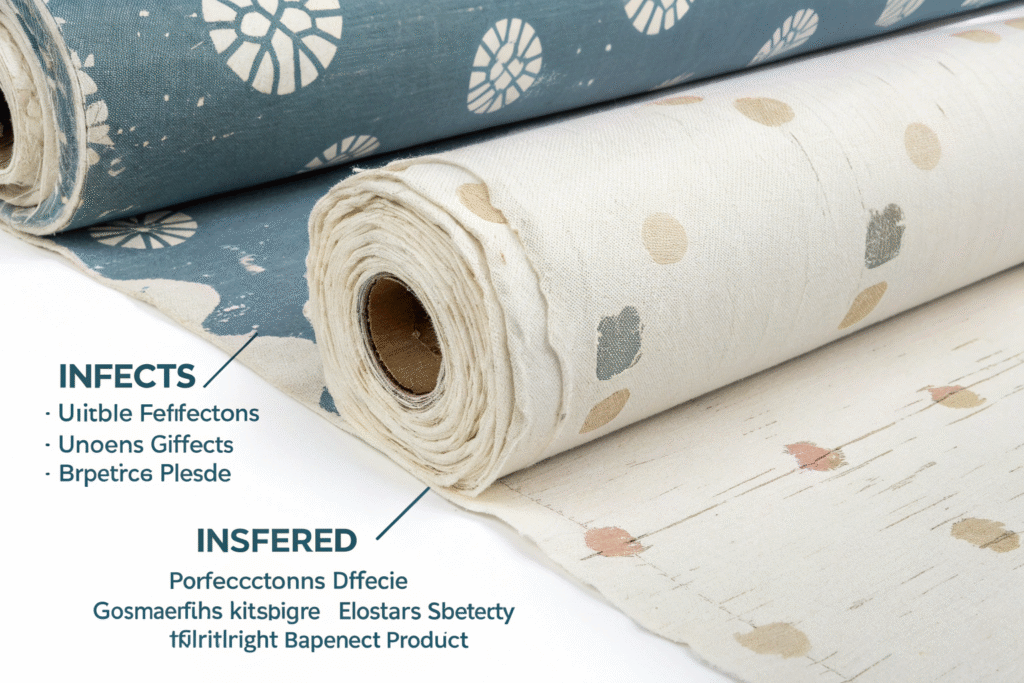
Common fabric defects include shading variations within the same dye lot, barre effects from uneven yarns, holes or snags, and inconsistent printing or dyeing. For children's clothing, additional concerns include improper fabric weight for the intended use, insufficient colorfastness, and inadequate stretch recovery. These defects often become apparent only after cutting or during finishing processes, making fabric inspection before cutting crucial for defect prevention.
How Do Color and Dye Defects Affect Product Quality?
Color-related issues represent some of the most noticeable defects in finished garments. Shading variations between different pieces of the same garment or between separate components create obvious quality issues. Color bleeding during washing, particularly in multi-colored garments, can ruin a piece completely. The American Association of Textile Chemists and Colorists establishes standards for colorfastness testing to prevent these issues. For children's clothing, where vibrant colors are popular but safety is paramount, ensuring color stability through multiple washes is essential for both appearance and chemical safety.
Why Are Fabric Strength and Performance Crucial for Kids Wear?
Children's clothing undergoes significant stress during play and frequent laundering, making fabric strength and performance critical quality factors. Common defects include excessive pilling, poor tear strength, inadequate stretch recovery, and premature wear. Performance testing for fabric durability should simulate real-world conditions that children's clothing will encounter. Manufacturers should conduct pre-production testing to verify fabrics meet specifications for the intended use, whether for active play, sleepwear, or special occasion wear, each of which has different performance requirements.
What Sizing and Measurement Defects Cause Returns?
Inaccurate sizing represents one of the leading causes of returns in children's clothing. These defects stem from pattern inaccuracies, inconsistent grading, or production variations.
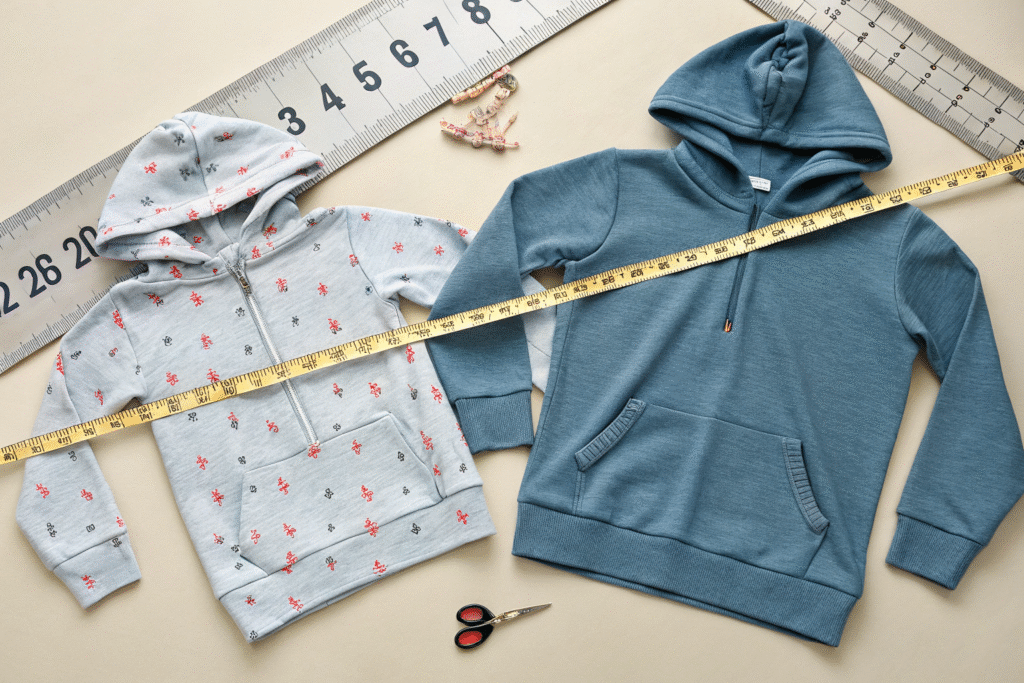
Sizing defects include inconsistent measurements between identical size garments, improper grade rules between sizes, and pattern inaccuracies that create fit issues. For children's clothing, where proper fit affects both comfort and safety, precise sizing is particularly important. Additionally, placement inaccuracies for design elements like pockets, appliqués, or prints can create aesthetic defects even when basic measurements are correct.
How Do Inconsistent Measurements Impact Customer Satisfaction?
When identical size garments from the same production run measure differently, customers receive inconsistent products that undermine brand trust. These variations often result from cutting inaccuracies, fabric distortion during sewing, or inconsistent pressing during finishing. According to the American Society for Testing and Materials, standardized measurement methods help ensure consistency. For children's brands, sizing consistency is particularly important as parents often purchase multiple items in the same size, expecting them to fit similarly. Inconsistent sizing leads to returns, exchanges, and frustrated customers.
Why Are Grade Rule Errors Particularly Problematic in Kids Wear?
Children's bodies grow proportionally differently than simple size scaling would suggest, making accurate grade rules essential for proper fit across sizes. Incorrect grade rules create fit issues that may not be apparent in sample stages but become obvious when full size ranges are produced. The Textile and Apparel Production guidelines emphasize that proper grading maintains design proportions while accommodating anatomical changes between sizes. For children's clothing, where a few centimeters can make the difference between comfortable fit and restriction, precise grading ensures garments fit properly throughout each size range.
What Safety-Related Defects Pose the Greatest Risks?
Safety defects in children's clothing can have serious consequences, making them the most critical category to identify and prevent during production.
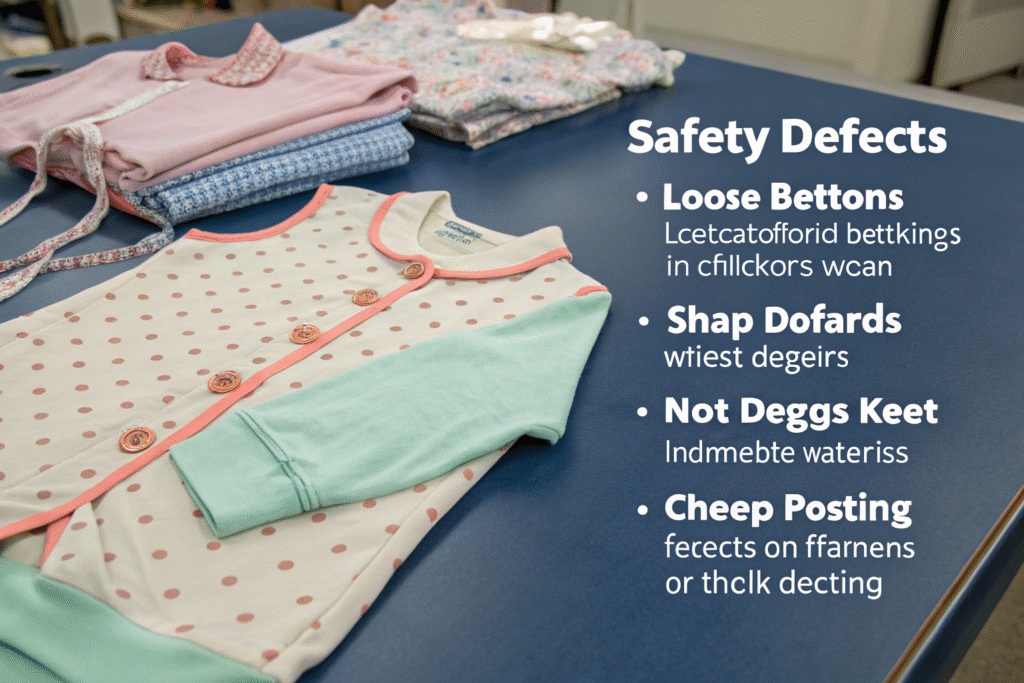
Common safety defects include loose buttons or trims that pose choking hazards, drawstrings that don't meet safety standards, sharp points or edges on fasteners, and flammable materials in sleepwear. Additionally, improper chemical treatments can cause skin irritation or contain restricted substances. These defects require particularly vigilant inspection since they may not affect appearance or initial function but create significant risks during use.
How Do Trim and Fastener Defects Create Hazards?
Small components like buttons, snaps, and decorative elements must be securely attached to prevent detachment during use. According to CPSC guidelines, any small part that can fit through a choke test cylinder poses a potential hazard for children under three years. Additionally, broken fasteners can create sharp edges, and improperly applied heat transfers can peel, creating choking hazards. Rigorous attachment testing during quality control, including pull tests for buttons and snap fasteners, helps identify potential detachment issues before products reach consumers.
Why Are Chemical and Flammability Standards Critical?
Chemical residues from dyes, finishes, or printing processes can cause skin irritation or contain substances restricted by regulations like CPSIA in the US or REACH in Europe. Flammability standards for children's sleepwear require specific testing to ensure fabrics don't ignite easily or burn too rapidly. These invisible defects require specialized testing equipment and certification from accredited laboratories. Reputable manufacturers maintain documentation of compliance testing for all materials and components, providing transparency about safety standards throughout the supply chain.
Conclusion
Understanding common defects in kids clothing production enables brands to implement targeted quality control measures and work proactively with manufacturers to prevent these issues. From stitching inconsistencies and fabric flaws to sizing inaccuracies and safety hazards, each defect category requires specific detection methods and prevention strategies during manufacturing.
The most successful brands partner with manufacturers who have robust quality systems and transparent communication about defect prevention. If you're looking for a manufacturing partner with comprehensive quality control processes and specific expertise in children's wear production, contact our Business Director, Elaine, at elaine@fumaoclothing.com. Let's discuss how we can help you minimize defects and deliver consistently high-quality children's clothing that meets both aesthetic standards and safety requirements.