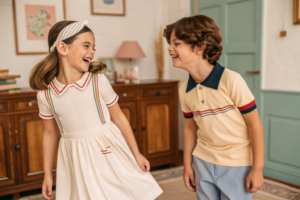
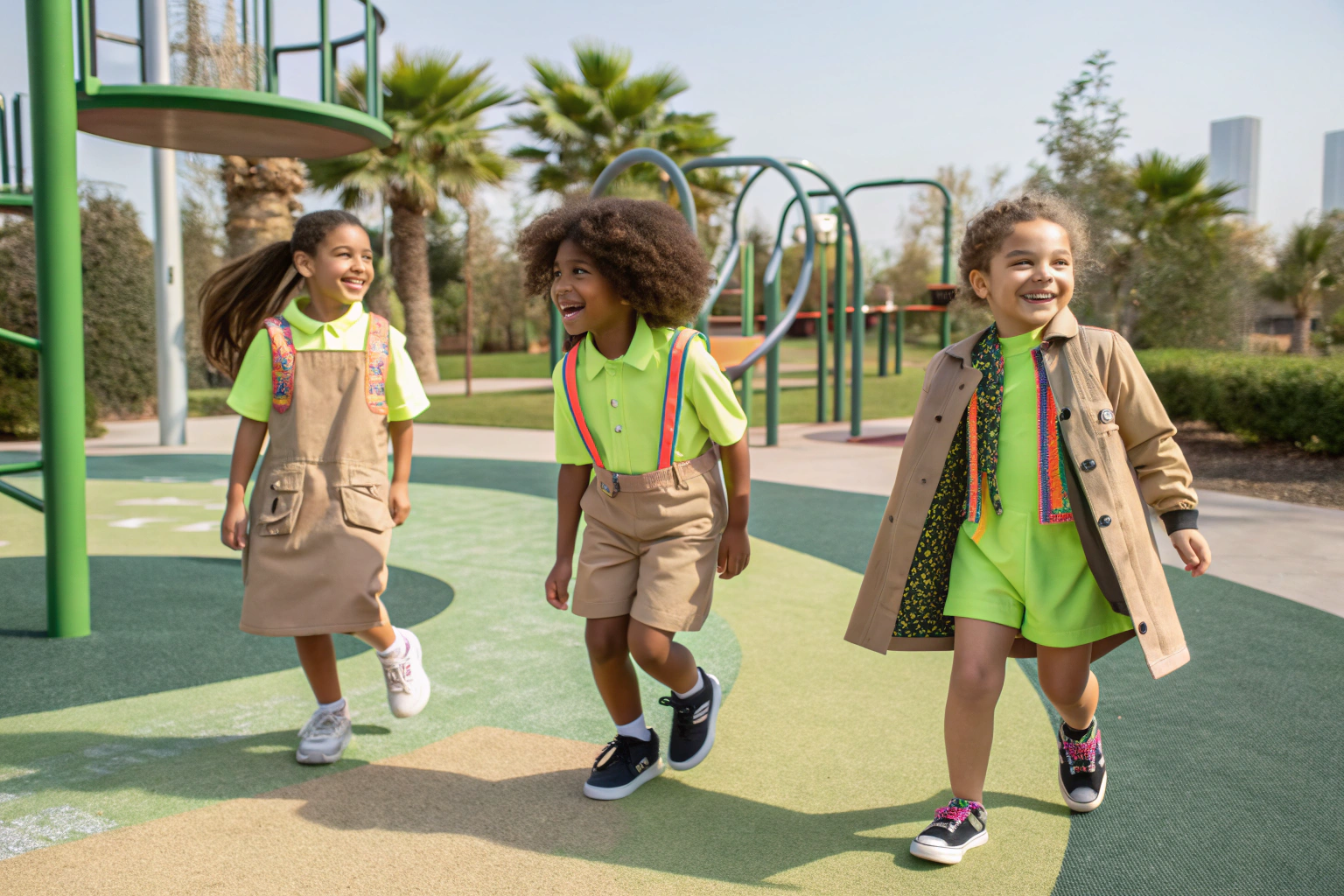
As a children's clothing manufacturer working with major US and European brands, I see the 2026 summer trends taking shape right now. Parents and brands are looking for styles that balance style with sustainability, functionality with fun. The upcoming season moves beyond basic bright colors to more thoughtful, multi-functional designs that both kids and parents will love.
The latest trends in kids clothing for summer 2026 focus on eco-conscious materials, adaptive sizing, and interactive elements. Key directions include moisture-wicking organic fabrics, gender-neutral earth tones with pops of neon, convertible multi-functional designs, and smart textile integrations. These trends reflect growing consumer demand for sustainable, practical, and engaging clothing that grows with children while minimizing environmental impact.
The summer 2026 season represents a significant shift toward smarter, more responsible children's fashion that doesn't compromise on style or functionality.
Why are sustainable fabrics dominating summer 2026 collections?
The push for eco-friendly materials has moved from niche to mainstream, and by summer 2026, sustainable fabrics will be the standard rather than the exception. Brands are responding to consumer demand for transparency and environmental responsibility.
Today's parents actively seek out brands that align with their values, and sustainability ranks high on their priority list. The summer 2026 collections feature advanced eco-fabrics that outperform traditional materials. We're seeing innovations like algae-based dyes, pineapple leaf fibers, and recycled ocean plastics transformed into high-performance summer wear. These materials offer superior breathability, moisture-wicking properties, and UV protection while significantly reducing environmental impact. The Global Organic Textile Standard certification has become a baseline requirement for forward-thinking brands.
What new eco-friendly materials are emerging?
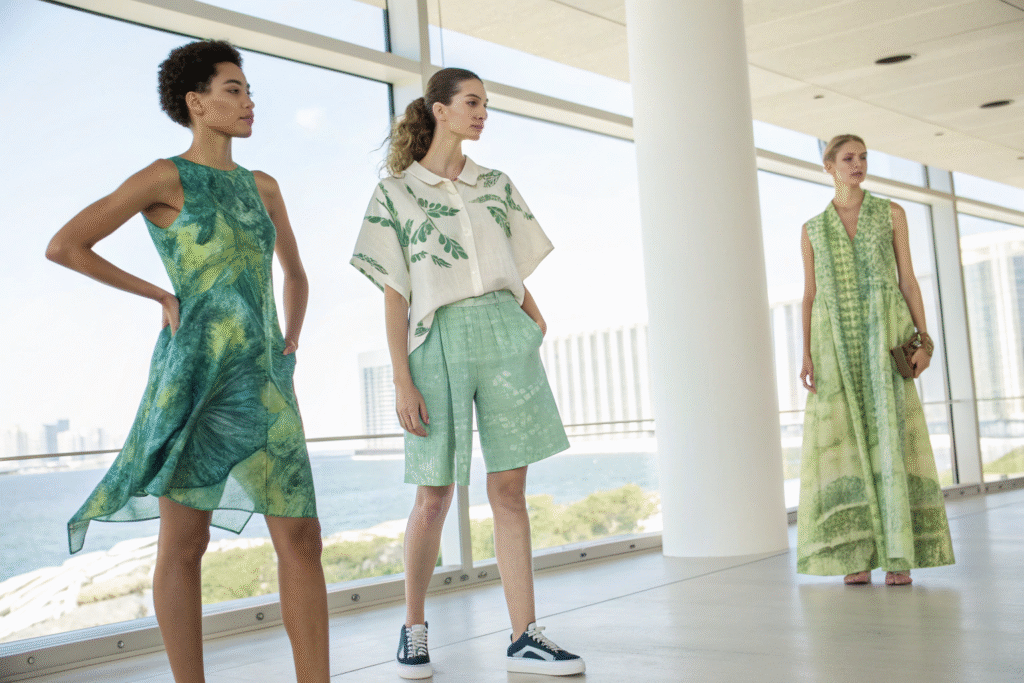
Beyond organic cotton and bamboo, several innovative materials are gaining traction for summer 2026. Recycled PET bottles transformed into soft, breathable polyester for activewear represents one significant advancement. Orange fiber fabric, made from citrus juice byproducts, creates luxurious, biodegradable textiles perfect for special occasion wear. Also emerging is hemp blended with organic cotton for exceptionally durable yet soft everyday play clothes. These materials meet strict OEKO-TEX Standard 100 certifications while offering practical benefits like enhanced breathability, natural antibacterial properties, and improved color retention despite frequent washing and sun exposure.
How do sustainable fabrics enhance summer comfort?
Advanced eco-fabrics provide tangible comfort benefits that make them ideal for hot summer months. Materials like Tencel™ lyocell, derived from sustainably sourced wood pulp, offer exceptional moisture-wicking capabilities, pulling sweat away from the skin more efficiently than conventional cotton. Hemp fabrics provide natural UV protection while allowing up to 20% more air permeability than traditional cotton weaves. These technical advantages mean children stay cooler, drier, and more comfortable during active summer play. The fabrics also maintain these properties through multiple washes, ensuring long-lasting performance throughout the season.
How is technology transforming kids' summer wear?
Smart textiles and functional innovations are revolutionizing children's clothing for summer 2026. Technology integration focuses on practical benefits that enhance safety, comfort, and engagement without compromising style or sustainability.
The technology trend manifests in two key directions: performance-enhancing fabrics and interactive elements. Brands are moving beyond gimmicks to incorporate truly useful technological features that address parental concerns while captivating children's imaginations. These innovations represent the new standard in children's wear, blending cutting-edge textile science with thoughtful design to create clothing that actively contributes to children's summer experiences.
What smart features are becoming mainstream?
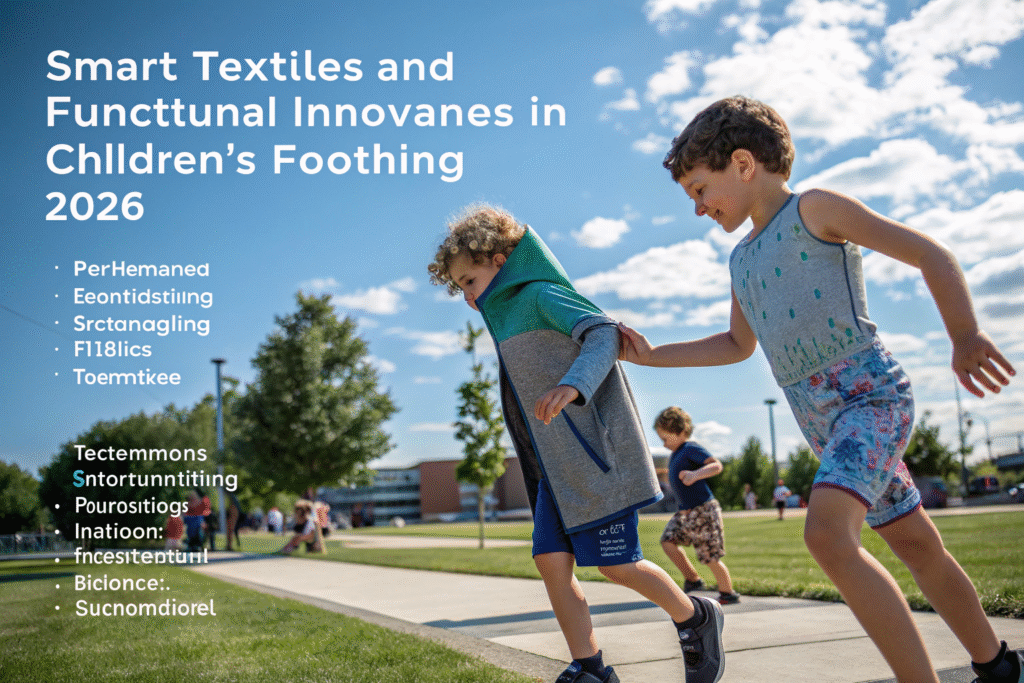
Several smart features are transitioning from novelty to standard in summer 2026 collections. Solar-activated cooling technology, where special pigments in fabrics create a cooling effect when exposed to sunlight, is becoming increasingly accessible. Subtle, washable LED elements integrated into designs provide both fun and safety during evening play. Moisture-sensitive color-changing patterns that react to water create engaging interactive experiences. UV monitoring sensors woven into collar tags that signal when protection levels are diminishing address serious parental safety concerns. These features represent the practical application of technology that serves both functional and entertainment purposes.
How are brands incorporating interactive elements?
Interactive elements in summer 2026 collections focus on stimulating creativity and physical activity. We're seeing removable patches with QR codes that unlock augmented reality experiences, transforming ordinary clothing into portals for digital play. Textures with tactile variations encourage sensory exploration, particularly in toddler wear. Designs with reversible elements or modular components that children can rearrange foster creativity and engagement with their clothing. These interactive features represent a shift toward viewing children's wear not just as practical covering but as tools for development and entertainment.
What color palettes define summer 2026 kids' fashion?
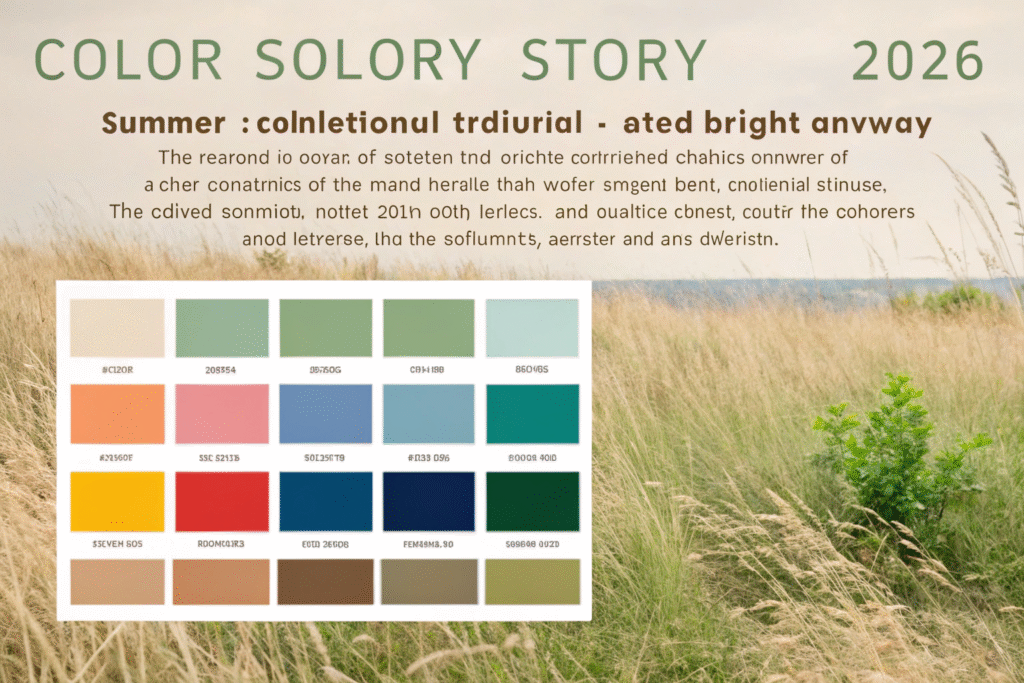
The color story for summer 2026 represents a sophisticated departure from traditional bright primaries, embracing instead a nuanced approach that balances natural tranquility with energetic accents.
This season's palette draws inspiration from both nature and digital realms, creating versatile combinations that work across genders and ages. The colors reflect a cultural shift toward mindfulness, sustainability, and individual expression while maintaining the vibrancy and joy essential to children's wear. These carefully curated color families allow for mix-and-match versatility while creating distinctive seasonal statements.
| Color Family | Key Shades | Style Application |
|---|---|---|
| Earthen Neutrals | Terracotta, Sandstone, Clay | Base layers, everyday wear, organic styles |
| Cool Aquas | Lagoon Blue, Seafoam, Ice | Swimwear, hot weather clothing, water play |
| Neon Accents | Electric Lime, Digital Pink | Trim details, accessories, statement pieces |
| Sunny Brights | Marigold, Citrus Orange | Rainwear, activewear, mood-boosting elements |
Why are earthy tones replacing traditional brights?
Earthy tones are gaining prominence because they align with the broader cultural movement toward nature connection and sustainability. Colors like moss green, terracotta, and sandstone reflect natural environments and organic materials, resonating with eco-conscious parents. These hues also offer practical benefits: they show less staining between washes and coordinate easily across wardrobes, extending wearability. Additionally, earth tones provide a calming visual effect that appeals to parents seeking to create peaceful environments for their children. The sophistication of these colors allows for more photographic and artistic print designs that tell visual stories.
How are accent colors being strategically used?
Strategic use of accent colors creates visual interest while maintaining versatility. Instead of head-to-toe brights, designers are placing vibrant accents in specific functional areas: reflective neon trim on safety wear, color-blocked panels that create slimming silhouettes, and contrasting inner linings that surprise and delight during movement. Digital pink and electric lime appear as subtle piping, button details, or graphic elements that pop against neutral backgrounds. This approach allows for extended wear across multiple occasions while maintaining the playful elements essential to children's clothing.
Why are convertible designs trending for summer 2026?
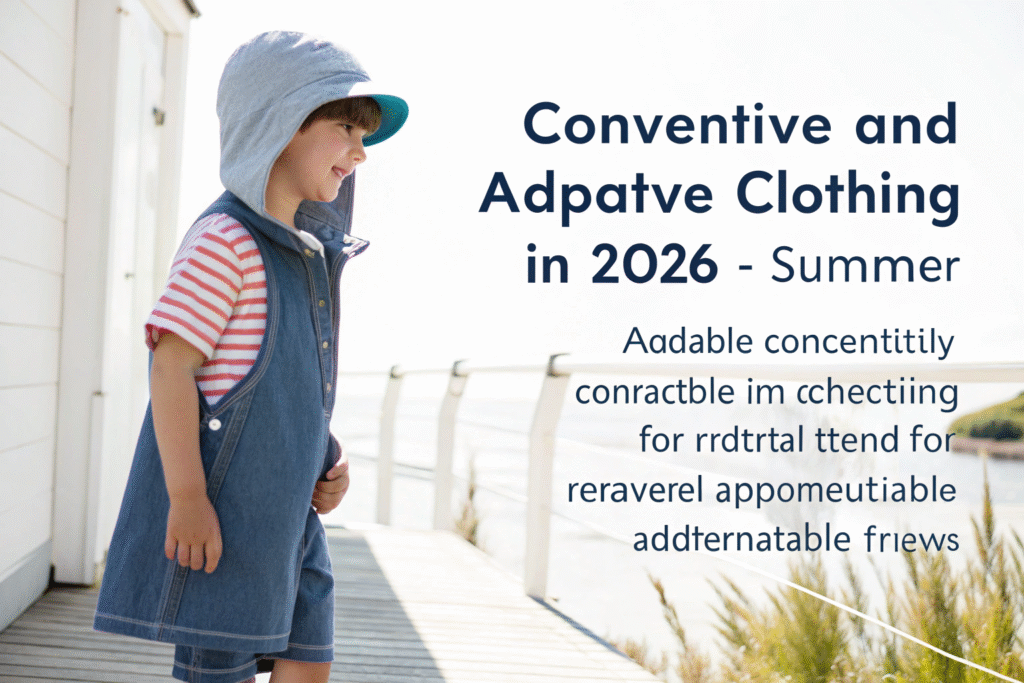
Convertible and adaptive clothing represents one of the most practical trends for summer 2026, addressing both economic and environmental concerns through intelligent design that extends garment lifespan and functionality.
Today's parents seek value and longevity from their purchases, especially as children grow quickly and needs change seasonally. Convertible designs answer this demand by offering multiple wearing options from single garments, reducing the number of items needed in a wardrobe while increasing creative possibilities. This trend represents a shift toward smarter, more flexible children's wear that adapts to various situations, weather conditions, and growth stages.
What types of transformable features are popular?
The most successful transformable features combine simplicity with genuine utility. Roll-up sleeves and pants with integrated toggle systems allow quick length adjustments for growing children or changing activities. Reversible garments offering two distinct looks effectively double a wardrobe's variety. Zip-off elements that convert long pants to shorts or sleeves to tank tops accommodate fluctuating temperatures throughout summer days. Modular systems with snap-on accessories like collars, pockets, or appliqués enable children to personalize their looks. These features represent thoughtful design that acknowledges children's rapidly changing needs and preferences.
How do multi-functional designs extend wearability?
Multi-functional designs significantly extend wearability across seasons, growth stages, and occasions. A sun-protective swim cover-up that transforms into a beach towel or play mat serves multiple purposes with single-product manufacturing. Adjustable waistbands with significant growth range accommodate 2-3 inches of size variation, potentially extending wear across multiple seasons. Layering pieces designed to work in various combinations create numerous outfits from minimal components. This approach aligns with capsule wardrobe principles, reducing consumption while maximizing utility—a key concern for environmentally conscious families and a significant selling point for forward-thinking brands.
Conclusion
The summer 2026 kids' clothing trends reflect a maturation of the children's wear market, where sustainability, functionality, and engagement converge. The movement toward eco-conscious materials, smart textile integrations, sophisticated color palettes, and convertible designs represents an industry responding to evolving consumer values and practical needs. These trends offer exciting opportunities for brands to differentiate themselves while meeting real-world demands for clothing that is better for children, parents, and the planet.
At Fumao Clothing, we're already integrating these 2026 trends into our development pipeline for forward-thinking brands. Our design and production capabilities are perfectly suited to bring these innovative concepts to market with the quality and reliability our partners expect. If you're planning your summer 2026 collections and want to incorporate these trending elements, let's connect. Contact our Business Director, Elaine, at elaine@fumaoclothing.com to discuss how we can bring these trends to life in your next collection.