The world of boys' sportswear is evolving from purely functional team uniforms into a dynamic category that blends high-performance technology with streetwear aesthetics and all-day comfort. Today's trends are driven by active lifestyles, the influence of athlete culture, and a demand for versatility that allows clothing to transition seamlessly from the field to casual hangouts. As a manufacturer at the intersection of performance and style, I see the latest trends defined by technical innovation, nostalgic nods, and a focus on creating a cohesive athletic identity for the modern, active boy.
The latest trends in kids boys sportswear emphasize technical fabrics with moisture management and stretch, vintage-inspired team graphics and silhouettes, versatile "athleisure" hybrids, bold color blocking and accent trims, and a focus on coordinated, layered sets that build a complete performance-to-street look.
This fusion creates sportswear that is as much about expressing personal style as it is about supporting physical activity. Let's break down the key directions shaping this high-energy market.
Why Are Technical Performance Fabrics Becoming the Standard?
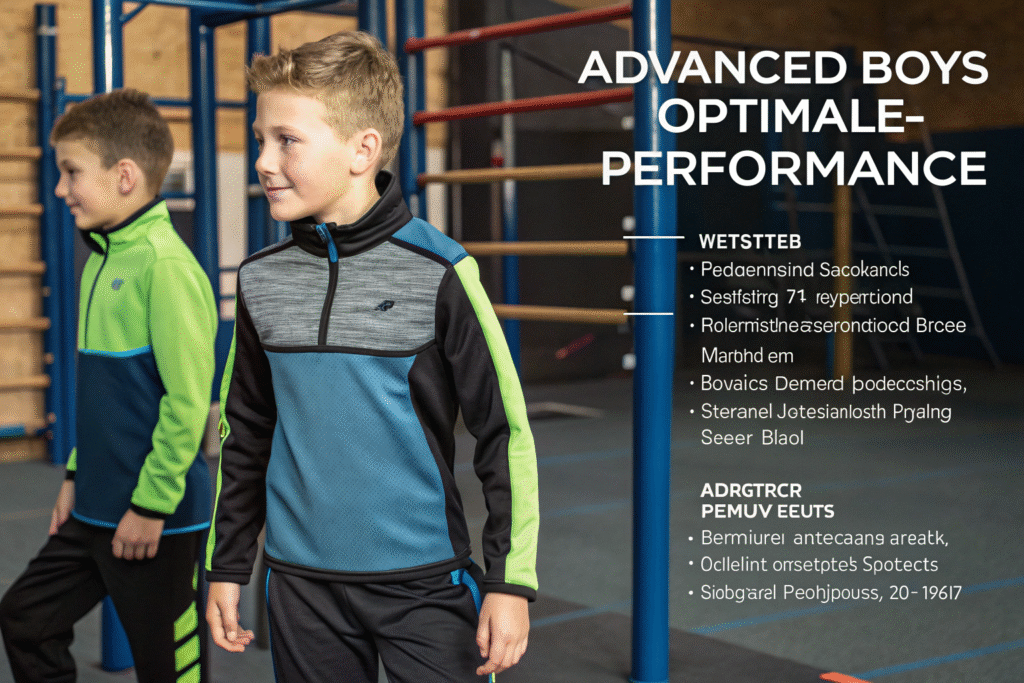
The baseline expectation for boys' sportswear has shifted. Basic cotton is no longer sufficient for serious play. Parents and kids alike seek fabrics that actively enhance performance through moisture-wicking, temperature regulation, odor resistance, and superior durability. This "technical" expectation is now table stakes for the category.
Key fabrics include polyester blends with 4-way stretch for maximum mobility, engineered mesh panels for strategic ventilation, brushed-back fleece for warmth without weight, and recycled polyester (rPET) which offers the same performance with a sustainable story. The focus is on creating a second-skin feel that moves with the body and manages the microclimate.
How is Moisture Management Technology Evolving Beyond Basic Wicking?
The latest advancements go beyond simply pulling sweat away. They focus on rapid drying and spatial mapping. Fabrics are engineered with different knit structures in high-sweat zones (armpits, back) versus support zones. Treatments like Polygiene® or Silvadur™ provide permanent odor control by inhibiting bacterial growth on the fabric itself, a major plus for parents. Furthermore, UV protection is increasingly being built into fabrics, especially for outdoor sports like soccer or running, offering an additional layer of safety.
Why is Sustainability a Growing Driver in Performance Fabric Sourcing?
Active parents are increasingly eco-conscious, and this extends to their children's gear. The use of recycled materials is a major trend. Brands are sourcing high-quality rPET (made from post-consumer plastic bottles) for jerseys, shorts, and outer shells. This material performs identically to virgin polyester but with a lower environmental footprint. Certifications like the Global Recycled Standard (GRS) are becoming important markers of authenticity. Additionally, there's exploration into bio-based polymers and more sustainable dyeing processes, signaling that performance and planet-friendly choices are no longer mutually exclusive.
How Are Vintage and Retro Aesthetics Influencing Design?
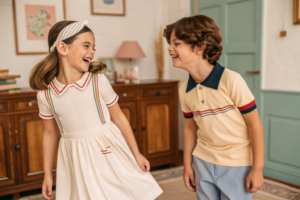
Nostalgia is a powerful force, and sportswear is tapping into the iconic styles of the 80s, 90s, and early 2000s. This trend moves away from ultra-sleek, futuristic looks towards designs that feel timeless, collectible, and rich with character, often inspired by classic team uniforms and vintage sportswear branding.
This manifests in throwback jerseys with bold, blocky typography and color schemes, side stripe detailing on pants and sleeves, retro team logos and mascots, and color blocking in classic combinations like navy/red or green/yellow. The fit is often slightly more relaxed or "authentic" compared to skin-tight modern kits, prioritizing a cool, casual vibe.

What Defines the "Varsity" or "College" Sportswear Trend?
This trend borrows directly from American collegiate athletics. Key pieces include:
- Rugby Shirts: With bold horizontal stripes and contrast collar.
- Coach's Jackets: Often in nylon with contrasting sleeve colors and chest embroidery.
- Varsity Jackets: While less common in full form, the aesthetic influences sweatshirts with leather-like sleeve accents and chenille letter patches.
- Graphic Tees with Retro Logos: Featuring faux-vintage designs of mythical sports teams or classic athletic brands.
This style is less about playing a specific sport and more about embracing a timeless, sporty attitude. It's perfect for the athleisure context, pairing well with jeans or chinos.
How are "Throwback" Graphics Being Used on Performance Gear?
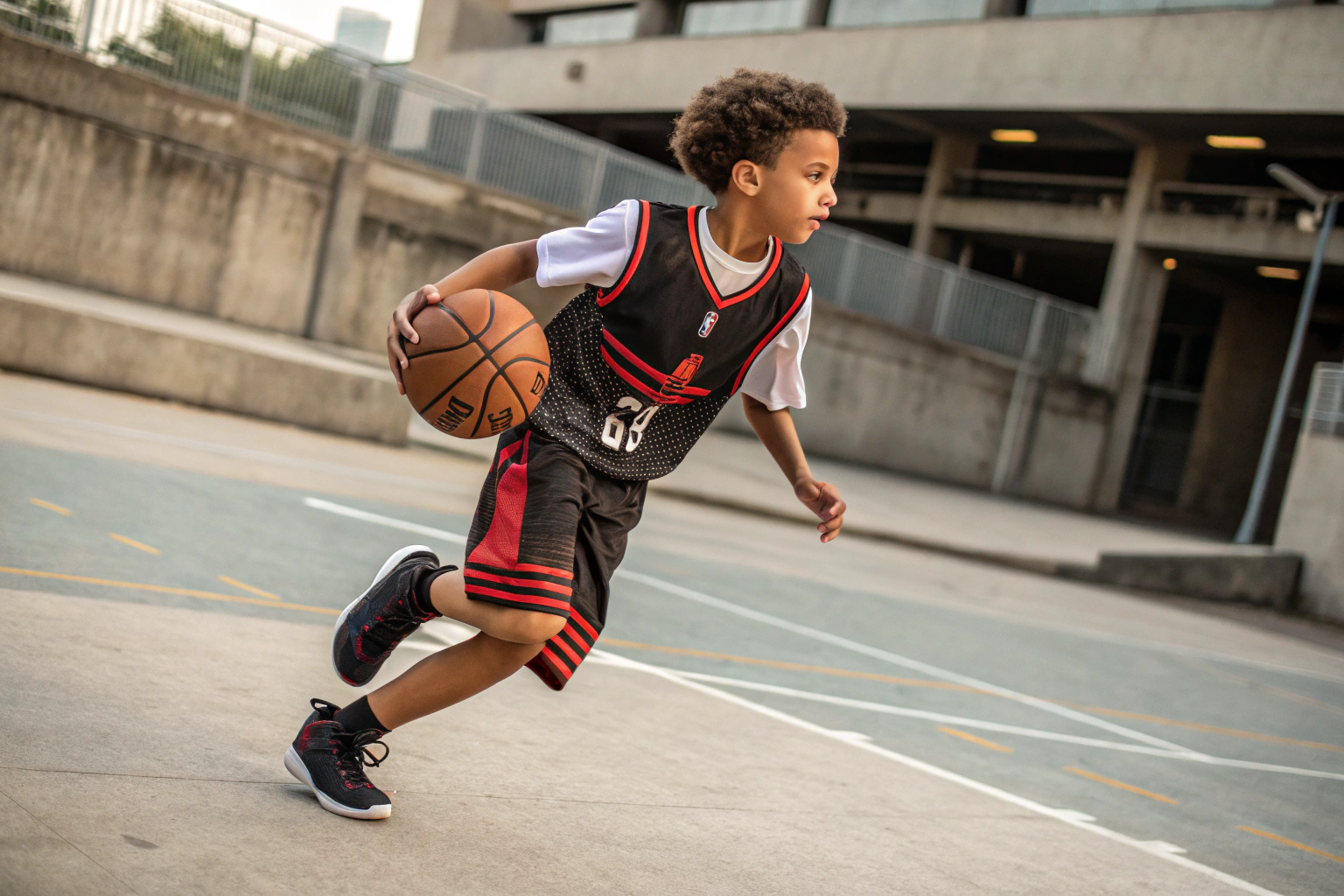
The vintage aesthetic isn't just for casual wear. It's being applied to actual performance gear. Soccer jerseys might feature a retro collar style or a classic badge design. Basketball shorts might use a throwback team color palette and side striping. This allows brands to create performance items with strong visual identity and storytelling, making them desirable beyond their functional use. Limited-edition "heritage" drops can create significant buzz and collector interest even among younger demographics.
What is Driving the Demand for Versatile "Athleisure" Hybrids?
The line between dedicated sportswear and everyday clothing has virtually disappeared. Boys live in clothes that can handle school, practice, and playdates without a change. This demands hybrid pieces that offer athletic performance but look polished enough for casual settings.
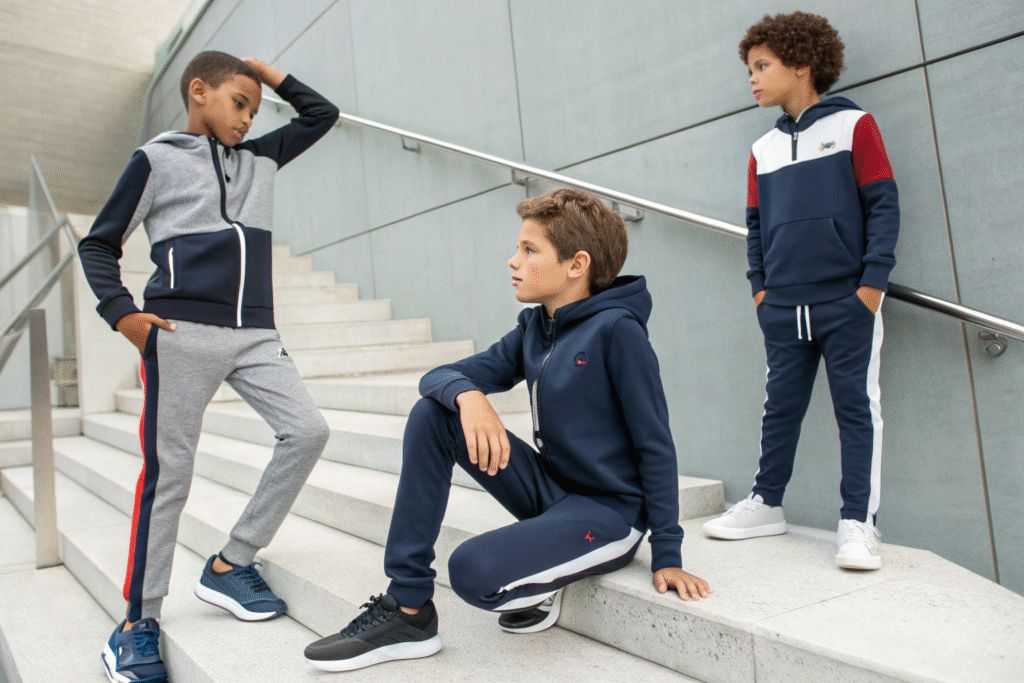
This trend is characterized by performance fabrics cut into casual silhouettes—like joggers made from technical French terry, polo shirts in moisture-wicking pique, or hoodies with athletic ribbing and thumbholes. The key is versatility: a pair of tailored track pants that can be worn for training and then to a casual dinner.
Why Are Joggers and Performance Trousers the Ultimate Hybrid Item?
The jogger is the undisputed king of boys' athleisure. The latest iterations feature:
- Technical Fabrics: Stretch-woven nylon or polyester for durability and easy movement.
- Functional Details: Zippered pockets, adjustable drawcord waists, tapered ankles with elastic or zippers.
- Refined Styling: Clean lines, minimal branding, and colors that work beyond the gym (navy, grey, olive).
They bridge the gap between sweatpants and trousers, offering comfort and style. Paired with a simple tee and sneakers, they create the quintessential modern boy's uniform.
How is "Layering" Key to the Sportswear Wardrobe?
Sportswear is designed to be layered for temperature management and style. The core system includes:
- Base Layer: A lightweight, moisture-wicking tee or tank.
- Mid Layer: A performance long-sleeve, a lightweight fleece, or a quarter-zip pullover.
- Outer Layer: A water-resistant windbreaker or a cozy hoodie.
Brands are now designing coordinated sets where these layers share complementary colors, trim details, and branding, encouraging the purchase of multiple items to build a complete, functional system. This drives higher average order value (AOV) and ensures brand consistency in the look.
How Are Bold Colors and Strategic Detailing Making an Impact?
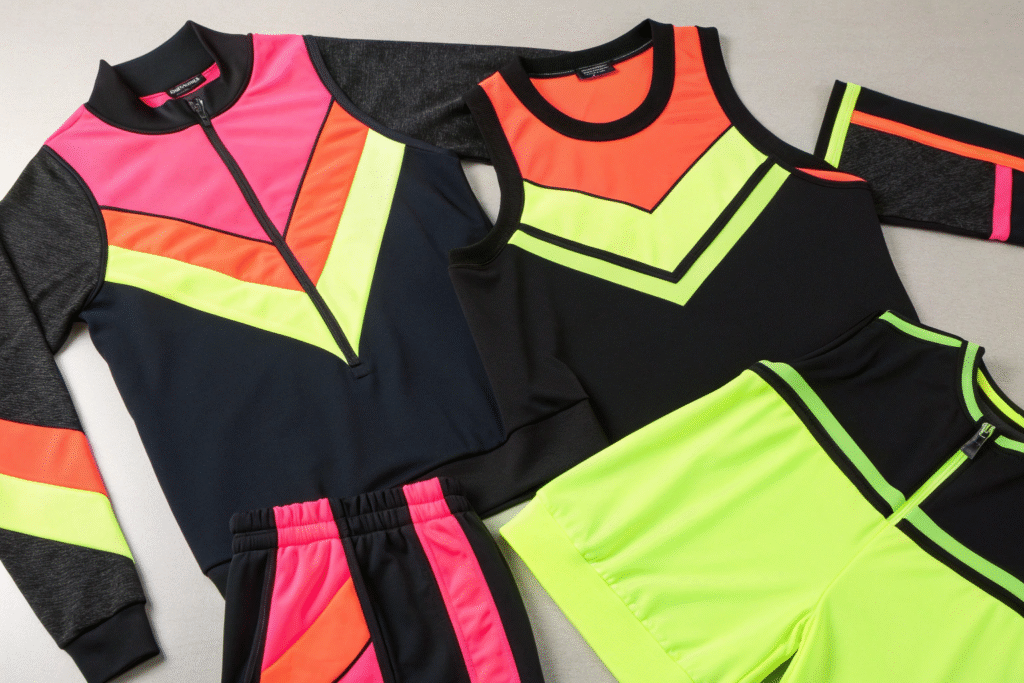
While vintage palettes have their place, there is also a strong trend towards high-energy, bold colors and strategic use of contrasting details to create visual interest and a sense of speed and dynamism.
This includes neon brights and fluorescent accents against dark bases, contrasting binding on necklines and armholes, reflective details for safety and style, and asymmetric color blocking. The goal is to create sportswear that looks fast and energetic even when standing still.
What is the Role of "Speed" and "Motion" Graphics?
Graphics are moving beyond static logos. Design trends incorporate elements that suggest movement:
- Gradient Color Fades: Evoking speed and energy.
- Abstract Geometric Patterns: Inspired by data visualization or topographic maps, suggesting precision and technology.
- Dynamic Typography: Text that appears slanted or in motion.
- Integrated Striping: Racing stripes or speed lines integrated into the garment's seams or panels.
These design choices subconsciously communicate performance and are highly appealing to an active demographic.
Why are Functional Details Becoming Design Focal Points?
Details that were once purely utilitarian are now stylistic statements. Zippered pockets are highlighted with contrast color zipper tape. Ventilation mesh is placed strategically and in contrasting colors. Adjustable toggles and cords are offered in bright pops of color. This celebrates the functionality of the garment, turning practical elements into points of visual interest that kids enjoy interacting with.
Conclusion
The latest trends in boys' sportswear reflect a sophisticated understanding of the modern child's lifestyle—one that is active, style-conscious, and values versatility. By merging cutting-edge fabric technology with nostalgic design cues, versatile athleisure hybrids, and bold aesthetic details, brands can create collections that perform on the field and resonate off it. Success lies in offering not just isolated pieces, but cohesive systems that empower boys to move, play, and express themselves with confidence.
For manufacturers like Fumao Clothing, executing these trends requires expertise in both technical performance materials and fashion-forward construction. We help brands navigate the complexities of moisture-wicking blends, precise athletic fits, and the detailing that turns sportswear into a style statement. If you're developing a boys' sportswear line ready for the next play, let's build it together. Contact our Business Director, Elaine, at elaine@fumaoclothing.com to start designing a collection that moves with the trends and the kids who wear them.