As a parent, you know the struggle all too well. Your child is bundled up for a chilly morning, only to be sweating and uncomfortable by lunchtime after running around. Or, they start the day in a light layer that proves insufficient when the temperature drops. For years, the solution was simply adding or removing layers. But what if the clothing itself could adapt? At Fumao Clothing, we're seeing a surge in demand from forward-thinking brands who want to solve this universal parenting pain point. The answer lies not in more clothes, but in smarter fabrics that actively help regulate a child's body temperature.
The latest innovations in kids' temperature-regulating fabrics move beyond simple moisture-wicking to include advanced phase-change materials (PCMs), smart bio-based fibers, and intelligent fabric constructions that actively absorb, store, and release heat to maintain a comfortable microclimate next to the skin, ensuring kids stay drier and more comfortable during active play and changing weather.
This isn't science fiction; it's applied material science becoming commercially viable for children's apparel. These innovations are a game-changer for brands targeting active families and those in regions with variable climates. They add significant functional value, justify premium positioning, and directly address a core need for comfort and practicality. Let's dive into the cutting-edge technologies that are redefining what kids' clothing can do.
1. How Do Phase-Change Materials (PCMs) Actually Work in Clothing?
The most revolutionary advancement in thermoregulation comes from Phase-Change Materials (PCMs). These are not fabrics themselves, but microscopic capsules (often made from paraffin wax or bio-based alternatives) embedded into the fibers or coatings of a textile. Their magic lies in physics: they change phase from solid to liquid and back again at specific temperatures, absorbing or releasing heat energy in the process.
Think of PCMs as tiny, intelligent thermal batteries woven into the fabric. When your active child starts to overheat, the PCM capsules absorb the excess body heat as they melt, creating a slight cooling sensation and preventing a temperature spike. Conversely, when they stop moving and begin to cool down, the PCM capsules solidify, releasing the stored heat back to the body to provide gentle warmth. This creates a dynamic buffer zone, smoothing out the peaks and valleys of body temperature throughout the day. For kids, this means reduced sweating during activity and less risk of getting a chill afterward, leading to more consistent comfort and fewer outfit changes.

What Are the Real-World Benefits of PCMs for Active Kids?
The application is perfect for high-energy scenarios. Imagine a child's winter jacket lined with PCM-treated fabric. They can play in the snow (generating heat) without sweating profusely, which is a major cause of getting cold later. The PCM absorbs the excess heat. When they come inside a warm car or building, the fabric helps moderate the sudden temperature change. Similarly, PCM-treated pajamas or sleep sacks can help maintain an optimal sleep temperature, reducing night sweats and disturbances. For brands, this is a powerful story: clothing that doesn't just insulate, but actively manages comfort.
Are PCM-Treated Fabrics Safe and Durable for Children's Wear?
Safety and durability are paramount. Leading PCM technologies from companies like Outlast or 37.5 Technology use encapsulated formats that prevent direct skin contact with the PCM substance. These microcapsules are designed to withstand repeated washing and wear. When sourcing, it's critical to work with a manufacturer (like us) who understands how to specify and test these fabrics. We ensure they meet all relevant OEKO-TEX® Standard 100 standards for harmful substances and that the thermoregulatory properties are durable after multiple launderings, a key concern for parents.
2. What Role Do Smart Fibers and Bio-Based Innovations Play?
Beyond add-ons like PCMs, the very fibers themselves are getting smarter. Innovations are coming from both high-tech laboratories and nature-inspired solutions. These fibers work by enhancing the fabric's innate ability to manage moisture and heat through their structure and composition.
A major trend is in bio-based performance fibers. For instance, fabrics infused with chitosan (derived from shellfish shells) offer natural odor resistance and can have mild temperature-buffering properties. More advanced are fibers engineered with specific cross-sections. Some are hollow, trapping insulating air, while others have channels that rapidly wick moisture away from the skin to the fabric's outer layer where it can evaporate, creating a cooling effect. Brands like Polartec are continually evolving their high-performance fleeces and grids to be lighter and more breathable. Additionally, minerals are being integrated; certain volcanic minerals or jade particles can be embedded in fibers to provide far-infrared radiation, which is believed to promote blood circulation and create a gentle warming effect.

How Do Moisture-Wicking and Quick-Dry Fabrics Regulate Temperature?
While not new, advanced moisture management is the foundation of temperature regulation. Keeping skin dry is the first step to preventing clamminess and chills. The latest innovations in this area involve dual-layer fabric constructions or treatments that create a powerful capillary action. The inner layer pulls sweat away instantly, while the outer layer or treatment promotes rapid evaporation. This continuous process, often called "dynamic cooling," is crucial for kids' sportswear, underwear, and socks. It’s important to distinguish between basic polyester and engineered performance fabrics that offer superior, consistent wicking without retaining odor.
Can Natural Fibers Be Engineered for Temperature Regulation?
Absolutely. Merino wool has long been celebrated for its natural thermoregulatory properties—it keeps you warm when it's cold and cool when it's hot, and it wicks moisture beautifully. The innovation here is in making it more suitable for kids. Ultrafine merino wool is now being spun into incredibly soft, non-itchy yarns perfect for sensitive skin. Furthermore, blends are key. We are developing fabrics that mix merino with a small percentage of high-tech polyester or Tencel™. This enhances durability, reduces cost, and speeds up drying time, making the natural benefits of wool more practical and accessible for everyday children's wear.
3. How Is Fabric Construction and Design Enhancing Thermoregulation?
Sometimes, the innovation isn't in a new chemical or fiber, but in how existing materials are put together. Intelligent fabric construction and garment design can dramatically improve airflow, insulation, and moisture movement without adding complex treatments.
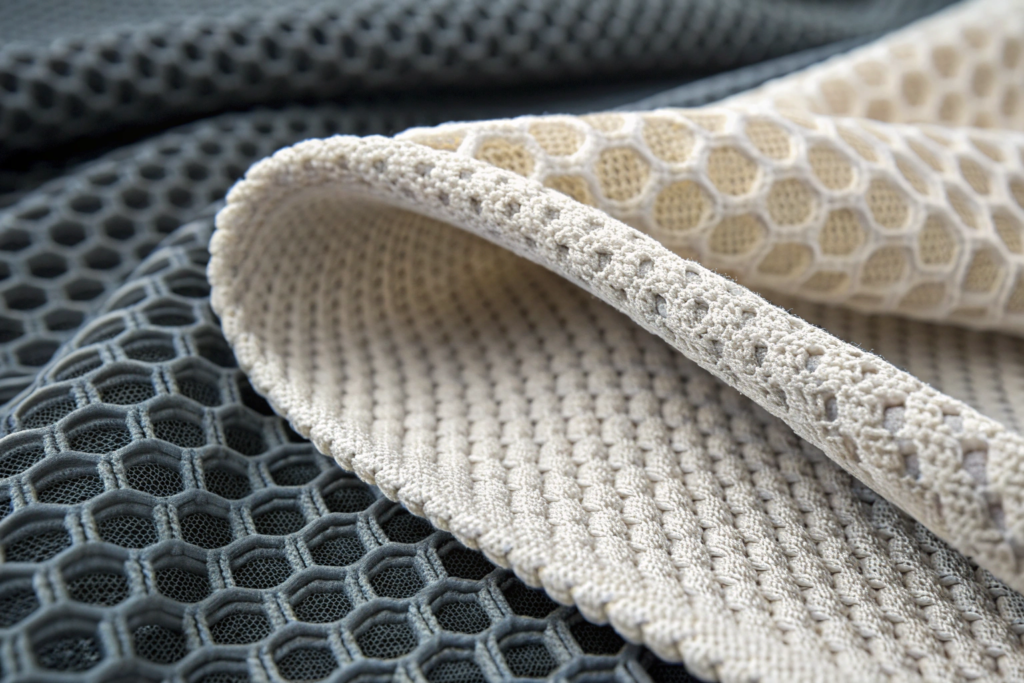
This is where textile engineering shines. 3D mesh structures are a prime example. These create a literal space between the skin and the outer layer of fabric, allowing air to circulate freely. This prevents heat and sweat from building up. You see this in the backs of kids' hiking backpacks, but now it's being integrated into sneaker linings, hat panels, and the underarms of jackets. Another innovation is variable-knit technology. In a single garment, the knitting machine can alter the stitch density—creating tighter, warmer panels in the core and looser, more breathable panels under the arms or down the spine. This zonal construction provides targeted comfort and is a hallmark of advanced performance wear now trickling into the kids' market.
What is the Advantage of Layering Systems with Specialized Fabrics?
The most effective temperature regulation often comes from a system, not a single miracle fabric. Innovative brands are designing coordinated layering systems where each layer has a dedicated function. A base layer made of superior moisture-wicking fabric (like polypropylene or merino) pulls sweat away. A mid-layer, perhaps a grid fleece or a PCM-infused fabric, provides insulation and active temperature management. An outer shell protects from wind and rain while remaining breathable. Educating consumers on how to use this "layer system" effectively is part of the value proposition, moving from selling a single item to providing a smart comfort solution.
How Does Garment Design Complement Smart Fabrics?
Technology in the fabric must be matched with smart design. Features like zippered vents under the arms or on the chest, articulated patterning that allows for better movement and airflow, and strategic mesh paneling are critical. A winter coat with a PCM liner is great, but if it lacks pit zips, it can still become a sauna during high activity. For kids, easy-to-use adjustable features like roll-up sleeves or convertible pants that zip off into shorts are also part of the adaptive comfort ecosystem. Good design ensures the high-tech fabrics can perform as intended.
4. What Should Brands Look for When Sourcing These Innovative Fabrics?
With so many claims in the market, sourcing genuine, effective, and safe temperature-regulating fabrics requires diligence. It's not enough to see a buzzword on a fabric swatch card; you need verification and a reliable supply chain partner.
First, demand certification and test data. For any performance claim (thermoregulation, moisture-wicking, UV protection), ask the mill or your manufacturer for standardized test reports from accredited labs. For thermoregulation, look for tests like the "Thermal Manikin" test or ASTM tests that measure thermal resistance and evaporative resistance. Second, prioritize durability. Ask about wash-test results: does the cooling or warming effect last for 20 washes? 50 washes? This is crucial for kids' clothing that will be laundered frequently. Third, verify safety. Ensure all chemical treatments or embedded materials comply with global children's wear safety standards like OEKO-TEX® Standard 100 or CPSIA. Finally, work with a factory that has experience handling these specialized materials, as they may require different sewing techniques or care during production.

How to Communicate the Value of These Fabrics to Consumers?
The technology is complex, but the marketing message must be simple and benefit-driven. Avoid jargon. Instead of "Phase-Change Material," say "keeps them comfortable as their temperature changes." Use relatable scenarios: "Play hard without overheating" or "Stay cozy on the walk to school, comfortable in the classroom." Hangtags with clear icons (a thermometer, a sun and snowflake) and simple explanations are effective. Providing care instructions to maintain the performance is also key to long-term customer satisfaction.
Why is Partnering with an Experienced Manufacturer Critical?
Implementing these fabrics successfully goes beyond just buying yardage. An experienced manufacturer like Fumao helps you navigate the complex supply chain of specialized mills. We can help you validate performance claims, run pre-production durability tests, and engineer the garment design to maximize the fabric's benefits. We understand the cost versus performance trade-offs and can guide you to the right innovation for your price point and target market, ensuring your investment in advanced fabric actually delivers a superior product that parents and kids will love.
Conclusion
The frontier of kids' apparel is being reshaped by intelligent fabrics that do more than just cover the body—they interact with it. From PCMs that store and release heat to bio-based smart fibers and ingenious 3D constructions, these innovations offer tangible solutions to everyday comfort challenges. For children's clothing brands, this represents a significant opportunity to differentiate, add value, and build loyalty with families who prioritize both performance and practicality.
Integrating these technologies requires careful sourcing, verification, and expert manufacturing to ensure the promises on the tag are fulfilled in real-world use. When done right, it elevates children's wear from simple fashion to functional, adaptive gear for the adventures of childhood.
Ready to explore how temperature-regulating innovations can enhance your next collection? Partner with a manufacturer who understands both the technology and the market. Contact our Business Director, Elaine, at elaine@fumaoclothing.com to discuss developing high-comfort, high-performance kids' wear with Shanghai Fumao.