

As a children's clothing manufacturer with decades of experience, we are constantly asked by our brand partners about the next big thing in materials. Keeping up with fabric innovations is not just about style; it's about safety, comfort, and performance. For kids, this is even more critical. Their sensitive skin and active lifestyles demand the best from their clothing, especially swimwear.
The latest innovations in kids swimwear fabric focus on smart materials that offer superior protection, comfort, and sustainability. These advancements include recycled textiles, UV-blocking technology, and chlorine-resistant fabrics that are gentle on skin. These new fabrics are changing the game for brands that want to offer high-value products.
Let's explore the key fabric innovations that are setting new standards in the children's swimwear market and how they can benefit your brand.
What are the benefits of recycled polyester in swimwear?
The move towards sustainable fashion is stronger than ever. Using recycled materials is a major selling point for modern consumers. Recycled polyester, often derived from post-consumer plastic bottles, is at the forefront of this green revolution in swimwear.
Recycled polyester offers significant environmental benefits by reducing plastic waste and conserving resources, while providing the same durability and quick-drying properties as virgin polyester. This makes it an excellent choice for eco-conscious kids swimwear lines. Brands that adopt this material can strongly appeal to a growing market of environmentally aware parents.

How does recycled polyester impact the environment?
The production of recycled polyester has a much lower environmental footprint. It reduces our reliance on petroleum as a raw material. It also diverts plastic bottles from landfills and oceans. The process consumes less water and energy compared to producing virgin polyester. This commitment to sustainability is something we actively promote through our compliance with global standards. By choosing a manufacturer that uses recycled materials, you are not just making swimwear; you are making a statement. This aligns perfectly with the values of many American and European brands we partner with.
Is recycled fabric durable for active children?
Absolutely. There is a common misconception that recycled materials are less durable. In reality, recycled polyester is just as strong and resilient as its conventional counterpart. It retains excellent color fastness, which means vibrant prints last longer even with frequent use and washing. Its quick-drying capability is essential for swimwear, ensuring comfort for kids. Furthermore, it offers great resistance to chlorine and sunscreen, which can break down other fabrics over time. This durability is a key part of our quality assurance process, ensuring the products you source stand up to the rigors of play.
How does advanced UV protection fabric work for kids?
Sun safety is a top priority for parents. Modern swimwear does more than just look good; it provides essential protection. Advanced UV protection fabrics are engineered to create a reliable shield against harmful solar rays.
Advanced UV protection fabric in kids swimwear works by integrating specially engineered fibers or coatings that block over 98% of harmful UVA and UVB rays. This provides a consistent and lasting defensive layer, much more reliable than sunscreen alone. This technology is a critical innovation for beachwear and outdoor swim collections.

What is UPF rating and why is it important?
UPF stands for Ultraviolet Protection Factor. It measures how effectively a fabric blocks solar ultraviolet radiation. A UPF rating of 50, for example, allows only 1/50th (or 2%) of the UV radiation to reach the skin. This is crucial for children's delicate skin, which is more susceptible to sun damage. When sourcing, insist on suppliers who provide certified UPF ratings for their fabrics. We ensure our swimwear materials meet strict international safety standards, giving you and your customers peace of mind.
How is UV protection integrated into the fabric?
The protection is often built directly into the polymer fibers during the manufacturing process, unlike a topical coating that can wash off. This means the UV blocking capability remains effective for the lifetime of the garment. It does not wash out or wear off. The density of the knit or weave also plays a role. Tighter constructions naturally block more rays. This permanent integration is a key feature we look for when selecting fabrics for our production lines, ensuring the protective qualities are built to last.
Why is chlorine-resistant material a game-changer?
Swimwear longevity is a major concern for brands and consumers alike. Chlorine in pools is one of the biggest enemies of swimwear, causing colors to fade and elastic to degrade quickly. Chlorine-resistant materials solve this problem.
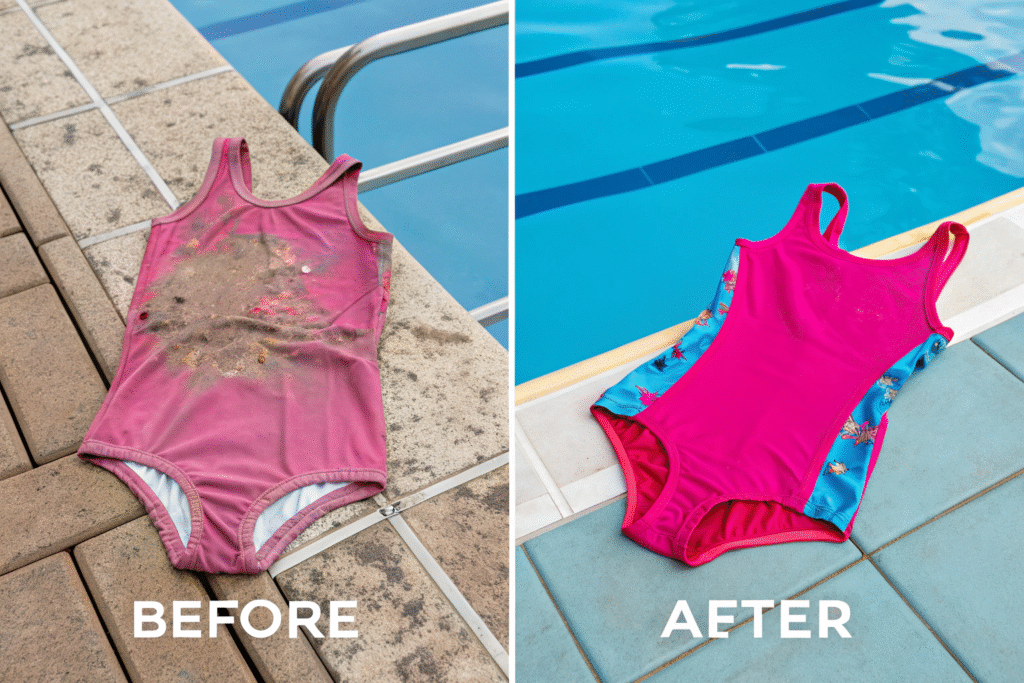
Chlorine-resistant material is a game-changer because it dramatically extends the lifespan of swimwear by protecting the fabric's fibers and elasticity from degradation. This results in swimwear that retains its shape, color, and comfort through many more seasons of use, offering greater value and reducing waste.
How does chlorine damage regular swimwear?
Chlorine is a harsh chemical that breaks down the spandex (also known as Lycra or elastane) fibers in swimwear. This process causes the fabric to lose its elasticity and stretch out of shape. It also attacks the dye molecules, leading to fading and a dull appearance. For a brand, this can lead to dissatisfied customers if a product doesn't last a single season. Understanding this pain point is why we prioritize fabric selection to avoid these issues for our partners.
What makes a fabric chlorine-resistant?
Chlorine resistance is achieved through the use of specialized, more stable synthetic fibers like PBT (polybutylene terephthalate) or by treating the spandex with a protective polymer. These fibers are inherently more resilient to the oxidizing effects of chlorine. They maintain their stretch and recovery far longer than standard materials. This is a critical factor in our quality control for swimwear, especially for brands targeting the mid-to-high segment where product longevity is expected.
What new eco-friendly fabrics are emerging?
Sustainability continues to drive innovation. Beyond recycled polyester, new materials are entering the market, offering even greener alternatives for forward-thinking brands.
New eco-friendly fabrics emerging in kids swimwear include bio-based materials derived from renewable sources like plants, as well as fabrics designed for easier recycling at the end of their life cycle. These innovations represent the next wave of sustainable textile development.
| Fabric Type | Source | Key Benefits |
|---|---|---|
| Recycled Nylon | Fishing nets, fabric waste | Reduces ocean plastic, durable, soft |
| Bio-based Spandex | Made from corn sugar | Renewable source, reduced carbon footprint |
| ECONYL® | Recycled nylon waste | Regenerated material, high quality |

Are plant-based fibers suitable for swimwear?
Traditional plant-based fibers like cotton are not suitable as they absorb water and become heavy. However, new generation bio-based fibers are different. For example, bio-based spandex replaces a portion of the petroleum-based content with material from renewable plant sugars. This creates a stretch material that performs like conventional spandex but with a lower environmental impact from its production. We are actively exploring these new materials to offer our clients the most advanced and responsible options.
What is the future of circular fashion in swimwear?
The future lies in creating a closed-loop system. This means designing swimwear that can be easily disassembled and recycled into new garments at the end of its life. Innovations in monomaterial fabrics—where the entire garment is made from one type of polymer—make this recycling process much more feasible. As a factory, we are preparing for this shift by understanding these new material flows and production techniques, ensuring our partners stay ahead of the curve.
Conclusion
The world of kids swimwear fabric is evolving rapidly, driven by demands for sustainability, safety, and performance. Innovations in recycled materials, advanced UV protection, chlorine resistance, and new eco-friendly textiles are providing brands with exciting opportunities to differentiate themselves in a competitive market.
Partnering with a manufacturer that understands and has access to these innovative fabrics is crucial. At Shanghai Fumao, we integrate these cutting-edge materials into our production process to deliver top-quality, safe, and market-ready children's swimwear. We handle everything from design and development to logistics, ensuring a seamless supply chain.
Ready to innovate your kids' swimwear line with the latest fabric technologies? Contact our Business Director, Elaine, today to discuss how we can bring your vision to life. Email: elaine@fumaoclothing.com.