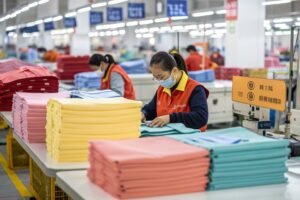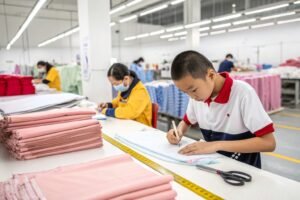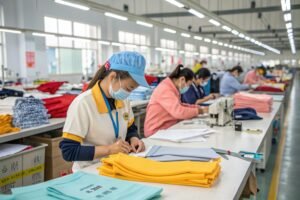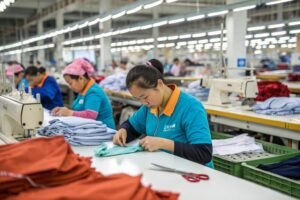
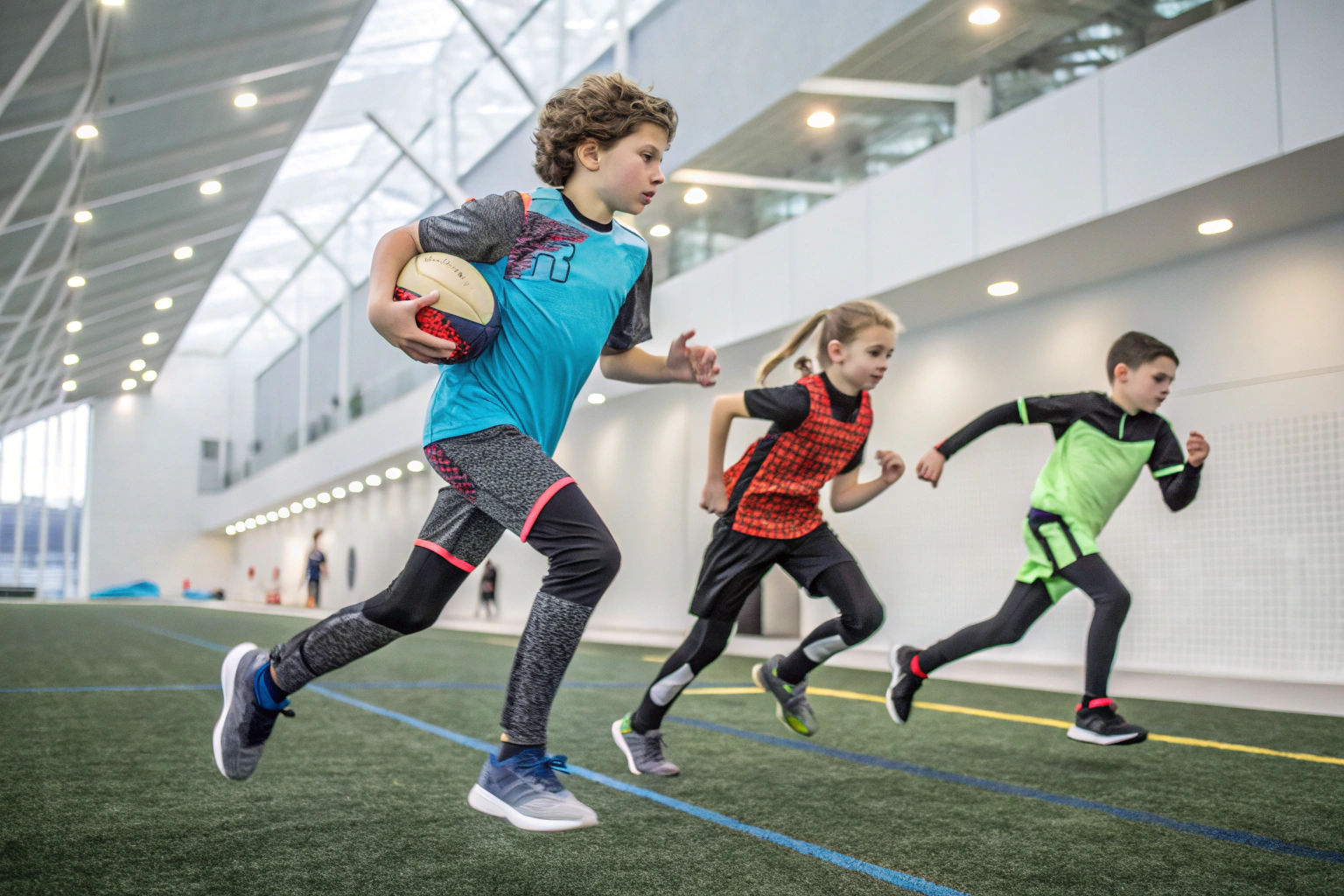
The children’s activewear sector is undergoing a technological transformation that extends far beyond basic moisture-wicking fabrics. As a manufacturer working with sports brands and children’s wear labels, I’ve witnessed how innovation in kids sports clothing now focuses on enhancing performance, safety, and comfort while addressing the unique physiological needs of growing athletes.
The latest innovations in kids sports clothing include smart temperature regulation, impact protection integrated directly into fabrics, growth accommodation systems, and sustainability advancements that don’t compromise performance. These developments represent a significant evolution from simply scaling down adult activewear to creating specialized solutions for children’s distinct physical requirements and activity patterns.
Today’s children’s sports apparel combines technical functionality with practical considerations that acknowledge how kids actually play and grow. Let’s explore the cutting-edge innovations reshaping this dynamic market segment.
What smart fabric technologies are emerging?
Smart fabric technologies represent the most significant advancement in children’s sports apparel, moving beyond basic functionality to create responsive, adaptive clothing that enhances performance and safety. These innovations leverage material science breakthroughs to address children’s specific needs during physical activity.
Key smart fabric innovations include phase-change materials for temperature regulation, biometric monitoring textiles, self-cleaning coatings, and color-changing fabrics that indicate exertion levels. Each technology offers distinct benefits that differentiate advanced children’s activewear from conventional options.

How do phase-change materials regulate temperature?
Phase-change materials regulate temperature by absorbing, storing, and releasing heat as children transition between different activity levels and environments. These advanced textiles contain microscopic capsules filled with substances that change from solid to liquid and back again at specific temperatures, effectively acting as thermal batteries. According to textile technology research, phase-change materials can reduce temperature fluctuations by up to 80% compared to conventional fabrics. For children’s sports clothing, this means maintaining optimal body temperature whether a child is running intensely on a soccer field or standing on the sidelines during breaks. This technology is particularly valuable for young athletes who may not recognize or communicate their thermal discomfort until performance suffers or safety risks emerge.
What biometric monitoring capabilities exist?
Biometric monitoring capabilities in children’s sports clothing now include heart rate tracking, hydration level assessment, and muscle fatigue indicators woven directly into fabrics through conductive yarns and miniature sensors. Unlike wearable devices that can be uncomfortable or easily lost, these textile-integrated systems provide continuous monitoring without restricting movement. The smart textile market analysis indicates particularly strong growth in children’s applications where safety and performance monitoring provides peace of mind for parents and coaches. However, these technologies must balance functionality with privacy considerations and durability requirements that are especially important for children’s rough-and-tumble use. The most successful implementations focus on actionable insights rather than overwhelming data, helping young athletes and their supporters make better decisions about training intensity and recovery needs.
What safety innovations protect young athletes?
Safety innovations in children’s sports clothing have evolved from basic padding to integrated protection systems that defend against impacts, environmental hazards, and overuse injuries without compromising mobility or comfort. These advancements acknowledge that children’s sports participation carries unique risks that require specialized solutions.
Key safety innovations include impact-absorbing materials, visibility enhancements, joint support systems, and concussion-reduction technologies. Each addresses specific risks associated with children’s sports while accommodating their developing bodies.

How do integrated impact protection systems work?
Integrated impact protection systems work by incorporating lightweight, flexible materials at strategic impact zones that harden upon sudden force but remain pliable during normal movement. These advanced materials, often using non-Newtonian fluid technology, distribute impact forces across a wider area, reducing peak pressure on any single point. For children’s sports clothing, this technology appears in soccer shin guards, elbow pads for skateboarding, and protective shirts for football—all designed to be slim enough to wear under uniforms while providing superior protection to traditional hard shell alternatives. The table below shows how integrated protection compares to conventional options:
| Protection Type | Protection Level | Comfort & Mobility | Durability |
|---|---|---|---|
| Traditional Hard Shell | High impact resistance | Limited range of motion | Prone to cracking |
| Integrated Smart Materials | Excellent energy absorption | Nearly unrestricted movement | Maintains integrity through multiple impacts |
| Basic Padding | Minimal impact protection | Unrestricted but bulky | Compresses over time |
Why are visibility features becoming standard?
Visibility features are becoming standard because they address the very real risk of children practicing sports during dawn, dusk, or in low-light conditions when visibility is compromised. Advances in photoluminescent and retroreflective technologies now allow these safety elements to be woven directly into fabrics rather than added as separate strips or patches. This integration creates 360-degree visibility without the discomfort or styling limitations of external accessories. For children’s sports clothing, these features are particularly important as young athletes may have less awareness of their surroundings and limited experience judging traffic or other environmental hazards. The most effective implementations balance visibility with discretion, providing safety without making children feel self-conscious about wearing "special" clothing during daytime activities.
How are growth accommodation features evolving?
Growth accommodation features represent one of the most practical yet innovative areas in children’s sports clothing, addressing the fundamental challenge of children outgrowing apparel long before it wears out. Modern solutions go beyond simple adjustable straps to create truly adaptive clothing systems.
Key growth accommodation innovations include expandable seam constructions, modular component systems, convertible designs, and strategic material selection that accommodates size changes. Each approach extends the wearable life of sports apparel while maintaining performance characteristics.

What makes expandable seam technology effective?
Expandable seam technology is effective because it incorporates strategic stretch panels, gussets, and pleats in areas where children experience the most growth—typically torso length, sleeve length, and inseam. Unlike simple elastic that loses tension over time, these engineered solutions use directional stretch fabrics and innovative construction techniques that accommodate growth while maintaining the garment’s intended fit and performance properties. For example, a soccer jersey might incorporate underarm gussets that expand as a child’s chest circumference increases, while running tights might feature knee articulation that adapts to growing leg lengths. These solutions typically extend a garment’s usable life by 6-12 months—a significant period in a child’s development—while reducing replacement costs for parents and environmental impact through decreased consumption.
How do modular systems extend product lifespan?
Modular systems extend product lifespan by allowing individual components to be replaced or adjusted as children grow, rather than requiring complete garment replacement. These systems might include interchangeable sleeve modules for weather adaptation, lengthening straps on sports bras, or expandable waistbands with multiple attachment points. According to circular fashion principles, modular design represents one of the most promising approaches to reducing textile waste while meeting children’s evolving needs. For sports clothing specifically, modularity also enables performance customization—a young athlete might use lighter, more breathable components for summer training and insulated, protective elements for winter sports, all within the same core garment system. This approach transforms sports apparel from static purchases into adaptable platforms that evolve with a child’s development.
What sustainability advancements are impacting performance wear?
Sustainability advancements in children’s sports clothing are transitioning from marketing differentiators to performance-enhancing features that benefit both young athletes and the environment. The latest innovations prove that eco-friendly materials and production methods can deliver superior functionality.
Key sustainability innovations include bio-based performance fabrics, closed-loop manufacturing, regenerative material sourcing, and design strategies that extend product lifespan. Each approach reduces environmental impact while maintaining or enhancing the technical capabilities required for sports participation.

Why are bio-based performance fabrics gaining popularity?
Bio-based performance fabrics are gaining popularity because they offer comparable or superior technical properties to petroleum-based synthetics while reducing environmental impact and potential skin irritants. Materials like algae-based foam for shoe insoles, mushroom-derived leather alternatives for cleats, and castor bean-based fibers for moisture-wicking base layers provide the stretch, durability, and moisture management required for sports without relying on fossil fuels. For children’s sports clothing specifically, these natural origins provide additional reassurance to parents concerned about chemical exposures during intense physical activity when skin permeability increases. As production scales increase and costs decrease, these bio-based alternatives are becoming increasingly accessible across price points rather than remaining premium niche products.
How does circular design benefit children’s sports apparel?
Circular design benefits children’s sports apparel by creating products that maintain value through multiple use cycles—whether through resale, repair, or material recycling. Specific strategies include designing for disassembly (using standardized components that can be easily separated), creating repair guides specific to common children’s wear issues (like reinforced knee patches for soccer pants), and establishing take-back programs that redirect outgrown apparel to younger athletes. The Circular Fashion System Commitment framework highlights how these approaches are particularly valuable for children’s products where rapid growth creates natural obsolescence. For sports brands, embracing circularity also builds customer loyalty as families appreciate both the economic savings and environmental benefits of products designed for extended usefulness rather than single-lifecycle consumption.
How are comfort technologies advancing?
Comfort technologies in children’s sports clothing have evolved beyond basic moisture-wicking to address the sensory experiences that often determine whether young athletes feel confident and focused during activity. These advancements recognize that discomfort can significantly impact performance and enjoyment.
Key comfort innovations include seamless construction, strategic ventilation, adaptive compression, and sensory-friendly design. Each addresses specific comfort challenges that children experience during sports participation.

Why is seamless construction important for young athletes?
Seamless construction is important for young athletes because it eliminates the chafing, pressure points, and irritation caused by traditional seams during repetitive movements. Using circular knitting technology, manufacturers can create entire garments without side seams, instead engineering strategic zones with varying stretch, compression, and breathability properties. For children’s sports clothing, this approach is particularly valuable because young skin is more sensitive to irritation, and children may be less likely to communicate discomfort until it becomes distracting. Seamless designs also typically offer better freedom of movement and more consistent fit—both critical factors in sports where unrestricted motion impacts performance and safety. The reduction in manufacturing waste through seamless production provides an additional sustainability benefit that aligns with growing consumer expectations.
How do sensory-friendly designs support inclusion?
Sensory-friendly designs support inclusion by accommodating the needs of children with sensory processing differences who might otherwise avoid sports participation due to clothing discomfort. These designs feature tagless labeling, flatlock seams, soft printed graphics instead of raised appliqués, and strategic fabric selection that avoids unpleasant textures. According to sensory processing research, approximately 1 in 6 children experiences sensory symptoms that may affect their daily functioning, making inclusive design a significant market opportunity as well as an ethical imperative. For sports clothing, sensory-friendly features can mean the difference between a child participating fully or sitting on the sidelines. The most successful implementations integrate these considerations seamlessly rather than treating them as special accommodations, benefiting all young athletes through superior comfort and focus.
Conclusion
The latest innovations in kids sports clothing represent a fundamental shift from scaled-down adult activewear to specialized solutions that address children’s unique physiological needs, safety requirements, and environmental impacts. The convergence of smart materials, integrated protection, growth accommodation, and sustainable design creates unprecedented opportunities to enhance young athletes’ performance, safety, and enjoyment.
Brands that successfully integrate these innovations position themselves as partners in children’s athletic development rather than mere apparel suppliers. If you’re developing children’s sports collections and need manufacturing partnership to implement these cutting-edge technologies, contact our Business Director Elaine at elaine@fumaoclothing.com. Let Shanghai Fumao’s expertise in technical children’s wear help you create sports apparel that supports young athletes through every stage of their development.