
The humble clothing fastening has undergone a remarkable transformation in children's wear, evolving from basic functional elements to sophisticated solutions that address safety, independence, accessibility, and sensory needs. As manufacturers implementing these innovations across numerous brands, we're observing how advanced fastening systems are revolutionizing children's dressing experiences.
The latest innovations in kids clothing fastenings include magnetic systems, adaptive closures for different abilities, smart fastening technology, sensory-friendly alternatives, and eco-conscious solutions that maintain functionality while addressing modern parenting and child development concerns. These advancements represent a significant departure from traditional buttons and zippers, focusing on making dressing easier for children while providing practical benefits that appeal to parents' safety and convenience priorities. The most successful innovations balance technological sophistication with simplicity of use appropriate for children's developmental stages.
How Are Magnetic Fastenings Revolutionizing Children's Dressing?
Magnetic closure systems have evolved from novelty items to sophisticated fastening solutions that address multiple challenges in children's clothing, particularly for young children developing self-dressing skills.
Modern magnetic fastenings use powerful, safely-encased neodymium magnets that provide secure closure while being easy for small hands to manipulate. These systems have moved beyond simple replacements for buttons to integrated solutions that span entire plackets, create secure yet accessible closures on outerwear, and enable innovative designs that would be impossible with traditional fastening methods. The technology has particularly benefited children with fine motor challenges or those in the early stages of developing dressing independence.

What Safety Advancements Have Made Magnetic Fastenings Viable?
Early magnetic closure concerns regarding swallowing hazards and magnetic strength have been addressed through sophisticated engineering and safety testing. Modern systems feature magnets fully encapsulated in child-safe materials, with magnetic strength calibrated to provide secure closure while allowing easy separation by children. According to the Consumer Product Safety Commission guidelines, magnetic closures must withstand specific pull tests while ensuring magnets cannot be liberated during normal use. Additionally, manufacturers have developed magnetic systems that maintain functionality after repeated washing and drying cycles, addressing early durability concerns. These safety and durability improvements have made magnetic fastenings acceptable even in sleepwear and clothing for young children where safety standards are most stringent.
How Do Magnetic Systems Support Developmental Milestones?
Magnetic fastenings provide the perfect balance of challenge and achievability that supports children's developing independence and fine motor skills. Unlike traditional buttons that can frustrate young children, magnetic closures provide immediate success that builds confidence while still requiring the bilateral coordination and sequencing involved in dressing. Occupational therapists from the American Occupational Therapy Association note that magnetic fastenings can help children with motor planning challenges experience dressing success, creating positive associations with self-care tasks. The auditory and tactile feedback of magnets connecting provides sensory reinforcement that helps children understand they've successfully completed the fastening process.
What Adaptive Fastening Innovations Increase Accessibility?
Adaptive clothing fastenings have moved from specialized medical equipment to mainstream children's wear, incorporating design thinking that makes dressing easier for children with various physical, cognitive, and sensory differences.
The most significant innovation in adaptive fastenings is their integration into fashionable children's clothing rather than separate functional garments. This mainstreaming recognizes that all children benefit from easier dressing solutions while specifically addressing needs of children with disabilities who previously had limited clothing options that respected both their functional requirements and personal style preferences.
How Are Magnetic-Zipper Hybrids Enhancing Functionality?
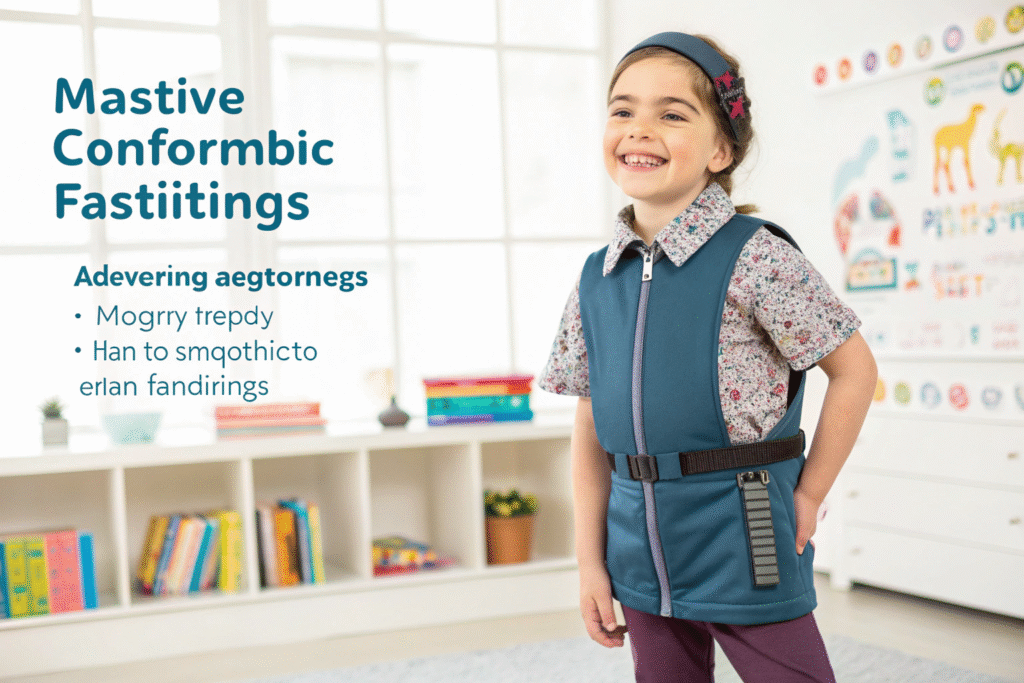
Innovative combinations of zippers with magnetic bases create systems that are both secure and easy to fasten, particularly beneficial for children with limited fine motor control or visual impairments. These systems feature magnetic bases that automatically align zipper halves, eliminating the frustrating process of inserting the zipper pin while maintaining the security of traditional zippers once fastened. According to adaptive clothing brand Tommy Adaptive, these hybrid systems have reduced dressing time by 60% for children with fine motor challenges while providing the familiar security parents expect from zippered closures. The technology represents how traditional and innovative fastening methods can combine to create superior solutions.
What Role Do Front-Opening Designs Play in Accessibility?
Strategic garment redesign that moves fastenings to more accessible locations represents a significant innovation beyond simply improving the fastenings themselves. Side-opening pants with magnetic inseams, full-back-opening shirts with shoulder fastenings, and adaptive footwear with 360-degree access all reimagine how children interact with their clothing. The Open Style Lab at Parsons School of Design has demonstrated that accessible fastening placement can increase dressing independence by 75% for children with mobility challenges. These design innovations recognize that sometimes the most significant advancement isn't improving the fastening mechanism itself but rethinking its placement and orientation relative to the child's abilities.
How Is Smart Technology Integrating with Fastening Systems?
The integration of electronics with traditional fastening methods creates interactive, functional systems that extend beyond mere closure to provide additional benefits like safety monitoring, learning opportunities, and connectivity.
Smart fastenings represent the convergence of apparel and technology, embedding electronics in ways that maintain washability, comfort, and practicality while adding functionality that appeals to both children and parents. These systems typically use low-energy Bluetooth, RFID, or simple circuit completion to create interactive experiences or practical monitoring capabilities.

What Safety Monitoring Capabilities Are Emerging?
Fastenings with integrated sensors can monitor whether children have properly secured their clothing and alert parents if critical closures like winter coat zippers or life jacket fastenings become undone. These systems use simple circuit completion—when the fastening connects, it completes a circuit that signals proper fastening. According to the Wearable Technology Association, these monitoring systems are particularly valuable for children with cognitive challenges who may not recognize when their clothing has become unfastened, potentially leading to safety risks or social embarrassment. The technology provides peace of mind for parents while maintaining the familiar physical interaction of traditional fastening for children.
How Do Educational Fastenings Support Learning?
Interactive fastenings that provide auditory feedback, light responses, or connect to learning apps turn dressing into educational opportunities. These systems might help children learn sequencing through fastenings that must be completed in order, practice colors and shapes through matching magnetic pieces, or develop fine motor skills through graduated challenge levels. Research from the Journal of Applied Developmental Psychology indicates that embedding learning opportunities in daily routines like dressing can increase skill acquisition by 40% compared to separate teaching sessions. These educational fastenings represent how everyday tasks can be transformed into valuable learning moments without adding time to busy family schedules.
What Sensory-Friendly Innovations Are Emerging?
Fastening designs that address sensory processing differences represent a significant innovation category, recognizing that traditional fastenings can be overwhelming or uncomfortable for children with sensory sensitivities.
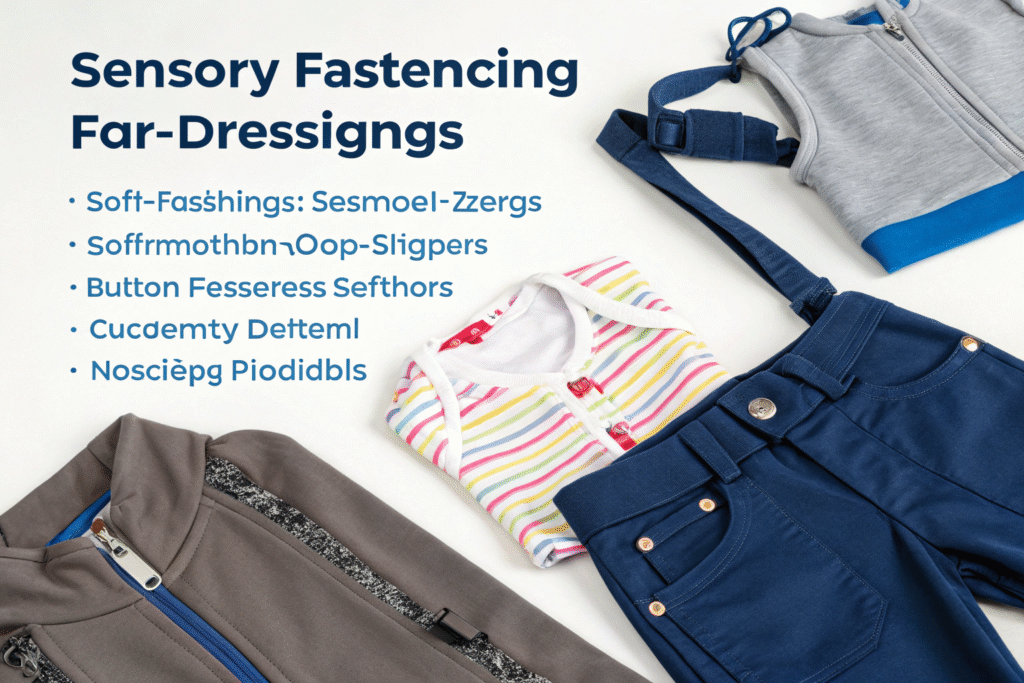
Sensory-friendly fastenings focus on reducing negative tactile experiences while maintaining functionality, using materials, mechanisms, and placements that minimize discomfort for children who may be hypersensitive to certain textures, pressures, or operational requirements. These innovations benefit all children while being particularly valuable for those with sensory processing disorder, autism spectrum disorder, or tactile defensiveness.
How Are Material Innovations Reducing Sensory Overload?
Advanced materials that provide secure fastening without traditional metal components address sensory concerns while maintaining functionality. Silicone magnetic systems, molded plastic zippers with reduced metallic content, and hook-free elastic systems all reduce the "cold," "hard," or "scratchy" sensations that can trigger sensory discomfort. The STAR Institute for Sensory Processing Disorder notes that material substitutions in fastenings can reduce dressing-related anxiety by 50% for children with tactile sensitivities. These material innovations demonstrate how addressing sensory needs doesn't require compromising on fastening security or durability when properly engineered.
What Role Do Vibration-Dampening Systems Play?
Fastening mechanisms that incorporate vibration-dampening materials or designs reduce the auditory and tactile feedback that some children find overwhelming. Zippers with polymer teeth rather than metal, magnetic systems with soft-close features, and snap fasteners with noise-reduction engineering all create quieter, less jarring fastening experiences. According to occupational therapy research published in the American Journal of Occupational Therapy, reducing unexpected auditory feedback during dressing can improve cooperation and reduce anxiety for children with auditory processing challenges. These vibration-dampening innovations recognize that fastening discomfort isn't always tactile—sometimes the sounds and vibrations associated with traditional fastenings create barriers to dressing independence.
How Are Eco-Conscious Fastening Systems Evolving?
Sustainable fastening innovations address environmental concerns without compromising functionality, using biodegradable materials, recycled components, and designs that extend garment life.
The latest eco-conscious fastenings focus on circular economy principles, designing for disassembly, using renewable materials, and creating systems that maintain functionality throughout a garment's lifespan and beyond. These innovations respond to growing consumer demand for sustainability throughout the supply chain, including often-overlooked components like fastenings.
What Biodegradable Fastening Options Are Emerging?
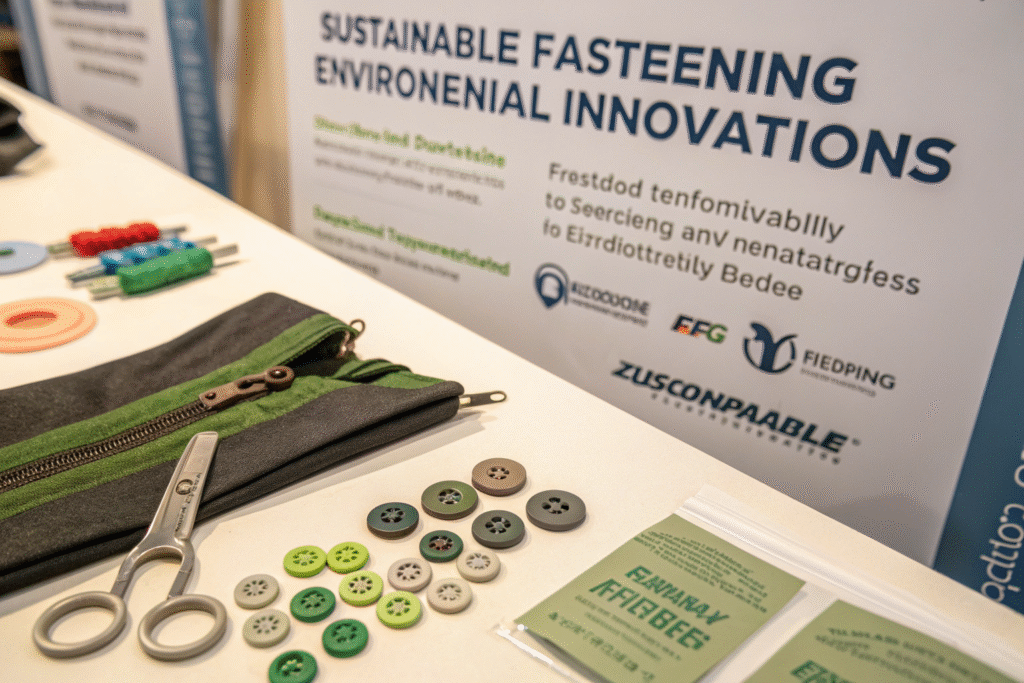
Plant-based polymers, natural material composites, and innovative bioplastics are creating fastening systems that break down safely at end of life without sacrificing durability during use. Buttons made from corozo nut, zippers created from polylactic acid (PLA) derived from corn starch, and snaps manufactured from cellulose-based materials all offer viable alternatives to petroleum-based fastenings. According to the Sustainable Apparel Coalition's materials guide, these bio-based fastenings can reduce the carbon footprint of clothing components by 30-60% compared to traditional petroleum-based options. While still representing a small percentage of the market, their availability is growing as manufacturing processes improve and costs decrease.
How Do Repair-Friendly Designs Support Sustainability?
Fastening systems designed for easy replacement and repair extend garment life by allowing individual components to be refreshed rather than requiring entire garment replacement. Modular magnetic systems with replaceable components, zippers with interchangeable sliders, and snap fasteners with standardized bases all support repair culture. The Ellen MacArthur Foundation's circular design principles emphasize designing for disassembly and repair as crucial strategies for reducing fashion waste. For children's clothing, which often wears out at stress points like fastenings long before the main garment fabric deteriorates, these repair-friendly systems can extend usable life by 50-100%, significantly reducing the environmental impact of children's clothing consumption.
Conclusion
The latest innovations in kids clothing fastenings represent a significant evolution from mere functional components to sophisticated systems that address safety, development, accessibility, sensory needs, and environmental concerns. From magnetic systems that build dressing confidence to smart fastenings that provide additional functionality, adaptive designs that increase accessibility, sensory-friendly options that reduce discomfort, and eco-conscious solutions that support sustainability, these advancements demonstrate how rethinking even the smallest clothing elements can create meaningful improvements in children's lives.
The most successful fastening innovations balance technological sophistication with practical simplicity, recognizing that children's clothing must ultimately withstand active use while supporting development and independence. If you're developing children's wear incorporating these innovative fastening systems and need manufacturing partners with expertise in implementing these technologies while maintaining quality and safety standards, contact our Business Director, Elaine, at elaine@fumaoclothing.com. Let's discuss how we can help you integrate the latest fastening innovations into your collections while ensuring they deliver both the functionality children need and the durability parents expect.