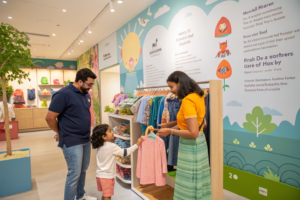
Parents today ask important questions about clothing safety. As a manufacturer, I hear these concerns daily. The conversation has moved beyond basic fabric quality. Now it focuses on what touches children's skin. Eco-friendly dyes represent a fundamental shift in the industry. Brands must adapt to this new reality.
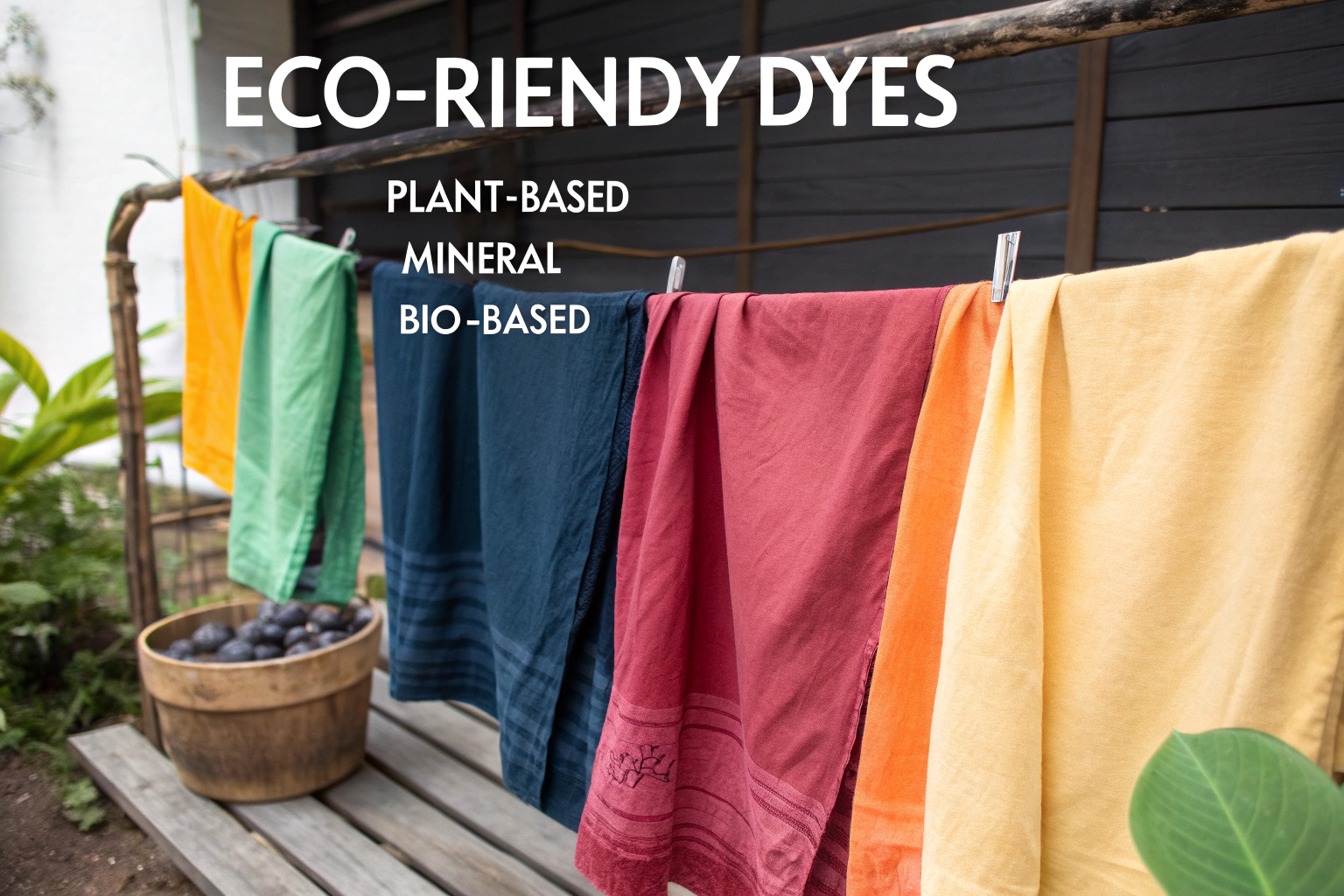
The latest eco-friendly dyes include plant-based, mineral, and bio-based options. These solutions provide vibrant colors while reducing environmental impact. They meet strict international safety standards. This addresses growing consumer demand for non-toxic children's clothing. The industry has evolved beyond conventional synthetic dyes. New options offer safety for children and the planet.
What Are The Benefits Of Using Natural Dyes In Children's Clothing?
Brand owners want products that are safe and high quality. Sustainable materials can be confusing. The dye choice affects both safety and market appeal.
Natural dyes offer enhanced safety and reduced environmental impact. They come from plants and minerals. This makes them non-toxic and biodegradable. Consumers increasingly demand eco-conscious products. Natural dyes give brands a compelling story to tell. Customers appreciate knowing their children's clothes use safe coloring methods.
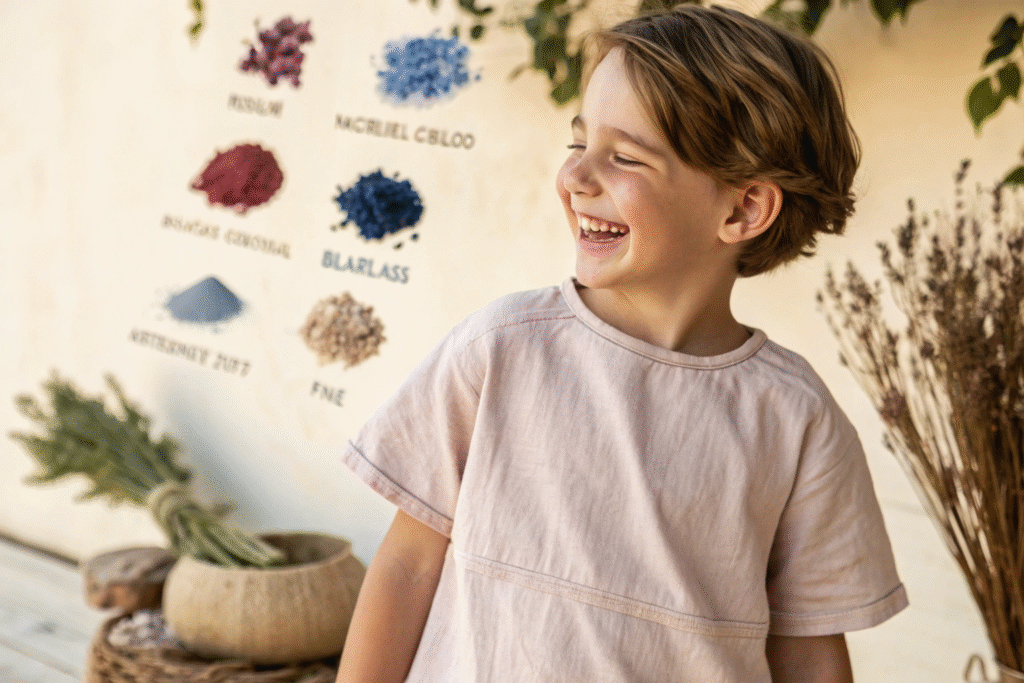
How Do Natural Dyes Improve Skin Safety?
Children have sensitive skin. Harsh chemical residues cause irritation and allergies. Natural dyes avoid these problems. They contain no heavy metals or toxic chemicals. This reduces skin reaction risks. The production process is cleaner too. Brands benefit from using these safer dyes. Parents trust companies that prioritize child safety. These dyes often meet strict international safety standards.
Are Natural Dyes Better For The Environment?
Natural dyes have lower environmental impact. The key difference is biodegradability. Synthetic dyes come from petroleum. They pollute waterways for long periods. Natural dyes use renewable resources. They break down organically. Plant cultivation can support sustainable farming. Water usage remains a consideration. The effluent is non-toxic though. Manufacturers should implement water recycling systems. This approach minimizes the environmental impact of textile production.
How Can I Find A Reliable Sustainable Dyeing Manufacturer?
Finding trustworthy partners is challenging. Many suppliers make false "green" claims. You need verified credentials and proven processes.
Check certifications and audit supply chains. Review track records with other brands. Good partners share their dye sources openly. They prove their wastewater treatment methods. Transparency indicates true expertise. The right manufacturer turns sourcing challenges into brand strengths.

What Certifications Should I Look For?
Certifications provide independent verification. They protect against false claims. Several standards matter for dyes and textiles.
| Certification | Focus Area | Importance |
|---|---|---|
| OEKO-TEX Standard 100 | Tests final products for harmful substances | Guarantees textiles lack toxic chemicals |
| Global Organic Textile Standard (GOTS) | Covers entire production process | Ensures organic status and environmental compliance |
| bluesign® | Approves safe chemicals and processes | Manages environmental impact from the beginning |
Certified manufacturers demonstrate real commitment. They provide evidence for your marketing claims. This builds customer trust in your brand's sustainable manufacturing practices.
Why Is Supply Chain Transparency Important?
Transparency prevents greenwashing. You need to know dye origins and processing methods. Reliable manufacturers track materials from source to product. This ensures alignment with your brand values. A plant-based dye isn't truly sustainable if farming practices are destructive. Transparent partnerships give you control. You can accurately tell your product's story. This meets consumer demand for ethical fashion information.
What Is The Cost Difference Between Conventional And Eco-Friendly Dyes?
Cost considerations are essential for business decisions. Sustainable investments must make financial sense.
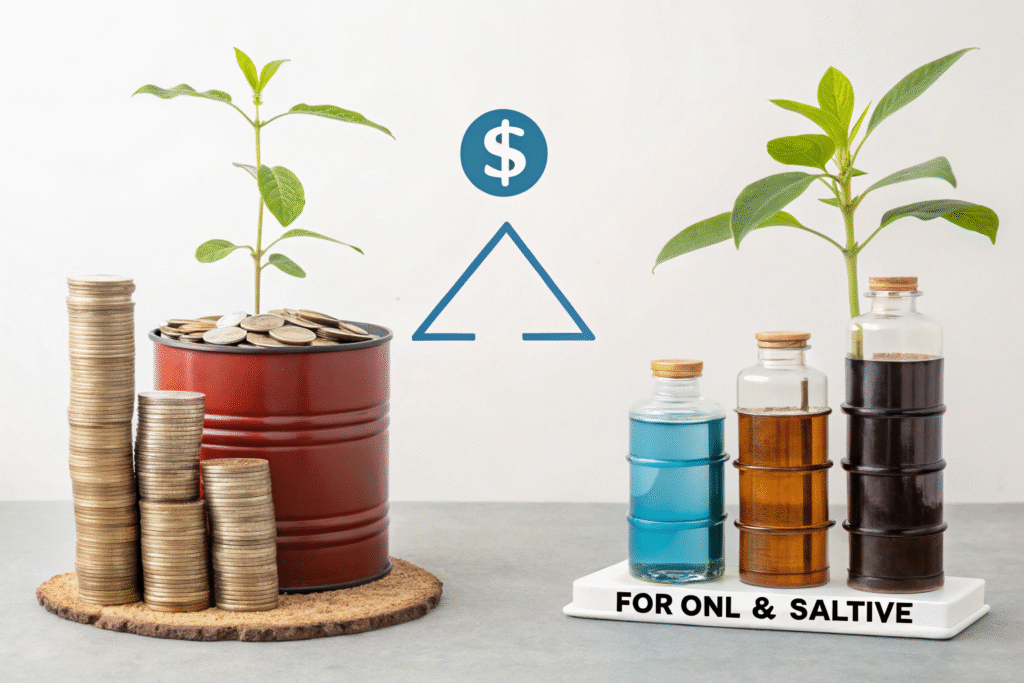
Eco-friendly dyes cost more initially. Raw materials are more expensive. Production scales are smaller. Application processes can be complex. However, added brand value often justifies the cost. Premium pricing and customer loyalty balance the investment. View this as a strategic business decision.
Does Using Eco-Dyes Justify Higher Prices?
Eco-friendly dyes support premium pricing. Consumers actively seek safer options. They willingly pay more for verified safety. Natural dyes provide marketable benefits. They transform basic garments into conscious purchases. This added value protects your profit margins. It strengthens your brand positioning. You become an industry leader. This commitment to sustainable products can win customers.
How Can I Manage Sustainable Dyeing Costs?
Strategic manufacturer partnerships help control costs. Several approaches work effectively.
- Larger orders reduce per-unit costs through economies of scale.
- Simplified color palettes use cost-effective dye options.
- Advanced production planning prevents expensive rush fees.
Good manufacturers help optimize these factors. The goal is maximum value without compromising sustainability. This approach supports long-term business growth.
Are Eco-Friendly Dyes As Durable And Vibrant As Synthetic Ones?
Quality concerns are valid. Synthetic dyes established high performance standards. Brands cannot compromise on visual appeal.
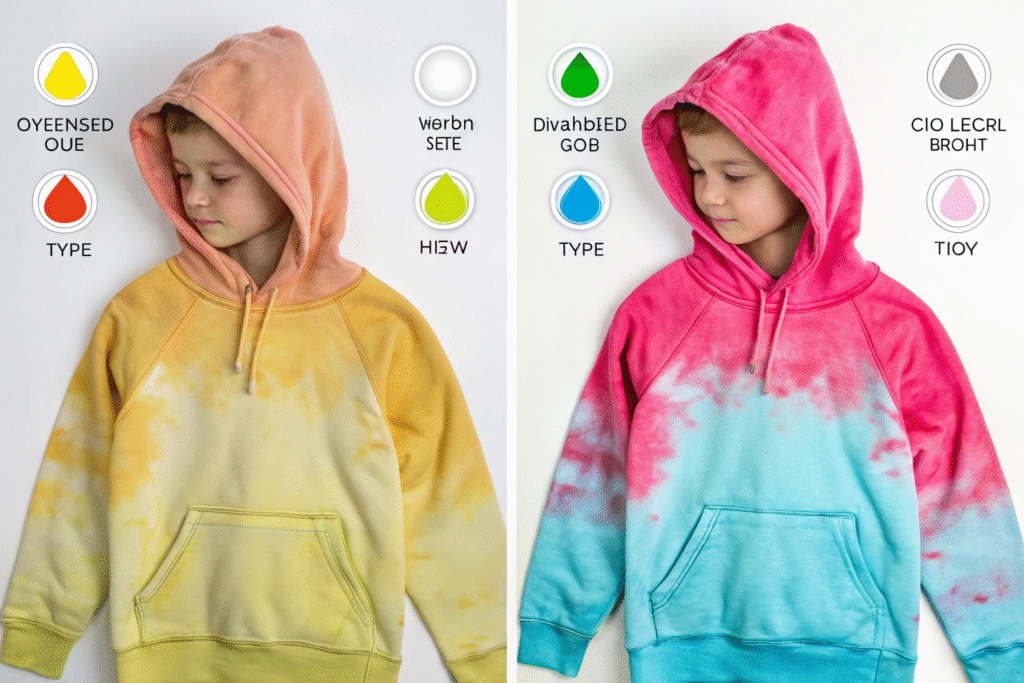
Modern eco-friendly dyes achieve excellent durability. Technological advances ensure vibrant colors. Bio-based and mineral dyes perform comparably to synthetics. They often use less water and energy. Manufacturer expertise ensures proper application. The right partner delivers both beauty and longevity.
How Do I Ensure Colorfastness?
Colorfastness requires technical expertise. Manufacturers use safe mordants to fix dyes. Fabric choice affects dye bonding. Natural fibers work best with natural dyes. Post-dyeing treatments improve wash resistance. Professional testing ensures quality standards. Labs conduct wash-fastness and rub-fastness tests. This meticulous quality control guarantees lasting beauty.
What Fabrics Work Best With Eco-Dyes?
Fabric and dye compatibility matters greatly. Some combinations work exceptionally well.
- Organic cotton absorbs dyes beautifully for soft, vibrant colors.
- Bamboo viscose takes rich, deep shades beautifully.
- Hemp and linen yield unique, earthy tones naturally.
Synthetic fibers present more challenges. However, new bio-based innovations are emerging. Knowledgeable manufacturers guide optimal combinations. This ensures alignment with sustainable fashion principles.
Conclusion
Eco-friendly dyes represent an industry transformation. Consumer demand drives this change. Environmental responsibility matters more than ever. Commercial opportunities exist for forward-thinking brands. Plant-based, mineral, and bio-based dyes offer viable alternatives. They provide safety assurances parents want. They deliver the quality brands require. They benefit our planet's health. This choice is both ethical and strategic.
The right manufacturing partner makes all the difference. Expertise in advanced dyeing techniques is crucial. If you want to elevate your children's wear line, we should talk. We offer experience and verified certifications. We maintain strong quality commitments. Contact our Business Director, Elaine, at elaine@fumaoclothing.com. Let's discuss your next clothing order.