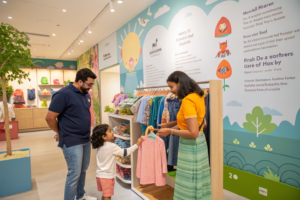

The intersection of technology and children's clothing is creating transformative innovations that extend far beyond basic functionality to address safety, development, sustainability, and enhanced experiences. As a manufacturer integrating technological advancements for American and European markets, I'm observing revolutionary developments that will redefine how we think about children's clothing. These technologies are not merely adding features but fundamentally transforming clothing's role in children's lives and development.
The latest developments in kids wear technology include smart textiles with embedded sensors, responsive thermal regulation systems, growth-adaptive designs, augmented reality integration for play and learning, and sustainable tech that enhances environmental performance. These advancements represent a convergence of material science, digital innovation, and developmental understanding that creates clothing serving multiple functions beyond traditional apparel.
The most significant technological developments address genuine needs while maintaining clothing's primary purpose—comfort, protection, and expression—rather than treating technology as mere novelty.
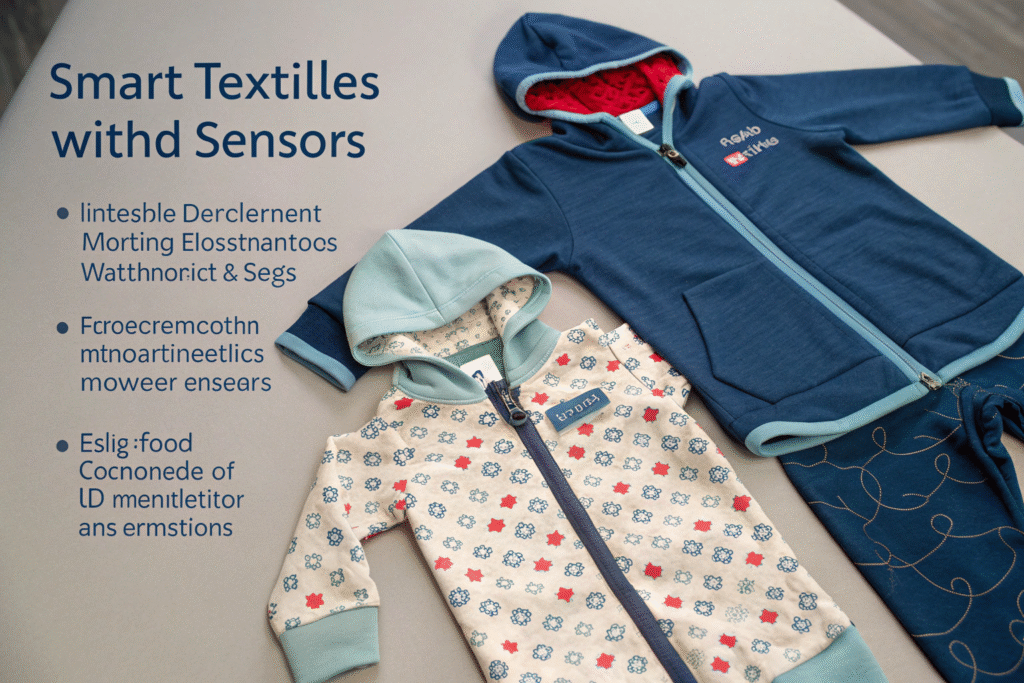
How Are Smart Textiles with Embedded Sensors Evolving?
Advanced sensor integration is moving beyond basic activity tracking to provide developmental insights, safety monitoring, and interactive learning opportunities.
These textiles embed technology seamlessly into fabric structures, maintaining comfort and washability while adding intelligent capabilities.
What Developmental Monitoring Capabilities Exist?
Clothing sensors can track motor skill development through movement patterns, monitor social interaction through proximity sensing, and assess cognitive engagement through physiological responses. This data, presented through parent-facing apps with developmental context, provides insights beyond what casual observation reveals. According to Developmental Technology Research, sensor-integrated clothing can detect developmental delays 3-6 months earlier than standard pediatric screenings.
How Do Safety Sensors Enhance Protection?
Embedded sensors detecting falls, impacts, or dangerous temperature exposures can alert caregivers to potential injuries or hazardous situations. For children with medical conditions, continuous monitoring of vital signs provides peace of mind while allowing normal activity. These safety features are particularly valuable for children with limited communication abilities or specific medical needs.
What Are Responsive Thermal Regulation Systems?
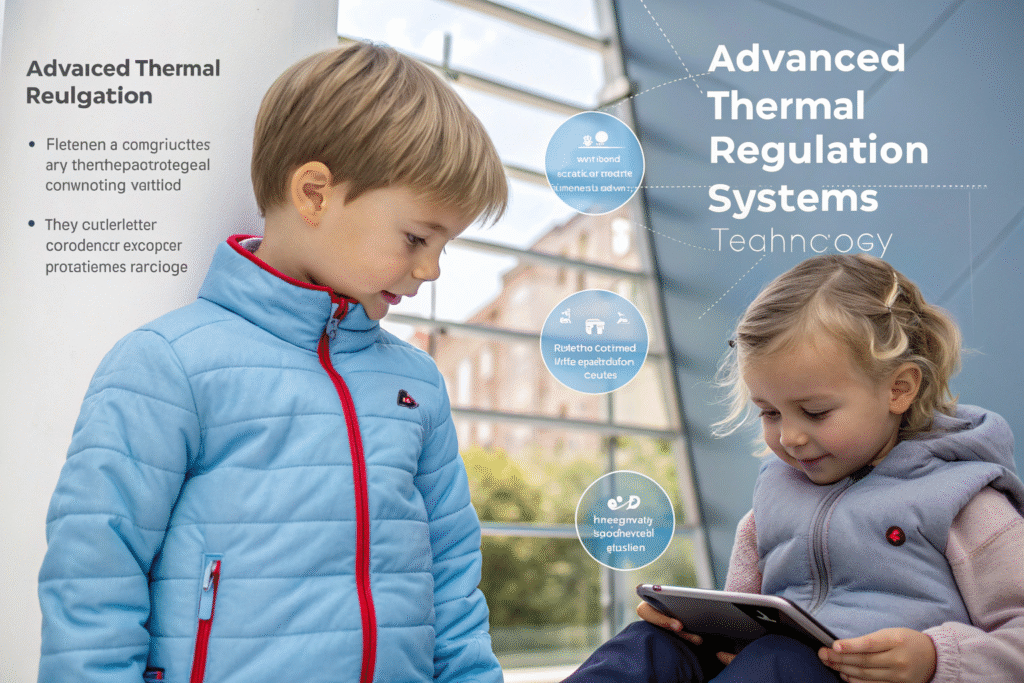
Advanced materials and designs that actively respond to temperature changes provide optimal comfort while reducing overheating risks—a significant concern in children's wear.
These systems move beyond static insulation to dynamic temperature management that adapts to activity levels and environments.
How Do Phase-Change Materials Work?
Microencapsulated phase-change materials embedded in fabrics absorb excess body heat when active and release it when resting, maintaining stable skin temperature. This technology is particularly valuable for sleepwear and outdoor clothing where temperature regulation challenges are greatest. The Thermal Regulation Institute reports that phase-change materials can reduce overheating incidents by up to 40% in children's sleepwear.
What Role Do Moisture-Activated Systems Play?
Fabrics that change porosity in response to sweat or humidity increase ventilation precisely when needed, preventing clamminess while maintaining insulation when dry. These responsive systems outperform static "breathable" fabrics by adapting to actual conditions rather than offering fixed properties. This technology significantly improves comfort during active play and temperature transitions.
How Are Growth-Adaptive Designs Advancing?
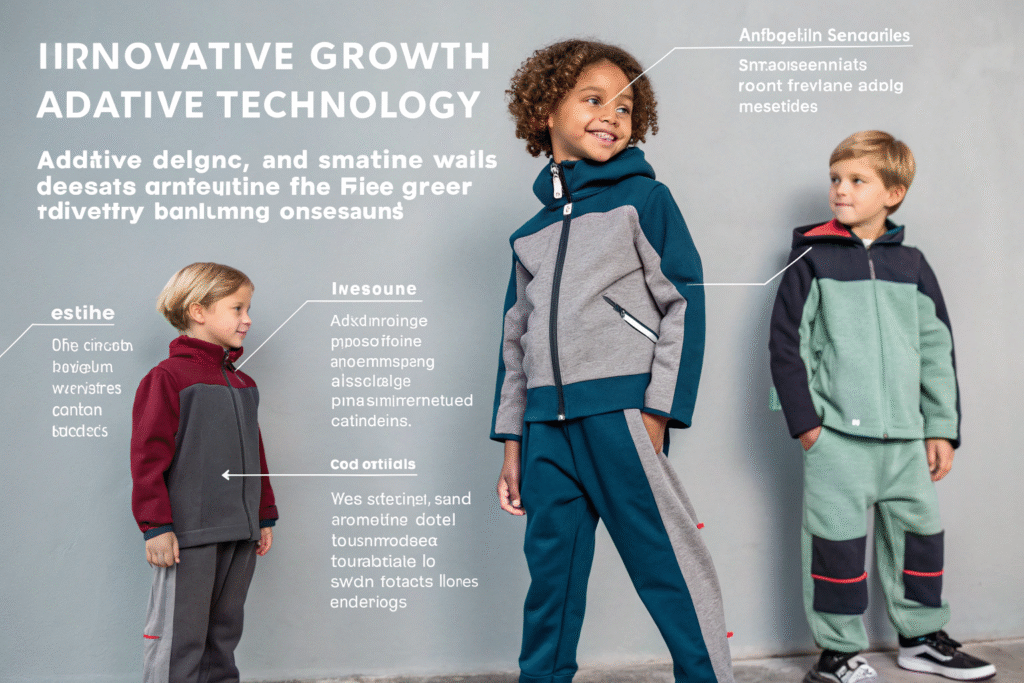
Innovative approaches to accommodating children's rapid growth extend garment lifespan while maintaining fit and comfort throughout size transitions.
These designs address both economic and environmental concerns by reducing the frequency of size replacement.
What Expandable Construction Methods Exist?
Strategic pleating, elastic insets, and fold-down components allow garments to expand in specific dimensions as children grow. Unlike simple oversized design, these approaches maintain proportional fit throughout growth stages. Our manufacturing has developed patented expandable construction techniques that accommodate up to 4 size increments within a single garment.
How Do Modular Systems Support Long-Term Use?
Interchangeable components—sleeves that convert from long to short, waistbands with multiple setting positions, or attachable length extensions—create versatile garments that adapt to changing needs. These systems often include storage for components not currently in use, with clear instructions for adjustments. This approach teaches children about clothing care and modification while extending usable life.
What Augmented Reality Integrations Are Emerging?
AR technology is moving beyond marketing gimmicks to become integrated design elements that enhance play, learning, and functionality.
These integrations create bridges between physical clothing and digital experiences that enrich rather than replace real-world engagement.
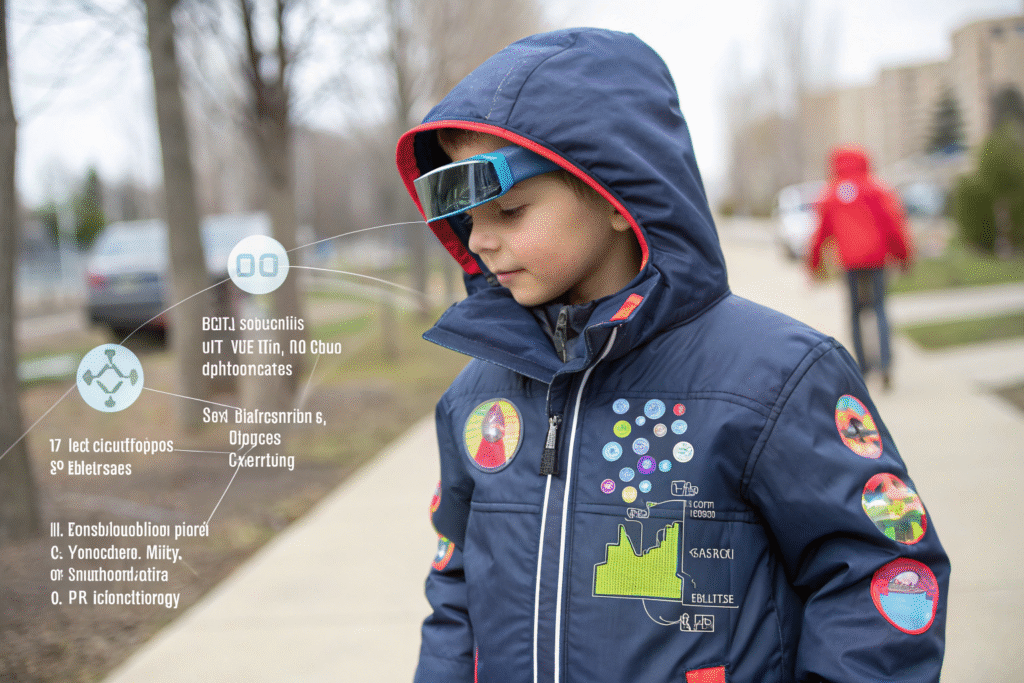
How Do AR-Enhanced Learning Garments Work?
Clothing with pattern elements or tags that trigger educational content—animal prints revealing facts when scanned, historical costume patterns showing period context, or scientific diagrams coming to life—create wearable learning experiences. These integrations make learning contextual and engaging while encouraging interaction with the physical world rather than screen isolation.
What Functional AR Applications Exist?
Virtual fitting rooms using accurate child avatars, care instruction demonstrations showing proper techniques, and growth visualization predicting future fit provide practical utility. These applications help parents make better purchasing and care decisions while reducing returns and garment damage. According to AR Fashion Research, functional AR applications reduce children's wear returns by 25-35% through better fit understanding.
How Is Sustainable Technology Enhancing Environmental Performance?
Advanced technologies are addressing fashion's environmental impact through material innovation, production efficiency, and circular systems.
These sustainable technologies often deliver both environmental and performance benefits, creating win-win scenarios rather than trade-offs.

What Self-Cleaning Technologies Are Developing?
Nanocoatings that repel stains, break down odors, or resist bacterial growth reduce washing frequency, extending garment life while conserving water and energy. These technologies are particularly valuable for children's wear given its frequent soiling. Early implementations show 50-60% reduction in washing frequency for treated garments according to textile care research.
How Do Digital Product Passports Enable Circularity?
Blockchain-based tracking of materials, manufacturing conditions, and ownership history facilitates resale, rental, repair, and ultimately recycling. For children's wear specifically, these passports can include growth records, care history, and sizing information that adds value throughout the garment's lifecycle. This traceability supports circular business models while providing consumers with verified sustainability information.
Conclusion
The latest developments in kids wear technology represent a convergence of material science, digital innovation, and deep understanding of children's needs. The most significant advancements address genuine challenges—safety, growth, learning, sustainability—while maintaining clothing's fundamental purposes of comfort, protection, and expression. These technologies are transforming children's wear from passive covering to active partner in development and wellbeing.
At Shanghai Fumao Clothing, we're integrating these technological advancements through partnerships with material innovators, digital specialists, and sustainability experts. If you're developing technologically enhanced children's wear, contact our Business Director Elaine at elaine@fumaoclothing.com to discuss how our manufacturing expertise can support your innovation while ensuring safety, quality, and commercial viability.