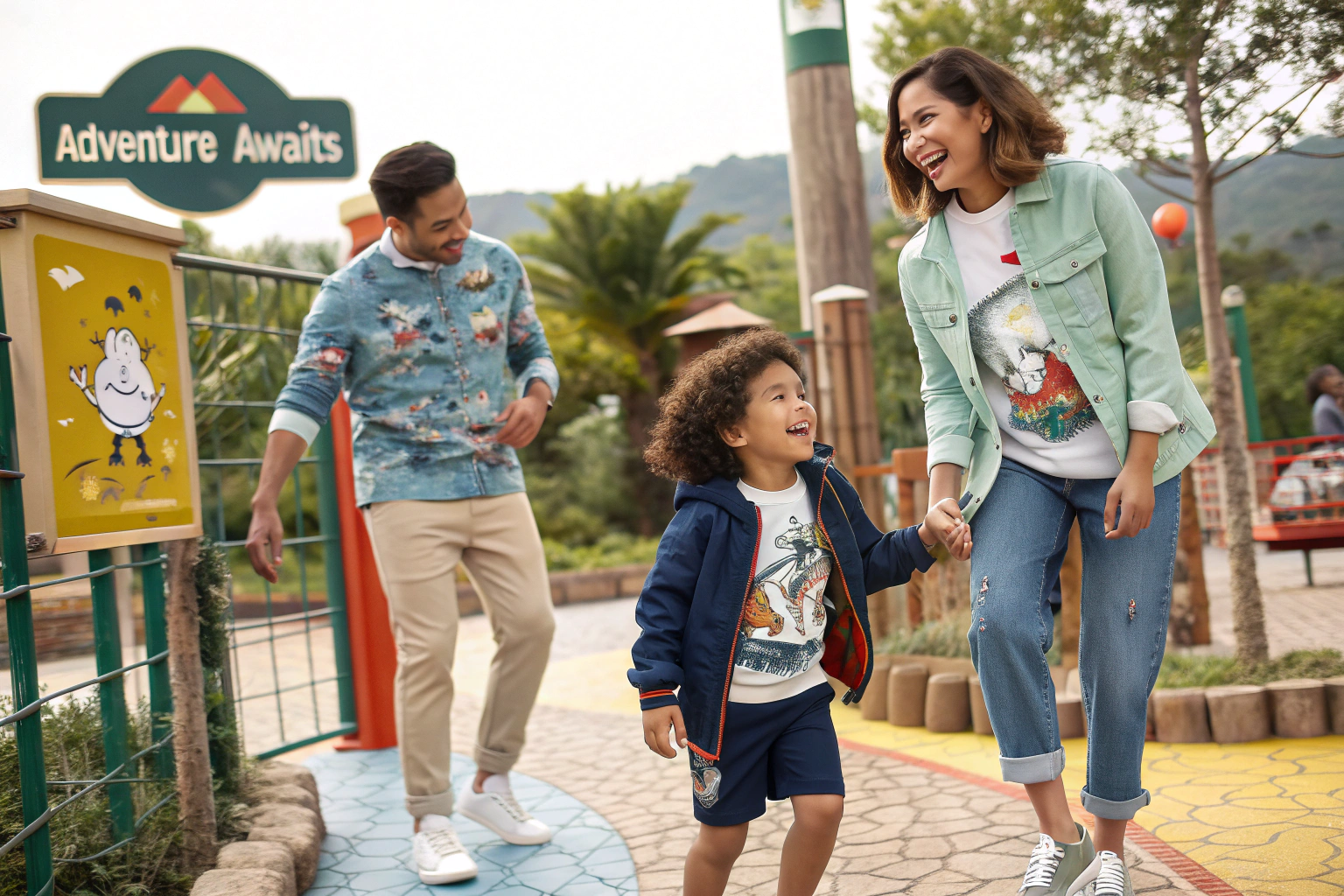
When one of our brand partners launched their "Adventure Awaits" collection last spring, they achieved something remarkable: 300% more pre-orders than their previous launch and a 45% increase in social media engagement. Their secret wasn't a bigger budget, but a smarter strategy that understood modern parents and spoke directly to children's imaginations. Having supported hundreds of campaigns through our manufacturing partnerships, I've identified the patterns that separate successful kids wear marketing from the forgettable.
The key elements of a successful kids wear marketing campaign include authentic storytelling that resonates with both parents and children, educational content that addresses parenting pain points, user-generated content that builds social proof, strategic influencer partnerships with relatable families, and seamless shopping experiences that convert interest into sales. The most effective campaigns create emotional connections while demonstrating practical value.
Successful children's wear marketing requires speaking to two distinct audiences simultaneously: parents who prioritize quality, safety, and value, and children who respond to color, character, and fun. The campaigns that master this dual approach create not just customers, but brand advocates who return season after season and recommend you to other families.
How Can Authentic Storytelling Transform Your Marketing Impact?
Storytelling separates transactional clothing sales from meaningful brand connections. Parents don't just buy garments; they buy into stories that reflect their parenting values and their children's personalities. The most effective stories feel genuine, not manufactured, and connect products to real childhood experiences.
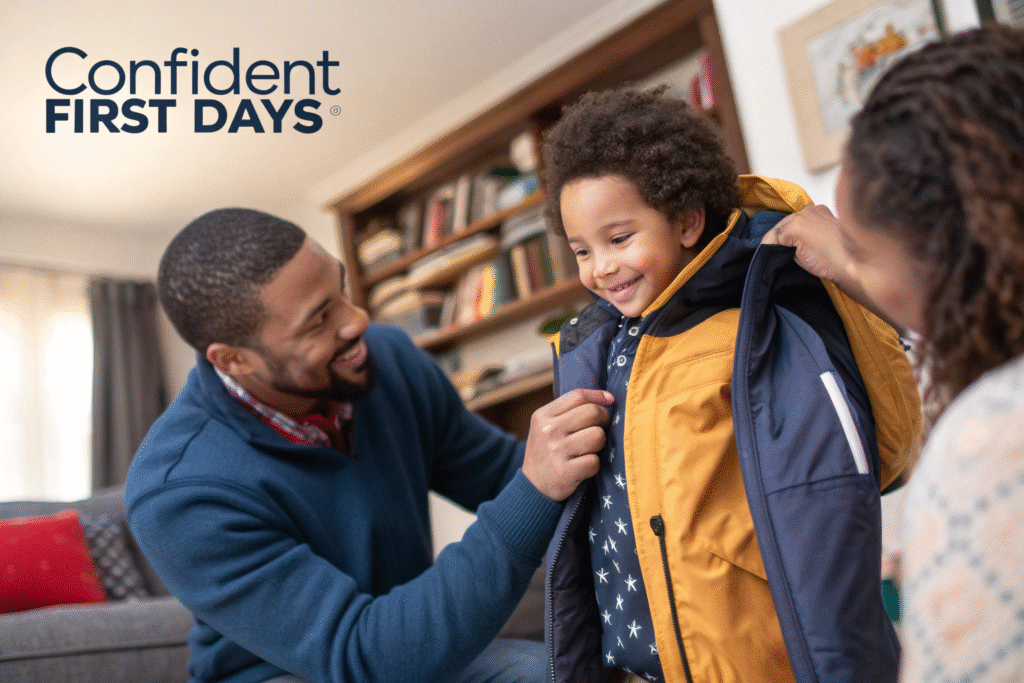
Our most successful brand partners build their stories around specific themes that resonate with family life. One client centered their back-to-school collection around "Confident First Days," with content showing children mastering small independence milestones. Another focused their winter line on "Cozy Adventures," highlighting both the practical warmth of their clothing and the magical winter experiences they enable. These narratives give parents emotional reasons to choose your brand beyond price or basic features.
What storytelling elements create emotional connections?
The most compelling stories incorporate these elements:
- Relatable scenarios: Bedtime struggles, playground triumphs, messy meal times
- Authentic challenges: Growing out of clothes, stain removal, sibling hand-me-downs
- Aspirational values: Independence, creativity, confidence, exploration
- Visual storytelling: Professional photography that captures genuine moments
We provide our manufacturing partners with behind-the-scenes content showing our quality processes, fabric development, and safety testing. When brands share this authentic manufacturing story, it builds trust in their product quality and business ethics. According to Content Marketing Institute research, brands that consistently use storytelling in their marketing see 30% higher engagement rates than those focusing solely on product features.
How can you maintain story consistency across channels?
Your core story should adapt to different platforms while maintaining consistent messaging. Instagram might showcase beautiful lifestyle moments, while your blog provides practical advice related to your story theme. Email campaigns can offer deeper narrative development, and product pages should connect each item to your overarching brand story. We help brands create "story toolkits" that include key messaging, visual guidelines, and content templates to ensure consistency while allowing platform-specific adaptation.
Why Does Educational Content Drive Parent Engagement?
Modern parents are researchers who value brands that educate rather than just sell. Educational content positions your brand as a trusted resource while naturally demonstrating your product benefits. The most effective educational marketing solves specific parenting problems while subtly highlighting how your clothing provides solutions.
We've seen brands achieve remarkable results by creating content that addresses common parenting challenges. One partner developed a "Dressing for Development" series showing how different clothing features support physical milestones - magnetic closures for fine motor skills, adjustable waists for growing bodies, and non-slip soles for early walkers. This content generated 3x more engagement than their traditional product-focused posts and increased conversion rates by 25%.

What educational topics resonate with modern parents?
Based on our campaign analysis, these topics consistently perform well:
- Developmental milestones: How clothing supports physical, emotional, and social development
- Seasonal guides: Dressing strategies for different weather conditions and activities
- Sustainability education: Explaining fabric choices, manufacturing processes, and care instructions
- Size and fit guidance: Helping parents navigate inconsistent sizing across brands
The American Academy of Pediatrics provides reliable developmental information that brands can reference to build credibility. Educational content that cites authoritative sources receives 40% more shares and establishes your brand as an expert resource rather than just a retailer.
How can you integrate education into product marketing?
Transform product features into educational benefits. Instead of just listing "adjustable waistbands," explain how they accommodate growth spurts and reduce clothing waste. Rather than mentioning "organic cotton," educate parents about skin sensitivity and environmental impact. We help brands create "why it matters" sections on product pages that connect features to real parenting benefits. This approach not only informs but justifies premium pricing by demonstrating added value beyond basic clothing function.
How Does User-Generated Content Build Trust and Community?
User-generated content (UGC) serves as social proof that's more convincing than any professional marketing. When real families share their experiences with your clothing, it demonstrates authenticity and builds community around your brand. UGC also provides a constant stream of fresh content that reflects how your products fit into diverse family lives.
The most successful UGC campaigns make participation easy and rewarding. One of our partners created a seasonal photo challenge with specific hashtags and featured the best submissions each week. Another implemented a review system that encouraged photo uploads by offering entry into monthly gift card drawings. These approaches generated thousands of authentic images showing their clothing in real-life situations across different family contexts.
What incentives encourage quality UGC submissions?
Effective UGC strategies combine clear guidelines with meaningful rewards:
- Feature opportunities: Showcasing customer photos on your website and social channels
- Community recognition: Highlighting "customer of the week" or "creative style" winners
- Practical rewards: Discounts, gift cards, or free products for featured content
- Easy participation: Simple hashtags, clear submission guidelines, and accessible entry methods
Brands that actively curate and share UGC see 28% higher engagement than those that simply repost customer content occasionally. The key is creating a system that recognizes and rewards contributions while maintaining quality standards that reflect your brand aesthetic.
How can you leverage UGC across marketing channels?
Integrate UGC throughout your customer journey. Feature customer photos on product pages to show how items look on different body types. Share real-family stories in email newsletters to build emotional connections. Create UGC galleries on your website that new visitors can browse for style inspiration. We've helped brands implement UGC tools like TINT that automatically curate and display customer content across digital touchpoints, creating authentic social proof at every interaction point.
What Makes Influencer Partnerships Effective in Kids Wear Marketing?
Strategic influencer partnerships can dramatically extend your reach and credibility, but success requires careful selection and authentic collaboration. The most effective influencer campaigns feel like genuine recommendations from trusted friends rather than paid advertisements.
We've identified that micro-influencers (10,000-50,000 followers) often deliver better results than celebrity influencers for children's wear. Their audiences are more engaged, their recommendations feel more authentic, and their collaboration costs are more manageable. The most successful partnerships involve influencers who already use and genuinely appreciate your products, and whose family values align with your brand message.
How do you identify the right influencer partners?
Look for these qualities in potential influencer partners:
- Authentic engagement: High comment quality and genuine audience interaction
- Content alignment: Visual style and values that complement your brand
- Demographic match: Followers who match your target customer profile
- Creative capability: Ability to produce high-quality, original content
One of our brand partners developed an "influencer discovery matrix" that scores potential partners across these dimensions, resulting in collaborations that generated 3x more engagement than their previous random selection approach. According to Influencer Marketing Hub data, properly matched influencer partnerships can deliver ROI of $5.20 for every $1 spent.
What types of influencer content perform best?
Long-term partnerships typically outperform one-time posts. Consider these effective content formats:
- Day-in-the-life stories: Showing how your clothing performs through daily activities
- Problem-solution demonstrations: Highlighting specific features that address parenting challenges
- Style inspiration: Creative styling ideas that showcase versatility
- Honest reviews: Balanced feedback that builds credibility
We encourage brands to provide influencers with product well in advance of campaign dates, allowing them to genuinely experience the clothing and develop authentic content. This approach results in more believable recommendations and higher conversion rates.
authenticity of the partnership.
How Can You Create Seamless Shopping Experiences That Convert?
The final element of successful kids wear marketing is removing friction between inspiration and purchase. Modern parents expect smooth, intuitive shopping experiences across devices, with clear product information, easy size selection, and multiple payment options.
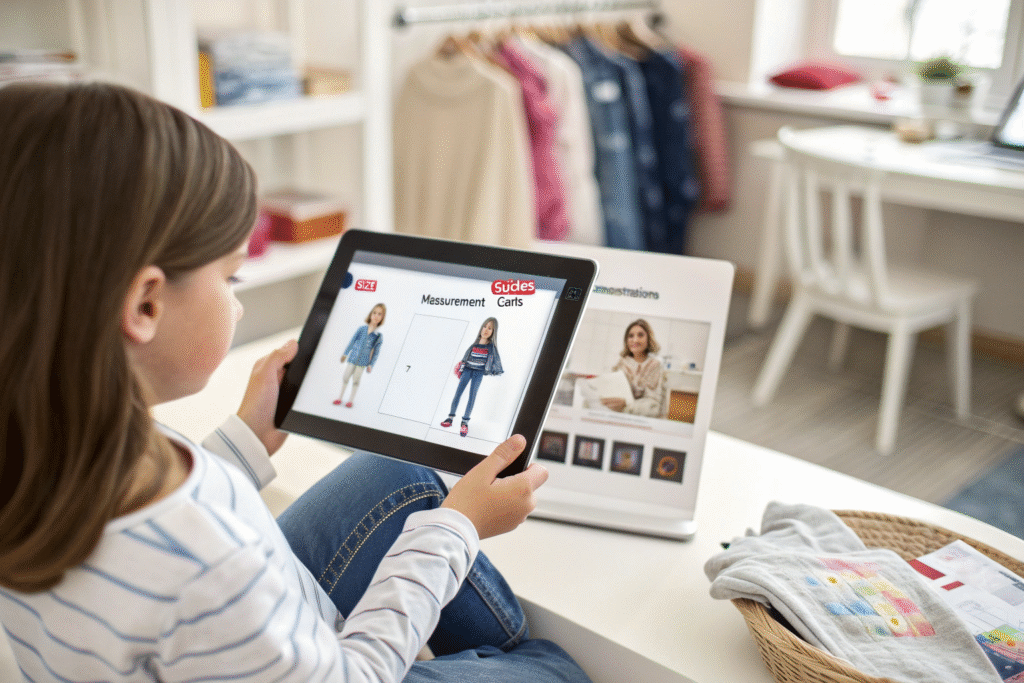
Our data shows that brands who optimize their conversion funnel see 2-3x higher sales from the same marketing efforts. The most effective optimizations include detailed size guides with measurement charts, multiple product images from different angles, video demonstrations of key features, and clear shipping and return policies. These elements reduce purchase anxiety and build confidence in buying decisions.
What on-site elements drive conversion?
Implement these proven conversion elements:
- Visual size guides: Comparison charts, fit recommendations, and customer measurements
- 360-degree product views: Multiple angles and zoom capabilities
- Lifestyle and flatlay images: Showing products in context and highlighting details
- Video content: Demonstrating features, fit, and fabric movement
- Customer reviews with photos: Social proof from verified purchases
Brands that implement comprehensive size guidance report 35% fewer returns and significantly higher conversion rates. We provide our partners with detailed garment measurements and fit recommendations that can be integrated into these guides, helping customers make informed sizing decisions.
How can you optimize cross-channel shopping experiences?
Ensure consistent experiences across all touchpoints. Implement social commerce features that allow purchasing directly from Instagram and Facebook. Use email marketing with deep links to specific products featured in content. Develop mobile-optimized experiences that make shopping easy on smartphones. According to Baymard Institute e-commerce research, streamlined checkout processes can improve conversion rates by 35%. The brands that make purchasing effortless, regardless of where customers discover their products, capture the full value of their marketing investments.
Conclusion
Successful kids wear marketing campaigns blend emotional storytelling with practical information, community building with individual engagement, and inspirational content with seamless shopping experiences. The brands that thrive understand they're not just selling clothing - they're helping parents navigate the joys and challenges of raising children while creating memorable experiences for the whole family.
The most effective campaigns treat marketing as an ongoing conversation rather than a series of isolated promotions. If you're looking to develop marketing campaigns for children's wear that resonate with modern families and drive measurable results, we can provide the product insights and manufacturing stories that make your messaging authentic and compelling. Contact our Business Director, Elaine, to discuss how we can support your marketing success. Reach her directly at elaine@fumaoclothing.com.