
Sourcing baby clothing from China presents unique opportunities and challenges that require specialized knowledge and careful planning. As a manufacturer with extensive experience producing baby wear for international markets, I've helped numerous brands navigate the complexities of Chinese sourcing while ensuring quality, safety, and compliance.
The key considerations for sourcing baby clothing from China include stringent safety compliance, material quality verification, factory ethical standards, logistical planning for delicate items, and cultural understanding of both Chinese manufacturing practices and your target market's expectations. Success requires balancing cost advantages with uncompromising commitment to safety and quality.
China's manufacturing ecosystem offers significant advantages for baby clothing production, but these must be carefully managed through diligent oversight and clear communication of your specific requirements.
Why Is Safety Compliance Non-Negotiable?
Baby clothing faces the most rigorous safety standards globally, and Chinese manufacturers must demonstrate comprehensive understanding and implementation of these requirements.
Safety considerations extend beyond basic compliance to encompass every aspect of production, from material selection to final packaging.
What Safety Certifications Are Essential?
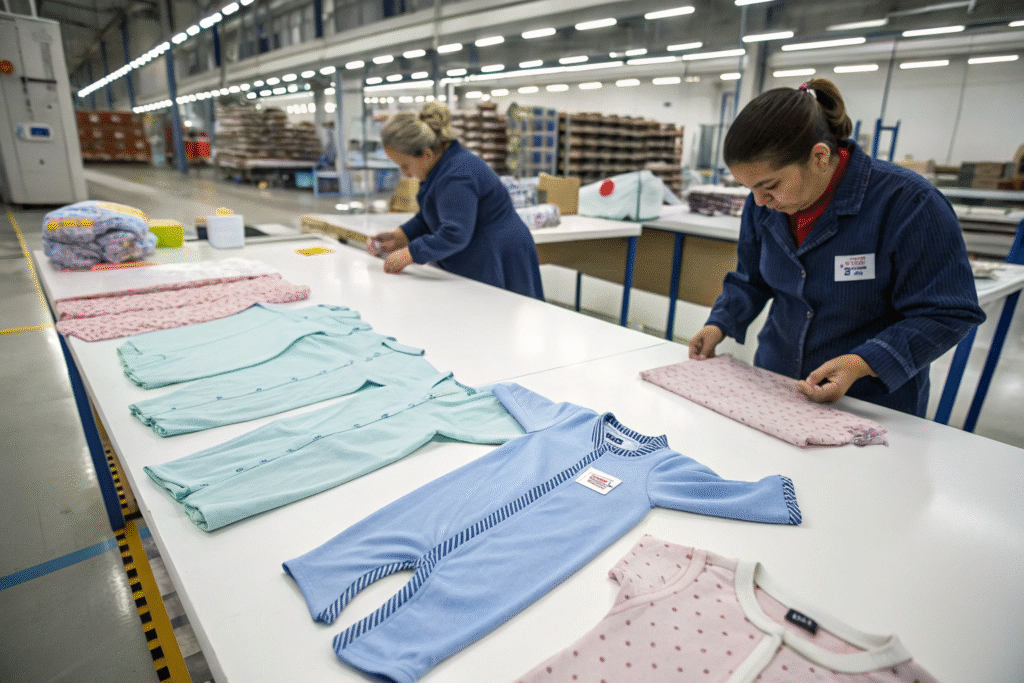
Working with factories that maintain current international safety certifications is fundamental. For baby clothing, this includes CPSIA compliance for the US market, EN71 for Europe, and AS/NZS ISO 8124 for Australia. Additionally, chemical safety certifications like OEKO-TEX Standard 100 ensure fabrics are free from harmful substances. These certifications shouldn't be merely presented—they should be verified through independent audits and regular testing. At our facility, we maintain comprehensive certification and welcome client-appointed third-party verification.
How Do You Verify Ongoing Compliance?
Safety compliance requires continuous monitoring rather than one-time certification. Implement rigorous testing protocols including pre-production material testing, in-process quality checks, and final random sample testing. For baby clothing, pay particular attention to small parts safety, drawstring regulations, flammability standards, and chemical content. The most successful sourcing relationships include clear documentation of all testing procedures and immediate notification of any compliance concerns.
| Safety Area | Key Requirements | Verification Method | Documentation Needed |
|---|---|---|---|
| Chemical Safety | OEKO-TEX Standard 100, CPSIA | Laboratory testing reports | Certificates, test reports |
| Physical Safety | No small parts, secure attachments | Physical inspection, pull tests | Quality control records |
| Flammability | Sleepwear standards | Vertical flame testing | Compliance certificates |
| Labeling | Fiber content, care instructions | Label review | Technical file documentation |
How Does Material Selection Impact Baby Clothing Quality?
The unique needs of baby's sensitive skin and the practical requirements of frequent washing make material selection particularly crucial in baby wear sourcing.
Material choices directly affect comfort, durability, safety, and overall product satisfaction.
What Fabrics Work Best for Baby Clothing?
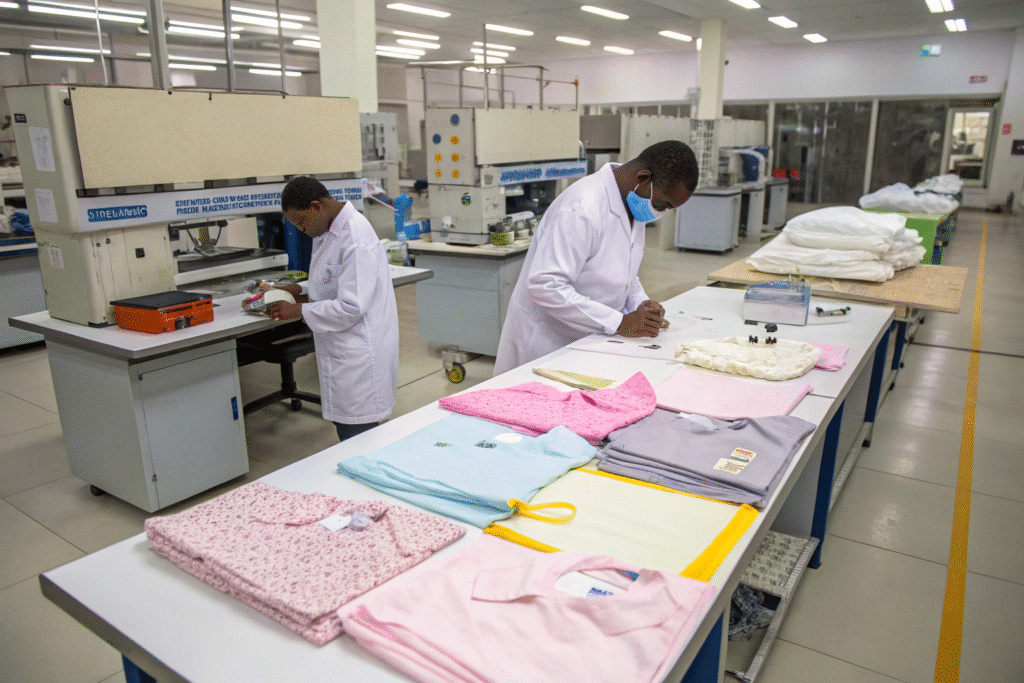
Prioritize natural, breathable fabrics that are gentle on sensitive skin. High-quality cotton, particularly organic or pima cotton, remains the gold standard for baby wear due to its softness, breathability, and absorbency. Bamboo blends offer excellent softness and moisture-wicking properties, while certain technical fabrics provide practical benefits for specific applications. The key is selecting fabrics that have been pre-shrunk and tested for colorfastness to ensure they maintain their properties through repeated washing.
Why Does Fabric Treatment Matter?
Beyond basic material selection, fabric treatments and finishes significantly impact baby clothing performance and safety. Seek manufacturers who use eco-friendly softening processes rather than chemical softeners. Avoid formaldehyde treatments and opt for mechanical finishing techniques that enhance fabric properties without chemical additives. For baby clothing, particularly consider anti-pill finishes for durability and colorfast treatments that prevent dye migration during washing or when babies mouth their clothing.
What Factory Standards Ensure Quality Production?
The manufacturing environment and processes directly impact the final product quality, making factory selection one of your most critical sourcing decisions.
Beyond basic capabilities, evaluate factories based on their specific experience with baby wear and their commitment to consistent quality.
How to Assess Baby Clothing Specialization?
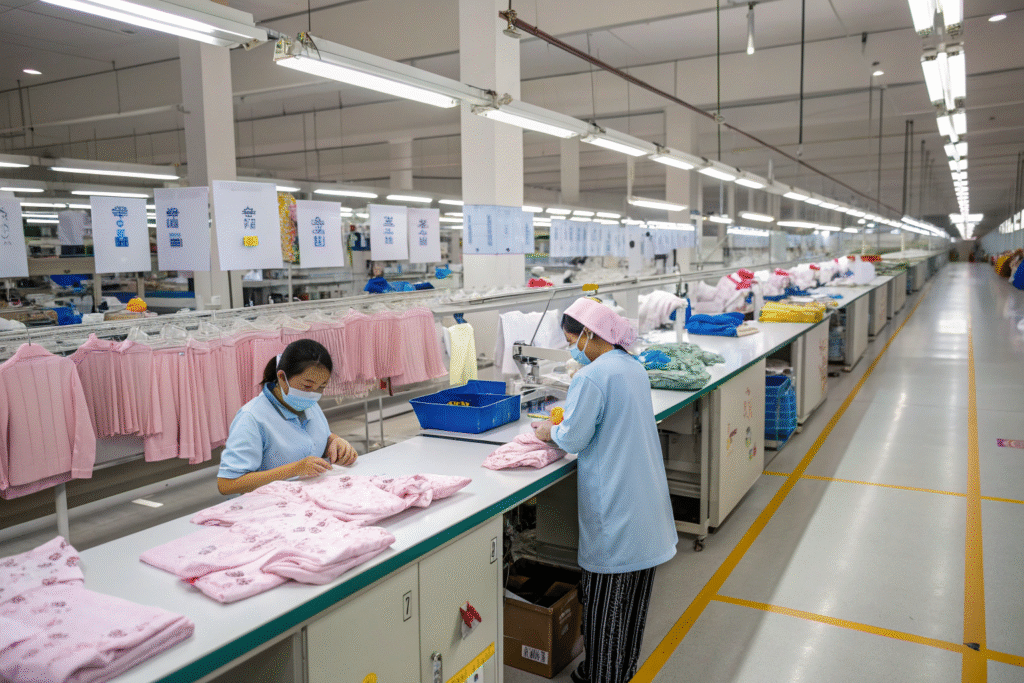
Look for factories with demonstrated expertise in baby wear production rather than general apparel manufacturers. Specialized baby clothing factories understand the unique requirements like smaller seam allowances, reinforced stitching at stress points, and specialized techniques for tiny garments. During factory visits, examine their sample rooms for baby-specific patterns and observe whether they have dedicated lines or teams for baby wear production. This specialization often translates to better understanding of proportions, scale, and details appropriate for infants.
What Production Systems Support Consistency?
Evaluate the factory's quality management systems and production controls. Look for evidence of standardized work instructions, in-process quality checks, and clear defect classification systems. For baby clothing, pay particular attention to how they handle small parts attachment, stitch density consistency, and size accuracy. Factories with strong quality systems will have documented procedures for each production stage and clear accountability for quality outcomes.
How Does Logistics Planning Differ for Baby Clothing?
The delicate nature of baby clothing and its classification as children's products create unique logistical considerations that affect timing, costs, and product condition upon arrival.
Strategic logistics planning prevents issues that could compromise product quality or create regulatory problems.
What Packaging Considerations Are Unique?
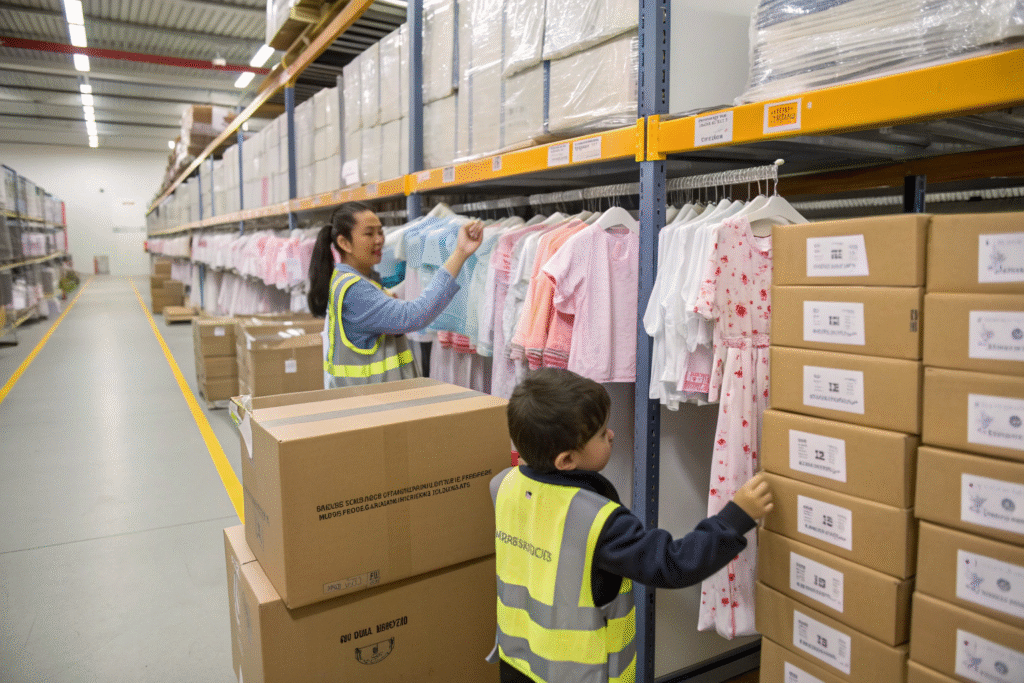
Baby clothing requires specialized packaging that protects delicate fabrics and maintains presentation quality. Unlike adult clothing, baby items often include additional safety warnings, age recommendations, and care instructions that must be properly displayed. Consider packaging that prevents crushing while remaining cost-effective for shipping. For higher-end baby clothing, individual poly bags, proper folding techniques, and tissue interleaving may be necessary to maintain premium appearance upon arrival.
How Do Import Regulations Affect Shipping?
Baby clothing faces stricter import scrutiny in many markets, requiring thorough documentation and compliance verification. Ensure your shipping documentation clearly identifies the products as baby clothing and includes all necessary safety certificates and testing reports. Work with freight forwarders experienced in children's product imports who understand the specific documentation requirements and potential inspection points. Proper Harmonized System (HS) code classification is essential for smooth customs clearance.
Conclusion
Sourcing baby clothing from China successfully requires a meticulous approach that prioritizes safety, quality, and ethical production above cost considerations. The most successful sourcing relationships combine thorough due diligence with ongoing communication and quality verification. By selecting specialized manufacturers, implementing rigorous testing protocols, and maintaining clear standards throughout production, brands can leverage China's manufacturing capabilities while delivering baby clothing that meets the highest expectations for safety and quality.
At Shanghai Fumao Clothing, we've built our reputation on specializing in baby wear production that meets international safety standards while delivering exceptional quality. Our experience with sensitive materials, precise construction techniques, and comprehensive compliance management makes us an ideal partner for brands seeking reliable baby clothing sourcing. If you're considering sourcing baby clothing from China, contact our Business Director, Elaine, at elaine@fumaoclothing.com. Let's create beautiful, safe baby clothing that builds trust with your customers.