The colorful, affordable kids' clothes that fill store shelves seem harmless, but their true cost extends far beyond price tags. For business owners sourcing children's apparel, understanding these hidden environmental costs is crucial for building sustainable, reputable brands. The fast fashion model creates a destructive cycle of rapid production and disposal with severe planetary consequences.
Kids' fast fashion significantly impacts the environment through resource-intensive production, chemical pollution, and massive waste generation. This system depletes water sources, contaminates ecosystems with toxic dyes and microplastics, and overwhelms landfills with non-biodegradable clothing. For forward-thinking business leaders, this crisis presents both a challenge and opportunity to pivot toward responsible manufacturing.
How Does Kids' Clothing Production Waste Water?
Apparel manufacturing consumes staggering water volumes at every stage, from growing raw materials to dyeing fabrics. The rapid turnover of children's fashion multiplies this demand to unsustainable levels.
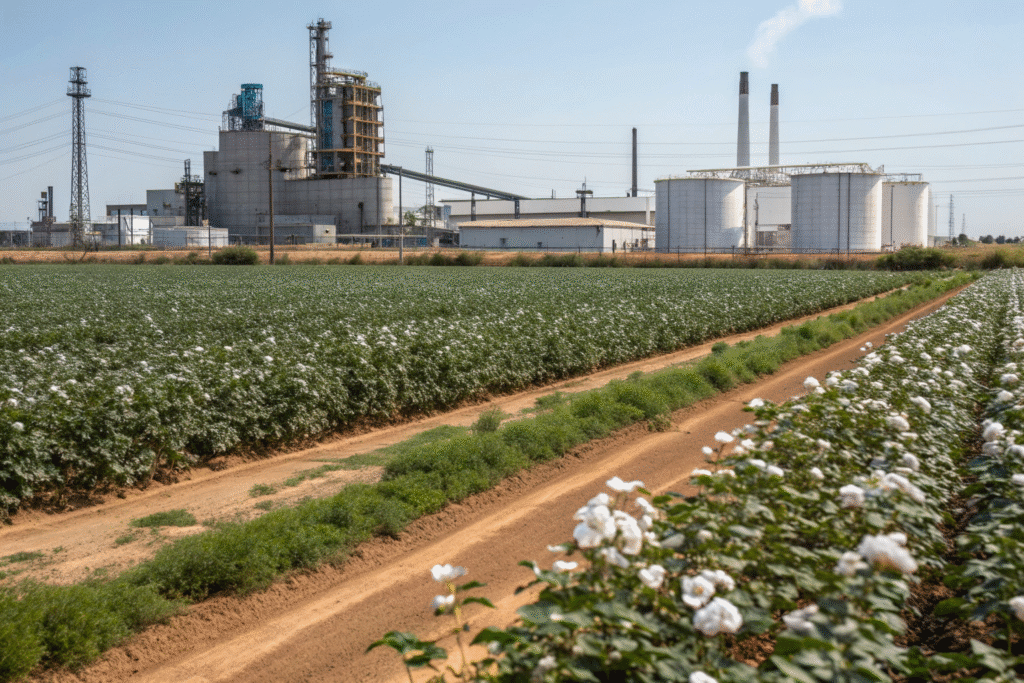
Conventional cotton cultivation and fabric dyeing processes represent the greatest water waste in kids' clothing production. These methods not only deplete freshwater resources but frequently contaminate them with toxic chemicals, creating dual environmental challenges that demand urgent solutions.
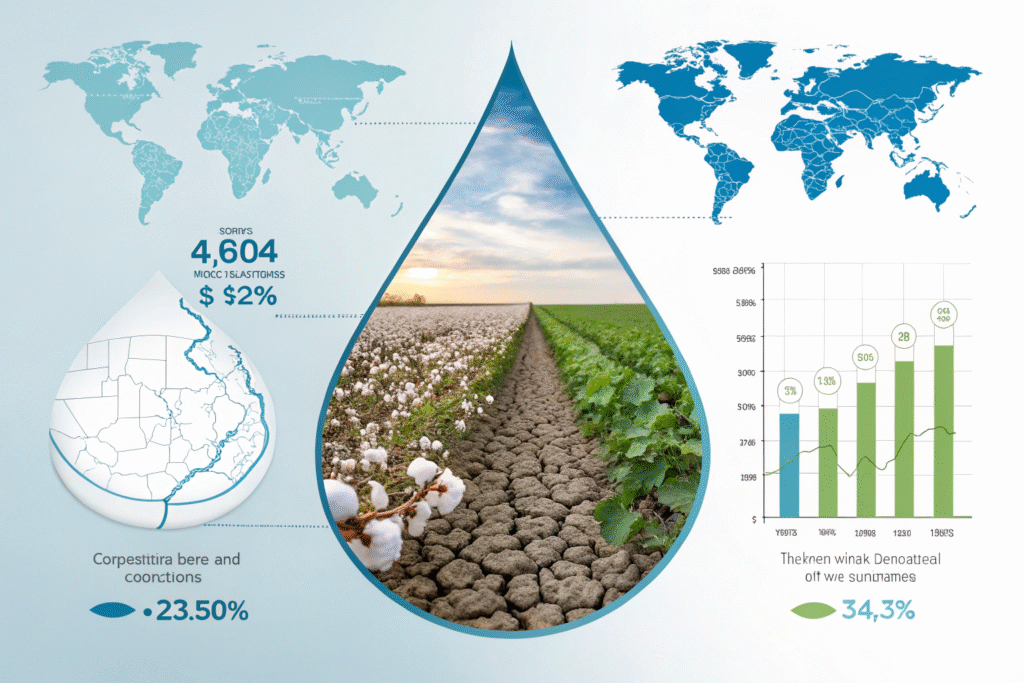
What is the water footprint of a cotton t-shirt?
The journey begins with conventional cotton farming, requiring approximately 2,700 liters of water for a single t-shirt—enough drinking water for one person for nearly 2.5 years. The dyeing process adds tens of liters per kilogram of fabric, creating a substantial environmental liability that drives brands toward sustainable alternatives and better farming practices.
How can sustainable manufacturing reduce water use?
Innovative approaches dramatically cut consumption through closed-loop water systems that recycle dyeing water, and shifting to fibers requiring less irrigation. Partnering with GOTS-certified manufacturers ensures strict water management standards, significantly reducing your products' environmental footprint.
Are Toxic Chemicals Used in Children's Apparel?
Chemical safety in children's products is paramount, yet conventional manufacturing often prioritizes cost and speed over safety, creating risks for both environment and end-users.
Hazardous substances frequently appear in conventional production through dyes, prints, and fabric treatments. These include heavy metals, phthalates in plastisol prints, and PFCs for stain resistance, which can contaminate water systems and leave garment residues without proper management.
What harmful chemicals are found in clothing?
Common offenders include carcinogenic Azo dyes, endocrine-disrupting phthalates in prints, skin-irritating formaldehyde in wrinkle-free finishes, and persistent "forever chemicals" (PFCs) that accumulate in environment and humans.
| Chemical | Common Use | Potential Risk |
|---|---|---|
| Azo Dyes | Synthetic dyeing | Carcinogenic compounds |
| Phthalates | Plastisol prints | Endocrine disruption |
| Formaldehyde | Wrinkle-resistant finish | Skin/respiratory issues |
| PFCs | Stain/water repellency | Environmental persistence |
How can I ensure my products are chemically safe?
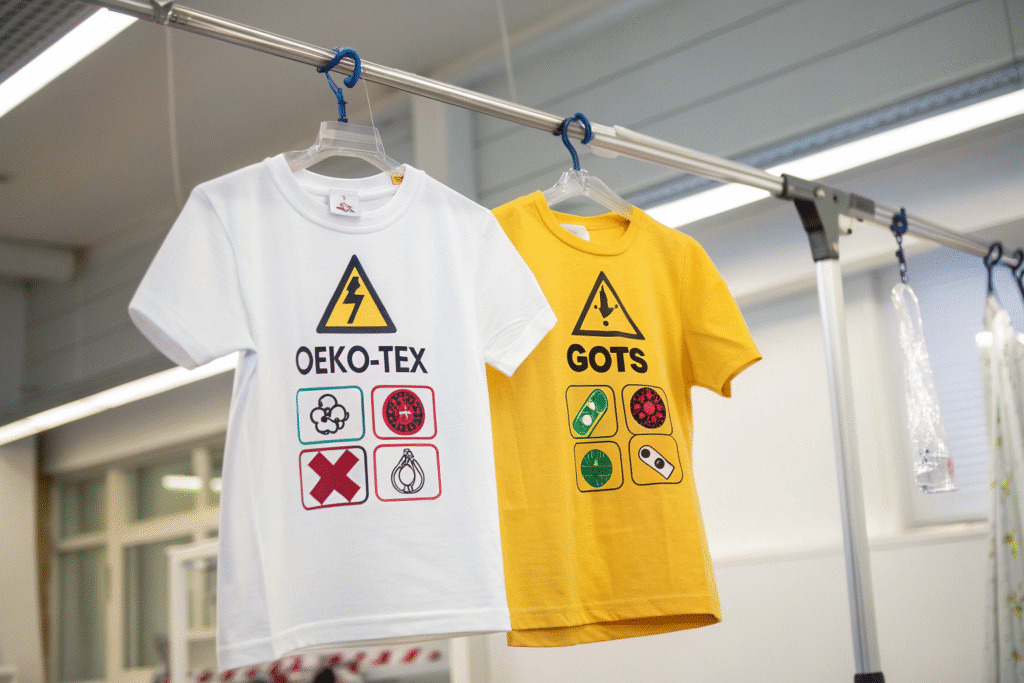
Proactive verification through third-party testing and certifications like Oeko-Tex Standard 100 ensures chemical safety. Manufacturers should maintain Restricted Substances Lists and provide transparent access to laboratory reports, while thorough supply chain understanding prevents contamination risks.
Does Kids Fast Fashion Create Too Much Waste?
Children's rapid growth and fast fashion's "wear-and-dispose" culture generate perfect conditions for textile waste crises, overwhelming planetary capacity.
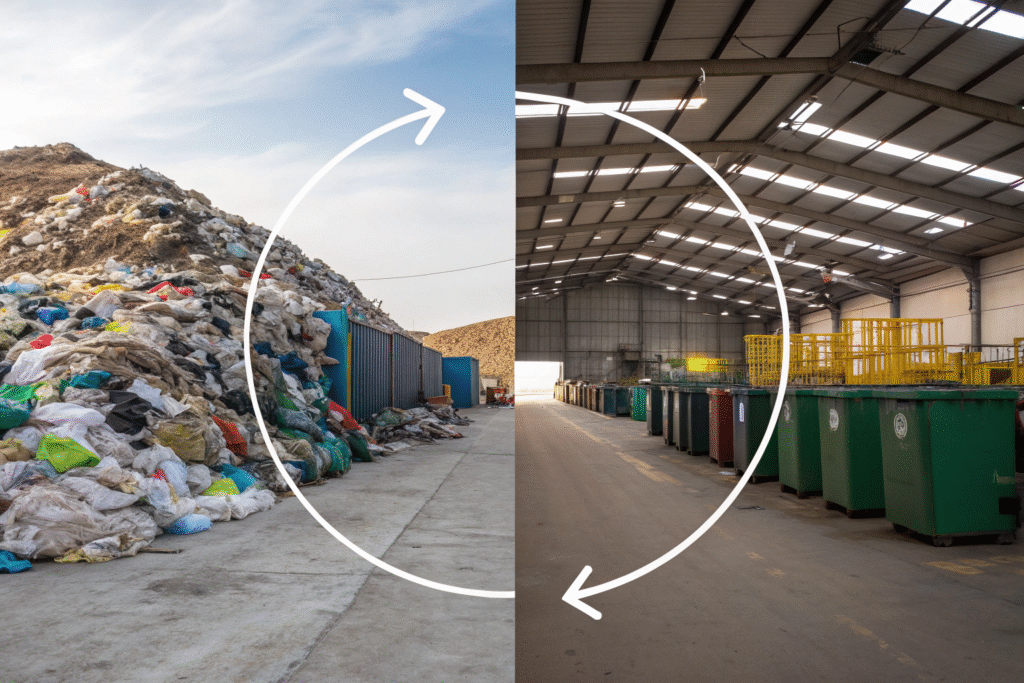
Low-quality construction, constant overproduction, and frequent disposal habits make kids' fast fashion a major waste contributor. Synthetic, non-biodegradable fibers like polyester persist for centuries, representing both environmental failure and supply chain inefficiency.
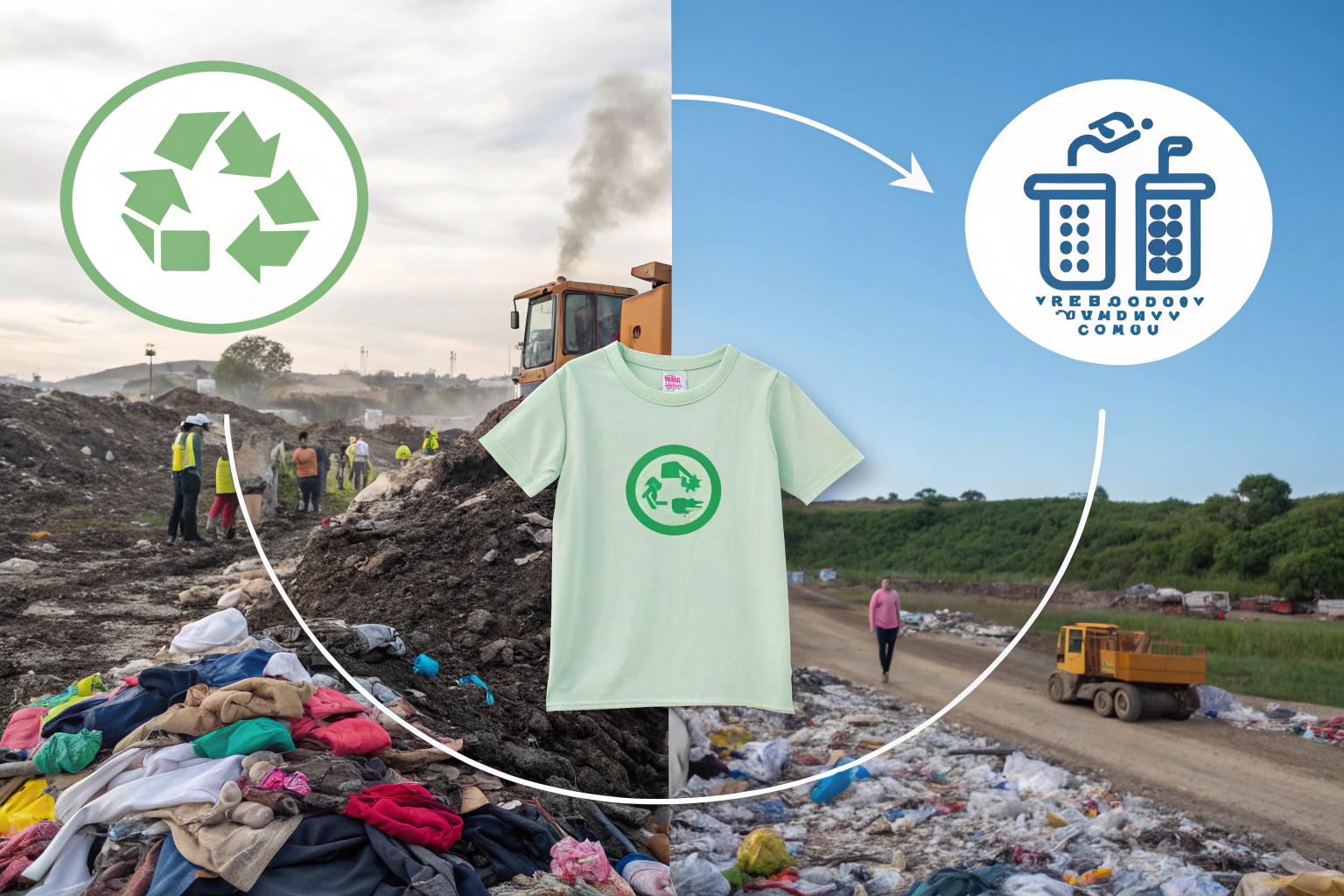
What happens to clothes when they are thrown away?
Most discarded garments reach landfills or incinerators, where natural fibers release methane greenhouse gas during decomposition, while synthetics break into microplastics persisting for centuries. The dismal recycling rate reflects technical challenges in processing blended fabrics.
What are the alternatives to this waste cycle?
Circular economy models eliminate waste through durable design, take-back programs, deadstock fabric utilization, and supporting advanced recycling technologies. Manufacturing partners actively engaged in these practices significantly reduce your brand's waste footprint.
How Can US Brands Source Eco-Friendly Kids Clothing?
Transitioning to sustainable supply chains requires moving beyond superficial claims to build transparent manufacturing partnerships aligned with environmental values.
Successful sourcing depends on verifying certifications, supply chain transparency, and demonstrated commitment to sustainable materials and processes. Incremental progress with equally committed suppliers creates meaningful, scalable change.
What should I look for in a sustainable manufacturer?
Essential criteria include valid GOTS, Oeko-Tex, and GRS certifications; sustainable material expertise; transparent factory conditions and quality control; and investments in water-saving technologies and efficient DDP logistics.
Can sustainable practices improve my profit model?
Despite slightly higher initial costs, sustainability enhances profitability through superior quality reducing returns, premium pricing power from ethical branding, avoided costs from missed selling seasons, and predictable logistics. Understanding the compelling business case transforms sustainability from expense to strategic investment.
Conclusion
The environmental impacts of kids' fast fashion demand immediate action. Water scarcity, chemical pollution, and waste accumulation present critical challenges that also create opportunities for brands embracing responsibility through transparent partnerships and quality-focused production.
Transitioning to sustainable manufacturing begins with choosing the right partner. If you're ready to create eco-conscious kids' apparel that delights customers while protecting our planet, contact our Business Director Elaine at elaine@fumaoclothing.com to discuss your production needs.