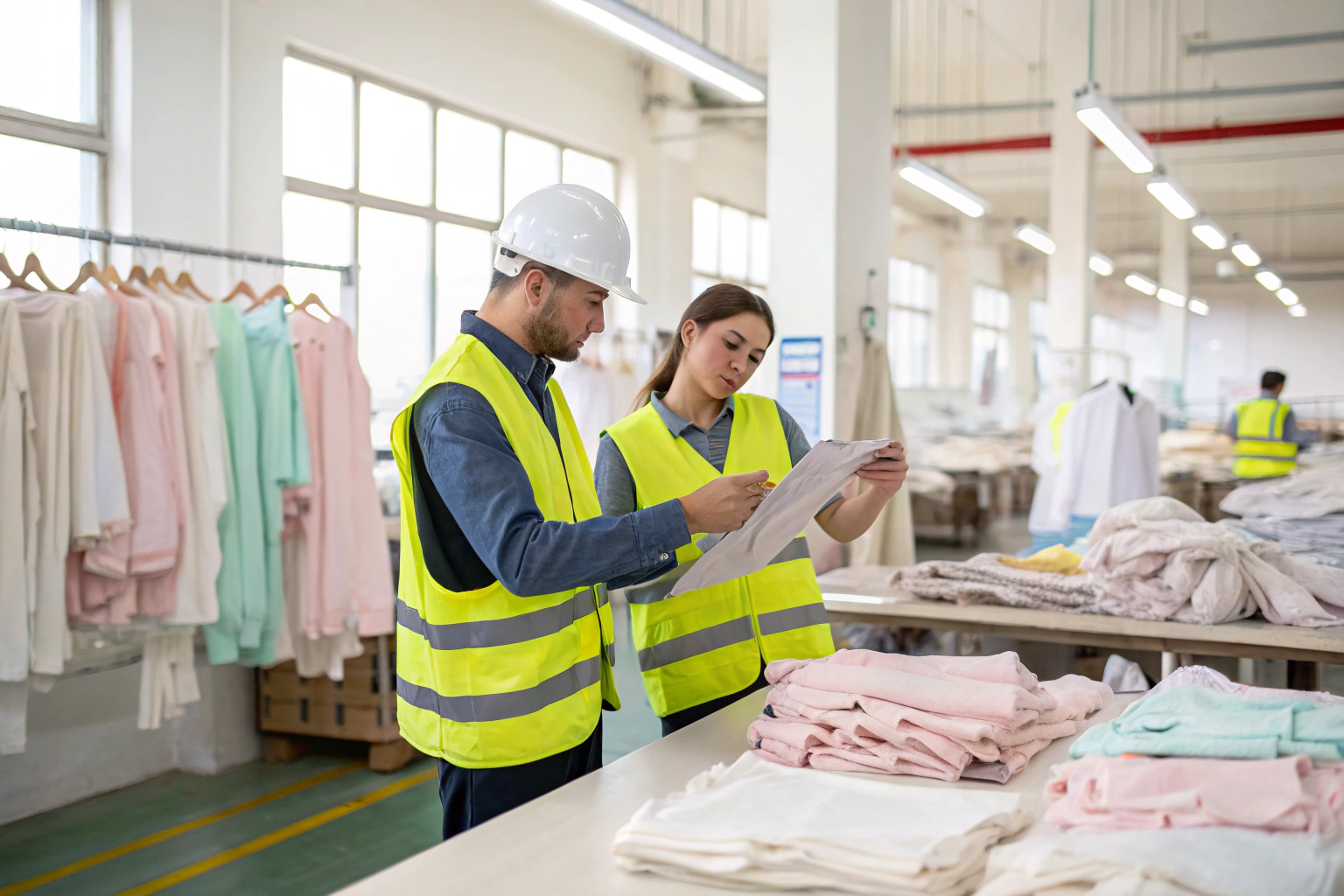
Sustainability has shifted from a marketing advantage to an industry necessity in the field of baby apparel. Modern parents are increasingly attentive to the fabrics in direct contact with their children’s skin, the dyeing processes behind them, and the overall production environment. A 2024 Nielsen survey indicated that nearly seven out of ten households in North America and Europe prefer sustainable options for infants’ clothing, even if such items are priced higher than conventional products.
Contemporary sustainability standards now extend beyond simple organic cotton certification. New requirements address chemical restrictions, validation of recycled fibers, full traceability across the supply chain, and biodegradable packaging. For manufacturers aiming to maintain access to global buyers, compliance with these benchmarks has become a critical expectation.
Which certifications are shaping the future of baby clothing?
Internationally recognized certifications remain the most visible indicators of sustainable practice, and several are especially relevant for children’s apparel.
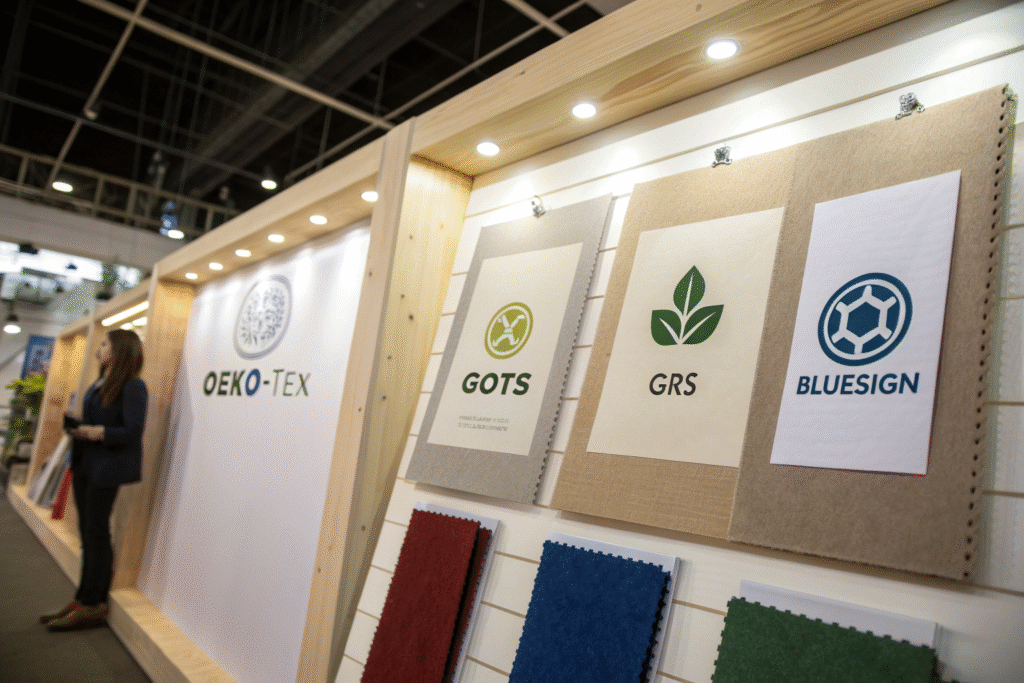
What standards are most significant?
- OEKO-TEX® Standard 100: Confirms the absence of harmful substances in fabrics, crucial for sensitive infant skin.
- GOTS (Global Organic Textile Standard): Encompasses the use of organic fibers as well as environmental and labor practices throughout the production chain.
- GRS (Global Recycled Standard): Provides verification of recycled content, such as polyester spun from plastic bottles.
- Bluesign®: Focuses on chemical management and resource efficiency, ensuring environmentally safe production methods.
Why do they matter?
Infants spend long hours in sleepwear and bodysuits, which makes chemical safety a central concern. Retailers across the EU and U.S. are now reluctant to list products that lack OEKO-TEX® or GOTS verification. For exporters, possession of these certificates has moved from optional to essential.
How are new chemical restrictions influencing production?
Recent legislation in multiple regions has introduced stricter controls over textile chemicals, particularly for children’s products.
What are the current regulatory trends?
- PFAS restrictions: Several European states and the U.K. are advancing bans on fluorinated compounds in uniforms and baby clothing.
- Limits on azo dyes: Carcinogenic dyes are being systematically phased out.
- Stronger formaldehyde thresholds: Regulations now demand lower levels to avoid allergic reactions and skin irritation.
How should suppliers respond?
Producers need to adopt alternative chemicals, install effective wastewater systems, and maintain updated test reports from independent laboratories. Without compliance, shipments risk border rejections or product recalls, which can severely damage brand trust.
What roles do recycled and renewable fibers play?
Choice of fiber has become a key factor in sustainability strategies for children’s clothing.
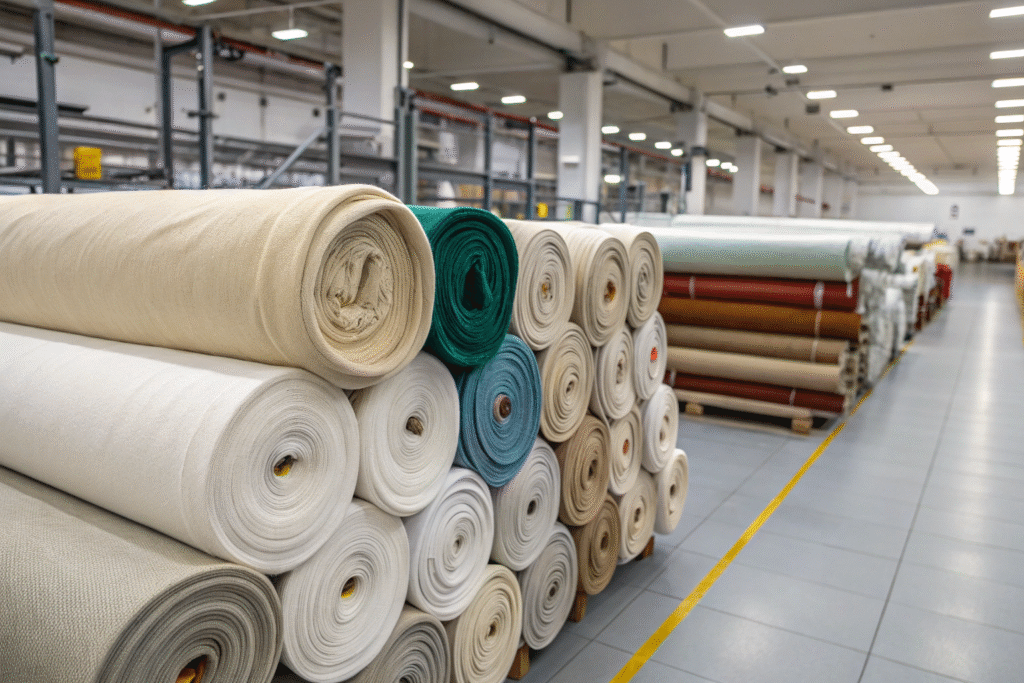
Which fiber categories are gaining traction?
- Organic cotton: Breathable and hypoallergenic, widely used in bodysuits and sleepwear.
- Bamboo viscose: Known for moisture control and cooling effects, often preferred in pajamas.
- Lyocell (Tencel®): Produced with closed-loop systems, minimizing chemical waste.
- Recycled polyester: Durable and resource-efficient, often blended with natural fibers.
What issues must be addressed?
Although bamboo and lyocell are marketed as eco-friendly, their processing must be carefully tested to ensure no skin irritation. Recycled polyester faces growing criticism over microplastic shedding, encouraging blending with cotton or innovation of alternative fabrics.
How important is transparency in modern baby clothing supply chains?
Transparency has quickly become a defining expectation for both consumers and retailers.
What forms of traceability are required?
- End-to-end visibility: From cultivation to final assembly, brands demand complete records.
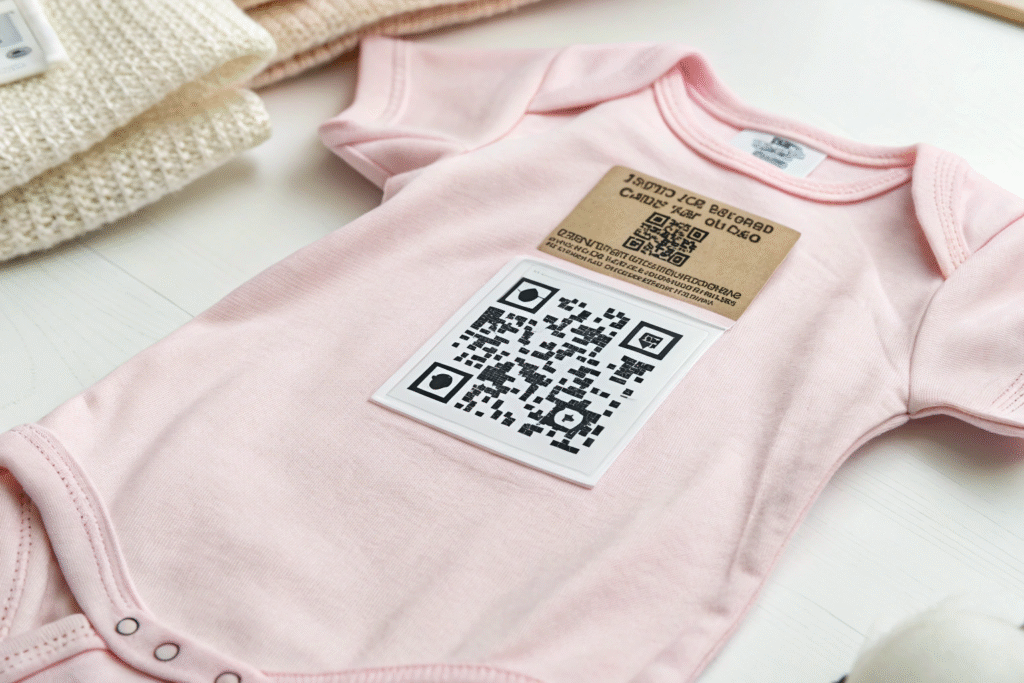
- Digital solutions: QR codes and blockchain tools give parents direct access to sourcing details.
- Labor accountability: Ethical verification must include wages and conditions, not just fabric origins.
Why is this emphasis greater in babywear?
Research from McKinsey (2023) found that over half of young parents avoided labels that could not document ethical supply chains in children’s products. For baby apparel, transparency becomes both a safety and brand loyalty factor.
What role do durability and circularity play in new standards?
Circularity principles are increasingly applied to children’s apparel, shifting focus from single-use fashion to long-term utility.
What practices are promoted?
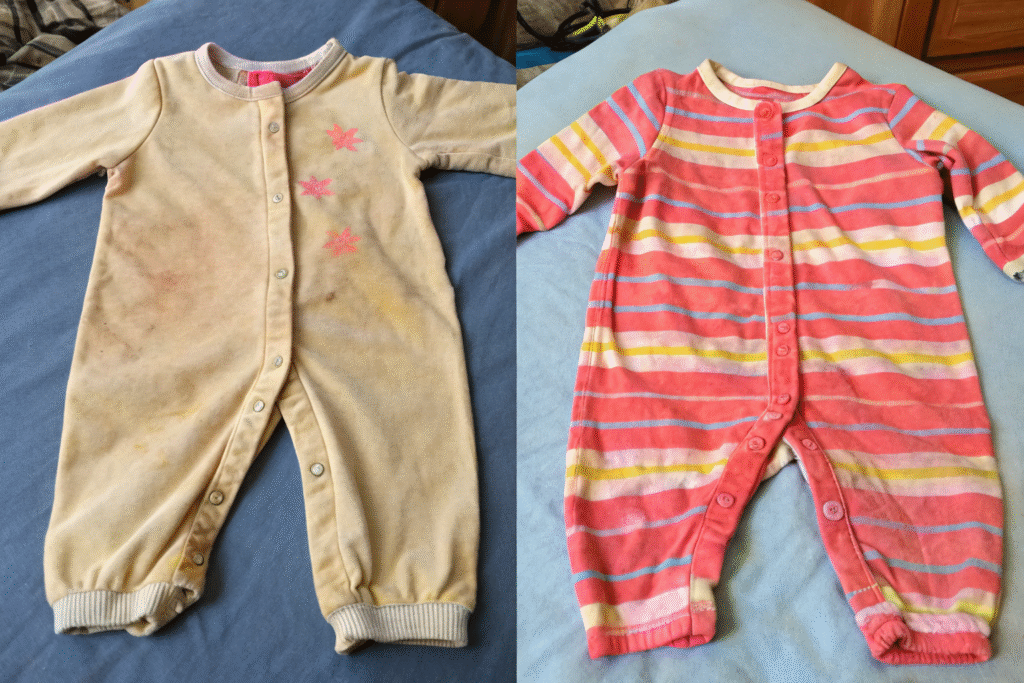
- Performance testing: Fabrics must maintain shape, stretch, and color after extensive washing.
- Reuse and passing down: Designs support garments being shared among siblings or resold.
- Eco-packaging: Compostable or biodegradable wrapping materials are expected.
How does this align with babywear?
Since babies outgrow clothing rapidly, garments with long-lasting quality ensure fewer items are discarded. This approach appeals to eco-conscious parents and supports circular fashion goals.
Conclusion
The sustainability framework for baby apparel has expanded well beyond organic labels. New priorities include stringent chemical restrictions, wider use of recycled and renewable fibers, supply chain traceability, product durability, and eco-sensitive packaging. Manufacturers adapting early to these demands will secure long-term competitiveness and consumer trust.
At Shanghai Fumao, we integrate sustainability at every stage of production. Our sourcing includes OEKO-TEX® certified fabrics, eco-friendly dyes, and waste treatment systems, while our operations emphasize transparency and circularity. For buyers and distributors searching for sustainable partners in babywear, please reach out to our Business Director Elaine at elaine@fumaoclothing.com.