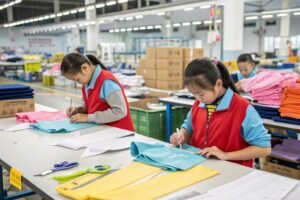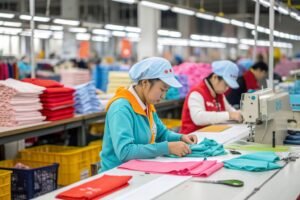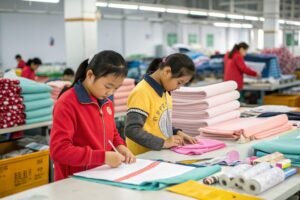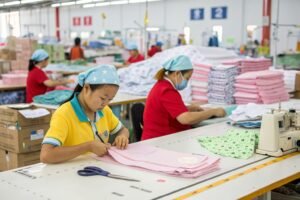
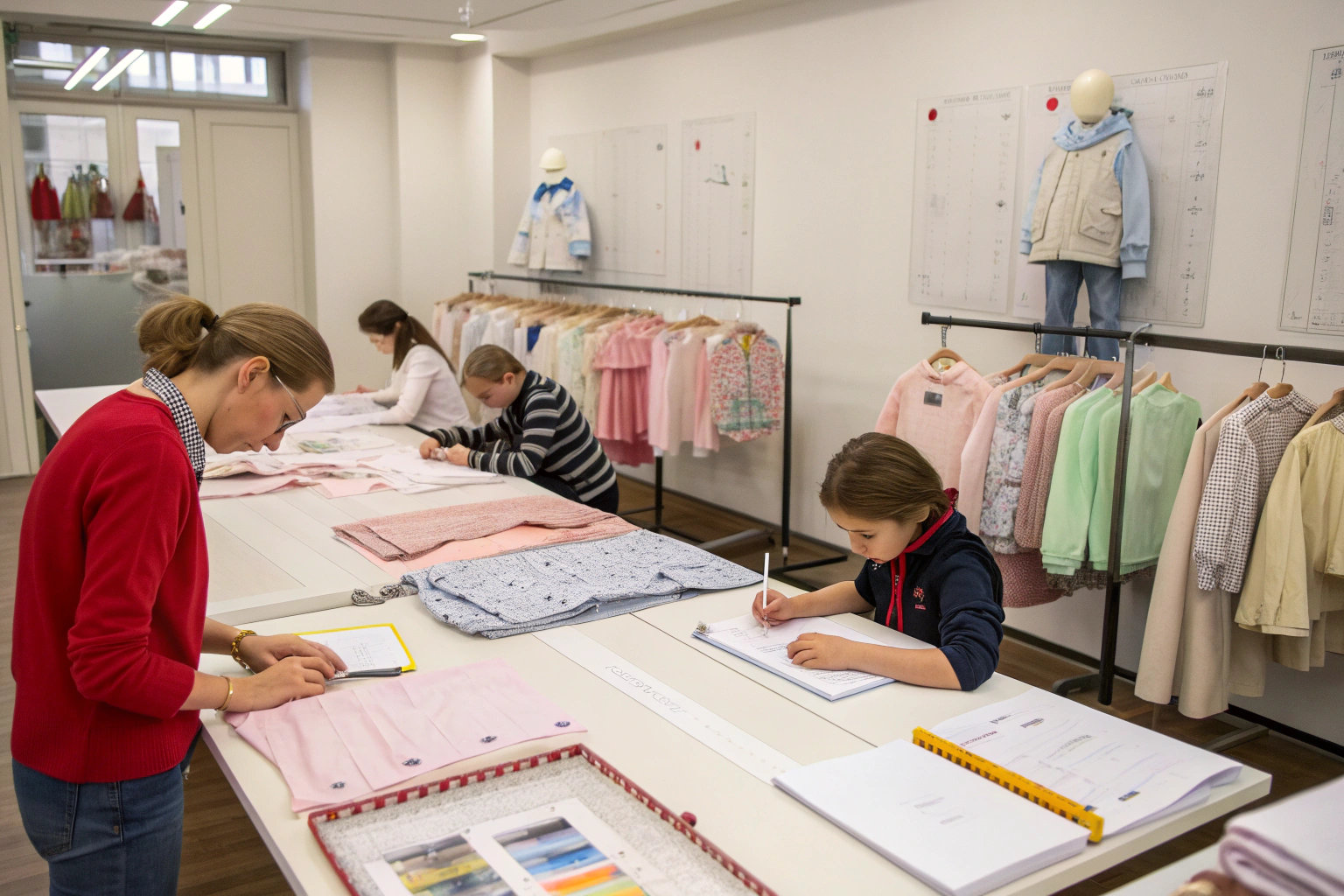
The sample approval process represents one of the most critical stages in kids clothing production, yet many brands struggle with establishing efficient systems that prevent costly errors and delays. Having manufactured children’s wear for American and European brands for decades, I’ve witnessed how sample approval strategies directly impact production timelines, quality outcomes, and ultimately, profitability.
The most effective kids clothing sample approval strategies involve implementing a multi-stage sampling process, establishing clear evaluation criteria, utilizing digital collaboration tools, and maintaining detailed documentation throughout. This systematic approach ensures design integrity, fit consistency, and quality compliance before mass production begins, protecting your investment and brand reputation.
Many brands underestimate the sample approval process, treating it as a formality rather than the crucial quality gateway it represents. The most successful companies we partner with approach sampling with rigorous protocols that leave nothing to chance.
Why Is a Multi-Stage Sampling Process Essential?
A structured multi-stage sampling approach ensures thorough evaluation at each development phase, catching issues when they’re easiest and least expensive to correct.
The most effective sampling process includes prototype/sample, fit sample, pre-production sample, and top-of-production sample stages. Each serves a distinct purpose in the development journey, from initial concept validation to final production verification. At our manufacturing facility, we’ve standardized this progression to provide clients with consistent evaluation points that build confidence throughout the development process.

What Distinguishes Each Sampling Stage?
Prototype samples validate design concept and basic construction, while fit samples confirm pattern accuracy and sizing on appropriate forms. Pre-production samples verify that all corrections have been implemented using actual production materials, and top-of-production samples confirm that mass production matches approved standards. Understanding these distinctions helps brands allocate appropriate time and resources to each evaluation phase. The American Apparel Producers Network provides detailed guidelines for standard sampling terminology that prevents confusion between brands and manufacturers.
How Does Staged Sampling Reduce Development Risks?
By catching issues incrementally, staged sampling prevents the accumulation of errors that become costly to rectify in mass production. A fit issue identified at the prototype stage might cost $50 to correct, while the same issue discovered during production could cost thousands. Our clients who implement rigorous multi-stage sampling typically experience 70% fewer production issues and significantly fewer delayed shipments. This systematic approach transforms sampling from a cost center to a valuable risk mitigation investment.
What Evaluation Criteria Ensure Comprehensive Sample Assessment?
Establishing standardized evaluation criteria creates objective assessment frameworks that eliminate subjectivity and ensure consistent quality across all styles.
Effective sample evaluation should examine fit, construction, materials, trims, and compliance requirements through structured checklists and measurement verification. We provide clients with detailed evaluation templates that address children’s wear specifics like safety standards, growth accommodation, and durability requirements.

How Should Fit Evaluation Be Standardized?
Fit evaluation requires consistent methods including measurement against spec sheets, wear testing on appropriate forms, and movement assessment for activity appropriateness. For children’s wear specifically, we recommend evaluating ease allowances for growth, neck opening sizes for safety and comfort, and sleeve/length proportions for different age groups. Using standardized fit forms that match your target demographic ensures consistent fit evaluation across multiple styles and development cycles.
What Construction Details Require Specific Attention?
Children’s wear construction demands extra attention to safety elements like secure fastenings, reinforced stress points, and non-toxic components. Evaluation should examine stitch density per inch, seam strength appropriate to the garment’s purpose, and finishing techniques that prevent irritation to sensitive skin. Our quality team specifically checks for children’s safety requirements including drawstring regulations, small parts attachment strength, and flammability standards compliance during sample evaluation.
How Can Digital Tools Enhance Sample Approval Efficiency?
Digital collaboration platforms have revolutionized sample approval processes, reducing timelines from weeks to days while improving communication clarity.
Modern sample approval leverages digital photographs, video assessments, measurement overlays, and annotation tools that provide clear, specific feedback regardless of geographical distance. These technologies have been particularly valuable for our American and European clients who cannot always visit our facility for each development cycle.

What Digital Platforms Streamline Collaboration?
Specialized platforms like Tukatech, Browzwear, and Optitex enable virtual fit sessions, 3D sample reviews, and real-time annotation that accelerate decision-making. These systems integrate with traditional sampling by providing preliminary validation before physical samples are created. We’ve implemented digital collaboration systems that reduce our average sample approval timeline by 40% while improving feedback clarity and implementation accuracy.
How Do Visual Documentation Standards Improve Communication?
Standardized photography angles, lighting conditions, and measurement demonstration protocols ensure that digital reviews provide equivalent information to physical inspections. We provide clients with detailed photography guidelines including specific angles for different garment types, consistent background colors, and mandatory close-up shots of construction details. This standardization prevents misunderstandings that can occur when different team members capture sample images inconsistently.
What Documentation Practices Prevent Approval Ambiguity?
Clear, comprehensive documentation creates accountability and reference points that prevent disputes and ensure consistent implementation of requested revisions.
Thorough sample documentation includes annotated photos, detailed measurement charts, specific revision instructions, and formal approval records. This paperwork trail protects both brand and manufacturer by establishing clear expectations and confirmation of agreements.

What Should Sample Approval Forms Include?
Effective sample approval forms should capture garment specifications, measurement verification, construction assessment, fabric/trim compliance, and explicit approval status with any conditions. We’ve developed customized forms that address children’s wear specifics like safety standard verification, age-appropriate fit assessment, and durability testing requirements. These forms create legal and quality references that protect both manufacturer and brand throughout the product lifecycle. The Quality Assurance Institute offers templates for comprehensive sample documentation that can be customized for children’s wear specifics.
How Does Revision Tracking Prevent Errors?
Systematic revision tracking ensures that requested changes are implemented completely and accurately across all relevant components. Each revision should be numbered, described specifically, assigned responsibility, and tracked to completion. Our revision tracking system has reduced implementation errors by 85% by creating clear accountability and verification protocols. This approach is particularly valuable for complex children’s wear with multiple components that must coordinate perfectly in the final garment.
Conclusion
Effective kids clothing sample approval strategies combine structured processes, clear evaluation criteria, modern technology, and comprehensive documentation to ensure quality outcomes while minimizing delays and costly errors. The most successful brands treat sampling as a strategic investment rather than an administrative formality, recognizing its critical role in protecting their product quality and brand reputation.
At Shanghai Fumao Clothing, we’ve refined our sample approval processes through decades of partnership with American and European children’s wear brands, developing systems that provide clarity, efficiency, and quality assurance. If you’re looking to improve your sample approval outcomes, contact our Business Director Elaine at elaine@fumaoclothing.com to discuss how our structured approach can enhance your development process while protecting your brand standards.