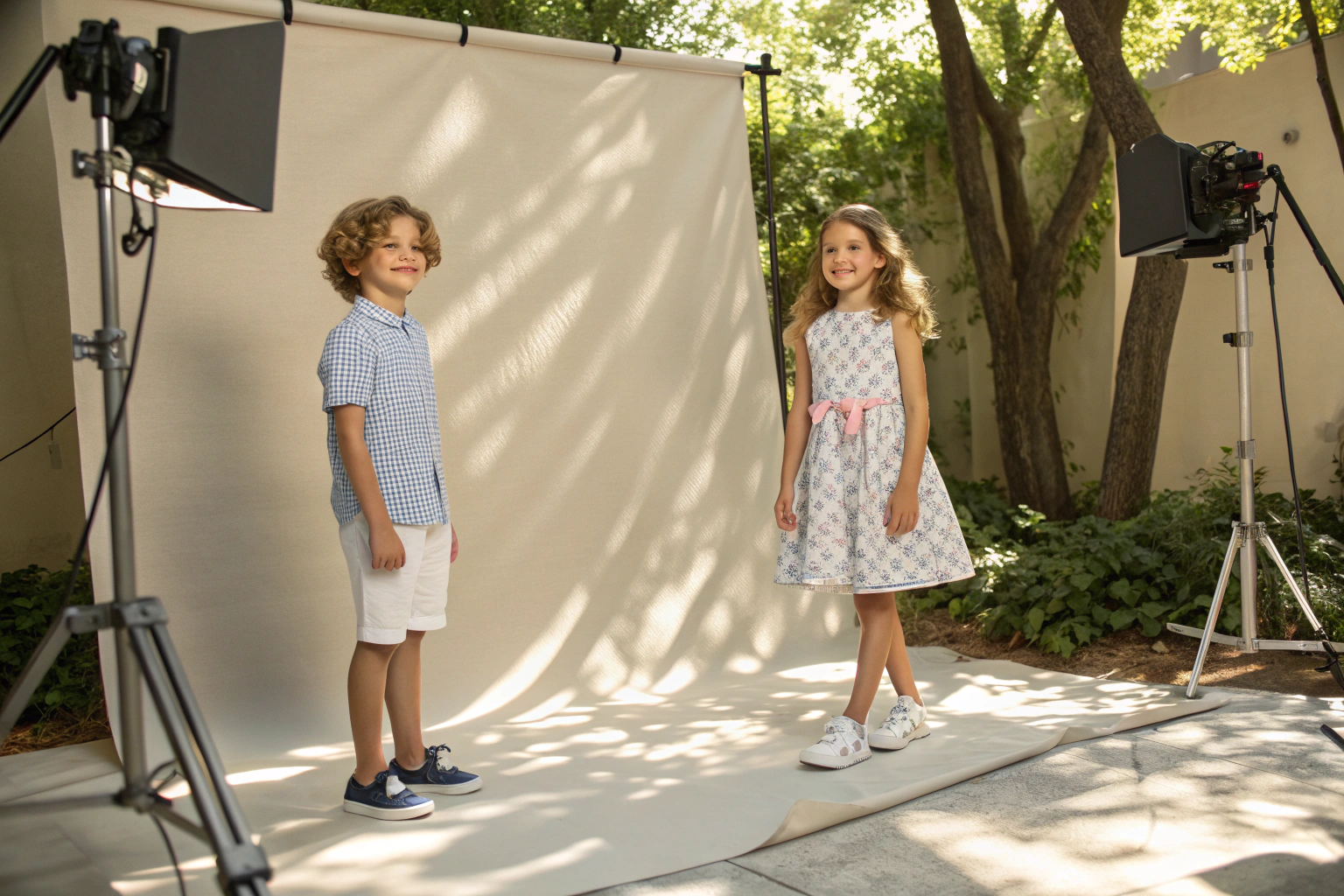
In the competitive world of children's fashion, product photography serves as the critical bridge between physical garments and online purchasing decisions. Exceptional photography doesn't just showcase clothing—it tells stories, builds emotional connections, and provides the visual information parents need to feel confident purchasing without physical interaction with the products.
The best practices for kids clothing product photography include using natural models in authentic environments, maintaining consistent lighting and backgrounds, showing multiple angles and details, including scale references, and balancing lifestyle shots with clean product images. These approaches work together to create comprehensive visual storytelling that addresses both emotional and practical purchasing considerations.
Children's clothing photography must accomplish what in-person shopping provides: demonstrating fit, showing how fabrics move and drape, revealing construction quality, and helping parents visualize the clothing on their own children. The most successful photography captures the clothing's personality while providing the practical information necessary for confident online purchasing. Let's explore the specific techniques that transform ordinary product photos into compelling sales tools.
Why is authentic model selection crucial for relatability?
The children modeling your clothing significantly impact how parents perceive your brand and products. Authentic, relatable models help parents visualize your clothing on their own children, building connection and trust that translates to sales.
Authentic model selection is crucial because it helps parents visualize the clothing on their own children, represents your brand's values and diversity commitments, creates emotional connections through genuine expressions, and demonstrates how clothing fits real bodies rather than idealized versions. The right models make your clothing accessible rather than aspirational.
What characteristics make models relatable to parents?
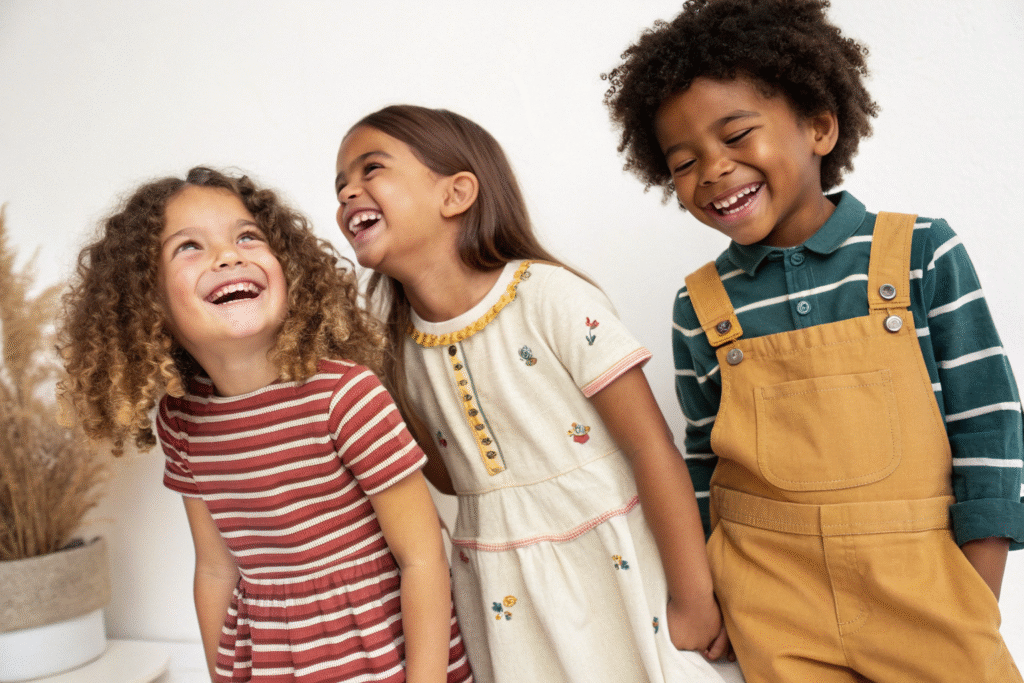
Parents respond best to models who reflect real childhood diversity in body types, abilities, ethnic backgrounds, and personalities—not just traditionally "photogenic" children. Including children with glasses, various hair textures, different heights and weights, and visible personalities helps more families see their children in your clothing. The most successful brands maintain model databases that represent the full spectrum of their customer base, ensuring that every family can find someone who resembles their child. This inclusivity directly impacts purchasing confidence.
How do authentic expressions impact engagement?
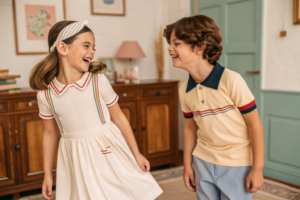
Natural, unposed expressions create emotional connections that stiff, commercial smiles cannot match. Capturing children genuinely laughing, concentrating, or expressing curiosity makes the clothing part of a real childhood experience rather than a commercial prop. This approach requires photographers skilled in working with children to create environments where natural expressions emerge organically. The resulting images feel like snapshots from real life, making parents imagine their own children enjoying similar moments in your clothing.
How does lighting technique affect color accuracy and mood?
Lighting represents one of the most technical yet crucial aspects of children's clothing photography, directly impacting how colors, textures, and details appear to online shoppers. Proper lighting ensures products look consistent across platforms while creating the desired emotional tone.
Lighting technique affects color accuracy and mood by ensuring true-to-life color representation, revealing fabric texture and quality, creating dimension through shadows and highlights, and establishing consistent visual tone across your product catalog. Strategic lighting choices support both technical accuracy and emotional storytelling.
Why is natural light often preferred for kids clothing?
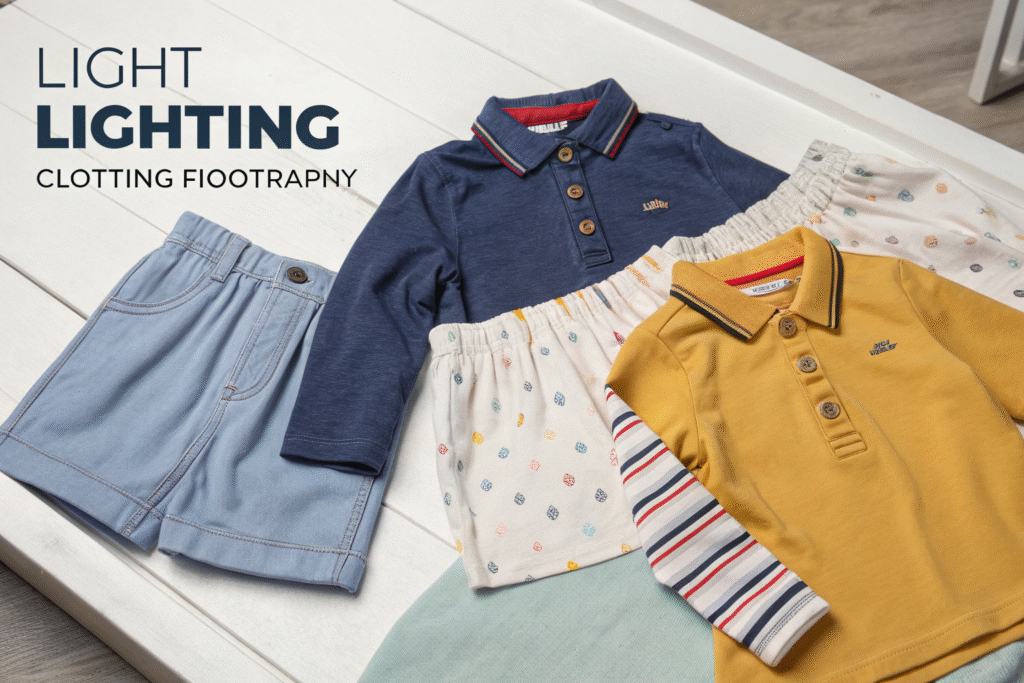
Natural daylight provides soft, even illumination that accurately represents colors while creating a fresh, authentic atmosphere that resonates with parents. North-facing window light is particularly prized for its consistency and soft shadow quality. Many children's brands shoot primarily using natural light because it makes clothing look approachable and wearable rather than overly commercial. This lighting style also accommodates active child models more easily than complex studio setups, allowing for spontaneous movement and expression.
How can artificial lighting complement natural approaches?
While natural light creates beautiful lifestyle imagery, controlled artificial lighting ensures consistency for e-commerce requirements where color accuracy is paramount. Many professional studios use artificial sources that mimic daylight for product-only shots while reserving natural light for lifestyle contexts. Hybrid approaches might involve using artificial fill light to soften shadows in natural light settings or employing consistent studio lighting for mannequin shots that require precise color representation for online shoppers. The key is maintaining visual cohesion between different lighting approaches.
What composition techniques showcase clothing effectively?
Thoughtful composition directs viewer attention to the most important elements of each garment while creating visual interest that keeps parents engaged with your imagery. Strategic composition tells viewers what to notice and why it matters.
Effective composition techniques include using the rule of thirds for balanced images, employing negative space to emphasize products, capturing dynamic angles that show movement and fit, and creating visual hierarchy that guides the eye to key features. These compositional principles work together to make clothing the hero of every image.
How can angles demonstrate fit and movement?
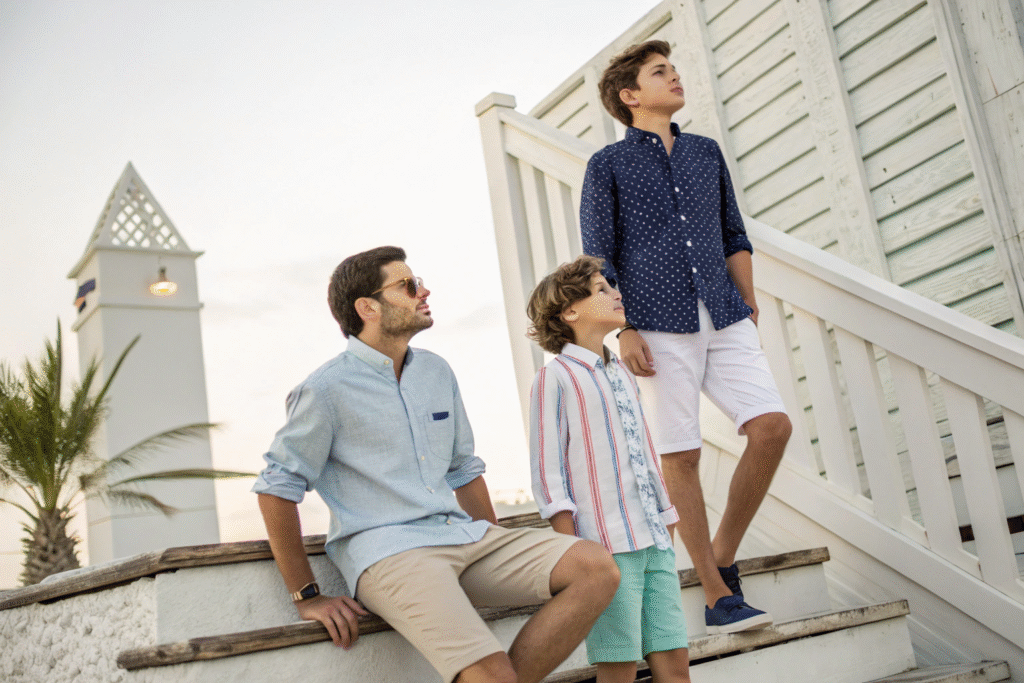
Multiple angles provide the visual information parents need to understand how clothing fits and moves on active children. Front, back, and side views show overall silhouette, while detail shots highlight special features. Action shots that capture clothing during movement—jumping, spinning, running—demonstrate how fabrics drape and stretch during real wear. Overhead angles can show print patterns clearly, while low angles can make clothing look more substantial and highlight construction details. The most effective product pages include a mix of these perspectives.
Why is negative space important in product photography?
Strategic negative space (empty areas around the subject) focuses attention squarely on the clothing while creating breathing room that feels clean and uncluttered. This approach is particularly important for e-commerce platforms where images may be viewed at small sizes on mobile devices. Negative space also provides flexibility for retailers who may need to crop images for their specific site layouts or add text overlays for promotions. Consistent negative space across your product catalog creates visual harmony that reinforces brand professionalism.
How do detail shots build quality perception and trust?
While overall shots establish style and fit, detail photography provides the evidence parents need to trust your quality claims and understand the thoughtful design elements that justify your pricing.
Detail shots build quality perception and trust by revealing construction quality, showcasing special features, demonstrating attention to finishings, and providing visual proof of material characteristics. These close-ups answer the questions discerning parents ask before purchasing.

What details should always be highlighted?
Strategic detail photography should include stitching close-ups that show consistent seam execution, fabric texture shots that reveal material quality, unique design elements like special fasteners or embroidery, and functional features like adjustable waistbands or reinforced knees. Labels and tags should be clearly visible since many parents look for specific certifications or care instructions. These details provide tangible evidence of quality that descriptions alone cannot convey, addressing the natural skepticism of online shoppers who cannot physically inspect products.
How can detail shots reduce product returns?
Comprehensive detail photography manages expectations by accurately representing color, texture, and construction, which are common reasons for returns in children's wear. Showing the actual thickness of a knit, the true sheen of a satin, or the precise color of embroidery threads prevents disappointment when products arrive. Including shots of clothing interiors shows seam finishing and lining materials that parents appreciate but might not assume are present. This transparency builds trust and ensures customers receive exactly what they envisioned.
Why is consistency across your catalog essential?
A cohesive visual style across your entire product catalog reinforces brand identity, creates professional presentation, and makes shopping easier by establishing predictable patterns that help parents quickly find the information they need.
Consistency across your catalog is essential because it strengthens brand recognition, creates seamless shopping experiences, builds consumer trust through professionalism, and simplifies the production process through established workflows. Visual cohesion makes your collection feel thoughtfully curated rather than randomly assembled.

How can background and styling consistency help shoppers?
Using consistent backgrounds and styling approaches across your product images makes it easier for parents to compare items and visualize how pieces work together as outfits. When lighting, angles, and model positioning remain predictable, shoppers can focus on the clothing differences rather than adjusting to varying photographic styles. This is particularly important for children's wear where parents often purchase multiple items to create coordinated looks. Consistency in how clothing is worn (sleeves rolled similarly, similar tucking of shirts) provides accurate comparison of proportions and lengths.
What technical standards ensure catalog consistency?
Establishing technical standards for image size, resolution, color profiles, and file formatting ensures your photography displays consistently across different platforms and devices. Using color calibration tools maintains accurate color representation, while standardized cropping ratios create visual harmony in product grids. Many successful children's brands create photography style guides that specify everything from acceptable model poses to exact lighting setups and background colors. This systematic approach ensures that new products integrate seamlessly into existing catalogs.
Conclusion
Exceptional children's clothing photography balances artistic storytelling with practical e-commerce requirements, creating imagery that both delights and informs. By selecting authentic models, mastering lighting techniques, employing thoughtful composition, capturing revealing details, and maintaining consistency across your catalog, you can create product imagery that builds trust, drives sales, and strengthens your brand identity.
The most successful children's wear photography makes parents feel confident purchasing by providing comprehensive visual information while creating emotional connections through authentic storytelling. This dual approach addresses both the practical and emotional aspects of children's wear purchasing decisions.
Ready to elevate your children's clothing photography to drive sales and brand engagement? Our manufacturing expertise includes guiding brands on presenting their products effectively through strategic photography. Contact our Business Director, Elaine, at elaine@fumaoclothing.com to discuss how we can help you showcase your collections through compelling product imagery.