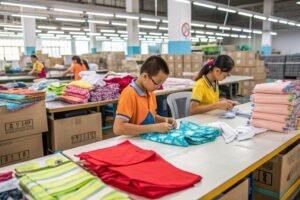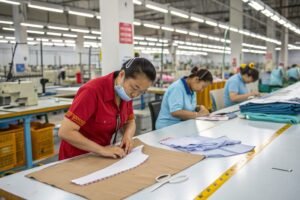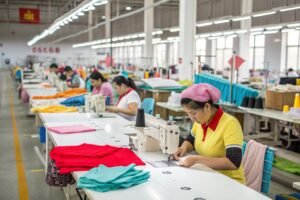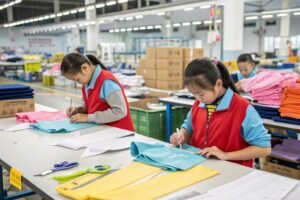

Care labels in children’s clothing serve as essential communication tools between manufacturers and parents, providing crucial information about garment maintenance while ensuring safety and longevity. As a manufacturer producing children’s wear for international markets, I’ve learned that effective care labeling requires balancing regulatory compliance, practical usability, and child-specific considerations that differ significantly from adult clothing requirements.
The best practices for kids clothing care labels include using clear symbols and text, selecting skin-friendly attachment methods, providing comprehensive care instructions, and ensuring compliance with international regulations. Effective labels should be easily understandable, durable through multiple washes, and positioned to avoid contact with children’s sensitive skin while providing all necessary care information.
Proper care labeling extends garment life, maintains safety features, and helps parents make informed decisions about clothing maintenance. Let’s explore the specific practices that make care labels both regulatory-compliant and parent-friendly.
What regulatory requirements govern care labels?
Care labels for children’s clothing must comply with multiple regulatory frameworks that vary by target market. Understanding these requirements is essential for global compliance and avoiding costly recalls or legal issues.
Key regulatory frameworks include the U.S. Care Labeling Rule, European Union textile labeling regulations, and country-specific requirements for major markets like Canada, Australia, and Japan. Each system has distinct requirements for content, language, and symbol usage that manufacturers must incorporate into their labeling strategies.

What does the U.S. Care Labeling Rule require?
The U.S. Care Labeling Rule, enforced by the Federal Trade Commission, requires manufacturers and importers to provide permanent care labels that include regular care information, warnings against harmful procedures, and instructions that consumers can use for the garment’s useful life. For children’s clothing specifically, the rule mandates that care instructions must work for the entire garment, including all components and trims. Labels must be attached securely and remain legible throughout the garment’s lifespan. The FTC specifically prohibits care instructions that use the phrase "wash separately" without explaining why—a particular consideration for children’s clothing where color bleeding could indicate other safety issues.
How do European Union requirements differ?
European Union requirements differ through their emphasis on standardized symbols and specific language requirements for member countries. The EU Textile Regulation requires care labels to use internationally recognized symbols from the ISO 3758 standard, with text explanations optional but recommended for clarity. Unlike the U.S. system, the EU doesn’t require permanent labeling if the information is provided in another durable manner, though permanent labels remain the industry standard. For children’s wear, additional considerations include REACH compliance for chemical safety and specific warnings for items containing small parts or potential choking hazards. Multilingual labeling is often necessary for pan-European distribution, adding complexity to label design and placement.
What content should care labels include?
Comprehensive care labels provide all necessary information for proper garment maintenance while addressing child-specific considerations. The content must balance completeness with clarity to ensure parents can easily understand and follow care instructions.
Essential content includes fiber composition, washing instructions, drying methods, ironing temperatures, and any special care requirements. For children’s clothing, additional considerations like safety warnings and comfort-related information become particularly important.

Why is fiber content disclosure crucial?
Fiber content disclosure is crucial because it helps parents identify potential allergens, understand garment properties, and make informed care decisions. The Textile Fiber Products Identification Act requires accurate fiber content labeling by percentage in descending order. For children’s wear, this information helps parents avoid materials that might irritate sensitive skin or trigger allergies. Natural fibers like cotton and bamboo are often preferred for their breathability, while synthetic blends might offer durability and stain resistance. Clear fiber content labeling also assists with end-of-life decisions, as some materials are more easily recycled or biodegraded than others—an increasing concern for environmentally conscious parents.
What special instructions benefit children’s clothing?
Special instructions that benefit children’s clothing include warnings about color transfer, guidance for maintaining safety features, and care methods that preserve special finishes. Children’s items often feature decorative elements, prints, and functional components that require specific care approaches. The table below outlines valuable special instructions for common children’s wear features:
| Garment Feature | Recommended Care Instruction | Reason |
|---|---|---|
| Glow-in-the-dark prints | Wash inside out, avoid bleach | Preserves special finishes |
| Waterproof layers | Do not fabric softener, tumble dry low | Maintains water resistance |
| Elastic components | Avoid high heat drying | Prevents degradation |
| Dark colors/prints | Wash with similar colors initially | Prevents color transfer |
How should care labels be designed for usability?
Care label design significantly impacts usability, especially for busy parents who need quick, clear information. Effective design combines visual clarity, logical organization, and durable construction to ensure labels remain helpful throughout the garment’s lifespan.
Key design considerations include symbol selection, text clarity, information hierarchy, and physical construction. Each element should be optimized for the specific context of children’s clothing and the needs of parents managing household laundry.

Why are universal symbols important?
Universal symbols are important because they transcend language barriers and provide immediate visual recognition for common care procedures. The GINETEX care symbols system offers internationally recognized symbols for washing, bleaching, drying, ironing, and professional cleaning. For children’s wear distributed globally, these symbols ensure understanding across different markets without requiring multilingual text. However, symbols alone can sometimes be ambiguous, so combining them with brief text explanations (where space allows) creates the most user-friendly approach. Particularly for children’s clothing, symbols should be printed at sufficient size for easy reading, considering that parents may be reviewing labels while managing multiple tasks.
How can information hierarchy improve comprehension?
Information hierarchy improves comprehension by presenting the most critical information first and organizing details in a logical sequence that matches user needs. The most effective care labels begin with washing instructions—the most frequently referenced information—followed by drying methods, ironing guidance, and any special warnings. For children’s clothing, safety-related information should be prominently positioned, potentially with visual emphasis like boxes or warning symbols. Grouping related information together (all temperature-related details in one section, for instance) helps parents quickly locate specific instructions. This thoughtful organization reduces the cognitive load on parents who often reference care labels during time-pressed laundry routines.
What are the best practices for label placement and attachment?
Label placement and attachment require special consideration in children’s clothing due to comfort and safety concerns. Labels must be securely attached to withstand rigorous use while positioned to avoid irritating children’s sensitive skin.
Optimal placement varies by garment type and child’s age, with different considerations for infants, toddlers, and older children. Attachment methods must balance durability with comfort, using techniques that prevent scratching or chafing.

Why is tagless labeling preferred for children’s wear?
Tagless labeling is preferred for children’s wear because it eliminates the scratchy, irritating labels that can bother sensitive skin and cause discomfort. Instead of sewn-in fabric labels, tagless systems print care information directly onto the garment using skin-friendly inks that remain legible through repeated washing. This approach is particularly beneficial for infants and children with sensory sensitivities or skin conditions like eczema. Tagless labels also reduce manufacturing steps and materials, offering both comfort and sustainability advantages. However, they require careful testing to ensure print durability and legibility throughout the garment’s lifespan, as unlike sewn labels, they cannot be replaced if damaged.
What placement locations optimize comfort and accessibility?
Placement locations that optimize comfort and accessibility vary by garment type and child’s age, balancing easy parental access with minimal child discomfort. Common optimal placements include:
- Side seams for tops and bottoms, away from direct skin contact
- Back necklines for older children’s clothing where labels cause less irritation
- Inside waistbands for pants and skirts, easily accessible yet unobtrusive
- Gusset seams for underwear and swimwear, avoiding sensitive areas
According to children’s wear design guidelines, labels should never be placed where they might rub against skin during movement or where they could be chewed on by infants and toddlers. For very young children, positioning labels entirely outside the garment (such as on external tags that can be removed) may be the best approach, though this requires ensuring care information remains accessible to parents after tag removal.
How can care labels address common children’s wear issues?
Care labels can proactively address common issues specific to children’s clothing by providing targeted instructions that help maintain appearance, functionality, and safety through the garment’s lifespan.
Common children’s wear issues include stain removal, maintaining elasticity, preserving special features, and preventing shrinkage. Anticipatory labeling helps parents manage these challenges effectively.

What instructions help maintain safety features?
Instructions that help maintain safety features include guidance on preserving flame resistance, maintaining secure closures, and preventing degradation of reflective elements. For flame-resistant sleepwear, labels must specify washing methods that maintain flame resistance, as improper cleaning can compromise this critical safety feature. For clothing with snap closures, buttons, or other fasteners, labels should indicate if these components require special care to remain secure. Reflective elements on outdoor wear need protection from harsh detergents and high heat that could diminish their visibility. These safety-focused instructions go beyond basic garment care to address potentially life-saving features that distinguish children’s wear from adult clothing.
How can labels help extend garment lifespan?
Labels can help extend garment lifespan by providing specific instructions that prevent common causes of premature deterioration in children’s clothing. These include:
- Temperature guidance to prevent shrinkage and color fading
- Drying instructions to maintain elasticity and prevent pilling
- Stain treatment advice to avoid damage from harsh chemicals
- Storage suggestions to prevent discoloration and fabric degradation
According to sustainable clothing research, extending a garment’s life by just nine months can reduce its environmental impact by 20-30%. For children’s wear that typically has a short useful life due to growth, maximizing longevity through proper care becomes both an economic and environmental priority. Clear, comprehensive care labels empower parents to maintain clothing in optimal condition for hand-me-down use or resale, further extending the garment’s total lifespan.
Conclusion
Effective care labels for children’s clothing balance regulatory compliance with practical usability, providing clear instructions that help parents maintain garments properly while addressing child-specific comfort and safety considerations. The best labels combine universal symbols with concise text, use comfortable attachment methods, and anticipate common children’s wear issues.
Thoughtfully designed care labels contribute to garment longevity, safety maintenance, and positive user experiences. If you’re developing children’s apparel and need manufacturing partnership that incorporates best practices in care labeling, contact our Business Director Elaine at elaine@fumaoclothing.com. Let Shanghai Fumao’s expertise in children’s wear production help you create garments with care labels that truly serve parents’ needs while maintaining regulatory compliance.