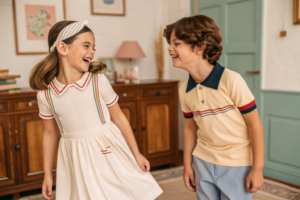
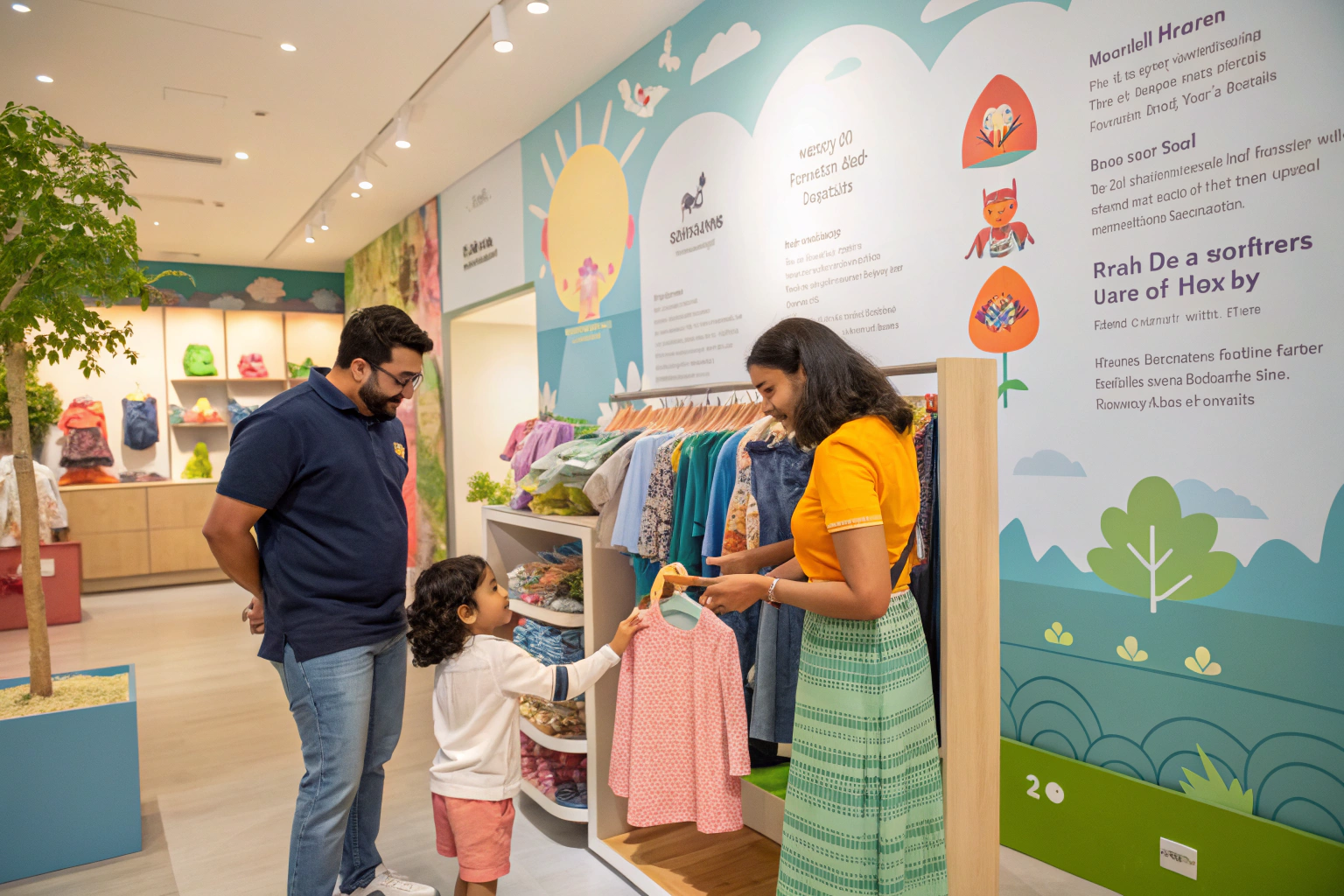
In today's saturated market, a children's clothing brand is more than a collection of garments—it's a story waiting to be told. As a manufacturer who has collaborated with hundreds of brands, I've seen a clear divide: those that simply sell products, and those that build worlds. The latter don't just move inventory; they cultivate communities of loyal families. Parents today, especially millennials and Gen Z, aren't just buying for utility; they're investing in values, identity, and a narrative that resonates with their own parenting journey. Your product's quality gets you in the door, but your story is what builds a home in your customer's heart.
The best practices for kids' clothing brand storytelling involve crafting an authentic, purpose-driven narrative that goes beyond the product, leveraging multi-channel consistency, fostering deep community engagement, and embedding your story into every tangible brand touchpoint—from fabric sourcing to packaging—to create an emotional, trustworthy, and immersive brand universe that families want to be part of.
Great storytelling transforms a transaction into a relationship. It provides context that justifies value, builds emotional equity that survives a product hiccup, and creates ambassadors out of customers. Let's explore the foundational pillars and actionable strategies for telling a story that not only sells but endures.
1. How to Build an Authentic and Purpose-Driven Brand Foundation?
Every compelling story needs a core truth. Before you craft a single social media post, you must define the "why" behind your brand. This isn't a marketing slogan; it's the foundational belief system that everything else is built upon. Authenticity here is non-negotiable—today's consumers are expert detectives at spotting disingenuous claims.
Start by asking: What problem does your brand solve beyond dressing children? Is it about championing unlimited play by creating durable, stain-resistant clothes? Is it about fostering creativity and imagination through whimsical, character-driven designs? Is it rooted in sustainability and ethics, ensuring a healthier planet for the next generation? Your "why" could be personal, like building the inclusive brand you couldn't find for your own child. This purpose becomes your North Star. For example, if your purpose is "adventure," your story isn't about a raincoat's technical specs; it's about the puddle-jumping, hill-rolling, sky-gazing adventures it enables. This core narrative must be consistently reflected in your brand voice, visual identity, and, critically, in your actions—like your manufacturing partners' ethical practices and material choices.

Why is "Origin Story" Your Most Powerful Asset?
People connect with people, not faceless entities. Your brand's origin story is a powerful tool to humanize your business. Share the genuine spark: Was it a frustrated search for organic cotton pajamas? A desire to see your cultural heritage reflected in children's wear? A creative partnership between parents? Tell this story with honesty on your "About Us" page, in launch campaigns, and through founder-led content. This narrative builds relatability and trust, making your brand feel like a friend or a fellow parent on the same journey, rather than a corporation.
How to Align Your Story with Tangible Product Actions?
Your story must be substantiated. If you champion sustainability, your story should detail your use of Global Recycled Standard (GRS) certified fabrics, your low-impact dyeing processes, or your partnership with factories holding social compliance audits. If your story is about "adventure-ready" kids, highlight the reinforced knees, the UPF-rated fabrics, and the functional design details. This creates a virtuous cycle where the story explains the product's value, and the product's quality proves the story's truth. Transparency is the bridge between narrative and credibility.
2. How to Create a Cohesive and Immersive Multi-Channel Narrative?
Your story shouldn't live in just one place. It should be a cohesive universe that a family can step into, whether they discover you on Instagram, visit your website, receive your email, or unbox their order. Every touchpoint is a chapter in the same book.
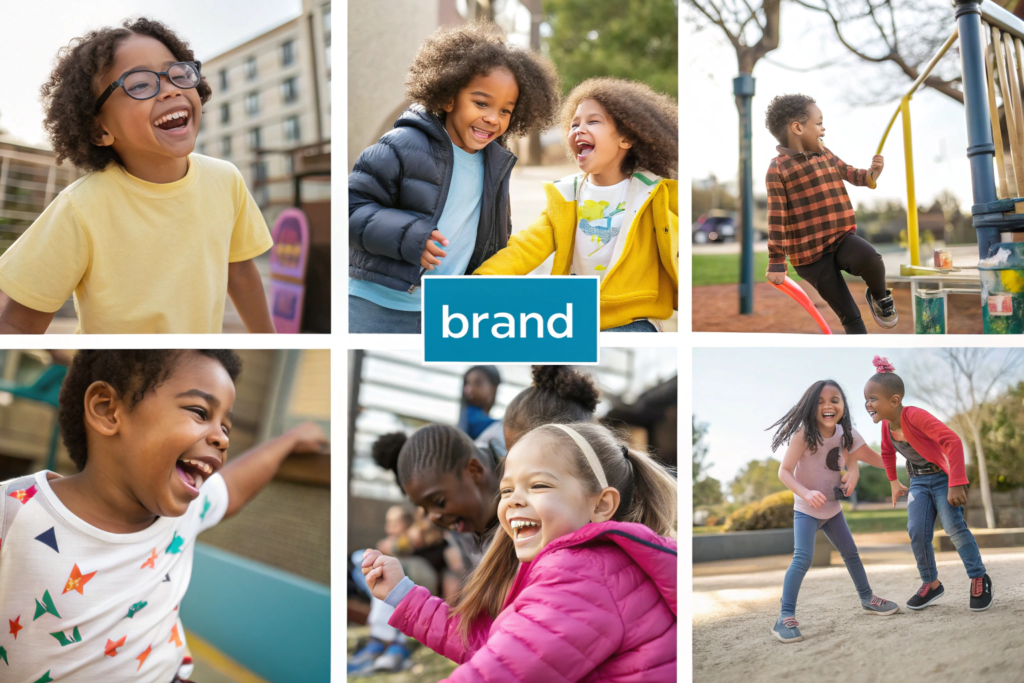
Develop a strong, consistent brand voice and visual language. Is your voice playful and witty? Nurturing and calm? Bold and empowering? This voice should be identifiable in your Instagram captions, product descriptions, and customer service emails. Visually, maintain a cohesive aesthetic across all platforms—a recognizable color palette, photography style (e.g., bright and candid vs. muted and serene), and graphic elements. Your website's "Our Story" page, your Instagram feed showcasing real kids playing in your clothes, and your email newsletter sharing parenting tips aligned with your values should all feel like different rooms in the same welcoming home. Inconsistency creates confusion and dilutes your narrative power.
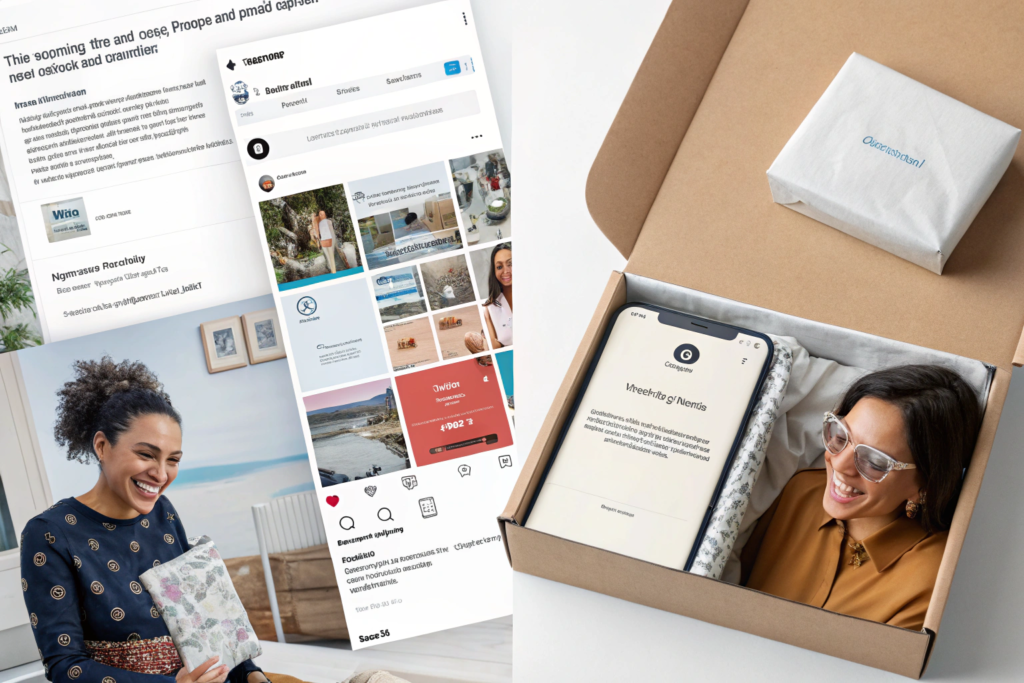
What is the Role of "Content Worlds" Over Product-Only Posts?
Move beyond simply posting product photos. Build "content worlds" that bring your brand purpose to life. If your story is about "outdoor magic," create content about building backyard forts, identifying local bugs, or rainy-day nature crafts. Feature user-generated content (UGC) of real adventures in your clothes. Collaborate with illustrators to create downloadable coloring sheets of your brand characters. This approach provides value beyond commerce, positions your brand as a resource and inspiration, and immerses your audience in the lifestyle your clothing supports.
How to Leverage Video and Interactive Storytelling?
Video is an unparalleled storytelling medium. Use it to show your design process in the factory, interview the founders about your mission, or create short, beautiful films of children embodying your brand spirit (e.g., a child's determination tying their shoes, representing "growing independence"). Interactive elements like quizzes ("What's your child's adventure style?"), polls on new print designs, or Instagram Stories Q&As with the founder make the audience active participants in your narrative, deepening their investment.
3. How to Foster Community and User-Generated Storytelling?
The most powerful stories are those your customers tell for you. Transforming customers from buyers into brand advocates and co-storytellers is the pinnacle of brand building. A community provides social proof, endless authentic content, and invaluable feedback.
Actively cultivate your community. Create and promote a unique, branded hashtag (e.g., #LittleExplorersIn[BrandName]). Run regular campaigns encouraging customers to share photos of their kids for a chance to be featured. Celebrate them—repost UGC prominently, and maybe even have a "Community Spotlight" on your website or newsletter. This not only provides you with authentic marketing material but also makes customers feel seen and valued, strengthening their loyalty. Host virtual or local events aligned with your story: a storytime session with an author if your brand is literary-themed, a sustainable crafting workshop, or a family nature walk.
Why is Transparency and "Behind-the-Scenes" Content Crucial?
Building trust is part of the story. Pull back the curtain. Share videos or posts about how your clothes are made in your partner factory (showcasing clean, safe conditions). Introduce the people behind the brand—the designers, the pattern makers, the customer service hero. Explain why you chose a specific OEKO-TEX® certified fabric. This level of transparency demystifies production, builds immense credibility, and aligns with the consumer desire for ethical awareness. It turns your supply chain into a chapter of your story about responsibility and care.
How to Handle Challenges and Feedback Within Your Narrative?
No story is without conflict. How you handle a mistake, a delayed shipment, or critical feedback is a pivotal storytelling moment. Address issues openly, honestly, and with empathy. Use your brand voice to apologize, explain what happened, and detail how you're fixing it. This shows that your brand is run by accountable humans who care, turning a potential negative into a powerful trust-building chapter that reinforces your core values of integrity and customer care.
4. How to Embed Your Story into the Physical Product Experience?
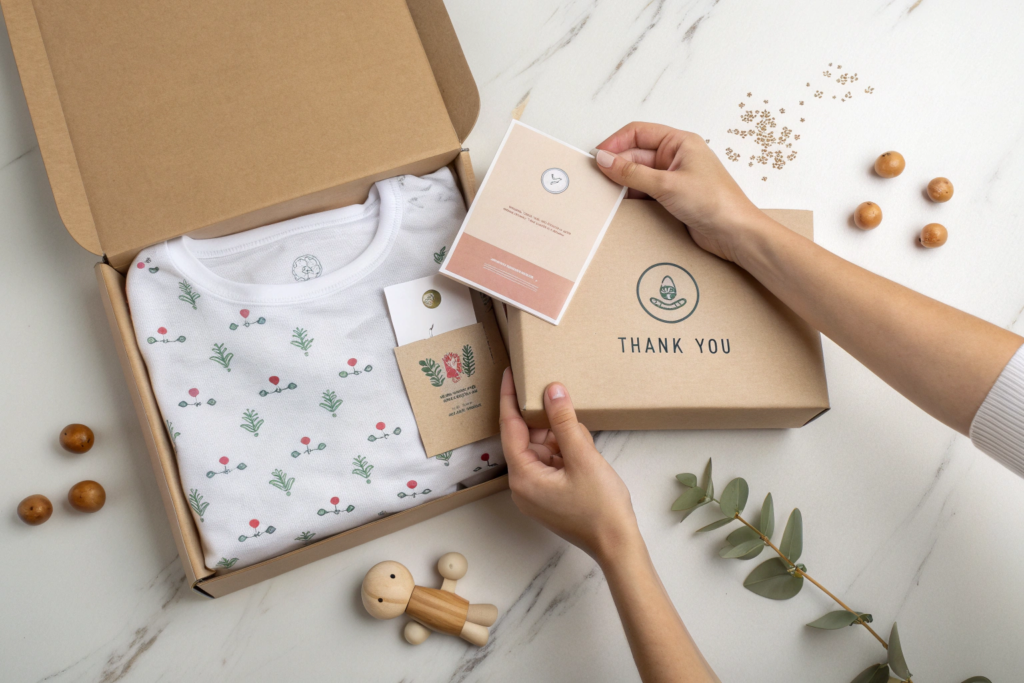
The story must culminate in a tangible, delightful experience when the product arrives. The unboxing is your story's final, physical chapter—a moment of pure brand immersion.
Packaging is narrative delivery. Use recycled, beautiful packaging that reflects your brand's aesthetic. Include a handwritten-style note from the founder reiterating your "why." Add a small, unexpected delight that aligns with your story: a wildflower seed packet for a nature brand, a temporary tattoo of your mascot, a sticker for a water bottle. The product itself tells a story. The hangtag isn't just for price and care instructions; use it to tell the story of the fabric's origin or the print's inspiration. Print your website's "Our Story" URL on the care label. Ensure the garment's quality, stitch, and feel deliver on the promise your story has made. This holistic experience creates a "magic moment" that customers are eager to share, completing the storytelling loop from discovery to delivery and advocacy.
What is the "Product-as-Character" Approach?
For brands with strong themes, consider treating your core products as "characters" in your story world. A recurring dinosaur on your prints can have a name and a backstory shared in product descriptions. A line of outerwear can be named after different types of explorers. This adds a layer of playful depth that engages both children and parents, making the clothing more than an item—it's a token from a beloved story.
How to Ensure Your Manufacturing Partner Understands Your Story?
This is critical for execution. Your manufacturer must be an extension of your storytelling. When you partner with a factory like Fumao, you're not just outsourcing production; you're entrusting them with the physical manifestation of your brand promise. We need to understand that the French terry must be exceptionally soft because your story is about "cloud-like comfort," or that the stitching must be flawless because your story is about "heirloom quality." Clear communication of your brand's core values and narrative ensures that every production decision, from trim selection to quality control, supports and enhances your story, not just fulfills an order.
Conclusion
Effective kids' clothing brand storytelling is a strategic, holistic endeavor that weaves together purpose, consistency, community, and tangible experience. It moves your brand from the wardrobe into the family's identity, creating emotional loyalty that transcends seasons and trends. In a market where options are endless, a well-told story is your most powerful differentiator—it’s the reason a parent chooses you, remembers you, and champions you to their friends.
Remember, you are not just selling clothes; you are inviting families into a story. Make it a story worth joining, telling, and living in.
Ready to build or refine a brand story that resonates and endures? Partner with a manufacturer who listens to your narrative and helps you bring it to life with integrity. Contact our Business Director, Elaine, at elaine@fumaoclothing.com to discuss how Shanghai Fumao can be the reliable chapter in your brand's success story.