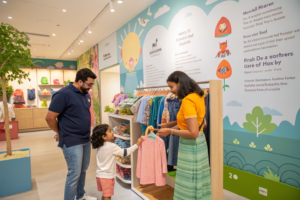
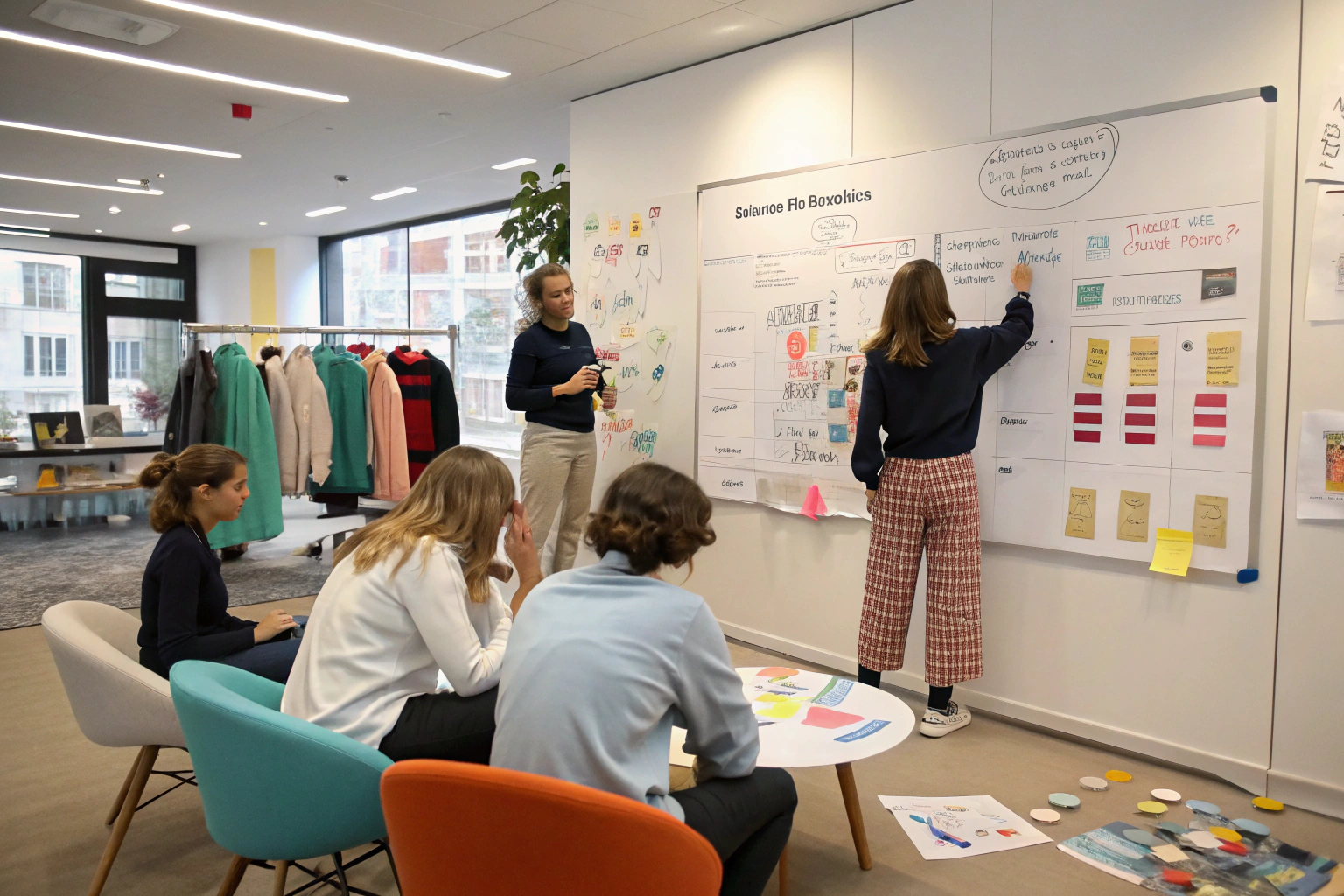
Choosing the right name for your children's clothing brand is one of the most critical decisions you'll make in your business journey. As someone who has worked with hundreds of children's wear brands, I've witnessed how the right name can accelerate growth while the wrong one creates constant obstacles.
The best practices for kids clothing brand naming include creating names that are memorable yet simple, emotionally resonant yet practical, distinctive yet pronounceable, and culturally appropriate yet globally scalable. The most successful names balance creative appeal with business practicality, working equally well for marketing, legal protection, and international expansion.
A great children's clothing brand name should appeal to both parents (who make purchasing decisions) and children (who influence them), while standing out in a crowded marketplace and building the foundation for long-term brand equity.
What Makes a Name Memorable and Distinctive?
Creating a name that stands out in the crowded children's wear market requires balancing uniqueness with relevance. The most successful names are distinctive enough to be memorable but familiar enough to feel approachable.
Distinctive naming helps your brand cut through market noise while building recognition that drives repeat business.
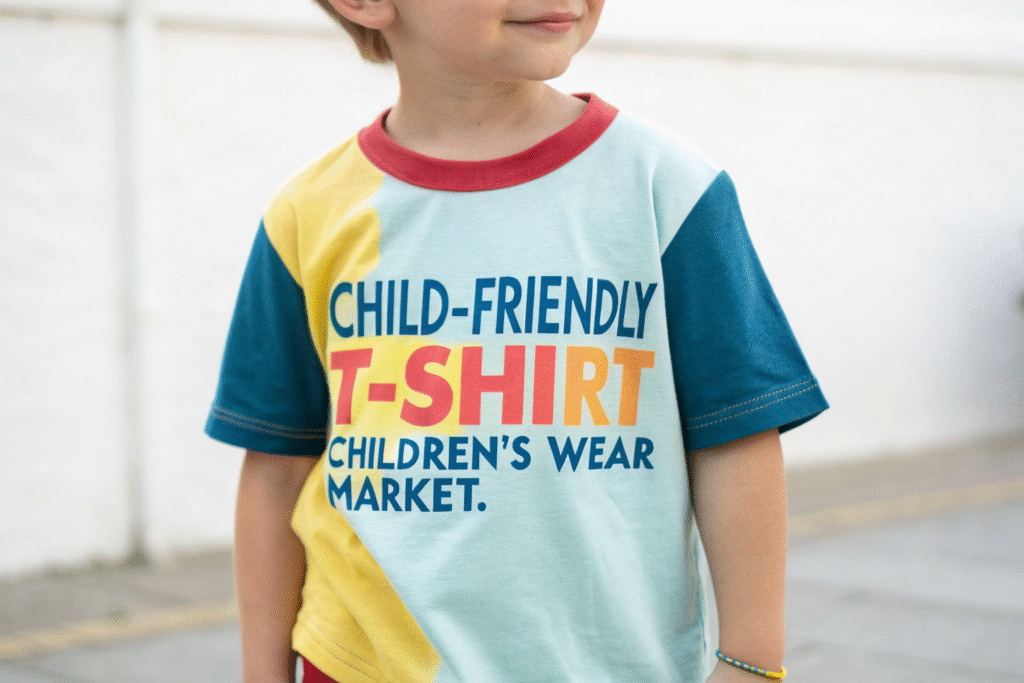
How Can You Balance Creativity and Clarity?
The most effective children's clothing names combine creative elements with clear meaning. Names like "Primary" (suggests simplicity and basics) or "Hanna Andersson" (personal yet established) demonstrate this balance. Avoid names that are so creative they become confusing or so literal they're forgettable. The sweet spot combines an unexpected element with a clear connection to children, clothing, or your brand's unique value proposition. Test names with your target audience to ensure they're both memorable and meaningful.
What Role Does Phonetics Play in Memorability?
Names with pleasing sounds and rhythmic qualities are easier to remember and share. Alliteration (Mini Boden, Carter's), rhyming (Splendid Littles), or repetition create natural memorability. Consider how the name feels when spoken aloud—does it roll off the tongue? Is it easy for children to pronounce? Names with hard consonants may sound more authoritative, while softer sounds often feel more gentle and child-appropriate. The phonetic quality should match your brand personality.
| Naming Approach | Memorability Factor | Example Brands | Key Advantage |
|---|---|---|---|
| Alliterative | High recall through repetition | Mini Boden, Cat & Jack | Easy to remember and repeat |
| Evocative | Emotional connection | Tea Collection, Little Unicorn | Creates brand story and feeling |
| Descriptive | Clear meaning | Primary, Children's Place | Immediately communicates purpose |
| Invented | Unique and trademarkable | Zutano, Zara Kids | Stands out in marketplace |
How Does Emotional Resonance Impact Brand Success?
Children's clothing is an emotional purchase category, making emotional connection crucial for naming success. Parents choose brands that reflect their values, aspirations, and the special relationship they have with their children.
Emotional names create deeper connections that transcend simple transactions and build lasting brand loyalty.
What Emotional Triggers Work Best?
Names that evoke positive childhood emotions—wonder, joy, protection, growth—resonate strongly in children's wear. Consider what emotional space your brand occupies: is it about adventure (Patagonia Kids), comfort (Hanna Andersson), creativity (Mori), or simplicity (Primary)? The name should telegraph this emotional positioning instantly. Test names by asking potential customers what feelings they evoke and whether these align with your desired brand personality.
How Can Names Appeal to Both Generations?
Successful children's clothing names work for both parents and children, though often for different reasons. A name like "Justice" appeals to tween girls' desire for fairness and independence while reassuring parents about positive values. "OshKosh B'gosh" has a playful sound children enjoy while conveying heritage and quality to parents. Consider what each audience segment values and ensure your name delivers something meaningful to both.
What Practical Considerations Ensure Business Viability?
Beyond creative and emotional appeal, practical business considerations determine whether a name can support long-term growth and operational success.
The most beautiful name becomes a liability if it creates legal, logistical, or marketing challenges.

How Important Are Legal and Digital Availability?
Before falling in love with any name, conduct comprehensive trademark searches and secure corresponding domain names and social media handles. The children's wear market is particularly crowded, making availability challenging. Consider variations and potential conflicts not just in clothing but adjacent categories like toys, childcare products, and educational materials. The ideal name has clear trademark availability and consistent digital presence across all key platforms.
What About Scalability and International Considerations?
Choose names that can grow with your business and work across potential international markets. Avoid overly regional references, difficult translations, or cultural associations that might limit expansion. Test names for pronunciation and meaning in key languages and cultures. Names that are too specifically tied to current trends or a narrow age range may become limiting as your brand evolves and expands into new product categories or markets.
How Can You Test and Validate Name Options?
Thorough testing prevents expensive rebranding and ensures your chosen name resonates with your target audience and supports your business objectives.
Validation transforms subjective naming preferences into data-informed decisions.

What Testing Methods Yield the Best Insights?
Combine quantitative and qualitative testing methods to evaluate name candidates. Online surveys can measure memorability, appeal, and brand attribute associations across larger samples. Focus groups provide deeper insights into emotional responses and potential misunderstandings. Real-world testing—sharing the name with potential retailers, partners, and customers—reveals practical challenges and opportunities you might miss in controlled research environments.
How Do You Evaluate Name-Brand Alignment?
Test how well each name candidate supports your brand positioning and business objectives. Does the name feel appropriate for your price point? Does it suggest the quality level you're delivering? Does it leave room for the brand story you want to tell? The most successful names not only sound good but actively reinforce your strategic positioning and make your marketing job easier by telegraphing key benefits or differentiation.
Conclusion
The perfect children's clothing brand name balances creative appeal with practical business considerations, emotional resonance with clear meaning, and distinctiveness with approachability. It should work for both the parents who purchase and the children who wear your clothing while supporting long-term business growth across markets and product categories. The naming process requires equal parts inspiration and diligence—creativity to generate compelling options and rigor to validate their business viability.
At Shanghai Fumao Clothing, we've helped numerous brands navigate the naming journey, bringing both creative perspective and practical manufacturing experience to the process. Our understanding of what works in the children's wear market—from production to marketing to retail—provides valuable context for naming decisions. If you're developing a children's clothing brand and want guidance on naming that supports your business goals, contact our Business Director, Elaine, at elaine@fumaoclothing.com. Let's build a name that becomes your most valuable asset.