As a children's clothing manufacturer, we frequently consult with our brand partners in the US and Europe regarding optimal fabric selection for their infant and toddler collections. This decision extends beyond aesthetic considerations to encompass critical factors of comfort, safety, and commercial viability. Suboptimal material selection can result in dermatological sensitivities, customer dissatisfaction, and significant return rates. Many brands encounter challenges in balancing tactile softness with structural integrity, particularly within competitive pricing parameters.
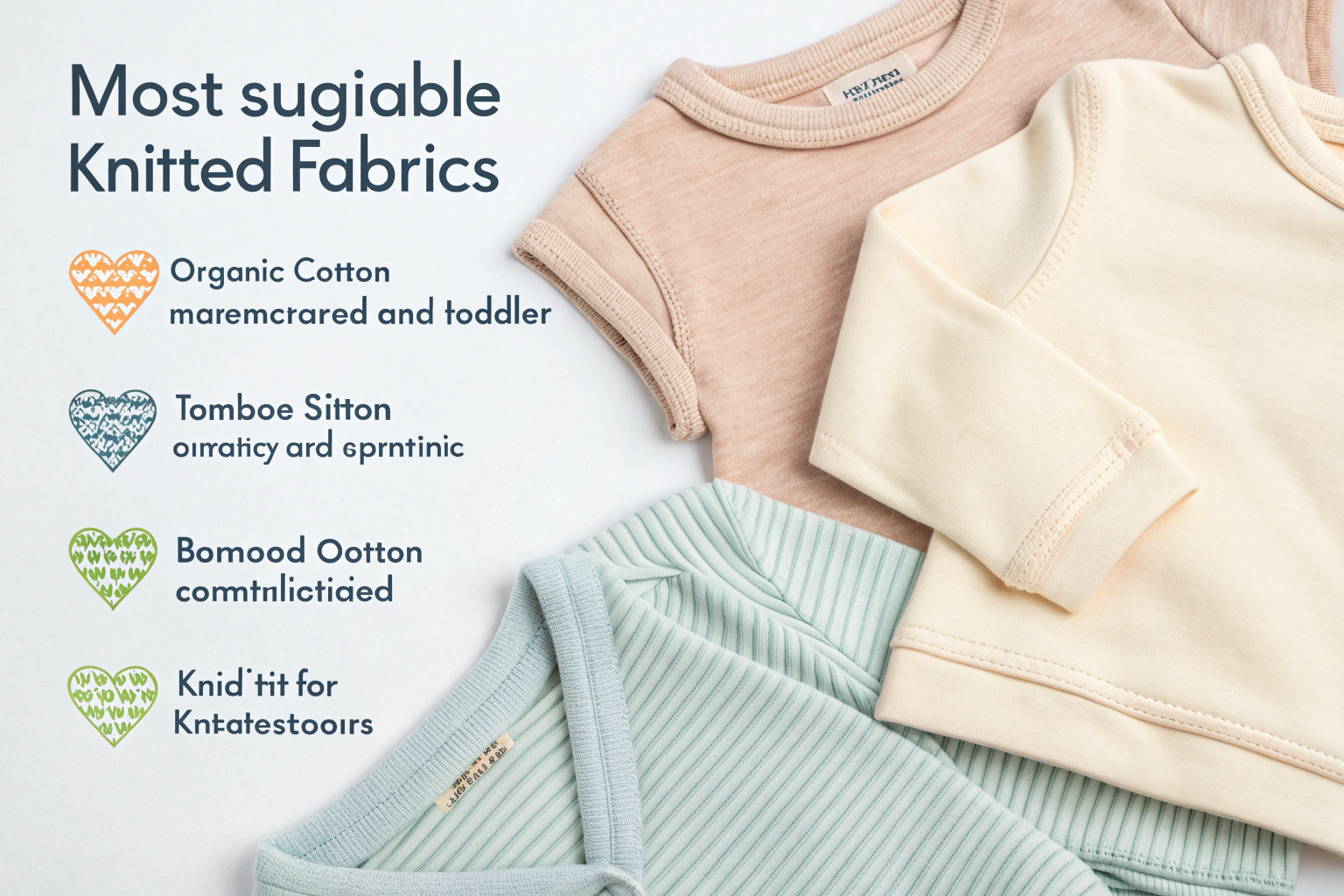
The most suitable knitted fabrics for infant and toddler apparel are those engineered specifically for delicate epidermal conditions, with organic cotton, bamboo viscose, and specialized knit constructions like interlock and jersey demonstrating superior performance in breathability, safety compliance, and tactile comfort. These textile solutions meet rigorous international safety protocols while delivering the durability and comfort expectations demanded by contemporary markets. Our manufacturing experience confirms that fabric selection constitutes the foundational element for commercial success in the juvenile apparel sector.
Let us examine the specific textile categories that meet these criteria and their respective advantages for brand applications.
What constitutes the optimal knit construction for delicate infant skin?
Pediatric dermatological research indicates that infant skin possesses significantly greater permeability and sensitivity compared to mature integumentary systems. This physiological reality necessitates meticulous textile selection, where fabric choice transitions from stylistic consideration to physiological imperative. Brands that master this specification develop enduring consumer trust and brand loyalty.
The benchmark material for epidermal gentleness and hypoallergenic properties remains certified organic cotton. Specifically, organic cotton interlock knit demonstrates exceptional performance characteristics for infant applications. This double-knit construction provides enhanced structural stability, superior dimensional consistency, and eliminates edge curling phenomena common to single-jersey alternatives. The resultant fabric delivers uniform plushness on both surfaces, ensuring consistent comfort. Furthermore, organic certification guarantees agricultural practices excluding hazardous pesticides and synthetic fertilizers, aligning with stringent OEKO-TEX Standard 100 compliance requirements increasingly mandated by North American and European distributors.

What technical advantages distinguish interlock construction?
Beyond surface softness, interlock knit architecture offers enhanced durability through its interlooping system, resisting pilling deformation and maintaining structural integrity through repeated laundering cycles—a critical consideration for both consumer satisfaction and brand reputation management. The fabric's cellular structure facilitates optimal air permeability, supporting thermoregulation in neonatal and infant wear. From manufacturing perspectives, interlock stability enables precision cutting and sewing operations, ensuring consistent quality across production batches. We typically specify this construction for premium infant bodysuits, sleepwear, and coveralls where comfort and durability parameters are paramount.
How does bamboo viscose performance compare in textile applications?
Bamboo-derived viscose presents compelling characteristics in softness metrics, often described as possessing silk-like drape and surface texture. As a rapidly renewable resource, it offers sustainable sourcing narratives for brand marketing. The fiber's innate hypoallergenic properties and exceptional moisture-wicking capacity (exceeding 60% absorption rates) provide functional advantages. However, the chemical processing involved in viscose regeneration necessitates thorough verification of manufacturing compliance. For brands emphasizing natural fiber provenance, organic cotton may present preferable positioning. In blended applications, organic cotton-bamboo combinations create textiles with enhanced softness, improved moisture management, and reinforced tensile strength, allowing brands to optimize performance characteristics against cost structures.
Which knitted textiles demonstrate superior durability for toddler activewear?
The transition from infant to toddler developmental stages introduces demanding wear conditions including abrasive surfaces, repetitive flexion, and frequent laundering. At this stage, textile durability becomes equally critical to softness parameters, directly impacting product longevity and brand perception in market.
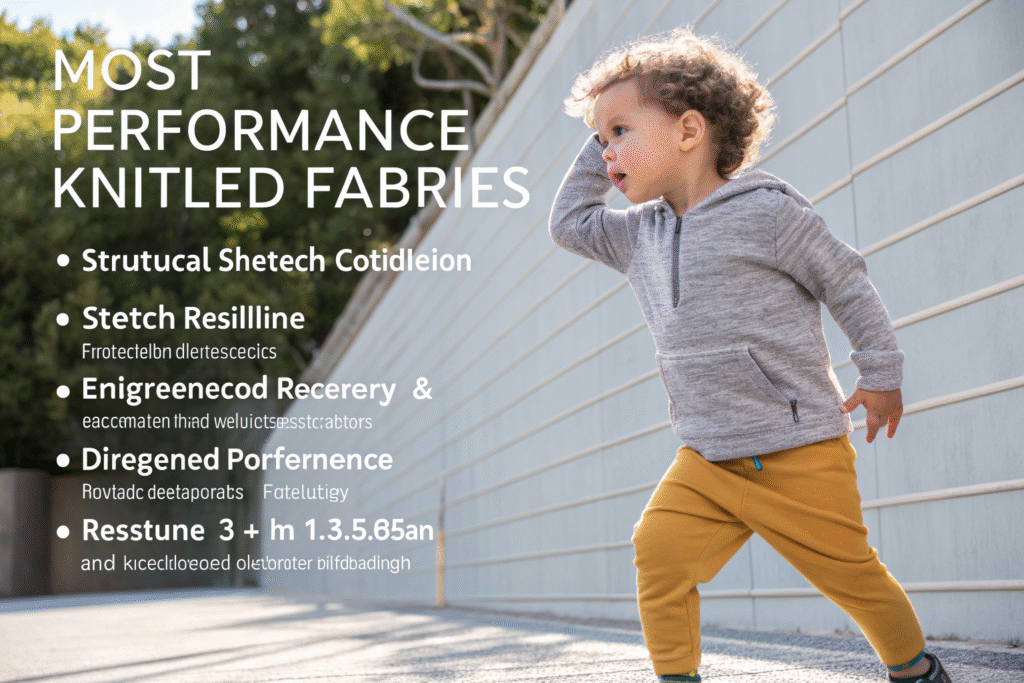
The most performant knitted fabrics for toddler applications combine structural resilience with engineered stretch recovery. Cotton jersey and cotton rib knit provide foundational solutions for daywear collections. For enhanced performance specifications, cotton-spandex blends incorporating 5-8% elastomeric content deliver exceptional recovery properties, resisting deformation at knee and elbow stress points. This engineered elasticity prevents bagging distortion and maintains aesthetic integrity through extended wear cycles, representing a critical functional enhancement for toddler bottoms and sleeve constructions.
What structural properties enhance blend durability?
The integration of spandex filaments within cotton matrix creates a composite textile with multidirectional stretch capabilities while maintaining shape memory. This molecular structure resists mechanical stress-induced deformation and demonstrates enhanced wrinkle resistance, maintaining visual appeal through retail packaging and consumer use. Our quality assurance protocols include standardized testing for colorfastness, dimensional stability, and pilling resistance prior to production approval, ensuring consistent performance alignment with brand specifications and market expectations.
How does fabric weight (GSM) correlate with performance?
Grammage measurement (grams per square meter) provides quantitative assessment of textile density and durability potential:
| Fabric Classification | GSM Range | Recommended Applications |
|---|---|---|
| Lightweight Jersey | 120-150 GSM | Seasonal tops, lightweight bottoms |
| Medium Weight Interlock | 180-220 GSM | Primary daywear, sleepwear, dresses |
| Heavyweight French Terry | 240-300 GSM | Outerwear, hoodies, structured pants |
Higher GSM fabrics like 260 GSM French terry provide enhanced thermal properties and abrasion resistance for outerwear applications. Technical specification understanding enables brands to align material selection with usage scenarios, optimizing customer satisfaction and reducing product returns.
Which safety certifications are essential for juvenile textile products?
Regulatory compliance and safety certification represent non-negotiable requirements in children's textile manufacturing. Beyond legal obligations, these certifications serve as market differentiation tools and risk mitigation strategies, demonstrating brand commitment to consumer safety.
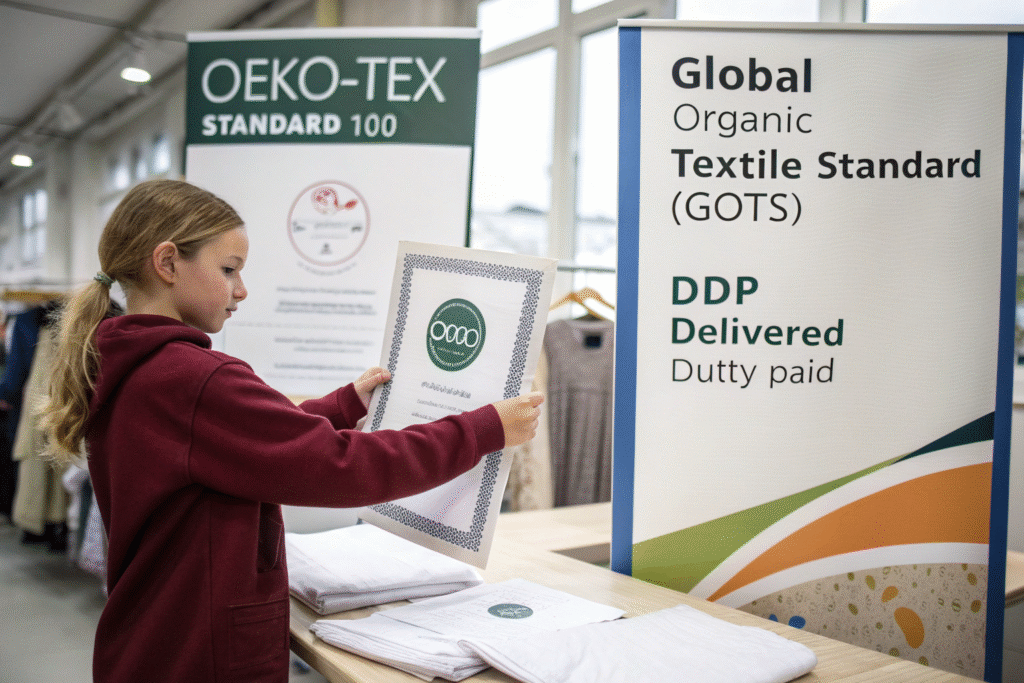
The most critical verification standards for juvenile textiles include OEKO-TEX Standard 100 and Global Organic Textile Standard (GOTS). OEKO-TEX certification provides comprehensive screening for regulated and non-regulated substances across all textile components, establishing baseline chemical safety compliance. GOTS certification extends beyond material composition to encompass environmental and social responsibility throughout the production chain, from raw material extraction to finished product labeling. Our integrated DDP (Delivered Duty Paid) service model incorporates certification verification within supply chain management, ensuring seamless customs clearance and regulatory compliance for international shipments.
Why does OEKO-TEX certification represent industry baseline?
The standardized testing methodology of OEKO-TEX Standard 100 provides globally recognized safety verification, screening for over 300 substance classifications including formaldehyde, heavy metals, and allergenic dyes. This systematic approach eliminates supply chain ambiguity regarding chemical compliance, providing brands with defensible product safety claims. Our material sourcing protocols mandate OEKO-TEX certification for all juvenile textiles, implementing rigorous supplier validation processes that address common industry concerns regarding documentation authenticity.
What strategic advantages does GOTS certification provide?
GOTS certification represents holistic supply chain verification, encompassing organic fiber provenance, environmental management systems, and social accountability metrics. For brand positioning, GOTS-certified products access growing eco-conscious consumer segments and support premium pricing strategies. The certification provides narrative depth for brand storytelling, connecting product safety with environmental stewardship and ethical manufacturing practices. We support brand partners through GOTS certification processes, adding material value and market differentiation within competitive juvenile apparel segments.
How to establish reliable knitted textile sourcing from China?
Supply chain reliability forms the foundation of product quality and delivery compliance. Inefficient communication protocols and supplier inconsistencies represent significant operational risks that can compromise collection launches and market positioning.
Strategic sourcing partnerships require manufacturers with vertically integrated supply chains and established relationships with certified textile mills. Our procurement methodology extends beyond transactional purchasing to include annual supplier audits, facility inspections, and incoming material verification. This systematic approach ensures specification compliance for organic cotton, bamboo viscose, and technical blends. Our integrated logistics management coordinates material flow from raw textile to finished product delivery, mitigating seasonality risks and ensuring timely market delivery. Client communication channels provide direct access to dedicated project management teams, eliminating information latency and ensuring responsive resolution of quality and certification inquiries.

What due diligence protocols ensure supply chain transparency?
Brands should implement rigorous vendor assessment including: mill certification verification, textile testing methodology review, historical compliance documentation, and production scheduling transparency. Professional manufacturing partners should provide evidentiary support for all material claims, including test reports, certification documents, and production tracking systems. Our transparent operational model ensures brand partners maintain full supply chain visibility and documentation access, establishing collaborative partnerships rather than transactional relationships.
How does technical expertise enhance value chain integration?
Manufacturing partners with textile engineering capabilities provide strategic advantages beyond production execution. Our technical team conducts structural analysis of proposed designs, recommending GSM specifications for intended use, suggesting alternative constructions for enhanced performance, and identifying potential material limitations. This consultative approach leverages decades of specialized experience in American and European juvenile apparel markets, preventing costly specification errors and optimizing product performance. The partnership model transforms conventional supplier relationships into strategic alliances focused on mutual market success.
Conclusion
Optimal knitted fabric selection for juvenile apparel requires systematic evaluation of dermatological compatibility, durability parameters, verification certifications, and supply chain reliability. By specifying performance-driven materials like organic cotton interlock, bamboo viscose, and engineered cotton-spandex blends, while insisting on independent safety verification, brands can develop market positions built on trust and product excellence.
The selection of manufacturing partners with technical expertise and integrated supply chain capabilities represents the critical path to successful implementation. For brands seeking technically proficient manufacturing solutions for juvenile apparel collections, we invite professional inquiries. Please contact our Business Director, Elaine, at elaine@fumaoclothing.com to initiate technical consultations regarding your production requirements.