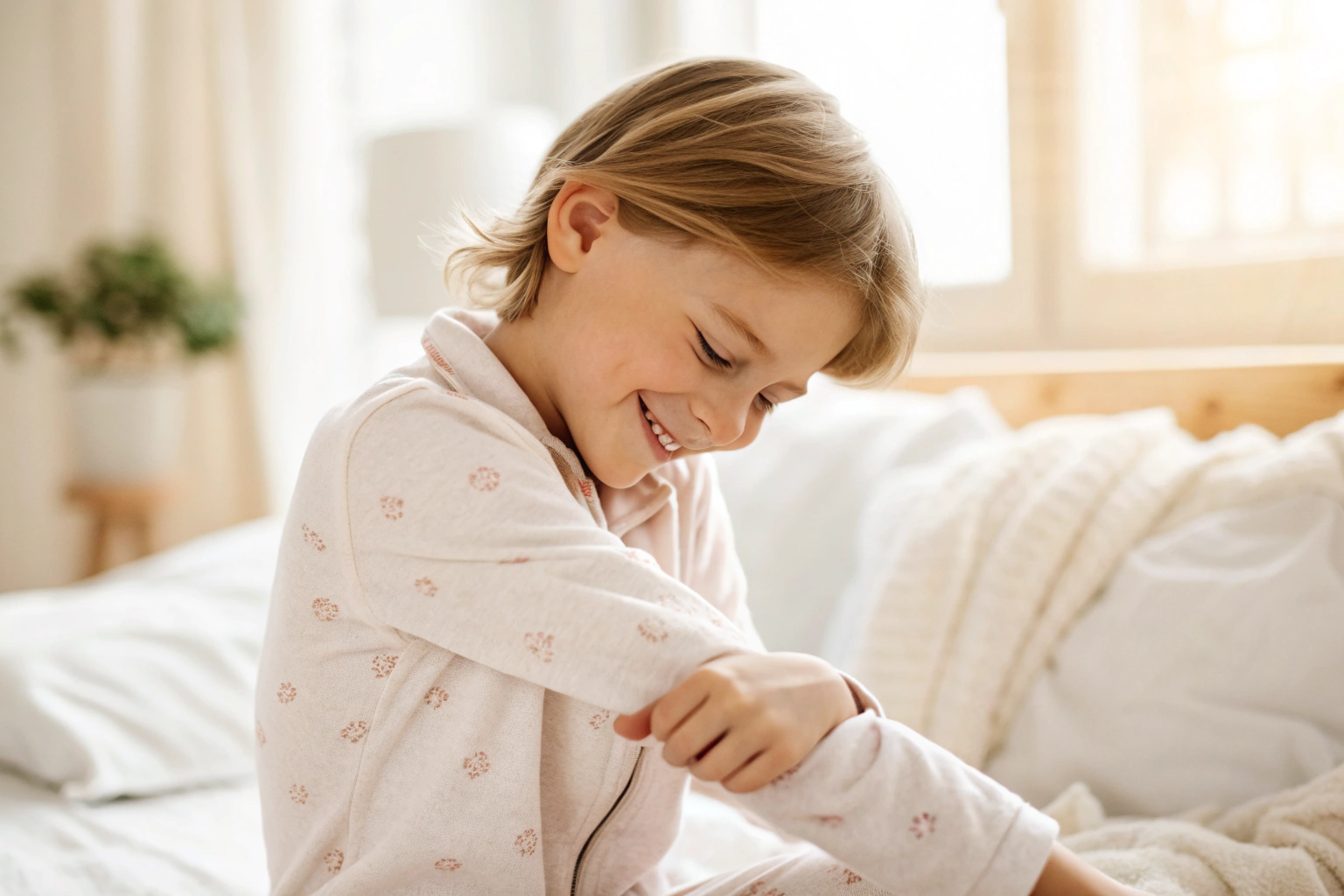
For parents of children with eczema, choosing the right clothing can feel like navigating a minefield. The wrong fabric can trigger itching, sweating, and painful flare-ups, turning everyday comfort into a constant challenge. As a children's clothing manufacturer, we've worked closely with dermatologists and parents to understand how fabric choices directly impact sensitive skin. The goal is simple: to provide garments that protect, comfort, and allow children to play freely without irritation.
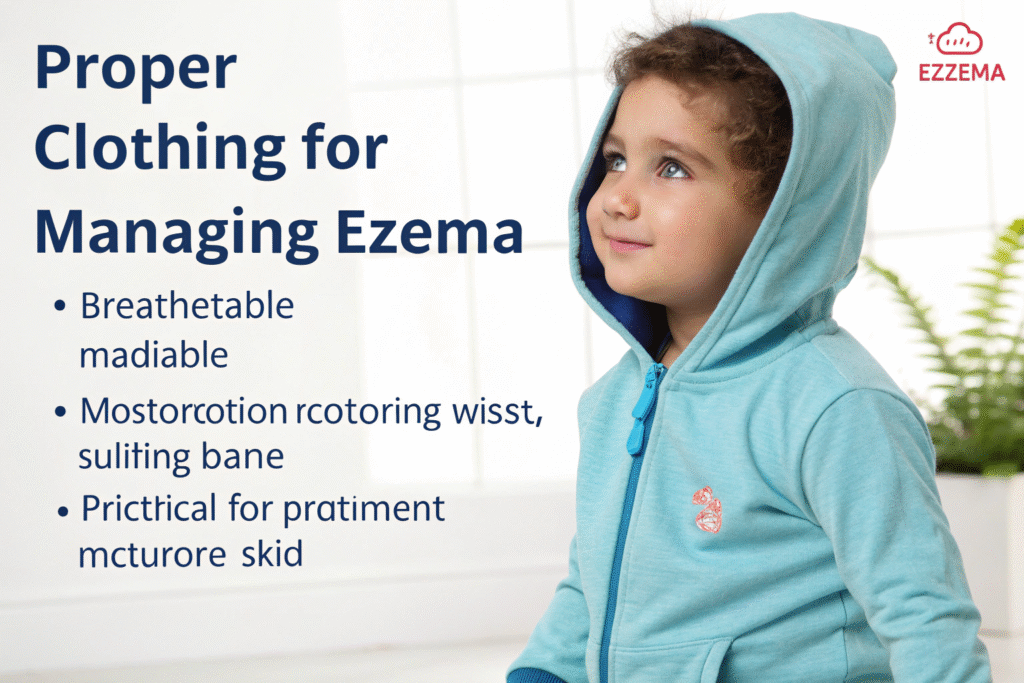
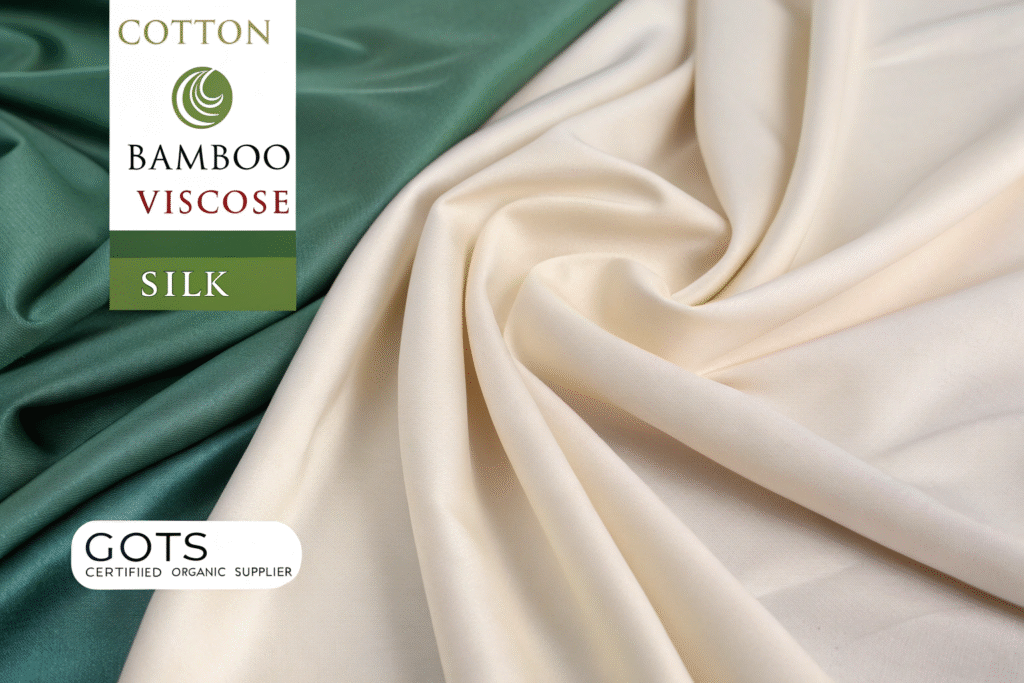
The best fabrics for kids with eczema are 100% cotton, bamboo viscose, and silk. These materials are highly breathable, moisture-wicking, and soft against sensitive skin. They help regulate body temperature, reduce sweat buildup, and minimize friction that can aggravate eczema. Conversely, synthetic fabrics like polyester and nylon should be generally avoided as they trap heat and moisture, creating an environment that often triggers flare-ups.
Finding the right fabric is just the first step. Proper garment construction, including flat seams and tagless labels, plays an equally important role in managing eczema. Let's explore why certain fabrics work better and how to integrate them into your child's wardrobe effectively.
Why is fabric choice critical for eczema management?
Fabric choice is a critical component of eczema management because clothing is in constant, direct contact with a child's skin. The wrong material can create a cycle of irritation through friction, heat retention, and moisture buildup. Eczema-prone skin has a compromised barrier function, making it exceptionally vulnerable to these external aggravators. Selecting the right fabric helps to recreate a protective layer, shielding the skin from further damage while allowing it to heal.
The primary reasons are breathability, moisture control, and softness. Breathable fabrics allow air to circulate, preventing the heat buildup that triggers itching. Effective moisture-wicking pulls sweat away from the skin, as sweat can sting and inflame eczema patches. Finally, a smooth, soft texture minimizes friction, which is a common physical irritant that can break the skin's delicate surface and lead to infection.
How does fabric breathability prevent flare-ups?
Fabric breathability prevents flare-ups by allowing excess body heat to escape and fresh air to circulate. When a child's skin overheats, it often becomes itchy, leading to scratching that damages the skin barrier and worsens eczema. Breathable fabrics like cotton and bamboo function like a thermostat for the skin, maintaining a stable, cool temperature. This is a core principle behind therapeutic clothing recommended by dermatologists, as it directly addresses a key trigger for many children.
What role does moisture-wicking play in skin health?
Moisture-wicking is vital for skin health because it manages sweat, a common eczema irritant. When sweat remains on the skin, it can dry out the surface, cause a stinging sensation, and wash away natural moisturizing factors. Fabrics that wick moisture, such as silk and certain bamboo blends, pull this dampness away from the skin and spread it across the fabric's surface where it can evaporate quickly. This process, supported by insights from the American Academy of Dermatology, helps keep the skin dry and reduces the urge to scratch.
Which natural fabrics are most suitable for sensitive skin?
When it comes to eczema, natural fabrics are typically the safest bet due to their inherent properties. 100% cotton is the gold standard for its widespread availability, breathability, and softness. Bamboo viscose is another excellent choice, known for being even more absorbent and silky-smooth than cotton. Silk, particularly medical-grade silk, offers a uniquely smooth surface that reduces friction and is often used in specialized eczema wear.
These fabrics are suitable because they are gentle, non-abrasive, and hypoallergenic. They are less likely to be treated with harsh chemicals during processing, especially if they are certified organic. For instance, our factory specifically sources GOTS certified organic cotton to ensure the fabric is free from pesticides and synthetic chemicals that could further irritate sensitive skin.
| Fabric | Key Benefit for Eczema | Best For |
|---|---|---|
| 100% Cotton | High breathability & comfort | Everyday wear, pajamas |
| Bamboo Viscose | Superior moisture-wicking | Active play, warm weather |
| Silk | Low friction & temperature regulation | Nightwear, under-layers |
What makes bamboo viscose a superior choice?
Bamboo viscose is a superior choice for several reasons. First, it is incredibly soft, often compared to cashmere, which minimizes mechanical irritation from rubbing. Second, its fibers are highly porous, giving them exceptional breathability and the ability to absorb up to three times their weight in moisture. This makes it ideal for active children or for overnight wear when sweating is common. Furthermore, bamboo has natural antibacterial properties, which can help reduce the risk of secondary infections from scratched skin.
Why is organic cotton often recommended?
Organic cotton is frequently recommended because it is grown without the use of toxic pesticides, herbicides, and genetically modified seeds. Conventional cotton farming uses a significant portion of the world's insecticides, traces of which can remain in the final fabric. By choosing organic, you minimize your child's exposure to these potential irritants. The Global Organic Textile Standard ensures that the entire production process, from harvesting to labeling, meets strict ecological and social criteria, providing a cleaner, safer product for sensitive skin.
What fabrics and features should be avoided?
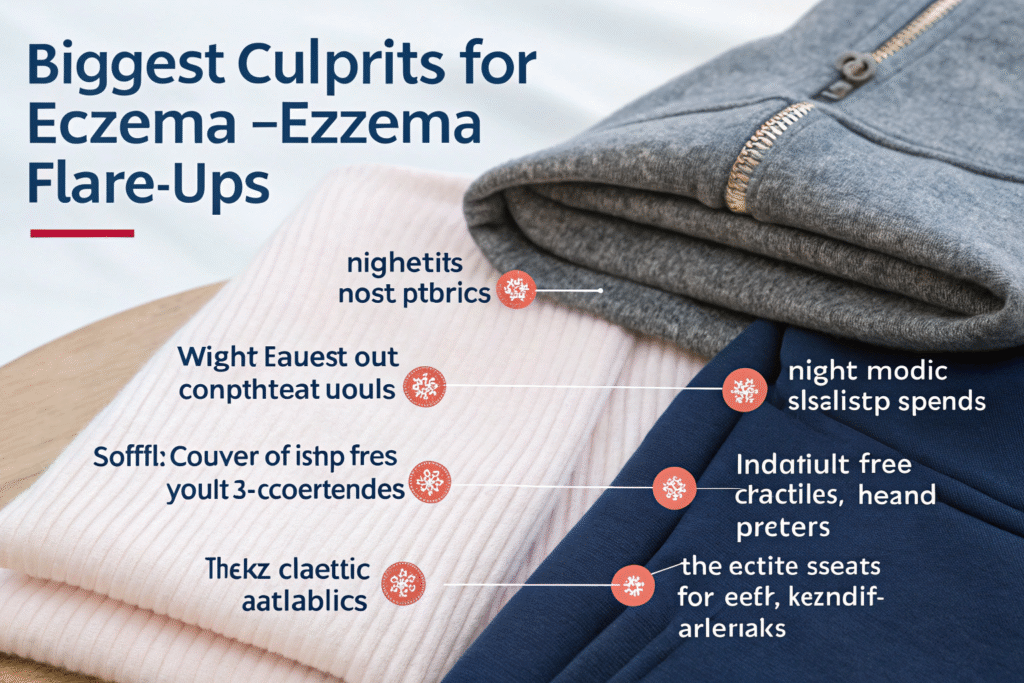
Knowing what to avoid is just as important as knowing what to choose. Synthetic fabrics like polyester, nylon, and acrylic are the biggest culprits for eczema flare-ups. These materials are not breathable; they trap heat and sweat against the skin, creating a hot, humid environment that triggers itching and inflammation. Additionally, rough textures, such as wool, can feel like sandpaper on sensitive skin, even if it's a natural fiber.
Beyond fabric type, certain garment features can be problematic. Tags, rough seams, and elastic bands can create points of constant friction and pressure. Always look for tagless designs, flat-lock stitching, and soft, covered elastics. At Fumao, we use Oeko-Tex certified dyes to ensure that even the colors and prints on our garments are free from harmful substances that could cause a reaction.
Why are synthetic fabrics like polyester problematic?
Synthetic fabrics like polyester are problematic because they are essentially plastic fibers. They are non-absorbent, meaning they do not pull moisture away from the skin. Instead, sweat is trapped, leading to dampness that can macerate the skin and cause intense itching. Furthermore, the lack of breathability causes a child to overheat more easily. The production of polyester also often involves chemicals and dyes that can be difficult to wash out completely, posing an additional risk of chemical irritation.
How can construction details like seams cause irritation?
Construction details like raised, bulky seams can cause significant irritation by constantly rubbing against the skin. This friction can lead to chafing and break down the already fragile skin barrier in children with eczema. This is why flatlock seams, which lay flat against the skin without a raised edge, are the preferred choice in sensitive skin apparel. Similarly, labels should be printed directly onto the fabric or located in a non-irritating area, and elastics should be wide and soft to distribute pressure without digging in.
How should you care for eczema-friendly clothing?
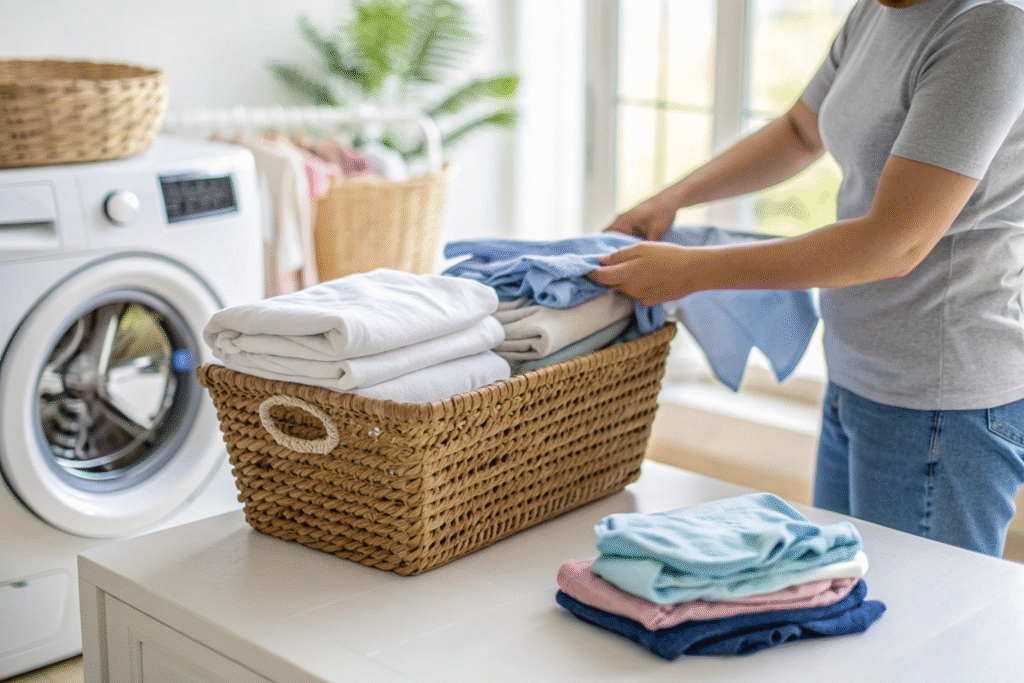
Proper care is essential to maintain the softness and hypoallergenic properties of eczema-friendly clothing. The goal is to keep the garments free from irritants like harsh detergent residues, fabric softeners, and hard water minerals. This involves using gentle, fragrance-free cleaning products and avoiding common laundry mistakes that can degrade fabric quality or introduce new irritants.
A consistent and careful laundry routine can extend the life of the garments and ensure they remain a safe haven for your child's skin. Always wash new clothes before the first wear to remove any finishing chemicals from the manufacturing process. We recommend our partners provide care instructions that align with the National Eczema Association's guidelines, which emphasize the importance of a hypoallergenic laundry process.
What are the best laundry detergents to use?
The best laundry detergents are those that are free from dyes, fragrances, and harsh surfactants. Look for products that are specifically labeled "hypoallergenic" or "for sensitive skin." Liquid detergents are often preferable to powders, as they tend to dissolve and rinse out more completely, leaving less residue. Brands that have earned the National Eczema Association Seal of Acceptance are a reliable choice. It's also crucial to avoid fabric softeners and dryer sheets, as they coat fibers with chemicals that can irritate the skin.
Does double-rinsing clothing make a difference?
Yes, double-rinsing clothing can make a significant difference. An extra rinse cycle helps to ensure that all traces of laundry detergent are thoroughly washed out of the fabric. Even the gentlest detergents can leave a slight residue that may build up over time and irritate sensitive skin. This simple step is a highly effective and low-cost strategy to minimize potential chemical contact, making it a common recommendation in pediatric dermatology advice for managing eczema.
Conclusion
Choosing the best fabrics for a child with eczema is a powerful and practical way to manage their condition and improve their quality of life. By prioritizing soft, breathable, and moisture-wicking natural materials like cotton, bamboo, and silk, and avoiding synthetics and irritating construction details, you can create a comfortable and protective wardrobe.
Remember, the right clothing is a key part of a comprehensive care strategy. If you are a brand looking to develop a truly skin-friendly children's clothing line, partner with a manufacturer who understands these critical details. Contact our Business Director Elaine at elaine@fumaoclothing.com. Let Shanghai Fumao help you create garments that are gentle on the skin and trusted by parents.