Choosing the right fabric for kids' summer clothing is crucial for both comfort and commercial success. As temperatures rise, parents seek comfortable, safe, and durable outfits, making fabric selection a key factor that determines whether a collection sells well or remains on shelves. This guide helps apparel brand owners make informed decisions that meet market demands while ensuring customer satisfaction.
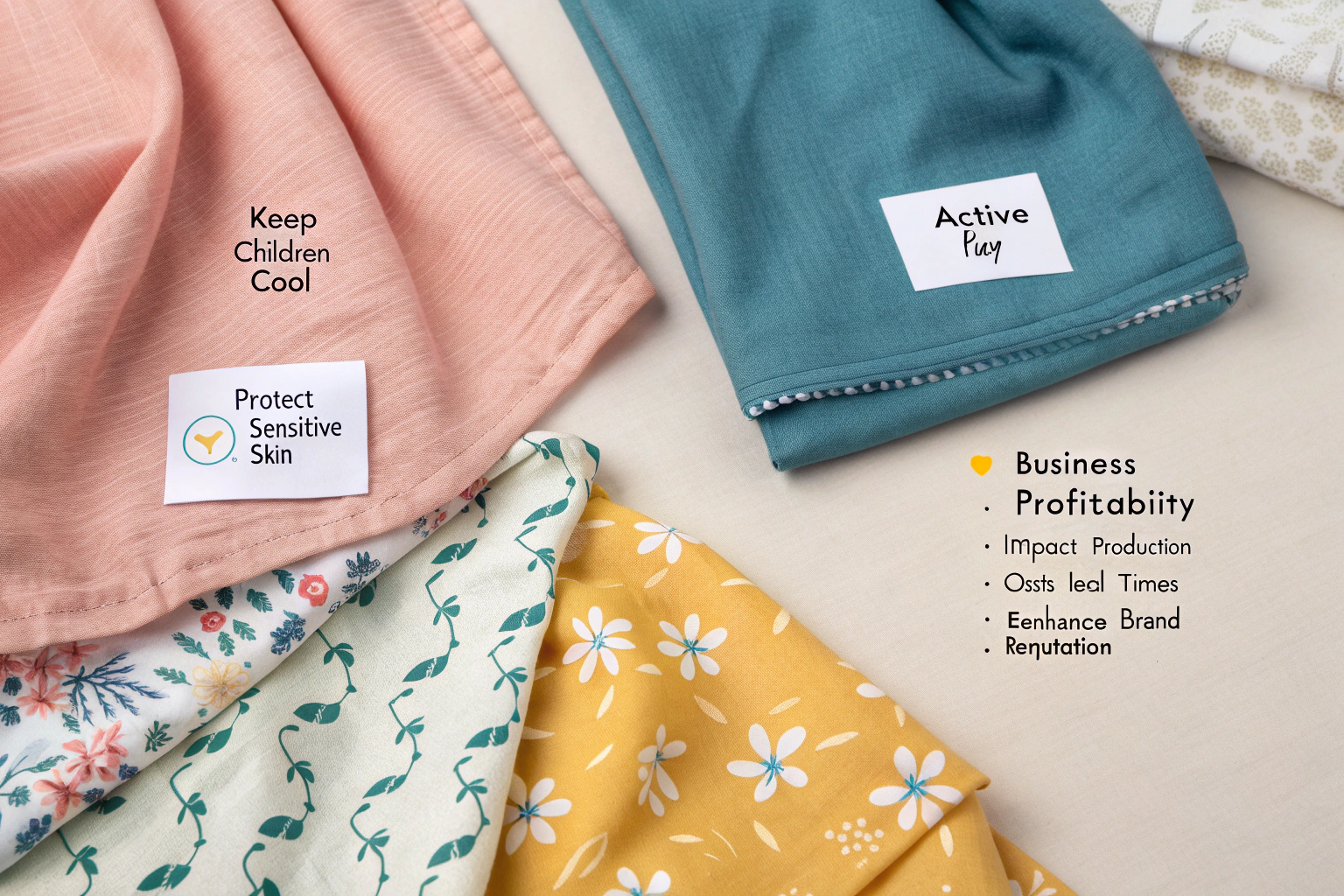
The ideal summer fabrics for kids combine breathability, skin-friendly properties, and durability while supporting brand profitability. These materials keep children cool, protect sensitive skin, and withstand active play. For business owners, fabric choices directly impact production costs, lead times, and ultimately, brand reputation.
The competitive U.S. children's wear market sees growing consumer awareness about fabric benefits like breathability, moisture-wicking, and hypoallergenic properties. Meeting these expectations requires strategic fabric selection that balances comfort with commercial viability.
What is the most breathable fabric for kids?
Breathability is essential for summer kids' wear, allowing air circulation to prevent overheating and skin irritation. For active children, this is non-negotiable. 100% cotton stands out as the most breathable option, with its natural hollow fibers acting like tiny straws that pull moisture away from the skin.
This wicking process keeps children dry and comfortable. Cotton's hypoallergenic properties make it ideal for sensitive skin or eczema sufferers, minimizing rash risks compared to synthetic alternatives.

Why does cotton lead summer fabric choices?
As a natural plant-based fiber, cotton dominates the global apparel market, particularly in children's clothing due to its proven breathability and softness. We recommend high-quality combed cotton for client projects because it's stronger, softer, and more pill-resistant than regular cotton, maintaining quality through multiple washes.
How do you verify cotton quality?
Quality assurance begins with sourcing from certified suppliers providing Oeko-Tex Standard 100 certified fabrics, guaranteeing they're free from harmful substances. Our quality control team conducts rigorous fabric GSM checks to ensure optimal weight and density—light enough for breathability yet durable for active wear.
Which fabrics work best for sensitive skin?
Children's delicate skin requires ultra-soft, non-irritating fabrics free from harsh chemicals. Beyond cotton, bamboo and linen offer excellent alternatives with unique benefits that synthetics can't match.
Bamboo viscose has gained significant traction in children's wear for its silk-like softness and natural temperature regulation. Linen provides exceptional absorbency and antibacterial properties that prevent odors—valuable features for active kids. Both materials align with growing demand for sustainable clothing options.

What advantages does bamboo offer?
This sustainable resource grows rapidly without pesticides, producing fabric that's not only exceptionally soft but also more absorbent than cotton, keeping skin drier. Bamboo's natural UV protection provides an often-overlooked summer benefit. In production, bamboo blends beautifully with organic cotton, creating luxurious, functional fabrics for premium collections.
How does linen perform for sensitive skin?
Among the oldest textiles, linen's long, sturdy fibers create strength that softens with washing. It offers exceptional breathability and moisture-wicking, feeling cool to the touch—perfect for heatwaves. While pure linen wrinkles easily, we often recommend cotton-linen blends that combine linen's coolness with cotton's softness and reduced wrinkling for practical everyday wear.
Which fabrics should you avoid in summer?
Synthetic fabrics that trap heat and moisture generally make poor choices for standalone summer garments. Polyester and nylon, despite their durability and cost-effectiveness, lack the breathability needed for warm weather comfort.
These materials don't absorb sweat, instead causing moisture to cling to skin and potentially leading to heat rash. While specialized polyester microfiber has its place in activewear for engineered moisture-wicking, it's unsuitable for general summer daywear.
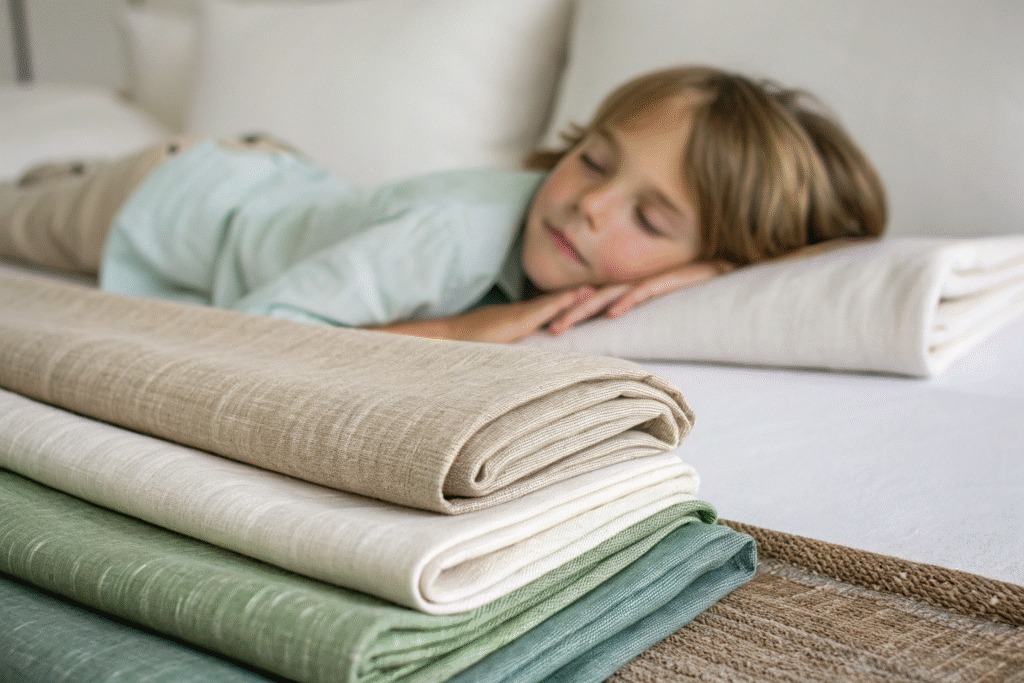
What problems does polyester create?
As a plastic-based fiber, pure polyester is non-absorbent, trapping heat and moisture against skin to create an uncomfortable humid microclimate. For active children in sunshine, 100% polyester becomes a sauna-like experience. Some children may experience skin irritation from production chemicals, making it generally unsuitable for mainstream summer collections.
When do fabric blends make sense?
Strategic blends offer practical compromises. An 80% cotton/20% polyester blend maintains much of cotton's breathability while gaining polyester's durability and shrink resistance. This commercially savvy approach lowers costs per unit and extends garment life, though pure natural fibers remain preferable for optimal summer comfort.
How to source quality summer fabrics effectively?
Reliable manufacturing partners with strong fabric sourcing capabilities are essential for transforming product vision into reality. The right partner maintains established textile mill relationships and can recommend optimal materials for your budget and design needs while managing the complete supply chain from raw materials to finished garments.
Our full-package production includes expert fabric sourcing, leveraging industry connections to secure premium materials at competitive prices. We prioritize transparency, providing fabric samples and certifications before production to eliminate guesswork and ensure value.
What distinguishes quality fabric suppliers?
Evaluate manufacturing partners by their sourcing practices: they should provide Oeko-Tex or GOTS certifications for safety, maintain transparency about mill sources, and conduct internal quality control testing for fabric strength, colorfastness, and shrinkage. Vague material information represents a significant red flag in potential partners.
How does DDP shipping benefit importers?
Delivered Duty Paid service simplifies international trade for U.S. importers by managing complete logistics from fabric sourcing through manufacturing to final delivery at U.S. warehouses. This comprehensive approach handles shipping complexities, customs clearance, and duties, providing predictable costing without hidden fees while taking full timeline responsibility to prevent delays.
Conclusion
Strategic fabric selection fundamentally impacts kids' summer clothing success. Optimal choices—cotton for breathability, bamboo for sensitive skin, and linen for coolness—directly influence customer satisfaction and brand loyalty, while avoiding unsuitable materials like pure polyester is equally important.
The right manufacturing partner becomes your greatest asset, combining strong sourcing capabilities with rigorous quality control and seamless logistics to execute your vision efficiently. This partnership helps navigate fabric options, control costs, and ensure timely delivery, transforming apparel concepts into market-ready products that stand out competitively.
For reliable manufacturing of your next kids' summer collection, contact our Business Director Elaine at elaine@fumaoclothing.com to discuss perfect fabric sourcing and design realization for your brand's success.