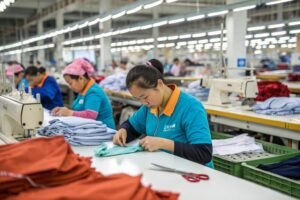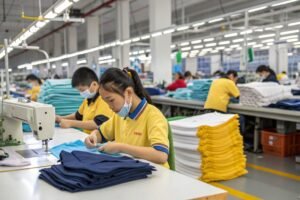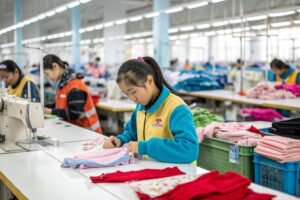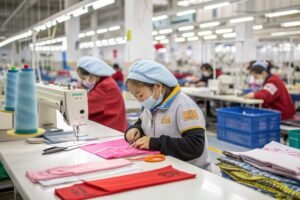
As a children’s clothing manufacturer specializing in European and American markets, I’ve worked with numerous brands addressing the growing demand for clothing suitable for children with sensitivities. Watching a child suffer from skin reactions to their clothing is distressing for parents, and finding truly safe alternatives can feel overwhelming. The solution lies in returning to natural, minimally processed fibers that have stood the test of time.
The best fabrics for children allergic to synthetic materials are 100% organic cotton, linen, silk, and hemp due to their natural origins, breathability, and minimal chemical processing. These fabrics contain none of the petroleum-based polymers, formaldehyde resins, or chemical finishes found in synthetic materials that commonly trigger allergic reactions, skin irritation, and discomfort in sensitive children.
Understanding why these specific natural fabrics work when synthetics fail requires looking at both fiber composition and manufacturing processes. The most effective approaches combine appropriate material selection with verified manufacturing standards to ensure purity from field to finished garment.
Why do synthetic fabrics commonly cause reactions?
Synthetic fabrics trigger allergic responses through multiple mechanisms that natural fabrics typically avoid. Understanding these triggers helps parents make informed choices and manufacturers create safer alternatives.
The problem with synthetics isn’t just the base material but the chemical cocktails used in their production. From polymerization catalysts to dyeing assistants and finishing treatments, synthetic fabrics undergo extensive chemical processing that leaves residues known to cause dermatological issues. Children’s developing systems and more permeable skin make them particularly vulnerable to these chemical exposures.

What chemical residues remain in synthetic fabrics?
Synthetic fabrics retain multiple chemical residues that can trigger reactions in sensitive children. Formaldehyde, used for wrinkle resistance, is a common sensitizer that can cause contact dermatitis. Petrochemical catalysts from polymerization, including antimony and manganese, may remain in polyester fibers. Azo dyes, which can release aromatic amines, are more commonly used on synthetics than natural fibers. Flame retardants like PBDEs, sometimes required in children’s sleepwear, bond particularly well to synthetic fibers. Antimicrobial treatments using triclosan or silver nanoparticles are frequently applied to synthetics. Additionally, mothproofing agents, stain resisters, and waterproofing chemicals create a complex chemical environment that research has linked to increasing rates of childhood skin sensitivity and allergies.
How does synthetic fiber structure affect sensitive skin?
The physical structure of synthetic fibers creates microenvironment conditions that exacerbate skin issues. Unlike natural fibers that absorb moisture, synthetics repel it, trapping sweat against skin and creating ideal conditions for irritation and bacterial growth. The smooth, regular surface of synthetic fibers doesn’t allow for the same air circulation as the microscopic scales and irregularities of natural fibers. Static electricity buildup in synthetics can attract and hold dust, pollen, and other allergens against skin. The typically tighter weave of synthetic fabrics reduces breathability compared to natural alternatives. Additionally, synthetic fibers don’t biodegrade skin cells and oils as effectively, allowing buildup that can clog pores and trigger folliculitis. These physical factors combine with chemical concerns to make synthetics particularly problematic for children with existing skin conditions like eczema.
Which natural fabrics cause the fewest reactions?
Certain natural fabrics consistently outperform others when it comes to minimizing allergic reactions in children. The safest options combine natural fiber properties with certified manufacturing processes that limit chemical exposure.
The most reliable fabrics for sensitive children share several characteristics: natural origin without genetic modification, minimal processing requirements, inherent breathability, and availability with credible certifications verifying their purity from field to finished product.

Why is organic cotton the gold standard?
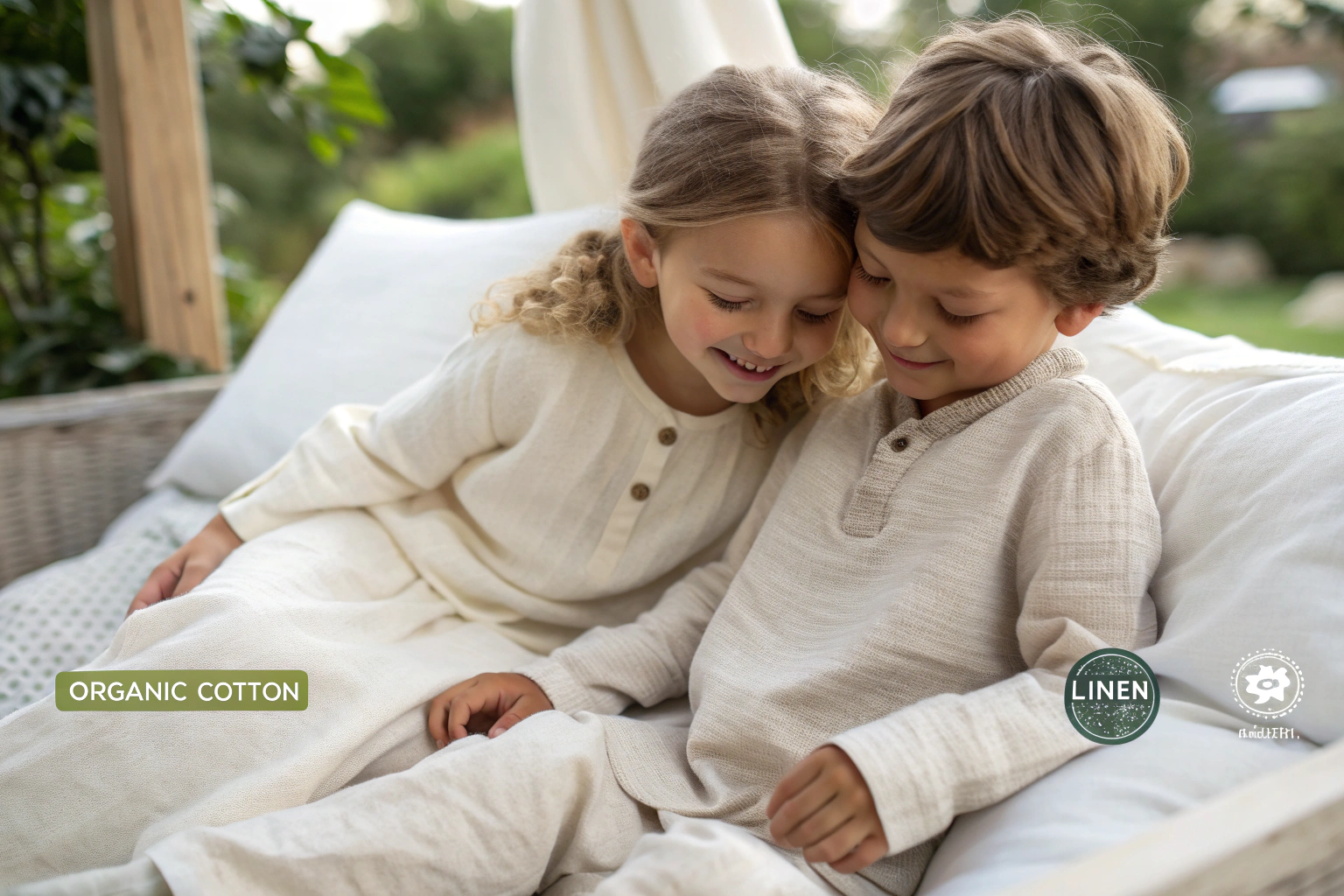
Organic cotton represents the safest choice for children with synthetic allergies for several compelling reasons. Certified organic cotton is grown without synthetic pesticides, herbicides, or fertilizers, eliminating agricultural chemical residues. The processing prohibits chlorine bleaching and instead uses peroxide-based bleaching that breaks down into water and oxygen. GOTS certification ensures that from harvesting through manufacturing, strict standards limit toxic inputs and require wastewater treatment. Organic cotton fibers are typically longer and stronger, requiring less sizing and finishing to process into yarn. The fabric offers excellent breathability with a moisture absorption rate of approximately 8%, helping maintain stable skin temperature and moisture levels. Additionally, the soft hand feel and durability of high-quality organic cotton withstands repeated laundering without degrading comfort properties that protect sensitive skin.
What makes linen and hemp exceptional alternatives?
Linen and hemp offer unique benefits that make them outstanding choices for children with multiple sensitivities. Both fibers are naturally antimicrobial, resisting bacterial growth that can exacerbate skin conditions. Their hollow fiber structure provides exceptional breathability, approximately 30% greater than cotton, allowing superior air circulation. Linen and hemp possess natural UV resistance without chemical treatments, with UPF ratings typically between 15-30. The fibers become softer with each washing while maintaining durability, outlasting cotton in tensile strength. Both crops require minimal pesticides when grown conventionally and are frequently available organic. Additionally, linen’s quick-drying properties (evaporating moisture 50% faster than cotton) help maintain skin comfort during active play. These inherent properties make these ancient fibers increasingly relevant for modern childhood sensitivities.
How should parents evaluate fabric safety?
Selecting truly safe fabrics for children with sensitivities requires looking beyond simple fiber content to verification methods and manufacturing standards. Informed evaluation helps parents navigate marketing claims to identify genuinely hypoallergenic options.
The most reliable approach combines understanding fiber properties with independent verification of processing methods. This dual evaluation ensures that potentially beneficial natural fibers haven’t been compromised by aggressive processing techniques.
| Evaluation Criteria | What to Look For | Why It Matters |
|---|---|---|
| Fiber Content | 100% natural fibers without blends | Eliminates synthetic content that may cause reactions |
| Certifications | GOTS, OEKO-TEX Standard 100 | Verifies restricted substance compliance |
| Coloration | GOTS-approved low-impact dyes | Limits heavy metals and allergic dye components |
| Finishing | No stain-resistant, wrinkle-free claims | Avoids formaldehyde and PFC treatments |
| Construction | Breathable weaves, flat seams | Reduces friction and improves air circulation |

What certifications guarantee fabric purity?
Several certifications provide reliable verification of fabric safety for children with sensitivities. The Global Organic Textile Standard (GOTS) represents the most comprehensive certification, covering both organic fiber content and environmentally responsible processing with strict chemical input restrictions. OEKO-TEX Standard 100 certifies that textiles have been tested for over 100 regulated harmful substances, with Class I representing the strictest requirements for baby items. The USDA Organic certification verifies agricultural practices but doesn’t address processing. Made in Green by OEKO-TEX adds supply chain transparency to chemical safety verification. Global Recycled Standard certification ensures recycled content while restricting chemical inputs. Each certification provides different but valuable assurances, with GOTS offering the most comprehensive protection for children with significant sensitivities.
How can you identify hidden synthetic content?
Hidden synthetic content often appears in unexpected places that can trigger reactions in highly sensitive children. Check not just main fabric content but also threads, which are often polyester even in natural fiber garments. Examine elastics, which typically contain latex and synthetic rubber components—look for cotton-covered options instead. Investigate interlinings and fusibles, which frequently contain synthetic adhesives and backing materials. Scrutinize prints and appliqués, which usually incorporate synthetic inks, plastisol, or bonding agents. Be aware that "natural fiber" blends often include small percentages of synthetics for stretch or durability—only 100% natural fiber content guarantees complete avoidance. Additionally, fabric finishes like permanent press or stain resistance typically use synthetic resins regardless of base fiber. This comprehensive inspection ensures truly synthetic-free clothing for highly allergic children.
What manufacturing processes preserve fabric safety?
Even the most hypoallergenic natural fibers can be compromised by aggressive manufacturing processes. Understanding production methods helps identify manufacturers committed to preserving fabric purity for sensitive wearers.
The most skin-friendly manufacturing approaches prioritize minimal processing, certified chemical inputs, and mechanical rather than chemical finishing techniques. These methods maintain the inherent benefits of natural fibers while avoiding the chemical load of conventional textile production.

How does dyeing method impact allergen content?
Dyeing methods significantly impact the allergen potential of natural fabrics through chemical selection and process control. Conventional dyeing uses heavy metal mordants like chromium, copper, and tin to fix dyes, which can remain in fabrics and leach onto skin. Low-impact dyeing instead uses aluminum, iron, or plant-based mordants with lower toxicity profiles. Natural dyeing with plant extracts offers the purest approach but provides limited color fastness without mordants. The OEKO-TEX Standard 100 certification specifically restricts allergenic disperse dyes and dye intermediates known to cause reactions. Additionally, pigment dyeing, while synthetic, sits on the fabric surface rather than penetrating fibers, potentially reducing skin contact. The safest approach combines GOTS-approved dyes with thorough rinsing to remove unfixed dye molecules that could transfer to skin.
What finishing techniques maintain fabric purity?
Safe finishing techniques use mechanical and physical processes rather than chemical treatments to achieve desired fabric properties. Sanforization (pre-shrinking) uses compression rather than resins to control shrinkage. Beetling and calendering create smooth surfaces through mechanical pressure rather than synthetic softeners. Enzyme washing produces softness through biological action on fiber surfaces instead of silicone-based softeners. Singeing removes surface fuzz with flame rather than chemical depilling agents. Mechanical brushing creates loft and insulation without chemical foam backing. Water repellency can be achieved through tight weaving rather than PFC coatings. Additionally, ozone laundering and peroxide bleaching offer chemical-free cleaning and whitening alternatives. Each mechanical approach preserves the inherent hypoallergenic properties of natural fibers while achieving functional fabric characteristics.
Conclusion
Finding the best fabrics for children allergic to synthetic materials requires a thoughtful approach that prioritizes 100% natural fibers with verified processing methods. Organic cotton, linen, hemp, and silk consistently provide the safest options when manufactured according to strict standards like GOTS and OEKO-TEX that limit chemical inputs. The solution lies not just in selecting the right fibers but in ensuring they reach your child without the chemical burden of conventional textile production. For parents of children with significant sensitivities, this careful selection process can transform clothing from a source of discomfort to a non-issue in their daily lives.
At Fumao Clothing, we specialize in producing children’s wear using precisely these hypoallergenic approaches, with dedicated production lines for organic natural fibers and manufacturing processes designed to minimize chemical exposure. Our experience helping brands develop sensitive-skin collections has shown us that the right fabric choices, verified by rigorous testing, can make all the difference for children with allergies. If you’re developing a collection for children with sensitivities or synthetic allergies, contact our Business Director, Elaine, at elaine@fumaoclothing.com to discuss how our specialized manufacturing capabilities can help you create clothing that’s both beautiful and genuinely safe for your most vulnerable customers.