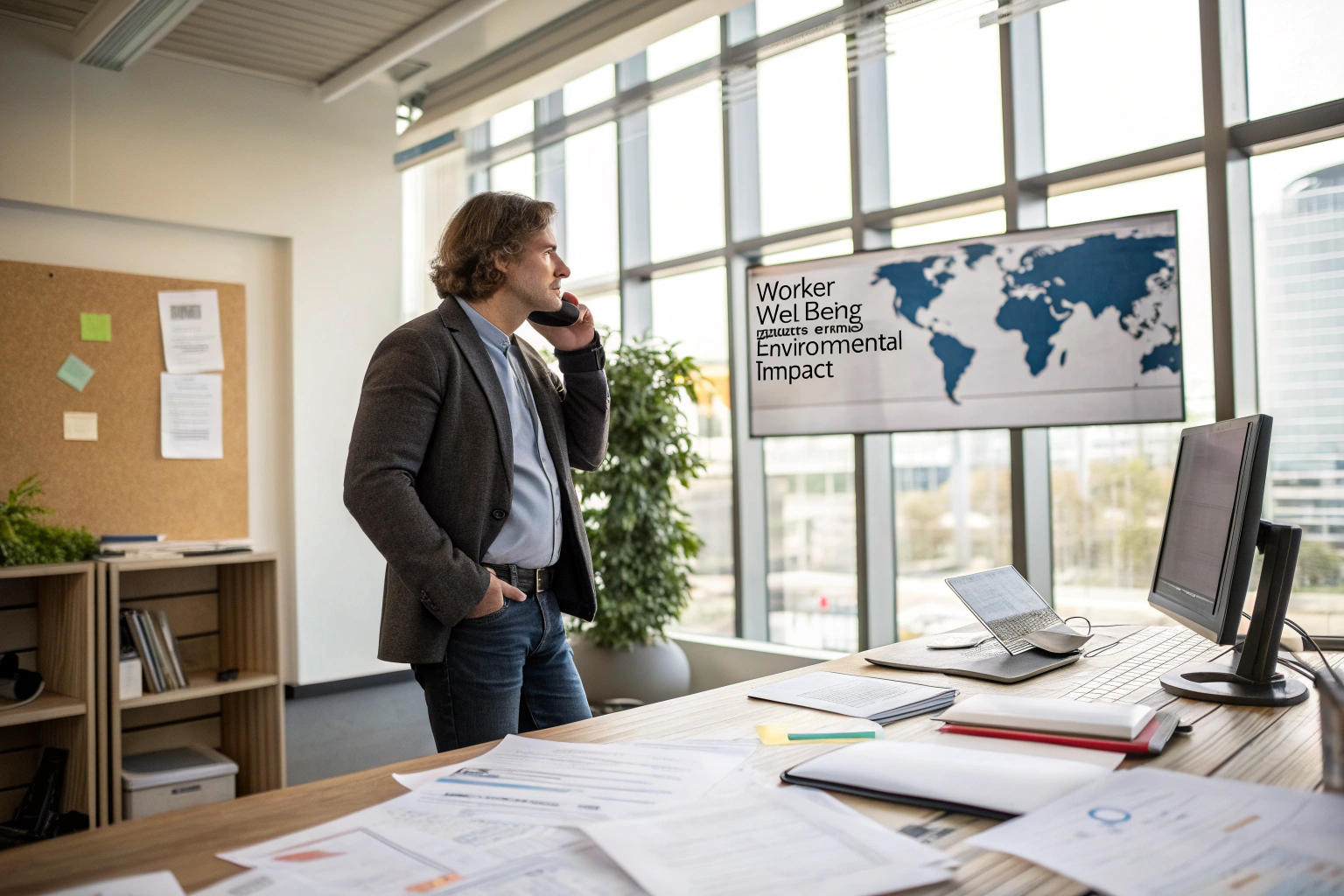
As a business owner sourcing children's apparel, you know that finding a factory is one thing. But finding an ethical partner that aligns with your brand's values and quality expectations is a whole different challenge. The Asian manufacturing landscape is vast, and navigating it to find a truly ethical producer can feel overwhelming. You're not just looking for low costs; you're looking for a reliable extension of your team that prioritizes the well-being of its workers and the planet, all while delivering the premium quality your customers demand.
The best ethical kids wear factories in Asia are those that go beyond basic compliance, integrating social responsibility, environmental stewardship, and transparent operations directly into their core manufacturing processes. These partners are characterized by verifiable international certifications, a commitment to worker welfare, and a proven track record of producing high-quality, safe children's clothing for discerning Western brands. For over a decade, my company, Fumao Clothing, has been on a journey to become precisely this type of partner for our clients in North America and Europe. The definition of "best" must balance ethical rigor with commercial viability, ensuring that your brand can grow sustainably without compromising its principles.
This article will break down the key criteria you should use to identify a truly ethical factory. We will explore the essential certifications, delve into what ethical manufacturing looks like in practice, and discuss how these factors contribute to superior product quality and supply chain reliability.
How to verify ethical certifications in Asian garment factories?
When you're thousands of miles away, certifications are your first line of defense against unethical practices. But not all certificates are created equal. You need to know which ones matter and how to confirm they are legitimate.
The most respected certifications provide third-party validation of a factory's social and environmental standards. Look for audits that are unannounced and conducted by reputable international organizations. This is a critical step in your due diligence process to avoid partners who might falsify documentation, a known pain point in the industry.
What are the key ethical certifications to look for?
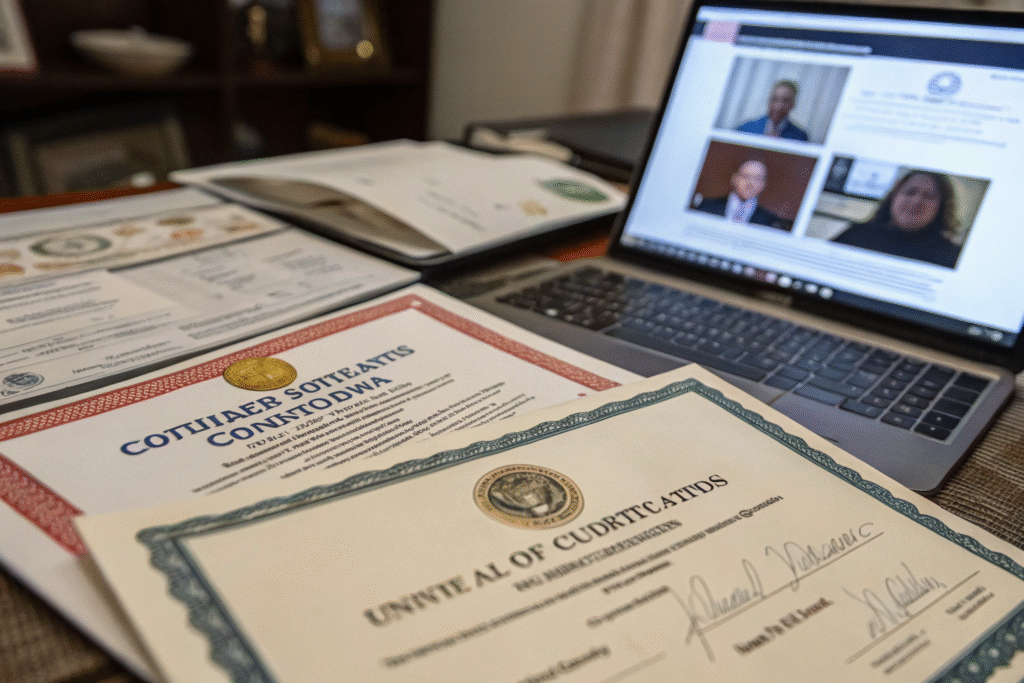
The gold standard for social compliance is often considered the amfori BSCI audit, which covers labor rights, worker safety, and non-discrimination. Another highly recognized standard is SA8000, which focuses specifically on decent working conditions. For environmental management, the ISO 14001 certification demonstrates the factory's commitment to reducing its ecological footprint. In the children's wear sector, safety is paramount. Certifications like Oeko-Tex Standard 100 are non-negotiable, as they verify that textiles are free from harmful substances. When a factory invests in these certifications, it signals a long-term commitment to responsible business practices that protect both people and planet.
How can you avoid fake ethical certificates?
The risk of suppliers presenting falsified certificates is a real concern. To mitigate this, always ask for the original certificate and its unique ID number. Then, verify it directly on the official website of the certifying body. For example, you can check an Oeko-Tex certificate on their official database. Secondly, consider commissioning your own third-party audit. While this involves an initial cost, it can save you from significant reputational damage and supply chain disruptions down the line. A transparent factory will have no issue with this request. At Fumao, we proactively provide all our certification details and encourage potential clients to verify them, because trust is the foundation of any successful partnership.
What does ethical manufacturing look like beyond certifications?
Certifications are a vital starting point, but true ethical manufacturing is a culture, not just a checklist. It's about the daily working environment and the relationship between management and workers. This deeper level of ethics directly impacts product quality and production stability.
A factory that treats its workers well experiences lower turnover rates. This means more skilled and experienced hands are working on your garments, leading to consistent, high-quality stitching and finishing. It also means fewer production delays, as a stable workforce is a more reliable one.

How do worker conditions affect clothing quality?
The connection is direct. In factories with poor conditions, high employee turnover is common. New, untrained workers are more likely to make mistakes, leading to defects and inconsistent quality in your kids' wear orders. Conversely, ethical factories that provide fair wages, reasonable working hours, and a safe environment retain skilled workers. These experienced operators have the expertise to handle complex designs and delicate fabrics, ensuring the final product meets your exact specifications. This stability is crucial for maintaining the top quality that mid-to-high segment brands require.
Why is transparent communication a sign of an ethical partner?
Inefficient communication is a major pain point for buyers like you. An ethical factory understands that transparency is key to a strong partnership. This means providing clear, regular updates on your order's progress and being upfront about any potential challenges. It means having sales representatives who are knowledgeable and empowered to answer your questions without evasion. At our factory, we assign a dedicated project manager to each client to ensure seamless communication. This proactive approach prevents misunderstandings and builds the trust necessary for navigating issues like tight deadlines or complex logistics requirements, ensuring you never miss a selling season.
How does ethical production ensure safer kids' clothing?
Ethical manufacturing and product safety are two sides of the same coin. A factory that prioritizes the well-being of its workforce is also far more likely to have rigorous systems in place to ensure the safety of the end product. This is especially critical in the children's apparel industry, where safety standards are stringent.
The processes that ensure a clean, hazard-free production floor are the same processes that prevent contamination and ensure consistent quality control throughout manufacturing. This intrinsic link means that by choosing an ethical factory, you are inherently choosing a safer product for your customers.
What is the link between factory safety and product safety?
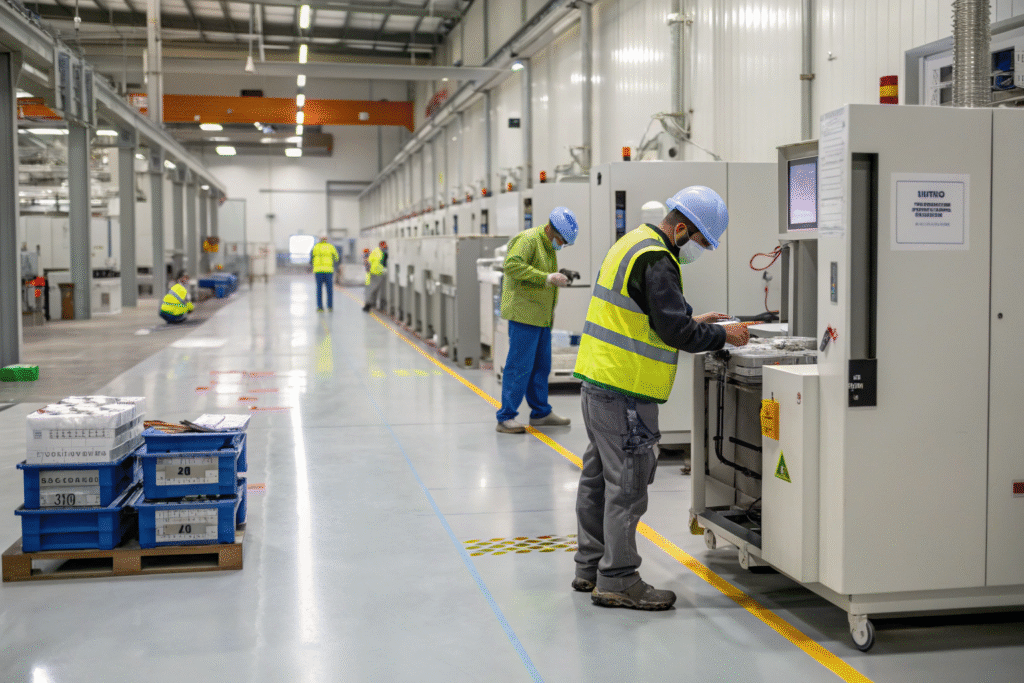
A clean, organized, and safe factory environment is essential for producing hygienic children's clothing. Factories that adhere to high ethical standards maintain strict protocols for material storage, machinery maintenance, and cleanliness. This minimizes the risk of dirt, dust, or other contaminants from spoiling the garments. Furthermore, a focus on worker safety often translates into better training on quality control procedures. Workers who are treated with respect are more likely to take pride in their work and diligently report any potential issues, acting as an additional layer of quality assurance for your baby & toddler apparel.
How do ethical factories handle material sourcing?
Truly ethical production extends beyond the factory walls to the sourcing of raw materials. The best factories prioritize using fabrics and components from suppliers who also adhere to high social and environmental standards. They will have robust tracking systems for their materials, which is essential for verifying claims like organic cotton or recycled polyester. This controlled sourcing is a fundamental part of quality assurance. It ensures that the fabrics entering the production line are not only safe—complying with standards like CPC (Children's Product Certificate) for the US market—but also of a consistently high grade, which is the foundation of a durable and premium-feeling garment.
Why is an ethical factory more reliable for on-time delivery?
Your business depends on hitting key selling seasons. Delayed shipments can have a devastating impact on your profitability. An ethical manufacturing model is, perhaps surprisingly, one of the most effective strategies for ensuring consistent on-time delivery.
The reason is simple: ethical factories have stable, skilled workforces and well-managed production flows. They are not plagued by the high employee turnover and labor disputes that frequently cause disruptions in less scrupulous facilities.
How does worker stability prevent production delays?
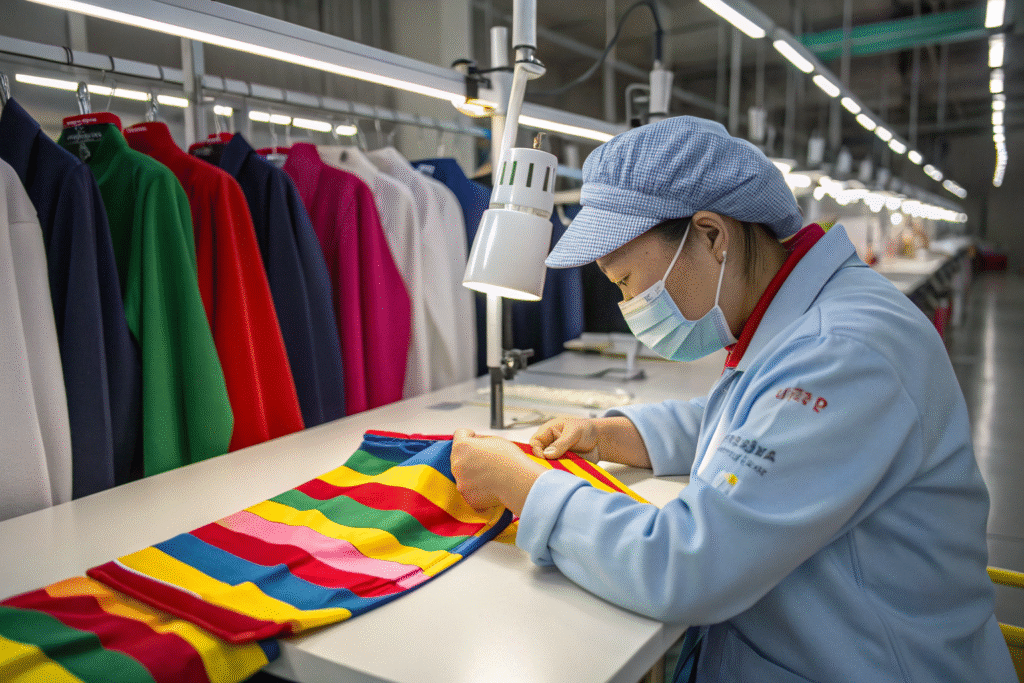
High worker turnover is a primary cause of production delays. Constantly training new staff takes time and leads to a higher rate of errors that must be corrected. Ethical factories with fair labor practices enjoy very low turnover. Their experienced workers are highly efficient and make fewer mistakes. This results in a smoother, more predictable production cycle. This reliability allows the factory to provide you with accurate timelines and stick to them, ensuring your seasonal collections arrive exactly when you need them.
What logistical advantages do ethical partners offer?
Many ethical factories, including ours, have invested in building strong, long-term relationships with logistics providers. This allows them to negotiate better rates and secure reliable shipping slots. Furthermore, a commitment to ethics often includes transparency in logistics and payment methods. They will offer clear DDP (Delivered Duty Paid) terms, so you know the exact landed cost of your goods with no hidden surprises. This end-to-end reliability—from the factory floor to your warehouse—is a hallmark of a professional partner that understands the needs of Western brands.
Conclusion
Identifying the best ethical kids wear factory in Asia requires a thorough evaluation that goes beyond price alone. It demands a focus on verifiable certifications, a deep understanding of the factory's working culture, and a recognition of the intrinsic link between ethical practices, product safety, and supply chain reliability. The right partner will not only protect your brand's reputation but also become a strategic asset, driving your growth through consistent quality and on-time delivery.
If you are looking for a Chinese manufacturing partner that embodies these principles, we invite you to experience the Fumao difference. We have built our business on a foundation of ethics, quality, and transparency to serve brands like yours. For a discussion on how we can help you produce your next children's wear collection, please contact our Business Director, Elaine, at elaine@fumaoclothing.com. Let's build a successful and responsible partnership together.