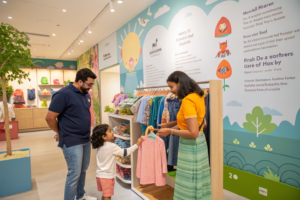

As a children's clothing manufacturer, we hear this question more and more from our US and European brand partners. In today's market, sustainability is not just a trend; it's a core requirement for brands that want to stay competitive. Parents are increasingly looking for proof that the clothes they buy for their children are truly eco-friendly, right down to the smallest details like clothing tags. Compostable tags represent a powerful step toward a circular fashion economy, demonstrating a brand's commitment to environmental responsibility. This article will guide you through everything you need to know about selecting the best compostable clothing tags for your kids' wear collection.
Compostable clothing tags are labels made from materials that can break down completely into non-toxic organic matter in specific composting conditions. The best tags for your brand will balance material integrity, certification credibility, and clear consumer communication to authentically support your sustainability story.
Choosing the right tag is a crucial part of your product's lifecycle. It impacts not only the end-of-life disposal but also the customer's perception of your brand's values. Let's dive into the key factors that will help you make an informed decision.
What materials are used in compostable clothing tags?
The foundation of a great compostable tag is its material. The choice of material directly affects the tag's durability, compostability conditions, and overall feel. For kids' wear, where safety and softness are paramount, selecting a skin-friendly and robust material is essential. The most common materials fall into two main categories: plant-based and wood-based.
The best compostable tag materials effectively mimic the functionality of conventional tags while ensuring a clean and safe breakdown process. They must withstand the garment's lifespan without disintegrating prematurely, yet break down efficiently in a composting environment.
What are the pros and cons of plant-based materials like PLA?
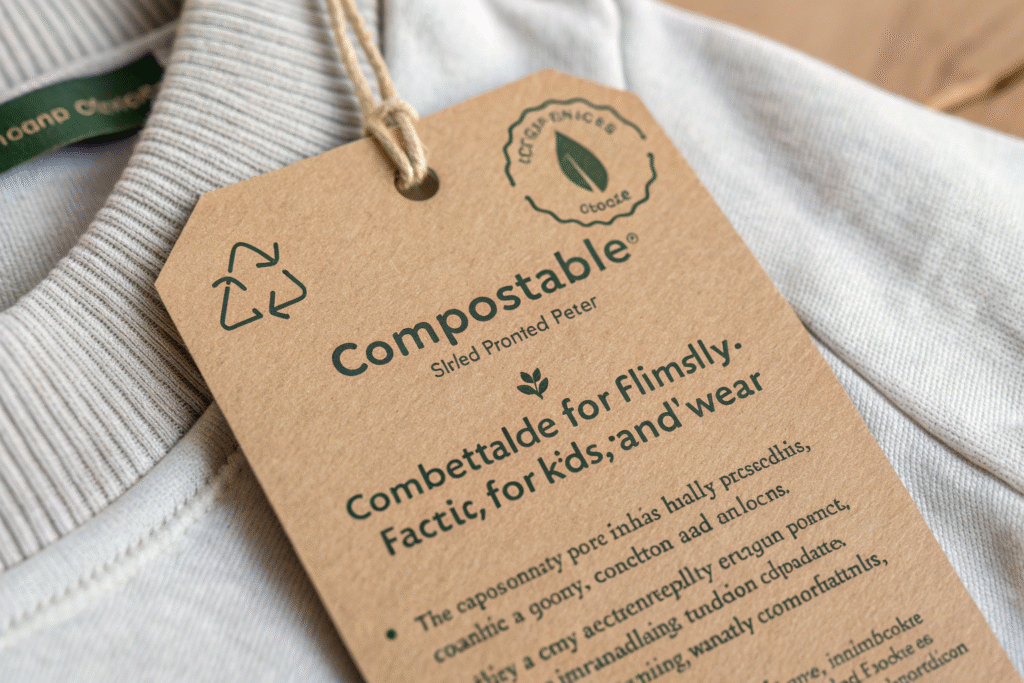
Polylactic Acid (PLA) is a popular plant-based polymer, often derived from corn starch or sugarcane. PLA tags have a smooth, paper-like feel and are excellent for printing high-quality logos and care instructions. A significant advantage of PLA is its renewable source, which has a lower carbon footprint compared to petroleum-based plastics. However, it's crucial to understand that PLA typically requires industrial composting facilities to break down. These facilities provide the high temperatures necessary for decomposition, which are not achievable in a home compost pile. For brands targeting consumers with access to municipal composting, PLA is a strong contender. It's also worth noting that PLA is biodegradable under specific conditions, but true compostability is verified by certifications like OK Compost INDUSTRIAL. Another excellent plant-based option is cotton paper, which is often home compostable and offers a soft, natural texture ideal for children's clothing.
How do wood-based materials like FSC-certified paper compare?
Wood-based materials, such as seed paper or recycled paper with FSC (Forest Stewardship Council) certification, are another excellent choice. Seed paper is particularly innovative because it can be planted after use, growing into wildflowers or herbs, which creates a memorable brand interaction. FSC-certified paper ensures the wood pulp comes from responsibly managed forests. These papers are generally home compostable and break down much faster than PLA in a backyard compost setting. The potential drawback is that they can be less resistant to moisture and abrasion compared to PLA. For items that require frequent washing, like kids' clothes, the durability of the print and the tag itself must be tested. Using a strong, soy-based ink can help maintain legibility. The key is to match the material to the garment's use. For a delicate, special-occasion item, a seed paper tag might be perfect. For everyday playwear that will be washed often, a more durable PLA or a coated compostable paper might be a better fit.
How to verify authentic compostable tag certifications?
Simply claiming a tag is "compostable" is not enough. In a market where greenwashing is a real concern, third-party certifications are your most powerful tool to prove authenticity and build trust with your customers. These certifications are a guarantee that the material has been tested and meets strict scientific standards for compostability.
Authentic verification relies on recognized third-party certifications that specify the composting environment—whether industrial or home. These labels are your defense against greenwashing and provide a clear, trustworthy message for your consumers.

What is the difference between industrial and home compostable certifications?
The primary distinction lies in the decomposition environment. Industrial compostable certifications, like the OK Compost INDUSTRIAL mentioned earlier or the ASTM D6400 standard, mean the product will break down in a commercial composting facility within a specific timeframe, leaving no toxic residue. These facilities control temperature, humidity, and aeration. Home compostable certifications, such as OK Compost HOME or the Australian AS 5810 standard, indicate that the material will decompose in the less controlled conditions of a backyard compost bin. For children's wear brands, home compostable tags are often more consumer-friendly, as they empower parents to dispose of the tag easily. However, you must clearly communicate the disposal method on the tag itself to ensure proper composting.
Why are TUV Austria and BPI key certifications to look for?
TUV Austria and the Biodegradable Products Institute (BPI) are two of the most respected independent certifying bodies globally. A TUV Austria "OK Compost" mark is a globally recognized symbol of quality and compliance with European norms. Similarly, the BPI certification is a leading standard in North America. When a supplier provides tags with these certifications, it means the material has passed rigorous scientific testing. As a manufacturer, we insist on seeing these certificates from our tag suppliers. This due diligence protects our brand partners from making false claims. It is a non-negotiable part of our sourcing process for any sustainable component, ensuring that the quality assurance we promise for our garments extends to every single element.
How to design effective compostable tags for your brand?
A compostable tag's job isn't finished at being eco-friendly; it must also be a effective branding and communication tool. The design must convey necessary information clearly while strengthening your brand's identity and guiding the consumer on what to do with the tag after purchase.
Effective design merges aesthetic appeal with clear instructional communication. It uses high-quality, eco-friendly printing techniques to ensure all information remains legible throughout the garment's life and guides the consumer towards responsible disposal.
What information must be included on the tag?
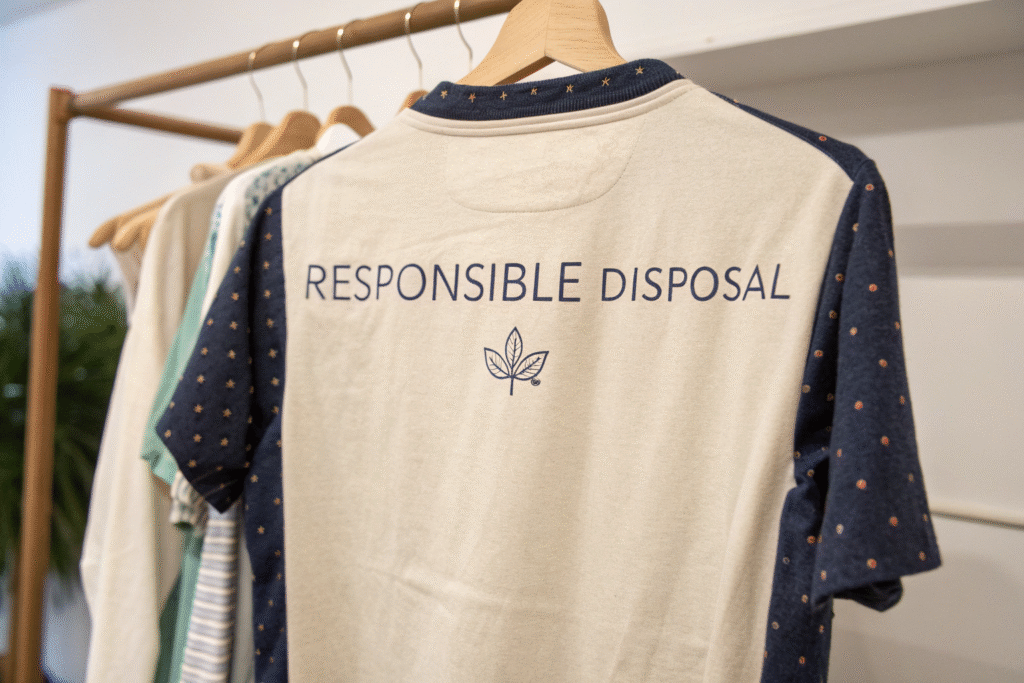
At a minimum, your tag should include your brand logo, garment size, fiber content, and care instructions. With compostable tags, you have a unique opportunity to add a line of educational text. For example, a simple icon or phrase like "I'm Compostable! Remove me before composting this garment" can make a significant difference. This directly engages the consumer in your sustainability mission. The design should be clean and uncluttered. Since compostable papers can have a different texture and absorbency than conventional tags, it's vital to work with a printer experienced in sustainable printing to ensure the ink adheres properly and does not smudge.
How can design enhance the unboxing experience?
The tag can be a centerpiece of the customer's unboxing experience. For instance, using a seed paper tag encourages interaction—the customer can plant it. You can design the tag in a unique shape or use a soft, cottony paper that feels premium and gentle against a child's skin. This tactile experience reinforces the quality and care you put into your product. The tag is not just a label; it's a touchpoint. A well-designed compostable tag tells a story that begins the moment the customer opens the package, enhancing perceived value and fostering brand loyalty. This aligns perfectly with the expectations of the mid-to-high segment children's wear market.
Where to source reliable compostable clothing tag suppliers?
Finding a supplier who can provide certified, high-quality tags consistently is the final critical step. Your tag supplier is as important as your fabric supplier; reliability and communication are key to avoiding production delays.
A reliable supplier offers certified materials, provides clear documentation, has experience in the apparel industry, and demonstrates a commitment to on-time delivery, ensuring your production schedule remains seamless from development to final shipment.

What questions should you ask a potential tag supplier?
Due diligence is essential. Start by asking for proof of certifications for their materials (e.g., TUV Austria, BPI). Inquire about their lead times and minimum order quantities (MOQs) to see if they align with your production runs. Ask for samples to test the material's feel and durability—can it withstand rubbing without the print fading? Do they use soy-based or other eco-friendly inks? Crucially, ask about their experience with other clothing brands, especially in kids' wear. A supplier familiar with the safety and durability standards of our industry will be a more valuable partner.
Why is partner alignment crucial for your supply chain?
Your clothing manufacturer should be able to recommend or partner with trusted tag suppliers. At our company, we have established relationships with suppliers who have proven their reliability over years of collaboration. This integrated approach simplifies your supply chain solutions and reduces risk. We handle the quality control for all components, including tags, ensuring they meet our strict standards before they are attached to your garments. This alignment prevents the common pain points of delayed shipments and quality inconsistencies, ensuring your collection hits the market on time, every season.
Conclusion
Choosing the best compostable clothing tags is a multifaceted decision that impacts your brand's environmental credibility, customer experience, and supply chain efficiency. By focusing on certified materials, authentic verification, thoughtful design, and a reliable sourcing partner, you can make a choice that truly reflects your brand's commitment to a sustainable future. This attention to detail is what sets leading children's wear brands apart.
We at Fumao Clothing understand that these details matter. As a specialist in kids' wear manufacturing, we are here to help you navigate these choices seamlessly. If you are looking for a manufacturing partner that prioritizes both premium quality and sustainable practices, from fabric to the final tag, we should talk. Contact our Business Director, Elaine, at elaine@fumaoclothing.com to discuss how we can partner to bring your next eco-conscious collection to life.