
Choosing colors for newborn clothing involves more than aesthetic preference—it requires understanding infant development, safety considerations, and practical parenting needs. As manufacturers working with newborn specialists and pediatric experts, we've identified the color strategies that truly work for both babies and parents.
The best colors for newborn baby clothing are soft, muted tones that support visual development, ensure safety through visibility, provide practical benefits for monitoring baby's health, and accommodate sensitive newborn vision. While personal preference matters, scientific understanding of infant development should guide color selection for the earliest months of life. The optimal palette balances developmental support with practical parenting needs.
Why Do Soft, Muted Colors Benefit Newborn Development?
Newborns experience the world differently than adults, particularly in how they perceive color and light. Their developing visual systems require specific color environments to support healthy development without overstimulation.
During the first months of life, babies' eyes are still developing the ability to focus and distinguish colors. Their vision is initially blurry, and they see best at a distance of 8-12 inches—perfect for bonding during feeding and holding. Soft, muted colors provide visual interest without overwhelming their developing nervous systems, creating a calm environment that supports both visual development and emotional regulation.

How Does Newborn Vision Development Influence Color Choice?
Newborns are born with limited color perception, initially seeing primarily in black, white, and shades of gray. Around 2-3 months, they begin distinguishing bright colors, starting with red and gradually expanding to the full spectrum. According to American Optometric Association guidelines, high-contrast patterns in black and white actually stimulate visual development most effectively in the earliest weeks. Soft pastels become more engaging as color vision develops, making them ideal for the transitional period when babies begin distinguishing colors but still benefit from gentle visual stimulation.
What Are the Psychological Effects of Color on Newborns?
While research on color psychology specific to newborns is limited, studies on infant behavior suggest that soft colors create calmer environments. Bright, saturated colors can sometimes lead to overstimulation, resulting in fussiness or difficulty settling. The National Sleep Foundation notes that soft blues and greens are particularly calming, which may support better sleep patterns. This makes muted tones especially valuable for sleepwear and items used during winding-down routines, helping establish healthy sleep associations from the earliest months.
How Do Safety Considerations Influence Color Selection?
Color plays a surprising role in newborn safety, affecting everything from health monitoring to visibility during nighttime care. Practical safety considerations should inform color choices as much as developmental factors.
Certain colors make it easier to monitor a newborn's health indicators, while others improve visibility during nighttime feedings and changes. Additionally, color choices can affect temperature regulation and sun protection in outdoor settings. These practical safety aspects make color selection an important part of creating a safe environment for newborns.

Which Colors Help with Health Monitoring?
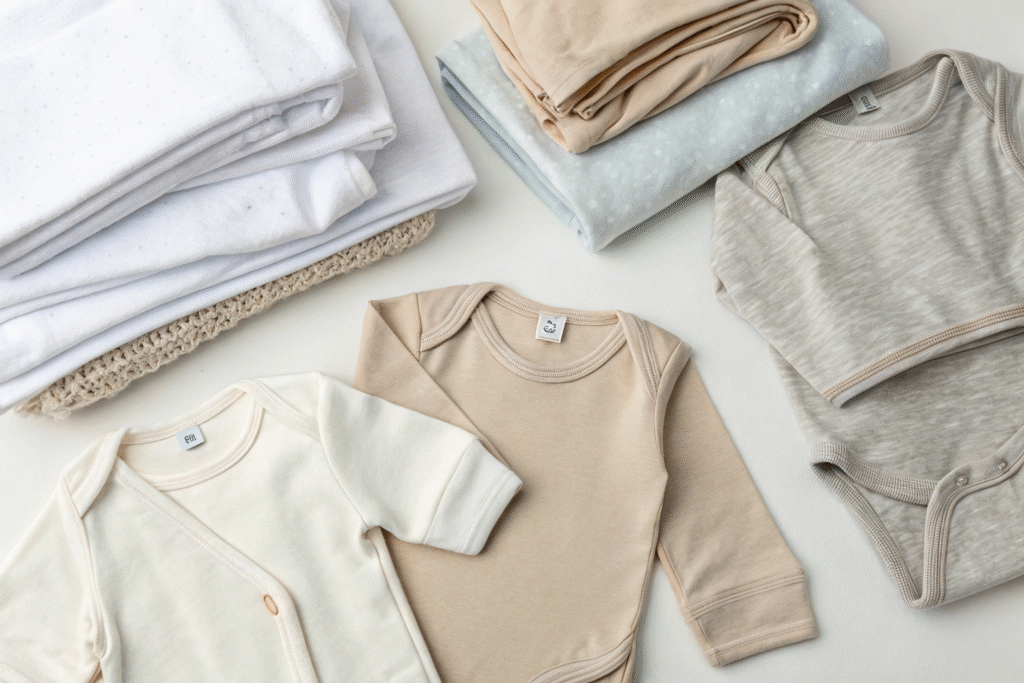
Light colors, particularly soft whites, creams, and pale yellows, make it easier to notice changes in a baby's health status. These colors readily show spit-up, rashes, skin discoloration, or changes in bodily functions that might indicate health issues. According to pediatric health guidelines, being able to quickly identify these changes is particularly important during the newborn period when babies cannot communicate discomfort verbally. Dark colors may hide important visual cues, making light colors the safer choice for regular daily wear.
How Does Color Affect Visibility and Practical Care?
During nighttime feedings and changes, both parents and caregivers benefit from clothing colors that provide some visibility in low light. While extremely dark colors make stains less visible, they also make it harder to see the baby clearly during nighttime care. Medium-toned colors like soft grays, muted blues, and pale yellows offer a practical compromise—they're dark enough to be practical for daily wear while still providing sufficient contrast to see the baby clearly in various lighting conditions, supporting safer infant care practices during sleep routines.
What Practical Factors Should Guide Newborn Color Choices?
Beyond development and safety, practical considerations significantly influence which colors work best for newborn clothing. These factors address the real-world challenges parents face in keeping babies clean, comfortable, and appropriately dressed.
Newborn clothing undergoes frequent washing, encounters various stains, and needs to coordinate with other items in the wardrobe. Practical color choices make daily parenting tasks easier while ensuring clothing remains functional and attractive through months of heavy use and rapid growth.
How Do Stain Resistance and Cleaning Affect Color Selection?
Some colors naturally show stains less than others, which is a significant practical consideration for newborn clothing. While pure white shows every mark, it also bleaches beautifully and can be sanitized at high temperatures. Soft grays, navy blues, and patterns incorporating multiple colors tend to be most forgiving of the inevitable spills and leaks of newborn life. Understanding fabric care requirements for different colors helps parents select clothing that will maintain its appearance through countless wash cycles, making medium-toned colors and patterns particularly practical for everyday use.
Why Does Versatility Matter in Newborn Wardrobes?
Newborns grow rapidly, often moving through clothing sizes every few weeks. Versatile colors that mix and match easily extend the usefulness of each item and simplify dressing. A capsule wardrobe approach using coordinating neutral color palettes ensures everything works together, reducing the total number of items needed while maximizing outfit combinations. This practical approach is both economical and efficient, particularly for sleep-deprived parents who appreciate simplicity during middle-of-the-night changes.
How Can You Balance Tradition with Modern Color Science?
Cultural traditions and gender expectations often influence newborn color choices, but modern understanding of child development suggests updated approaches that honor tradition while supporting optimal development.
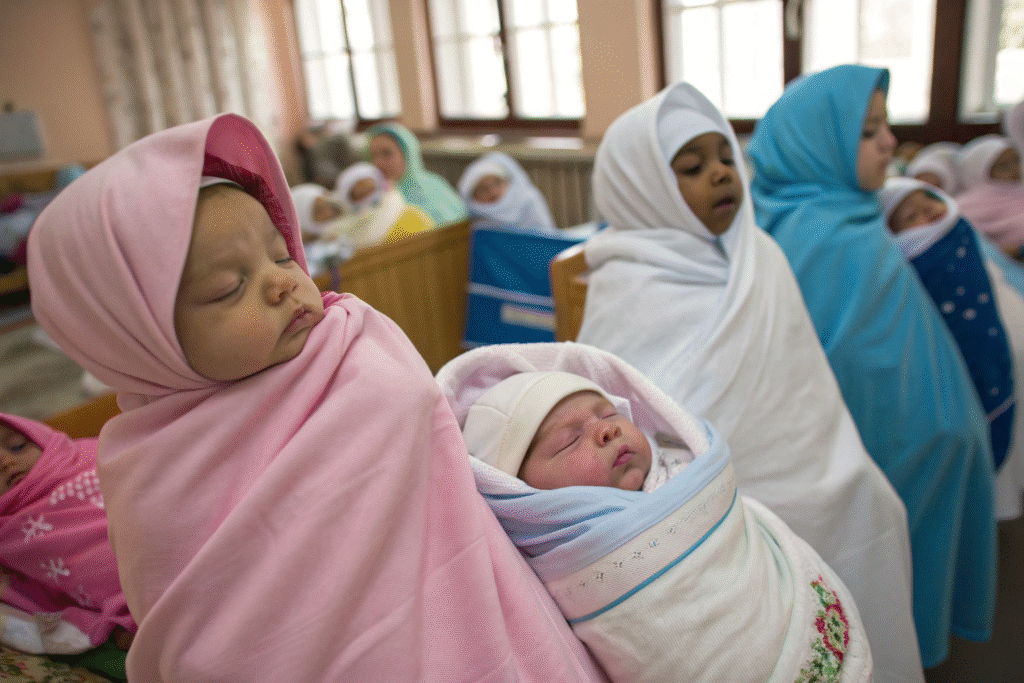
Many cultures have specific color traditions for newborns—pink for girls, blue for boys, white for christenings, or specific colors for cultural ceremonies. Modern parents often seek ways to honor these traditions while incorporating contemporary understanding of what actually benefits newborns' development and wellbeing.
What Are the Modern Alternatives to Traditional Gender Colors?
Many contemporary parents are moving beyond strict pink-for-girls, blue-for-boys conventions while still wanting color choices that feel special and intentional. Soft yellows, greens, grays, and creams provide beautiful alternatives that work for any baby while supporting developmental needs. According to color trend research, these gender-neutral palettes are increasingly popular for newborn clothing as parents prioritize developmental benefits over traditional gender signaling. These colors can be accented with traditional hues for special occasions while maintaining a developmentally supportive everyday wardrobe.
How Can You Honor Cultural Traditions While Supporting Development?
Many cultural color traditions can be incorporated in ways that respect both heritage and modern child development knowledge. Using traditional colors as accents rather than dominant shades, choosing softer versions of culturally significant colors, or reserving bright traditional colors for special occasions and photographs allows parents to honor their heritage while providing developmentally appropriate everyday wear. This balanced approach respects cultural significance while prioritizing the baby's developmental needs during the critical early months.
Conclusion
The best colors for newborn clothing balance developmental support, safety considerations, practical needs, and personal preferences. Soft, muted tones support visual development without overstimulation, light colors aid health monitoring, practical shades simplify care, and versatile palettes extend wardrobe usefulness. While traditional and personal preferences certainly matter, understanding the scientific and practical aspects of color selection helps create the optimal environment for newborn development and easier parenting.
Choosing the right colors is just one aspect of creating the best start for newborns. If you're developing a newborn clothing line and want to work with a manufacturer who understands both the aesthetic and developmental aspects of baby fashion, contact our Business Director, Elaine, at elaine@fumaoclothing.com. Let's discuss how we can help you create beautiful, developmentally appropriate clothing that supports both babies and the parents who care for them.