Selecting the right color palette for fall children’s clothing requires balancing seasonal aesthetics, practical considerations, and psychological impacts. As manufacturers who produce seasonal collections for numerous brands, we’ve identified the color strategies that consistently resonate during autumn months while meeting practical family needs.
The best colors for kids clothing in fall include rich earth tones, warm neutrals, seasonal brights, and sophisticated jewel tones that reflect the changing landscape while providing practical benefits for the season. These palettes transition well from late summer to early winter, coordinate with seasonal activities, and address practical considerations like visibility and stain camouflage that matter to parents. The most successful fall collections balance nostalgic seasonal colors with contemporary brights that appeal to children’s preferences while satisfying parents’ practical and aesthetic sensibilities.
How Do Earth Tones Create Seasonal Connection?
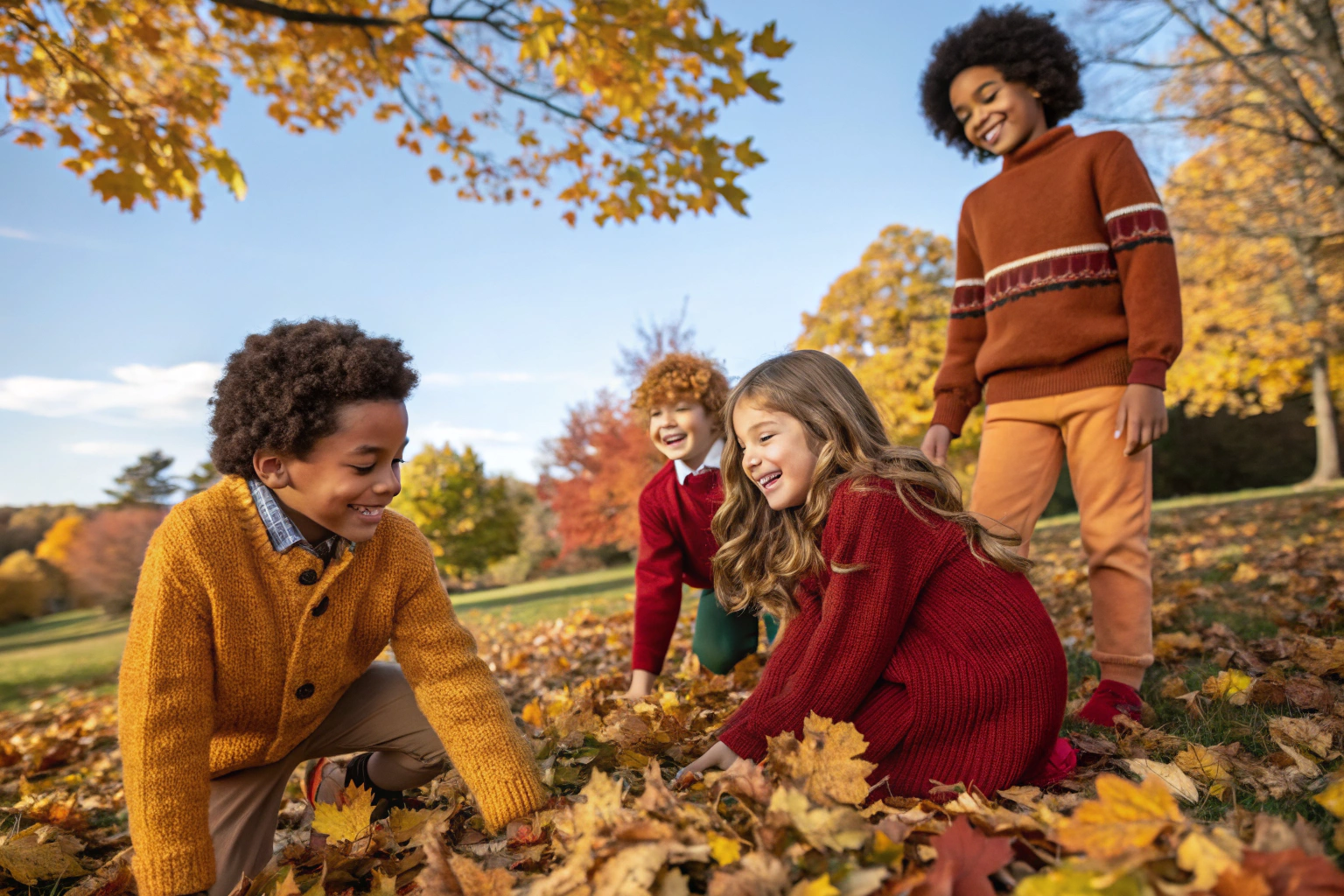
Earth tones naturally reflect the changing autumn landscape while offering practical benefits that make them particularly suitable for fall children’s wear.
Colors drawn from nature—deep browns, warm tans, olive greens, and rusty oranges—create an immediate seasonal connection that feels both timeless and contemporary. These colors transition beautifully from late summer into winter, coordinate easily with existing wardrobes, and offer practical advantages like stain camouflage and versatility across occasions. Their connection to the natural world resonates emotionally with parents while providing a sophisticated alternative to stereotypical seasonal clichés.

What Specific Earth Tones Work Best for Fall?
Rich chocolate browns, warm camel tones, olive and forest greens, and terra cotta oranges create a sophisticated fall palette that appeals across age groups and genders. According to Pantone’s seasonal color forecasts, these "grounded" colors have seen 25% increased popularity in children’s wear over the past five years as parents seek alternatives to traditional seasonal clichés. These colors work particularly well because they reflect the natural environment children experience during fall—changing leaves, harvested fields, and darker earth. From a practical perspective, these medium-value tones show less dirt than light colors while maintaining better visibility than very dark shades, striking an ideal balance for active children.
Why Do Earth Tones Offer Superior Coordination?
The inherent harmony of earth tones creates natural coordination that simplifies dressing and maximizes wardrobe versatility. Colors drawn from nature naturally complement each other, allowing individual pieces to mix and match effortlessly. Research from the Color Marketing Group indicates that coordinated color families can increase wardrobe utilization by 30-40% by ensuring all pieces work together. For fall children’s wear, this means parents can create multiple outfits from fewer items, and hand-me-downs coordinate more easily with existing wardrobes. This practical benefit resonates strongly with value-conscious parents while reducing morning dressing stress.
What Role Do Warm Neutrals Play in Fall Collections?
Warm neutrals provide the foundation for fall wardrobes, offering versatility, sophistication, and practical benefits that make them essential for seasonal dressing.
Unlike stark white or cool gray, warm neutrals like cream, oatmeal, warm gray, and tan create coziness while maintaining the practicality parents need for children’s clothing. These colors serve as perfect backdrops for seasonal brights and patterns while standing beautifully on their own for a sophisticated, minimalist approach to fall dressing.

How Do Warm Neutrals Enhance Wardrobe Flexibility?
Warm neutrals function as seasonal wardrobe anchors that coordinate with virtually any other color, extending wearable combinations from limited pieces. A warm gray pant pairs equally well with a jewel-toned sweater, earth-tone jacket, or seasonal pattern. According to wardrobe planning research, neutral-based wardrobes can create 30-50% more outfit combinations than similarly-sized colorful wardrobes. For children’s fall clothing, this versatility is particularly valuable as weather changes require layering—neutral base layers work under any outerwear color, and neutral outer layers coordinate with any colorful interior pieces. This flexibility supports the layering essential for changeable fall weather.
Why Are Warm Neutrals Practically Superior for Fall?
The slight warmth in fall-appropriate neutrals provides better stain and dirt camouflage than pure whites or cool tones while maintaining visibility and brightness. Cream and oatmeal tones show less soil than bright white, while warm grays appear less dingy than cool grays as colors fade with washing. The American Cleaning Institute’s fabric care research notes that warm medium-value neutrals maintain their "fresh" appearance longer between washes than either very light or very dark colors. This practical advantage means clothing looks cleaner longer, reducing laundry frequency—a significant benefit for busy families during the hectic back-to-school season.
How Can Seasonal Brights Add Energy to Fall Palettes?
Strategic bright colors prevent fall palettes from becoming too somber while appealing to children’s color preferences and addressing visibility concerns as daylight decreases.
While earth tones and neutrals provide foundation, well-chosen brights—cranberry red, golden yellow, electric blue—inject energy and fun into fall collections. These colors balance seasonal sophistication with the joy and playfulness essential to children’s wear, ensuring collections appeal to both parents’ aesthetic preferences and children’s desire for self-expression.

Which Brights Complement Rather Than Clash with Fall Tones?
Jewel-toned brights like ruby red, sapphire blue, and amethyst purple harmonize with earth tones while providing vibrant contrast. These saturated colors have enough depth to feel seasonally appropriate while delivering the visual energy children love. According to the Child Development Institute’s color research, children are naturally drawn to bright, saturated colors that stimulate their developing visual systems. For fall collections, using these brights as accents against neutral or earth-tone backgrounds creates balance—satisfying children’s color preferences while maintaining the sophisticated seasonal aesthetic parents appreciate.
How Do Brights Address Practical Fall Considerations?
Vibrant colors provide increased visibility as daylight hours shorten and children spend more time outdoors in lower light conditions. A bright crimson jacket or electric blue hat stands out against autumn’s increasingly muted natural backdrop, supporting safety during evening activities. The National Safety Council’s visibility guidelines emphasize that colorful clothing can improve pedestrian visibility by 40% in low-light conditions. For fall children’s wear, this means bright colors serve both aesthetic and safety functions, particularly for outerwear, accessories, and school gear used during commuting hours. This practical benefit makes brights strategically valuable beyond their visual appeal.
What Psychological Impacts Should Be Considered in Fall Color Selection?
Color psychology plays a significant role in how fall clothing makes children and parents feel, influencing both purchasing decisions and wearing experiences.
Different colors evoke distinct emotional responses that can either complement or contradict the seasonal mood and activities. Understanding these psychological impacts helps select colors that support children’s emotional wellbeing while creating positive associations with seasonal transitions.

How Do Colors Affect Seasonal Mood and Experience?
Warm, rich colors typically associated with fall—deep reds, golden yellows, earthy oranges—create feelings of comfort, security, and warmth that align perfectly with autumn’s inward-turning energy. Research from the Journal of Environmental Psychology indicates that warm colors can increase perceptions of physical warmth by 10-15%, making them psychologically comforting as temperatures drop. For children, who may experience anxiety about seasonal changes like starting school or reduced outdoor playtime, these comforting colors can provide emotional reassurance. Additionally, colors connected to positive seasonal experiences—like the orange of pumpkins or red of apples—trigger happy associations that make clothing more appealing.
Why Should Color Preferences Balance Children and Parents?
Successful fall palettes acknowledge that color preferences often differ between children and the parents who purchase their clothing. While children typically prefer bright, saturated colors, parents often gravitate toward more subdued, sophisticated tones. The Color Association’s consumer research reveals that 65% of children’s clothing purchase decisions involve compromise between child preferences and parent sensibilities. For fall collections, this means offering a balanced palette that includes both sophisticated earth tones for parent appeal and vibrant accents for child satisfaction. This strategic balance increases the likelihood that clothing will be both purchased enthusiastically and worn regularly.
How Should Fall Colors Vary by Garment Type and Function?
Strategic color allocation across different garment categories maximizes both aesthetic appeal and practical performance throughout the fall season.
Not all colors work equally well for all types of clothing, making strategic color distribution essential for creating cohesive collections that meet diverse seasonal needs. Understanding which colors work best for different functions ensures each piece delivers maximum value within the fall wardrobe.

What Colors Work Best for Fall Outerwear?
Outerwear benefits from slightly darker, richer colors that show less dirt while providing visibility in changing light conditions. Deep navy, forest green, burgundy, and charcoal gray make practical choices for coats and jackets that see heavy use and infrequent washing. According to outerwear industry analysis, darker tones in outerwear maintain their "like new" appearance 50% longer than light colors when subjected to similar use conditions. These colors also transition well from fall into early winter, extending their wearable season. Strategic bright accents or linings can provide the visual energy children prefer while maintaining the practical benefits of darker main colors.
How Should Base Layer Colors Differ from Statement Pieces?
Base layers like leggings, long-sleeve tees, and turtlenecks work best in versatile neutrals that coordinate with multiple outfits, while statement pieces like sweaters and dresses can incorporate more distinctive colors and patterns. This approach creates wardrobe efficiency while allowing for seasonal expression. The Fashion Institute of Technology’s children’s wear curriculum emphasizes that strategic color allocation can increase wardrobe utilization by 25-35%. For fall, this might mean offering cream, warm gray, and tan base layers that work under any colorful sweater or jacket, while reserving distinctive seasonal colors for pieces that define outfits. This systematic approach helps parents build coordinated wardrobes rather than accumulating disconnected items.
Conclusion
The best fall colors for kids clothing balance seasonal aesthetics, practical considerations, psychological impacts, and the different preferences of children and parents. Earth tones create natural seasonal connections, warm neutrals provide versatile foundations, strategic brights add energy and visibility, and thoughtful color distribution across garment types maximizes wardrobe functionality. The most successful palettes reflect the changing environment while addressing the practical realities of fall family life.
When seasonal color strategies are executed thoughtfully, they create collections that feel both timely and timeless—clothing that children love to wear while delivering the practical benefits parents appreciate. If you’re developing a fall collection and need manufacturing partners who understand how to translate color theory into production reality, contact our Business Director, Elaine, at elaine@fumaoclothing.com. Let’s discuss how we can help you create fall collections with color palettes that capture the season’s essence while meeting the highest standards of quality, comfort, and durability.