As global demand for safer and healthier baby products grows, clothing has become one of the most carefully regulated categories. Parents are increasingly concerned about toxic chemicals, choking hazards, and overall product safety. Brands that overlook these details risk recalls, reputation damage, and even legal liability.
The newest baby clothing safety features focus on non-toxic fabrics, flame resistance, choke-proof trims, and the integration of smart textiles. These innovations ensure baby comfort while reducing risks, aligning with both consumer expectations and international standards.
When I look back at my decades of experience in children’s clothing manufacturing, I see that safety is not just about following rules—it is about anticipating parents’ concerns and building trust. Let’s explore the latest updates shaping baby clothing safety today.
Why Are Non-Toxic Fabrics Essential in Baby Clothing?
Babies’ skin is thinner and more sensitive than adults’. Even trace amounts of toxic chemicals can lead to allergies, rashes, or long-term health issues. This is why non-toxic fabrics have become the first requirement for modern baby wear.
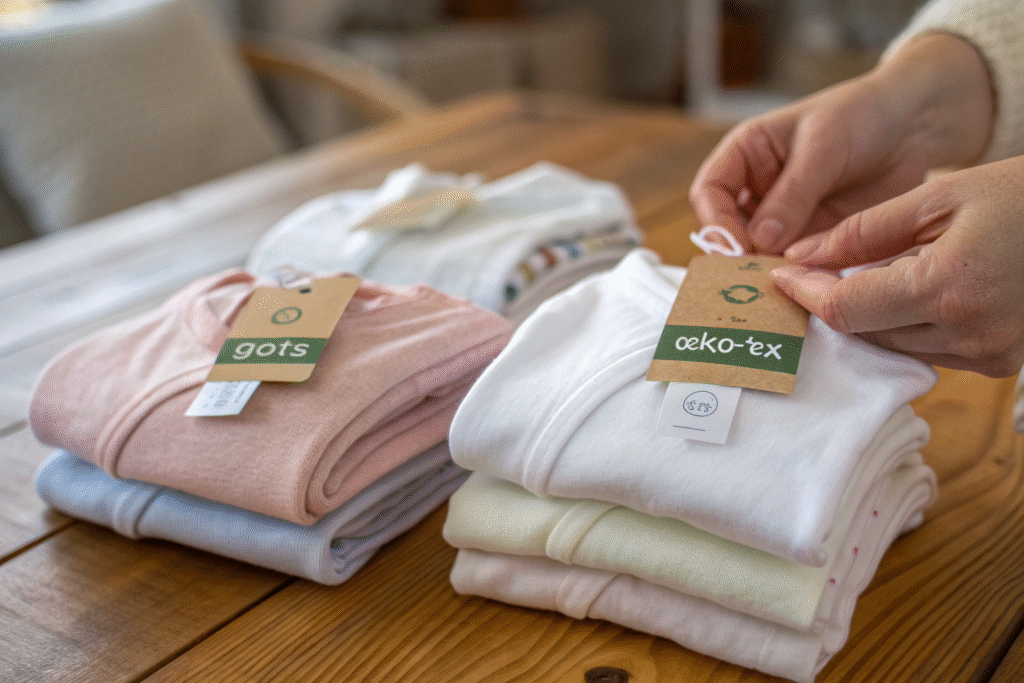
Today, factories are adopting organic cotton, OEKO-TEX approved textiles, and GOTS-certified materials to guarantee chemical-free comfort.
Are Organic Certifications Necessary?
Yes. Certifications such as GOTS ensure that fabrics are at least 70% organic and processed without toxic chemicals. Many brands use GOTS certification to assure parents that their garments are safe and eco-friendly.
How Does OEKO-TEX Improve Baby Safety?
The OEKO-TEX Standard 100 tests fabrics for over 100 harmful substances. For infants, this reduces risks of skin irritation and guarantees a safer wearing experience. Parents often look for OEKO-TEX tags before making purchases.
How Is Flame Resistance Integrated Into Baby Apparel?
Flammability is a critical concern, especially for sleepwear. Regulatory bodies like the CPSC in the United States require strict compliance.
Modern factories now incorporate flame-resistant fibers or design snug-fitting pajamas to comply with international flammability standards without relying on harmful chemicals.

Do All Baby Clothes Need Flame Resistance?
No. Only sleepwear is required to follow CPSC sleepwear regulations. Everyday clothing does not require flame resistance, but many brands still integrate safer fibers as an added precaution.
Are Chemical Flame Retardants Still Used?
Not anymore in most high-quality factories. Today, we use inherently flame-resistant fibers or safer treatments to avoid exposure to toxic flame-retardant chemicals, which were common in the past but linked to health risks.
How Do Manufacturers Prevent Choking Hazards?
Choking hazards are among the most serious risks in baby clothing. Small buttons, detachable snaps, or decorative elements can be dangerous.
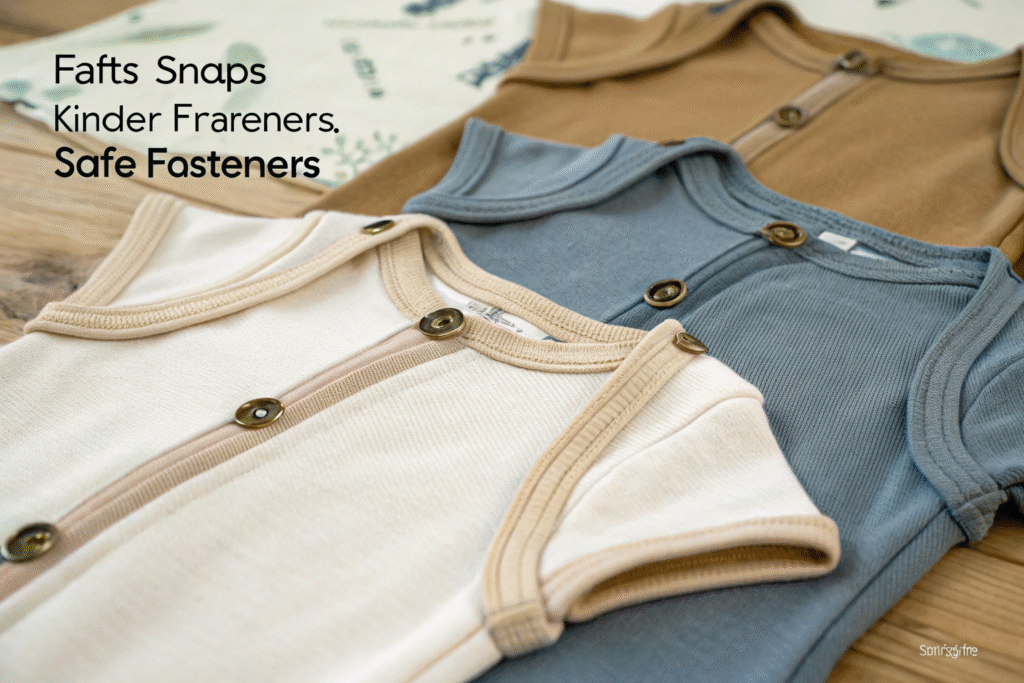
Factories now use lockstitch machines, reinforced seams, and secure zippers to eliminate risks while maintaining style.
What Kind of Trims Are Safest?
Flat snaps, covered zippers, and heat-sealed labels are considered the safest. Standards like ASTM F1816 regulate small parts to reduce strangulation or choking risks.
Can Velcro Replace Traditional Fasteners?
Yes. Velcro closures are widely used because they eliminate the risk of loose parts. However, factories must ensure soft edges to prevent skin irritation. This approach has gained popularity in baby shoes and bodysuits.
What Role Do Smart Textiles Play in Safety?
Technology is shaping the future of baby clothing. New textiles offer not only comfort but also health monitoring.
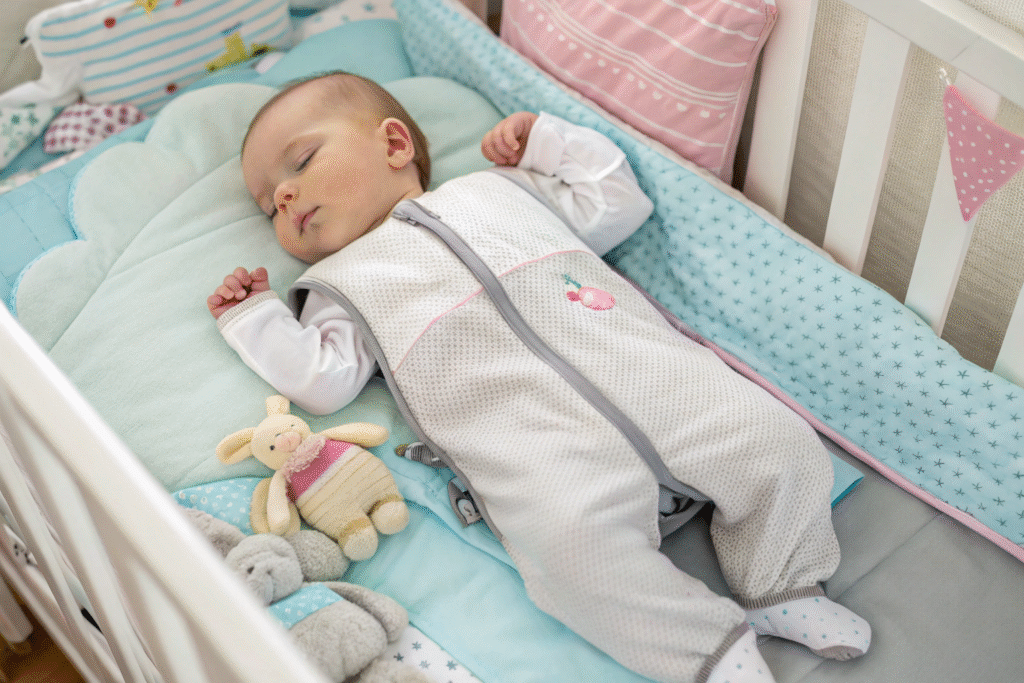
Smart fabrics now include temperature regulation, moisture control, and sensor-based monitoring features for newborns.
Can Baby Clothes Monitor Health?
Yes. Some products integrate tiny sensors to track breathing, body temperature, and movement. For example, Owlet has launched smart baby wearables to help parents monitor their infants in real time.
Are Smart Fabrics Safe for Infants?
When certified, yes. The key is ensuring electronics are sealed and non-toxic. Certifications from organizations like UL Solutions guarantee compliance with electrical and textile safety standards.
Conclusion
The newest baby clothing safety features are transforming the industry. From non-toxic fabrics and flame-resistant fibers to choke-proof trims and smart textiles, every innovation aims to keep babies safer while reassuring parents. These standards also help brands meet global regulations and build consumer trust.
At Shanghai Fumao Clothing, we integrate these safety features into every production line. Our team ensures compliance with GOTS, OEKO-TEX, CPSC, and ASTM standards while delivering stylish, reliable, and safe baby wear. If you want to create a secure and sustainable baby clothing collection, please contact our Business Director Elaine at elaine@fumaoclothing.com. We are ready to help your brand grow with confidence and safety at its core.