Baby clothing must achieve a delicate balance between safety, convenience, and style. Parents often feel frustrated when buttons, snaps, or zippers slow them down during diaper changes. Meanwhile, brands and buyers want garments that comply with strict safety standards while still appealing to consumers.
New fastening systems such as magnetic closures, plastic snaps, and eco-friendly hook-and-loop tapes are redefining babywear, making clothing safer, faster, and more comfortable for parents and babies.
As a manufacturer, I see firsthand how small design details make a big difference. In this article, I will explore the main fastening innovations in children’s apparel and explain why they matter to global buyers.
Are magnetic closures safe for baby clothing?
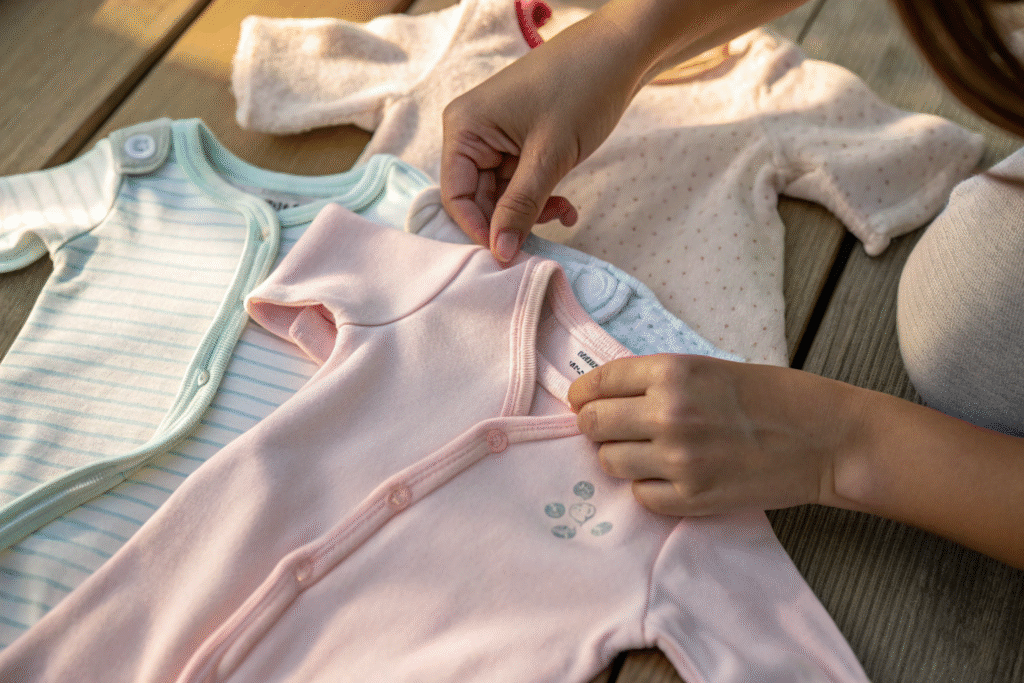
Magnetic closures are a breakthrough in infant apparel. Small magnets are sewn into fabric layers so that the garment closes automatically without visible hardware. For parents, this means fewer struggles during dressing.
Magnetic fasteners are safe provided they are manufactured with strong casing, securely sealed to prevent detachment and ingestion risks.
Why do parents prefer magnetic fasteners?
Parents value magnets because they reduce stress. Instead of fighting with ten tiny snaps while a baby kicks, magnets align instantly. Popular US brands like Magnetic Me have shown strong consumer adoption. They also look stylish since the closure system is hidden.
What are the risks of using magnets?
Safety remains the main concern. According to HealthyChildren.org, loose magnets can be dangerous if swallowed. Therefore, strict compliance with CPSC regulations is essential. In our factory, magnets undergo pull-strength testing and washing cycles to ensure long-term security.
Why are plastic snaps replacing metal buttons?
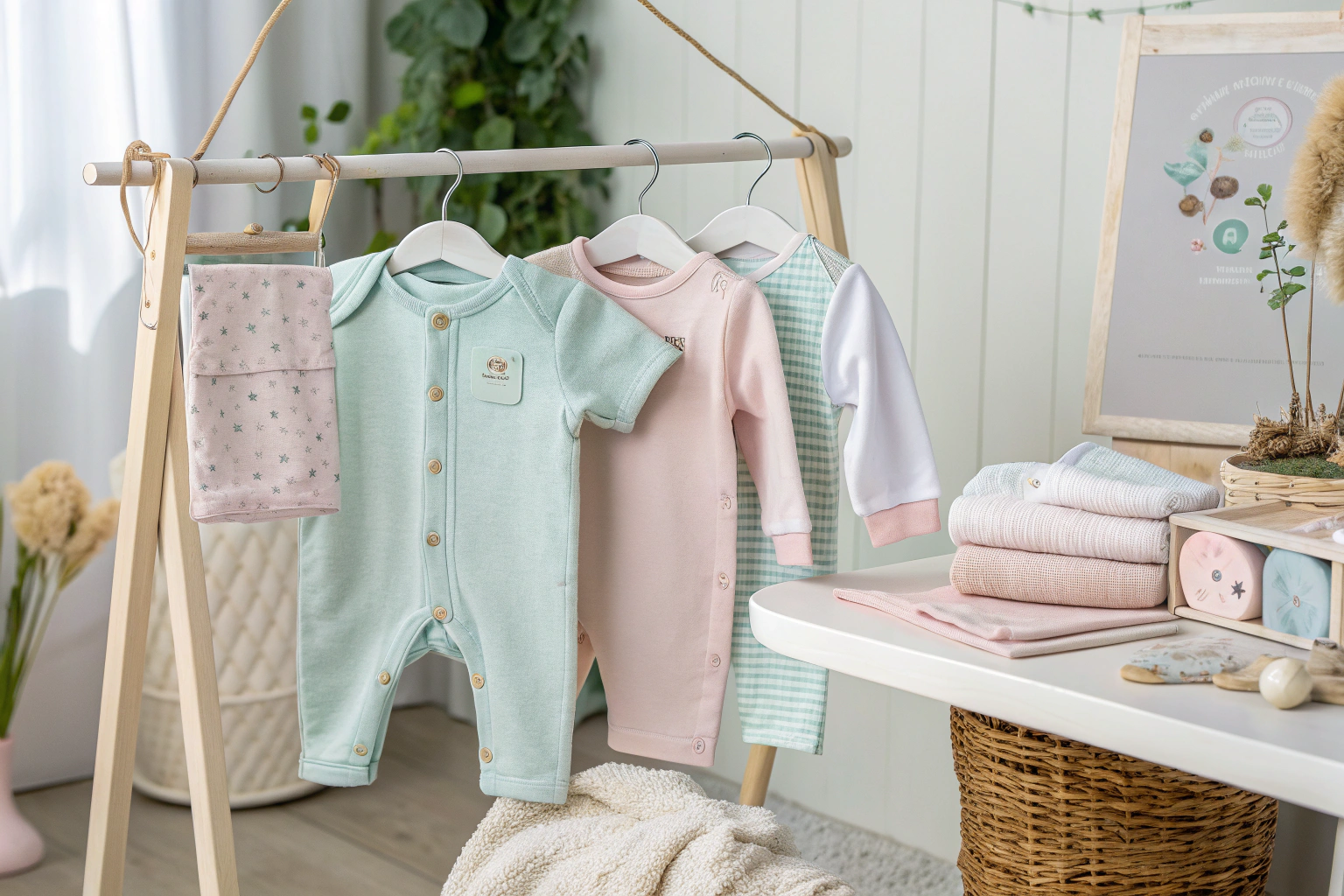
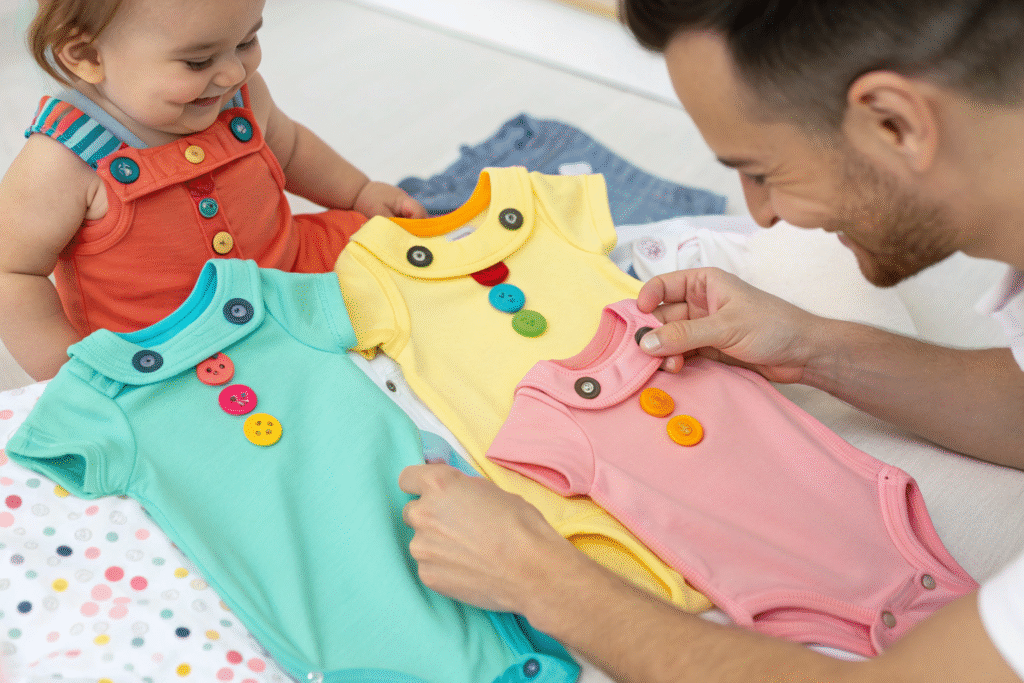
Plastic snaps are quickly replacing traditional metal buttons in baby clothing. They are smoother, lighter, and more skin-friendly.
Plastic snaps avoid metal allergies, prevent skin irritation, and are available in a wide range of colors for creative designs.
What advantages do plastic snaps bring to babywear?
Unlike metal, plastic snaps stay warm in winter and resist corrosion from frequent washing. Brands use them for rompers, bibs, and everyday wear. Japanese companies such as Kiyohara supply high-quality versions known for safety and durability. They also support trend-driven designs since colors can match fabrics perfectly.
Do plastic snaps meet safety regulations?
Yes, when tested according to standards. The EU standard EN 17394 includes snap durability requirements. Independent agencies like SGS perform pull tests to guarantee safety. Buyers working with certified factories can avoid risks linked to detachable or poorly secured snaps.
Are soft hook-and-loop systems better than traditional Velcro?
Traditional Velcro has often caused irritation, but today’s softer hook-and-loop systems are engineered for delicate infant skin.
Modern soft-touch hook-and-loop fasteners are thinner, smoother, and easier to adjust, making them safer and more convenient for baby apparel.

Why choose hook-and-loop for infant clothing?
Parents like hook-and-loop systems because they allow for adjustable fit, which matters for fast-growing babies. Suppliers such as APLIX have developed specialized baby-safe fasteners used in diapers and rompers. They are flexible, breathable, and can withstand repeated washing.
What are the downsides of hook-and-loop systems?
Durability can be a limitation. Lint may collect in the hooks, reducing grip over time. According to Clothing Factory X, bulkiness and long-term performance remain concerns. Premium brands often combine soft hook-and-loop with tailored finishes to maintain both aesthetics and function.
Can fastening systems be sustainable?
Sustainability is becoming a core demand in the apparel industry, including fasteners.
Eco-materials such as bio-based plastics, recycled snaps, and compostable hook-and-loop systems help reduce the environmental footprint of babywear.

What eco-materials are used for baby clothing fasteners?
Suppliers now develop fasteners made from corn-based polymers, biodegradable plastics, and recycled polyester. For instance, APLIX provides sustainable hook-and-loop tapes for diapers and infant clothing. These choices align with the growing consumer demand for eco-conscious products.
Do sustainable fasteners meet durability needs?
Performance varies. Some eco-materials may not be as long-lasting as conventional plastics. Still, brands aiming for OEKO-TEX certification prove that sustainability and safety can go hand in hand. Large retailers across Europe now ask suppliers to verify eco-compliance, which increases pressure on manufacturers to innovate.
Conclusion
Fastening systems may look like small details, but they make a significant difference in babywear. Magnetic closures simplify daily dressing, plastic snaps improve comfort, soft hook-and-loop ensures adjustability, and eco-friendly fasteners address sustainability demands.
At Shanghai Fumao, we integrate these innovations into our children’s clothing production while ensuring compliance with US and EU safety standards. If you are seeking a partner to produce your own clothing line with advanced fastening systems, please contact our Business Director Elaine at elaine@fumaoclothing.com. Together, we can bring modern, safe, and sustainable children’s apparel to the market.