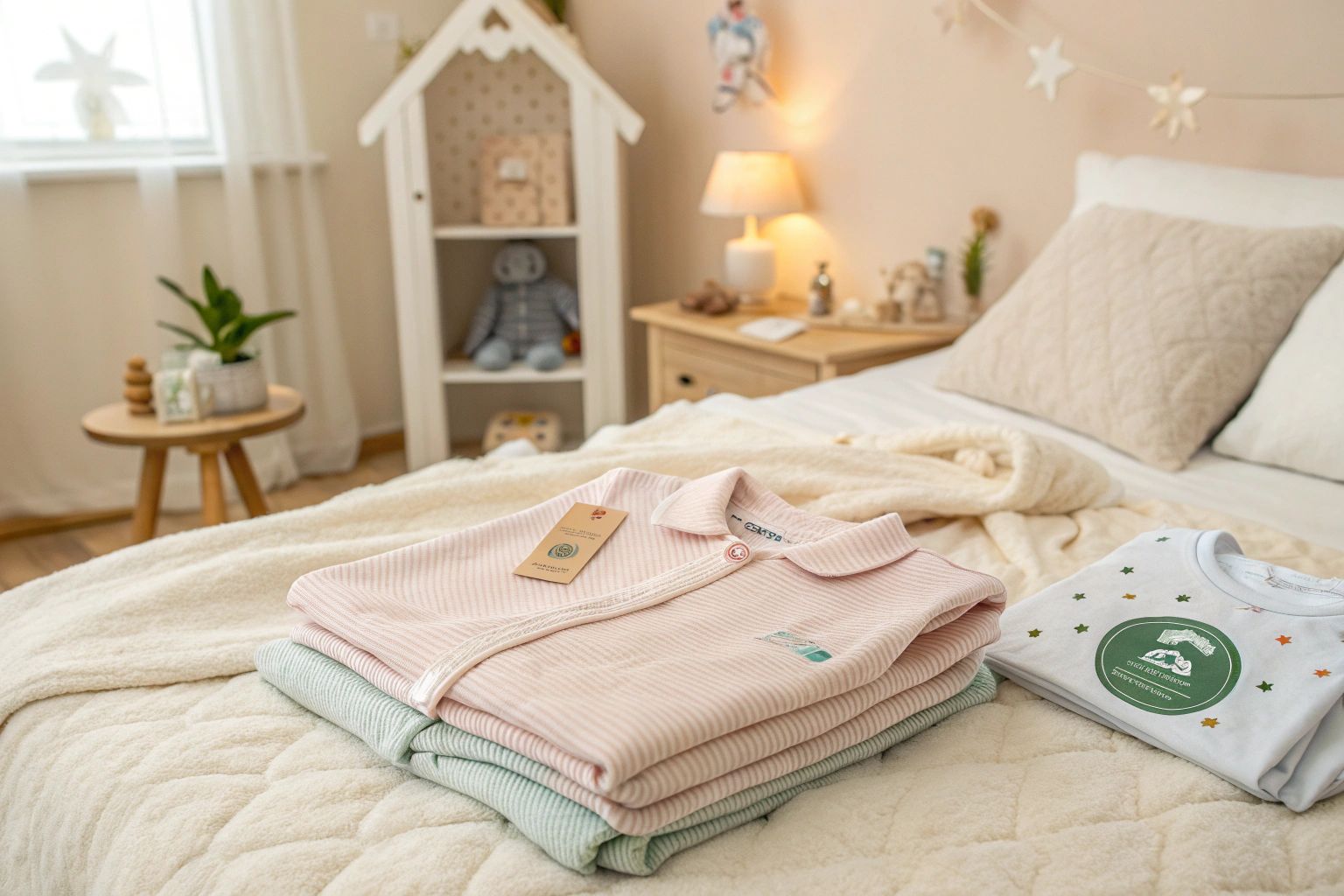
Fabric selection for toddler sleepwear requires careful attention to comfort, breathability, safety compliance, and durability. Toddlers have highly sensitive skin, and their pajamas must balance softness with thermal regulation. For buyers and sourcing managers, fabric choice also directly impacts SKU performance, regulatory compliance, and consumer trust.
The most suitable fabrics for toddler pajamas include cotton, organic cotton, bamboo viscose, fleece, and cotton-blend knits.
Each material offers distinct performance attributes suited to seasonal requirements and compliance frameworks.
Cotton and Organic Cotton
Cotton remains the industry standard for toddler sleepwear. It provides breathability, softness, and high wash durability. Organic cotton, certified through standards such as GOTS or OEKO-TEX® Standard 100, eliminates pesticide exposure and chemical residues.
Both conventional and organic cotton deliver year-round comfort and regulatory assurance in Class I infant/toddler categories.
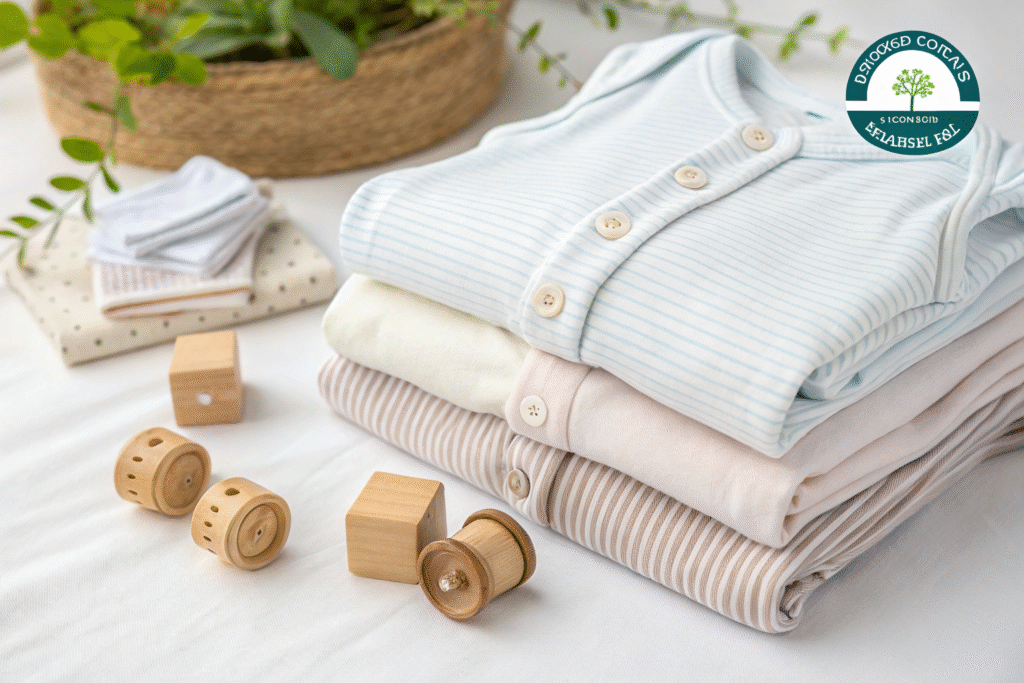
Why is cotton dominant?
Cotton fibers allow airflow, reducing the risk of overheating. Certified organic cotton ensures a non-toxic substrate for sensitive skin.
Compliance context
Cotton fabrics are frequently tested under OEKO-TEX protocols to validate chemical safety across production batches.
Bamboo Viscose Fabrics
Bamboo viscose has gained traction in premium toddler apparel due to its thermo-regulating properties, hypoallergenic performance, and sustainability narrative.
Bamboo fabrics provide moisture management and a soft hand feel, making them ideal for transitional seasons.
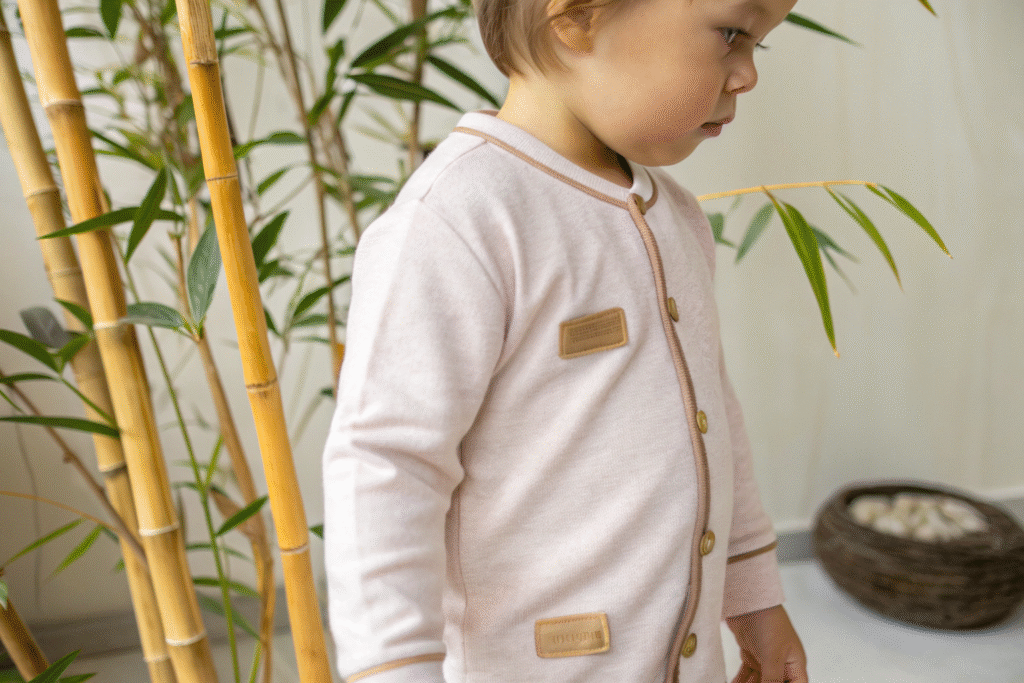
Why is bamboo preferred in higher-end lines?
Its renewable source and silky texture align with eco-conscious consumer demand. Brands like Boody market bamboo textiles as sustainable luxury.
Buyer advantage
Bamboo fabrics support product differentiation, appealing to parents seeking both functional performance and eco-label credibility.
Fleece for Seasonal Warmth
Fleece, generally polyester-based, is widely adopted for winter toddler sleepwear. It is valued for thermal insulation, lightweight structure, and fast-drying capacity.
Fleece pajamas meet seasonal demand in colder climates but must be engineered for compliance with U.S. CPSC flammability standards.
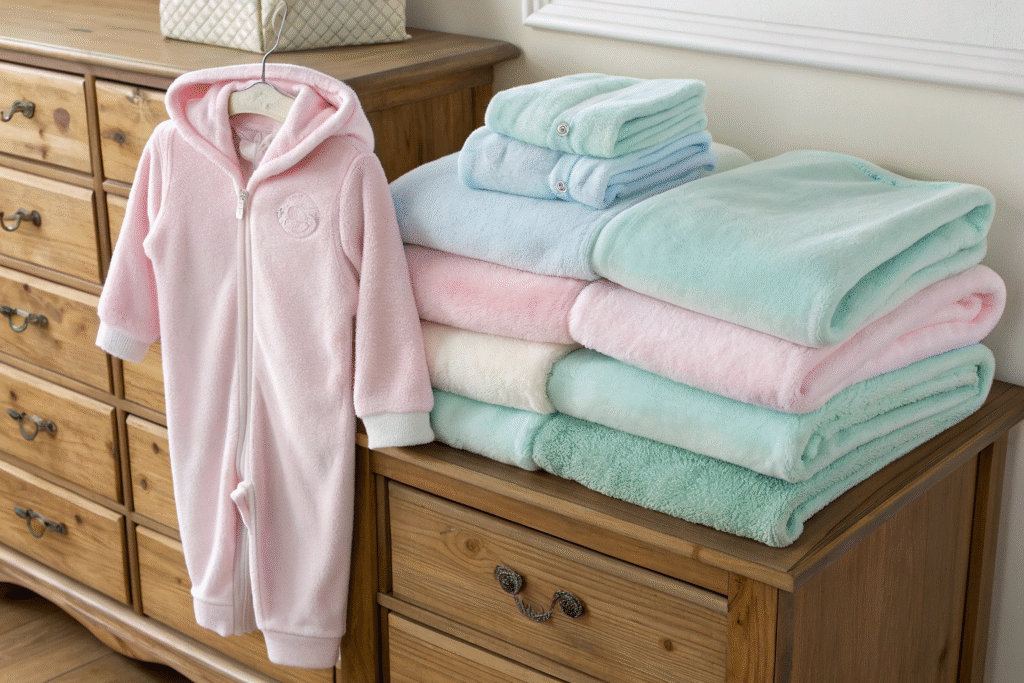
Why is fleece efficient?
Its fiber structure traps air, offering warmth without heavy layering. Polar fleece has become a staple for winter apparel lines.
Compliance focus
Manufacturers must ensure fleece products comply with CPSC flammability regulations for children’s sleepwear categories.
Cotton-Blend Knits
Cotton blended with elastane (spandex) or polyester improves fabric recovery, elasticity, and shrink resistance. These blends are often engineered for snug-fit sleepwear designs, which reduce flammability risks.
Cotton-blend knits balance natural comfort with technical performance, ensuring shape retention and compliance with safety standards.
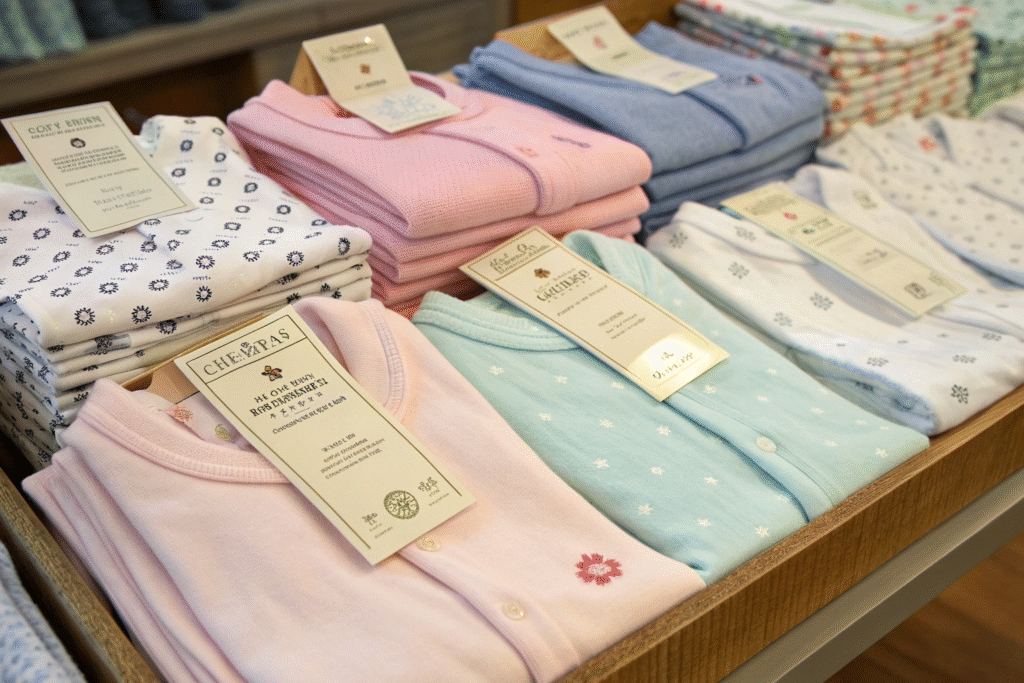
Why are blends widely used?
They provide stretch for active toddlers and maintain garment integrity after repeated laundering. Carter’s frequently incorporates blends in its toddler pajama ranges.
Safety context
Snug-fitting blends comply with U.S. sleepwear flammability standards by reducing the ignition risk compared to loose-fitting garments.
Conclusion
Toddler pajama fabrics must combine comfort, compliance, and durability. Cotton and organic cotton remain baseline choices. Bamboo viscose offers premium softness and sustainability value. Fleece delivers winter warmth, while cotton-blend knits provide elasticity and compliance assurance.
At Shanghai Fumao, we integrate certified cotton, bamboo viscose, fleece, and blends into toddler sleepwear production. Our sourcing ensures compliance with OEKO-TEX® and CPSC standards, while delivering fabrics that meet both market and parental expectations.
👉 To develop certified toddler pajama lines with optimized fabric selection, contact our Business Director Elaine at elaine@fumaoclothing.com. We provide end-to-end sourcing, QC, and global delivery solutions.