As a owner of a children’s garment factory, I often get asked by American and European brand owners about the best materials for high-end baby clothing. Luxury babywear demands fabrics that are not only soft but also safe and sustainable. In recent years, lotus fiber has emerged as a remarkable choice, but finding reliable sources is key. This article will guide you through the best lotus fiber sources and why they matter for your brand.
Lotus fiber is a premium, eco-friendly material derived from lotus plant stems, with the finest sources located in Cambodia, Myanmar, and specific regions in Vietnam and India. These sources are ideal for luxury babywear due to their superior fiber length, minimal chemical use, and traditional harvesting methods that ensure fabric softness and purity. Partnering with ethical suppliers from these areas guarantees the high-quality material your brand needs.
Choosing the right fabric can define your brand in the competitive children’s fashion market. Let’s explore how lotus fiber can set your products apart and where to find the best quality.
What makes lotus fiber ideal for luxury babywear?
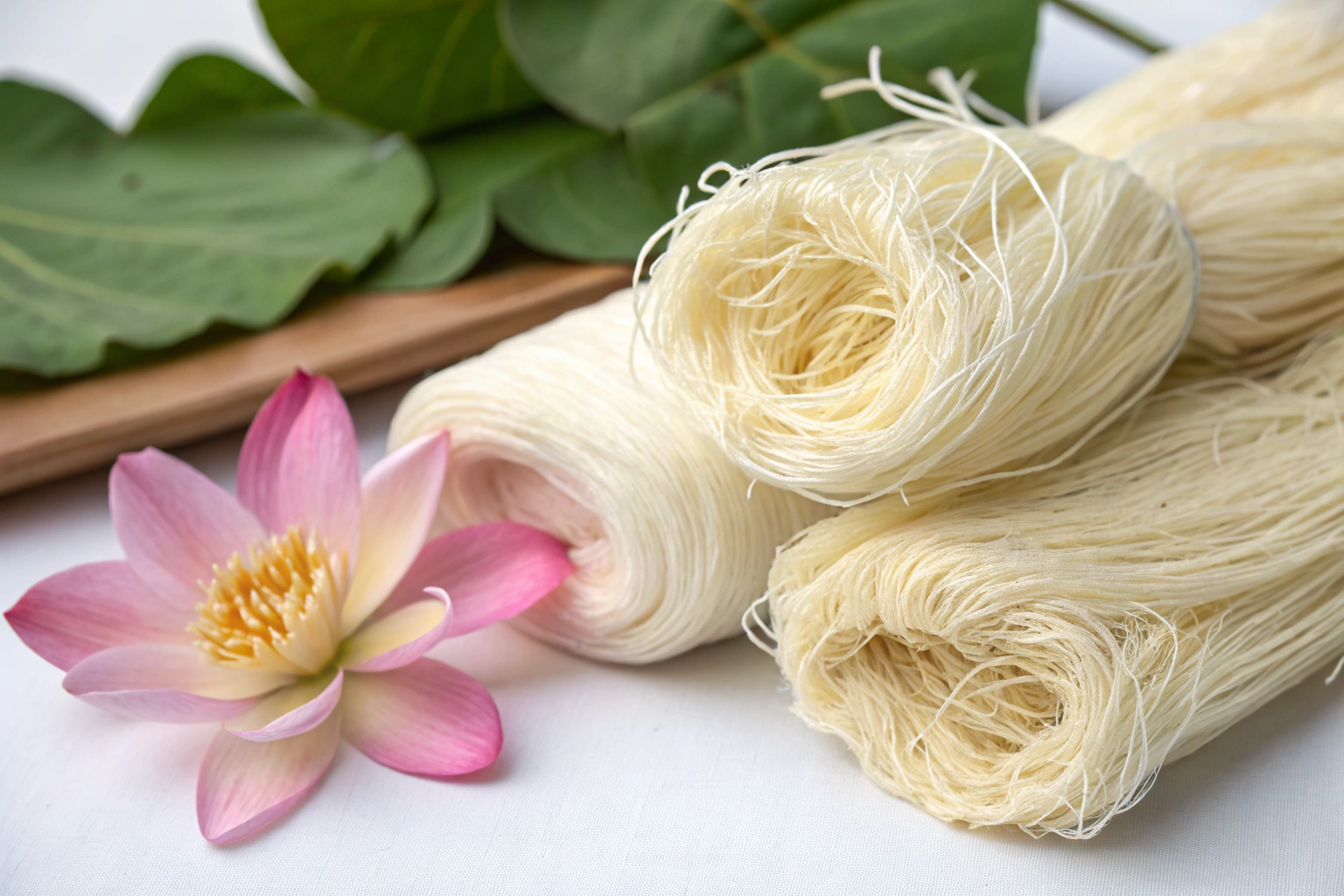
Lotus fiber offers a unique combination of softness, sustainability, and rarity that aligns perfectly with the demands of high-end baby clothing. This natural fabric is harvested by hand from lotus stems, making it an eco-friendly alternative to conventional textiles.
The production process of lotus fiber is mostly chemical-free, which is a significant advantage for babywear. Babies have sensitive skin, and using non-toxic materials reduces the risk of irritation. Lotus fiber is also highly breathable, helping to regulate body temperature and keep infants comfortable. Its moisture-wicking properties prevent dampness, which is essential for preventing skin issues. Furthermore, the fiber’s natural origins make it biodegradable, supporting your brand’s sustainability goals. For brands targeting the mid-to-high segment, these features justify a premium price point and appeal to environmentally conscious parents.

Why is lotus fiber so soft and breathable?
The softness of lotus fiber comes from its microscopic structure. The fibers are fine and hollow, which creates a fabric that feels smooth against delicate skin. This hollow structure also allows air to circulate easily, enhancing breathability. Unlike synthetic fabrics that can trap heat, lotus fiber helps maintain a comfortable microclimate around the baby’s body. This makes it ideal for layering in baby clothing in various climates. Additionally, the hand-spinning process preserves the fiber’s natural texture without harsh treatments, ensuring the final fabric remains gentle. This inherent softness reduces the need for chemical softeners, aligning with strict international safety standards for children’s apparel.
How does lotus fiber compare to other luxury fabrics?
When compared to other premium materials, lotus fiber stands out for its eco-friendly profile and unique properties. For instance, organic cotton is soft but requires significant water and land resources. Bamboo viscose is sustainable but often involves chemical processing. Lotus fiber, however, is grown in natural water habitats without pesticides and processed with minimal chemicals. The table below highlights key differences:
| Fabric | Softness | Sustainability | Production Impact | Ideal Use |
|---|---|---|---|---|
| Lotus Fiber | Very High (natural hollow fibers) | High (minimal water, no pesticides) | Low (hand-harvested, less chemical use) | Premium babywear, special occasion outfits |
| Organic Cotton | High | Medium (less water than conventional, but still land-intensive) | Medium (mechanized farming) | Everyday baby clothing |
| Bamboo Viscose | High | Medium (sustainable growth, but chemical-heavy processing) | Medium to High (chemical recycling needed) | Soft baby garments, blends |
| Silk | Very High | Low (resource-intensive, animal-derived) | High (energy and water use) | High-fashion items, not typically for everyday babywear |
This comparison shows that lotus fiber offers a balanced combination of luxury and environmental responsibility, making it a compelling choice for brands that prioritize both quality and sustainability.
Where are the top geographic sources for lotus fiber?
The quality of lotus fiber heavily depends on its geographic origin, as climate, water quality, and traditional expertise vary by region. The most renowned sources are in Southeast Asia, where lotus plants thrive in natural wetlands.
Cambodia is a leading source, particularly for handcrafted lotus fiber. Artisans in the Mekong Delta region have generations of experience in extracting and weaving the fiber, producing some of the finest quality available. Myanmar is another key source, known for its organic lotus farms that avoid synthetic chemicals. In Vietnam, the Red River Delta area produces fiber with a notable sheen and strength, while certain regions in India, like Manipur, are emerging with smaller-scale, ethical cooperatives. These sources are critical for brands that need consistent, high-quality material for their collections. We source from vetted partners in these areas to ensure our babywear meets the expectations of our North American and European clients.

Why is Cambodian lotus fiber highly prized?
Cambodian lotus fiber is esteemed for its long staple length and artisanal production. The fibers are extracted by hand from the stems of lotuses grown in the Tonlé Sap lake and Mekong River basins. This manual process ensures that the fibers remain intact and unbroken, resulting in a stronger and smoother yarn. The traditional knowledge passed down through families means that the fiber is processed with great care, preserving its natural properties. This makes it ideal for producing durable yet incredibly soft fabrics for babywear. Additionally, many Cambodian suppliers engage in fair trade practices, supporting local communities and ensuring ethical sourcing. For brands, this not only guarantees quality but also adds a story of craftsmanship and social responsibility to their products.
What are the emerging sources for sustainable lotus fiber?
While Cambodia and Myanmar dominate the market, new sources are gaining attention for their sustainable approaches. India, particularly in the northeastern state of Manipur, has seen growth in small cooperatives that focus on organic lotus farming. These groups often use rainwater-fed ponds, reducing the environmental footprint. Similarly, initiatives in Thailand are experimenting with integrating lotus cultivation with rice fields to promote biodiversity. These emerging sources often hold organic certifications that verify their eco-friendly methods. For buyers, these sources offer an alternative that aligns with stringent sustainability criteria. However, it’s important to verify the scale and reliability of these suppliers to ensure they can meet the demands of large orders for international brands.
How to identify high-quality lotus fiber suppliers?
Finding a reliable lotus fiber supplier involves checking their sourcing practices, certifications, and production capabilities. A good supplier ensures consistent quality, ethical standards, and dependable logistics.
First, look for suppliers who are transparent about their geographic source and harvesting methods. The best ones often have direct relationships with farming communities. Second, verify certifications that attest to the fiber’s organic nature and ethical production. Certifications like Global Organic Textile Standard (GOTS) or Oeko-Tex Standard 100 are crucial for proving the fabric’s safety and sustainability. Third, assess their manufacturing process. Suppliers who oversee the entire chain from stem to fabric can better control quality. We partner with suppliers who provide detailed documentation and have a proven track record with other international brands. This due diligence helps prevent issues like falsified certificates, a common pain point for buyers like you.

What certifications should a reliable supplier have?
A trustworthy lotus fiber supplier should possess recognized certifications that validate their claims. The Global Organic Textile Standard (GOTS) is a key certification, ensuring the fiber is organically grown and processed without harmful chemicals. Oeko-Tex Standard 100 is another important mark, confirming that the final fabric is free from substances harmful to human health, which is non-negotiable for babywear. Additionally, certifications like Fair Trade can indicate ethical labor practices. Always ask for copies of these certificates and verify their authenticity through the certifying bodies’ websites. This step is vital for risk management, as it helps you avoid suppliers who might provide falsified documents, ensuring your brand’s integrity and compliance with international import regulations.
How can you evaluate a supplier’s production capacity and reliability?
Evaluating a supplier goes beyond certificates. You need to assess their production capacity and reliability to ensure on-time delivery. Start by asking about their average yield and the number of active looms. A supplier with multiple production lines can handle larger orders more efficiently. Inquire about their lead times and past experience with international clients, especially those in North America and Europe. It’s also wise to request samples from different batches to check for consistency in softness and color. Many reputable suppliers are open to virtual factory tours or third-party inspections. Confirming their logistics partnerships is also key, as a reliable supplier will have a clear plan for shipping and delivery, minimizing the risk of delays that could cause you to miss crucial selling seasons.
What are the benefits of using lotus fiber in your babywear collection?
Incorporating lotus fiber into your babywear line can significantly enhance your brand’s market position by offering unique selling points that resonate with today’s consumers.
The primary benefit is the unparalleled softness and comfort it provides, which is a major factor for parents choosing clothing for their newborns. This comfort directly translates to a premium feel, allowing you to command higher price points. Secondly, the sustainable and natural story behind lotus fiber is a powerful marketing tool. It appeals to the growing segment of eco-conscious shoppers who prioritize ethical purchases. Furthermore, lotus fiber’s rarity and uniqueness can differentiate your products from competitors using common materials like cotton or polyester. By offering lotus fiber babywear, you not only provide a superior product but also build a brand image associated with innovation, care, and responsibility.

How can lotus fiber enhance your brand’s market appeal?
Lotus fiber can elevate your brand by associating it with exclusivity and eco-luxury. Since it is a rare material with a labor-intensive production process, it is not mass-produced. This exclusivity allows you to create limited-edition collections that attract attention and drive demand. Marketing the artisanal and natural aspects of the fiber can strengthen your brand’s story, making it more relatable and desirable. Highlighting its benefits for sensitive skin can also connect with parents’ concerns for their children’s well-being. In a crowded market, these unique attributes make your products stand out on shelves and online, ultimately supporting higher profit margins and fostering brand loyalty.
What is the long-term value of investing in lotus fiber?
Investing in lotus fiber is a strategic decision for long-term growth. As consumer demand for sustainable products continues to rise, having a proven, eco-friendly material in your portfolio future-proofs your brand. The durability and quality of lotus fiber also mean that your products are less likely to have returns or complaints, saving costs associated with quality issues. Moreover, establishing a supply chain for a specialty material like lotus fiber can create barriers to entry for competitors, securing your position in the luxury segment. While the initial cost might be higher than conventional fabrics, the long-term benefits in terms of brand reputation, customer satisfaction, and operational efficiency make it a worthwhile investment.
Conclusion
Lotus fiber represents a perfect blend of luxury, comfort, and sustainability for high-end babywear. From the pristine waters of Cambodia to the ethical cooperatives in India, sourcing the best fiber requires careful selection of geographic origins and suppliers. By prioritizing quality, certifications, and reliable partnerships, you can leverage this exceptional material to differentiate your brand and capture the discerning market.
If you are looking to develop a premium babywear collection with lotus fiber, partner with a manufacturer that understands your quality and timeline needs. Contact our Business Director, Elaine, at elaine@fumaoclothing.com to discuss how we can bring your vision to life with our expertise and reliable supply chain.