
In children’s fashion manufacturing, packaging is often treated as an afterthought. Yet, as I have learned through decades of professional practice and academic research in textile packaging and apparel logistics, the choice of polybags is directly linked to safety, sustainability, compliance, and brand credibility. A poorly chosen bag can result in safety hazards, regulatory fines, or reputational damage.
The best children’s clothing polybags combine certified safety warnings, sustainable materials such as recycled LDPE, and compliance with international standards. They protect garments, reassure parents, and meet rising consumer demand for eco-friendly packaging.
In this article, I will explain the key features of effective children’s clothing polybags, supported by both research and practical factory experience.
What Makes a Good Polybag for Children's Clothes?
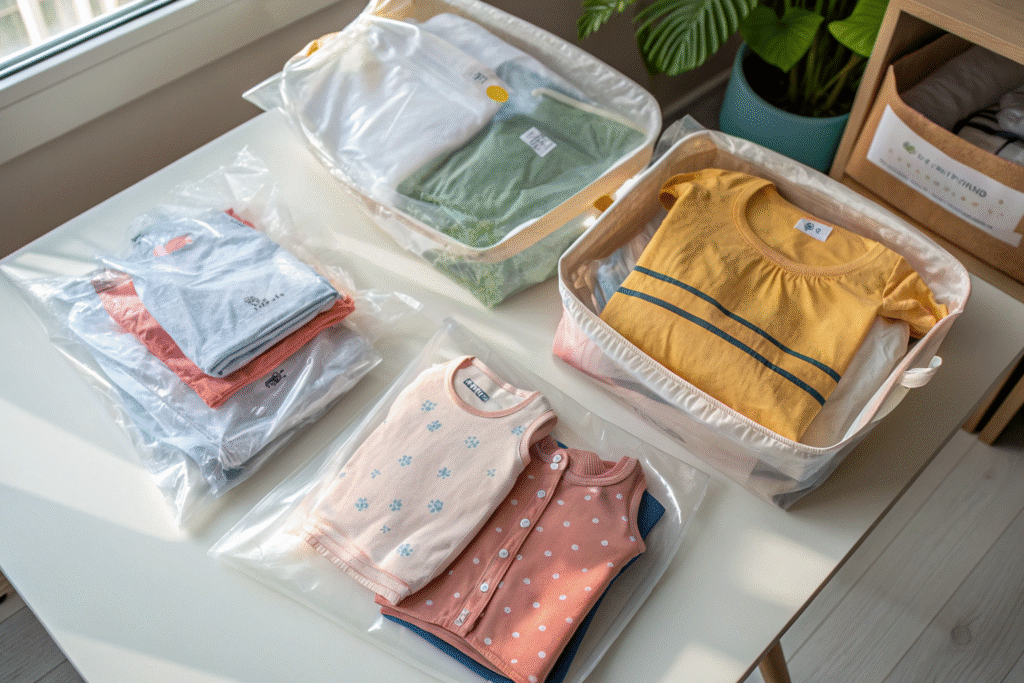
A polybag for kids wear is more than a protective sleeve. It must balance durability, clarity, safety, and recyclability.
A good children’s clothing polybag is strong enough to protect garments during shipping, transparent for easy product identification, printed with legal warnings, and designed to be recyclable.
Why Is Safety the First Requirement?
Thin plastic bags present suffocation risks. That is why regulations in the U.S. and EU require printed suffocation warnings. According to EcoEnclose, specific font sizes and warning texts are mandatory depending on bag thickness. For children’s wear, this is non-negotiable.
What Basic Features Should Be Included?
Bags must have the right gauge to prevent tearing, smooth seals to prevent garment damage, and clear surfaces for scanning barcodes. Guidelines like those from GS1 US recommend designing for recyclability while maintaining durability.
What Materials Are Best for Children’s Clothing Polybags?
Material selection is the most important decision. It determines environmental impact, cost, and performance in logistics.
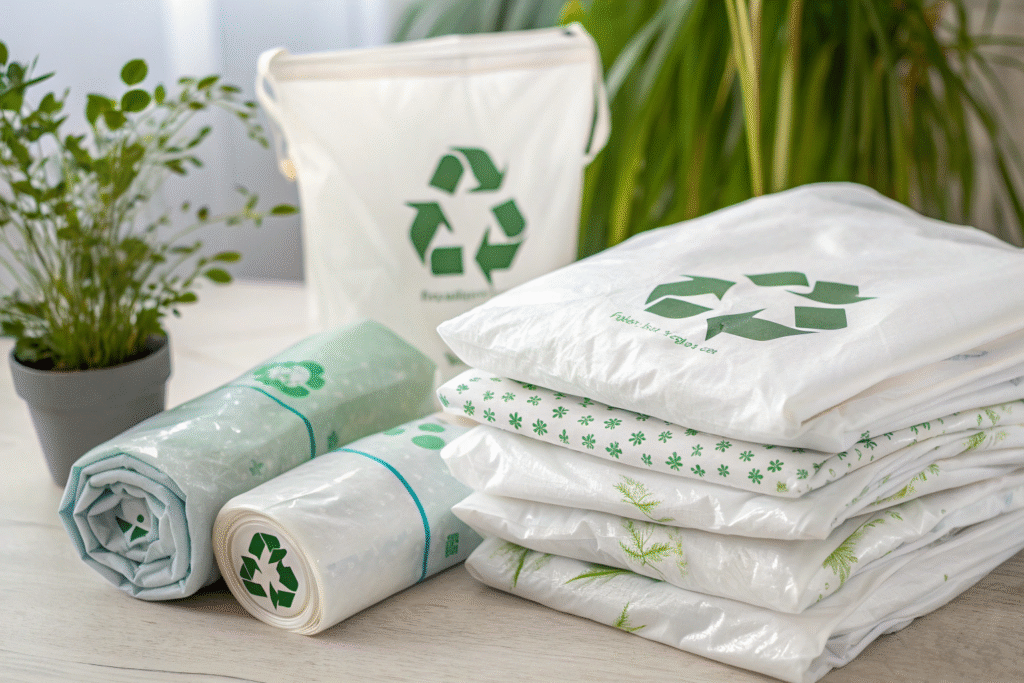
The leading materials today are recycled LDPE, biodegradable plastics, and compostable films.
Why Choose Recycled LDPE?
Recycled LDPE (low-density polyethylene) is the most practical option. It is durable, transparent, and accepted in recycling streams. Fashion For Good highlights that recycled LDPE significantly lowers carbon emissions compared to virgin plastics.
Are Compostable Bags Effective?
Yes, but only if disposal infrastructure exists. Companies like Aquapak Polymers are developing water-soluble and compostable bags. However, these can be weaker and more expensive, and they require proper waste management systems to fulfill their eco-friendly promise.
What Safety and Compliance Standards Apply?
Because children’s products face stricter rules, packaging must meet international compliance requirements.
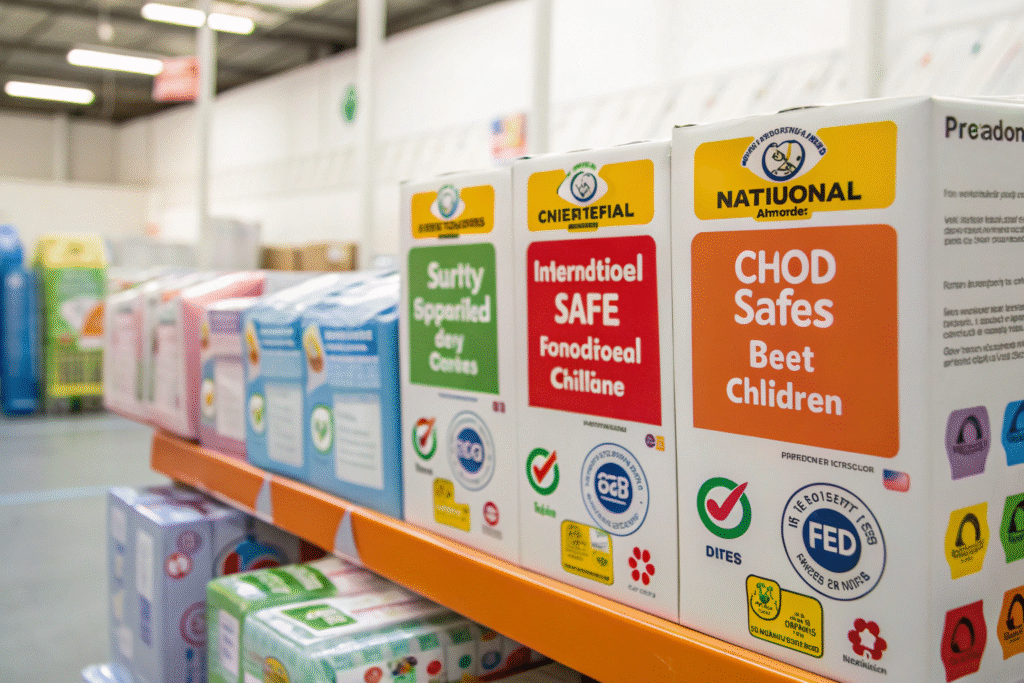
Best polybags are tested for thickness, carry suffocation warnings, and avoid hazardous inks.
Why Are Printed Warnings Necessary?
Many countries legally mandate suffocation warnings on thin plastic bags. The U.S. Consumer Product Safety Commission and EU safety directives specify wording, placement, and font sizes. EcoEnclose explains these requirements in detail.
What About Printing and Inks?
Inks must be non-toxic and resistant to smudging. Excessive branding or colored printing should be avoided, as the EOG Polybag Standards recommend minimal printing for recyclability.
What Are the Trade-Offs and Future Trends?
Every packaging choice has trade-offs in terms of cost, safety, and sustainability.
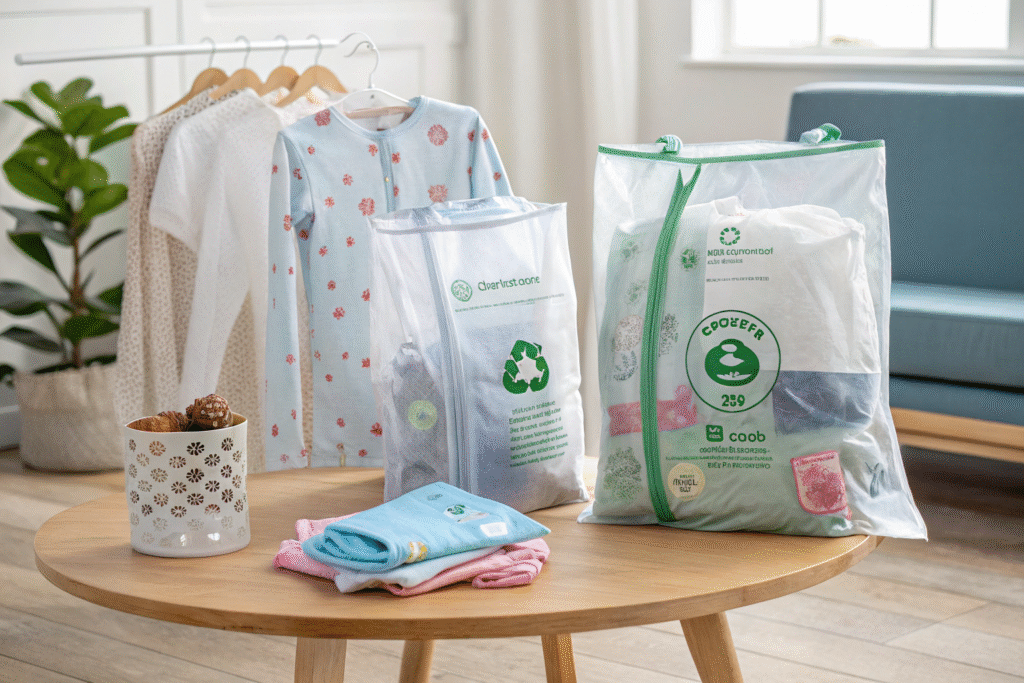
The future of children’s clothing polybags will involve recycled content, digital traceability, and circular economy solutions.
Are Costs Higher for Sustainable Options?
Yes. Recycled and compostable bags cost more than virgin LDPE. But they provide long-term benefits by reducing environmental impact and meeting consumer expectations.
Will Technology Improve Packaging?
Yes. AI-driven supply chain optimization and blockchain-based tracking, such as TextileGenesis, are being tested to ensure material traceability and circular recycling of packaging.
Conclusion
The best children’s clothing polybags are those that integrate safety, compliance, and sustainability. Recycled LDPE remains the most practical and scalable option today, while compostable and water-soluble alternatives are gaining traction. Safety warnings, proper thickness, and recyclable design are essential.
At Shanghai Fumao Clothing, we provide eco-friendly polybag solutions tailored for kids wear. Our packaging complies with international safety rules, supports sustainability goals, and protects garments through global shipping. If you want to develop safe and sustainable packaging for your children’s wear brand, please contact our Business Director Elaine at elaine@fumaoclothing.com.