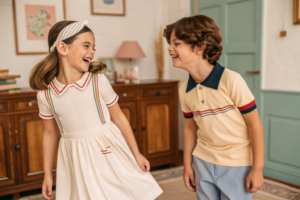
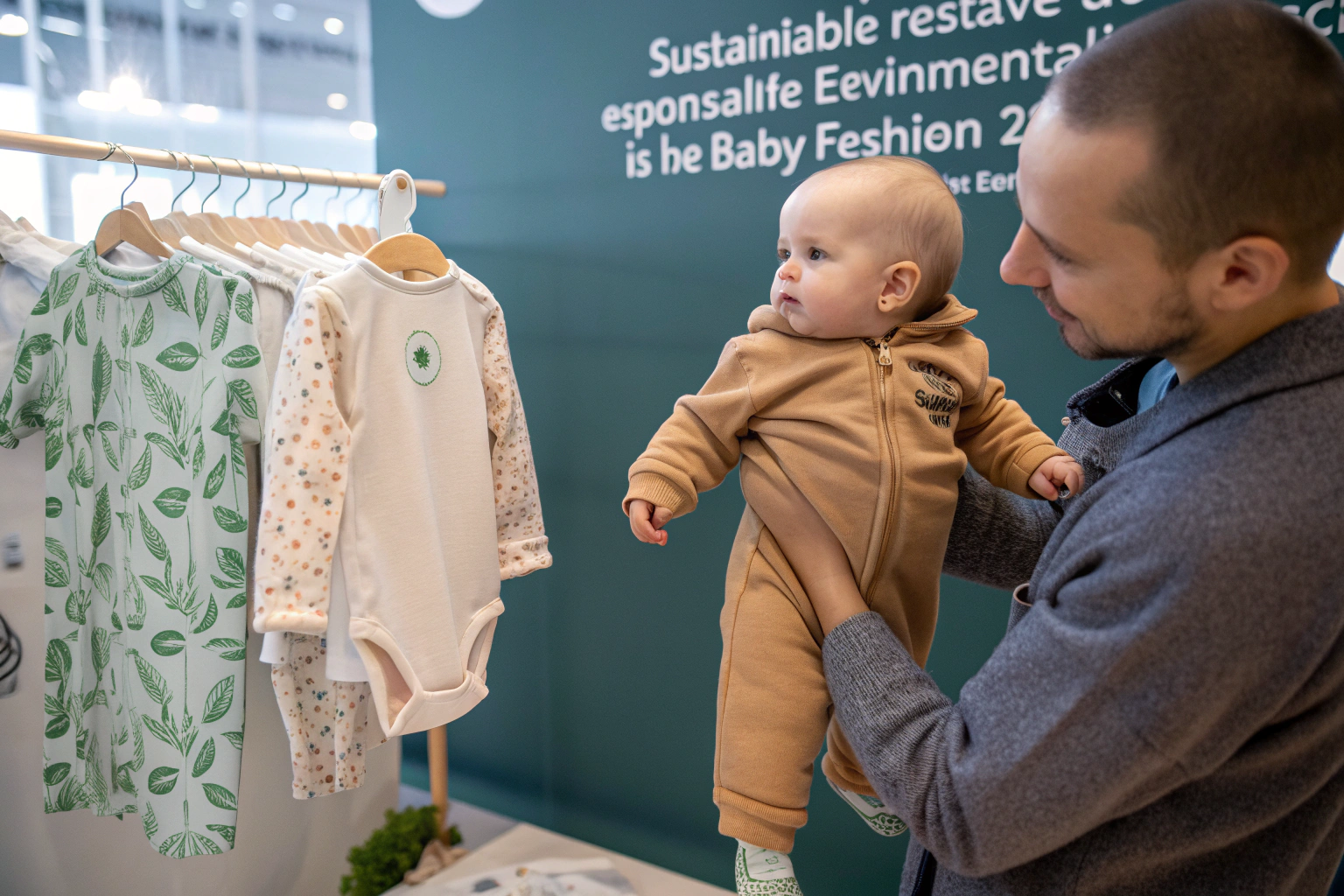
The baby fashion industry is at a crossroads. Parents and brands are increasingly aware of the environmental impact of children's clothing, which is often used for a short period. As a manufacturer, we see a growing demand from our US and European brand partners for sustainable solutions. The question is no longer if but how to integrate circularity into their business models for 2025 and beyond.
The 2025 circular economy models for baby brands are innovative strategies focused on designing out waste, keeping materials in use, and regenerating natural systems. Key models include product-as-a-service like rental and subscription, take-back and resale programs, designing for durability and recyclability, and using regenerative and recycled materials. These models address both environmental concerns and consumer demand for sustainability.
Shifting to a circular economy is a complex journey. It requires rethinking the entire product lifecycle, from design to end-of-life. For brand owners like you, this shift is not just an ethical choice but a strategic business imperative. This article will break down the most viable circular models for 2025, providing a clear roadmap for implementation.
How can rental and subscription services boost baby brand revenue?
The traditional model of buying new clothes for every growth spurt is being challenged. Rental and subscription services offer a compelling alternative. They provide parents with access to high-quality, constantly refreshing wardrobes without the commitment of ownership. For brands, this model opens a new, recurring revenue stream.
Rental and subscription services can significantly boost baby brand revenue by creating a predictable, recurring income source. They increase customer lifetime value, reduce inventory waste, and attract eco-conscious consumers. This model turns a single sale into a long-term relationship, fostering brand loyalty and generating data on product usage and durability.
This approach aligns perfectly with the rapid growth cycles of children. It's a practical solution that resonates with modern parenting values.

What are the financial benefits of a clothing rental model?
The financial upside is substantial. Instead of a one-time purchase, a garment can be rented out multiple times, generating revenue that far exceeds its initial retail price. This improves cash flow and reduces the financial risk of unsold inventory. Brands can leverage a durable design philosophy to ensure garments withstand multiple wears and washes, maximizing their earning potential per item. Furthermore, this model provides valuable data on which styles are most popular and durable, informing future production and product development decisions. This data-driven approach minimizes guesswork and leads to more profitable collections.
How to implement a successful subscription box for baby clothes?
Implementation requires a focus on logistics and customer experience. Start with a curated collection of core, timeless pieces known for their quality. Partner with a reliable logistics provider specializing in reverse logistics to handle shipping, cleaning, and returns seamlessly. The key is to ensure hygiene and safety, so investing in professional cleaning standards that meet or exceed international safety standards is non-negotiable. The subscription model should be flexible, allowing parents to choose the frequency and style of boxes. Excellent customer service is crucial to handle queries and customize the experience, building a community around your brand.
What makes a take-back and resale program effective for brands?
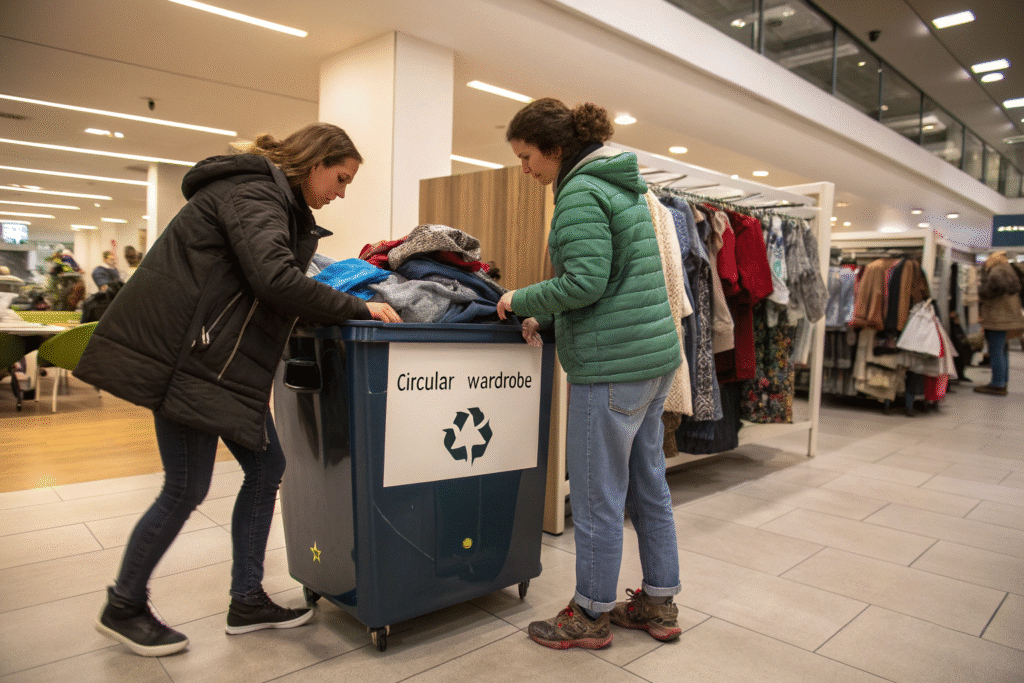
Take-back programs are the backbone of a circular wardrobe. They incentivize customers to return used items, keeping clothing out of landfills. For brands, this is a powerful tool to control the second-life of their products and engage customers directly.
An effective take-back and resale program is built on clear incentives, seamless logistics, and rigorous quality control. It strengthens brand loyalty by offering store credit or discounts on future purchases, encouraging repeat business. By refurbishing and reselling these items, brands tap into the lucrative secondhand market while solidifying their commitment to sustainability.
A well-run program turns old products into new assets. It's a win-win that builds a community around your brand's values.
How to incentivize customers to participate in take-back schemes?
The incentive must be meaningful and easy to use. Offer a straightforward voucher or discount on their next purchase that reflects the value of the returned item. Make the process simple: provide pre-paid shipping labels or in-store drop-off points. Transparency is key. Communicate clearly how the returned garments will be given a new life, whether through resale, recycling, or donation. This connects the customer's action to a positive outcome, making them feel part of your brand's mission. Highlighting this story can be a powerful marketing strategy that differentiates you from competitors.
What quality checks are needed for resold baby clothing?
Quality and safety are paramount. Every returned item must undergo a rigorous inspection process. This checklist is essential:
| Checkpoint | Action Required | Standard to Meet |
|---|---|---|
| Fabric Integrity | Check for stains, tears, pilling, or fading. | Garment must be in excellent, like-new condition. |
| Hardware Safety | Inspect buttons, snaps, and zippers for security. | All elements must be firmly attached and functional. |
| Hygiene & Cleaning | Professionally clean and sanitize every item. | Meet strict hygiene protocols for baby clothing. |
| Safety Compliance | Verify no loose threads or choking hazards. | Adhere to original CPSIA and other relevant safety standards. |
Only items passing all checks should be resold. This ensures the trust and safety that your brand is built upon. This diligence protects your brand's reputation and ensures that your quality assurance promise extends to the resale market.
Why is designing for disassembly crucial for circular baby fashion?
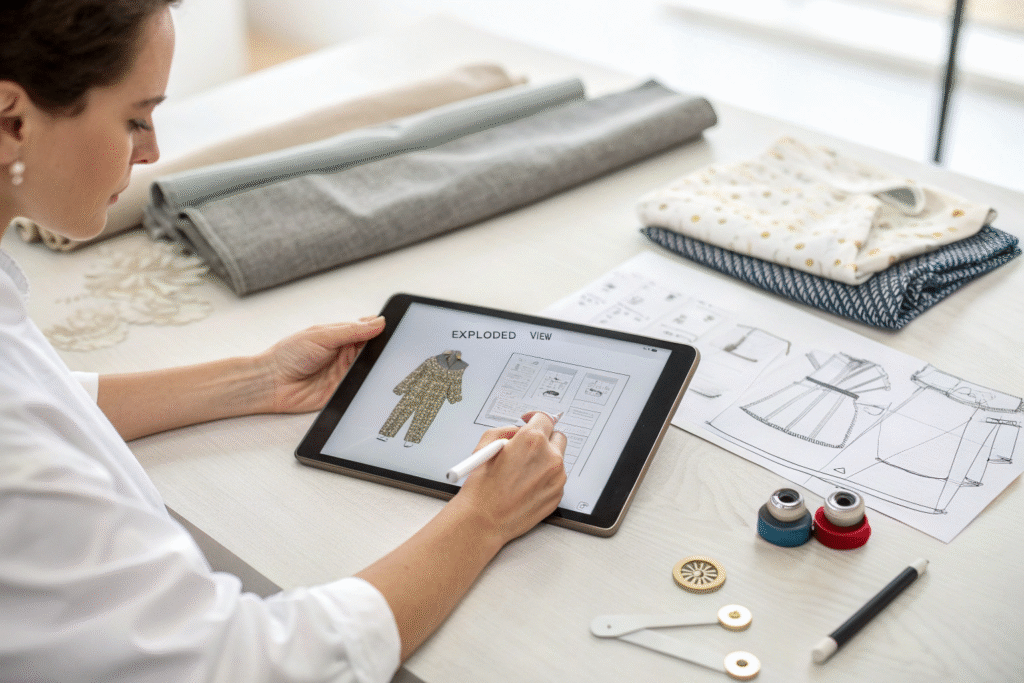
Circularity starts on the drawing board. Designing for disassembly means creating clothes that can be easily taken apart at the end of their life. This allows materials to be efficiently sorted and recycled, moving beyond downcycling to true closed-loop systems.
Designing for disassembly is crucial because it enables true recycling of materials, preventing them from ending up in landfills. It involves using mono-materials, simple constructions, and easy-to-remove components. This approach future-proofs garments, making them valuable assets for recycling partners and aligning with impending regulations on producer responsibility.
It's a proactive step that turns a product's end-of-life into a new beginning.

Which materials are best for recyclable baby clothes?
The choice of material is fundamental. Organic cotton and other mono-materials (fabrics made from a single fiber type) are ideal because they are easier to recycle than complex blends. Similarly, using recycled polyester from PET bottles supports a circular flow of materials. The goal is to avoid inseparable material combinations that contaminate recycling streams. Innovations in bio-based materials also hold promise. Selecting the right sustainable fabric is the first and most critical decision in creating a garment that can be truly circular.
How can simple design choices aid garment recycling?
Simple construction techniques make a huge difference. Replace permanent chemical adhesives with mechanical fastenings like snaps and zippers that can be easily detached. Use single-type thread for stitching to avoid material contamination. Clearly label garment components with fiber content to aid automated sorting at recycling facilities. These design choices may seem small, but they collectively determine whether a garment can be cycled back into a high-value product or becomes waste. This philosophy of simplicity should be core to your apparel development process.
What role do regenerative agriculture and recycled materials play?
True circularity looks beyond the product itself to the entire supply chain. Using materials from regenerative agricultural practices and post-consumer waste closes the loop, reducing the virgin resource extraction and environmental degradation associated with conventional production.
Regenerative agriculture and recycled materials are foundational to reducing the fashion industry's environmental footprint. Regenerative practices sequester carbon and improve soil health for materials like cotton and wool, while recycled materials, such as RPET, give new life to existing waste, reducing reliance on virgin resources and creating a more resilient supply chain.
Integrating these materials is a tangible step toward a restorative business model.
How does regenerative cotton benefit the environment and brands?
Regenerative cotton is grown using practices that restore soil organic matter and biodiversity. This benefits the environment by drawing down carbon from the atmosphere and improving water cycles. For brands, it's a powerful story. Sourcing regenerative cotton demonstrates a deep commitment to environmental health that resonates strongly with today's consumers. It future-proofs your supply chain against climate volatility and positions your brand as a leader in holistic sustainability. Partnering with suppliers who prioritize these practices is a key part of a responsible supply chain solutions strategy.
What are the challenges and solutions in sourcing recycled polyester?
The main challenge with recycled polyester (rPET) is ensuring a consistent supply of high-quality post-consumer waste, like plastic bottles. There can also be concerns about microplastic shedding. The solution is to partner with certified suppliers who can provide traceability for their recycled content. Brands can also invest in technologies like washing machine filters to mitigate microplastic pollution. Despite challenges, using rPET significantly reduces the energy and resource consumption compared to virgin polyester, making it a critical component of a circular garment manufacturing process.
Conclusion
The circular economy is no longer a niche concept but a business essential for baby brands aiming to thrive in 2025. The models we've explored—rental and subscription, take-back and resale, designing for disassembly, and using regenerative and recycled materials—provide a clear path forward. They offer a powerful combination of environmental responsibility, enhanced customer loyalty, and new revenue streams. Success hinges on viewing every garment not as a disposable item, but as a valuable asset in a continuous cycle.
Adopting these models requires a reliable manufacturing partner who understands both quality and sustainability. At Shanghai Fumao, we have decades of experience producing premium children's wear for the US market. We are ready to help you integrate circular principles into your collections, from sourcing the right materials to implementing durable construction techniques. Let's build a sustainable future for children's fashion together. To discuss how we can partner on your next order, please contact our Business Director, Elaine, at elaine@fumaoclothing.com.