As a children’s clothing manufacturer, I understand how crucial print quality is to buyers. Parents and retailers want kidswear that looks vibrant wash after wash. But fading is one of the most common complaints when it comes to children’s clothes. For importers, poor print quality means returns, customer dissatisfaction, and brand damage.
Yes — premium no-fade printing technologies ensure vibrant designs remain bright even after 50+ washes. With the right inks, substrates, and finishing treatments, kidswear can achieve both visual appeal and durability, making products more competitive in US and EU markets.
Strong colors in kidswear are not just about aesthetics — they reflect product safety, quality assurance, and brand value. Today, advanced digital printing and eco-friendly pigment systems make it possible to achieve both brilliance and long-lasting performance.
Why Is Fade Resistance So Important in Kidswear?
Kidswear undergoes frequent washing, rough play, and exposure to sunlight. Fabrics that fade quickly not only look worn out but can also lose consumer trust.
Fade resistance guarantees longer-lasting clothes, protecting both brand reputation and customer loyalty.
What Problems Arise from Poor Print Durability?
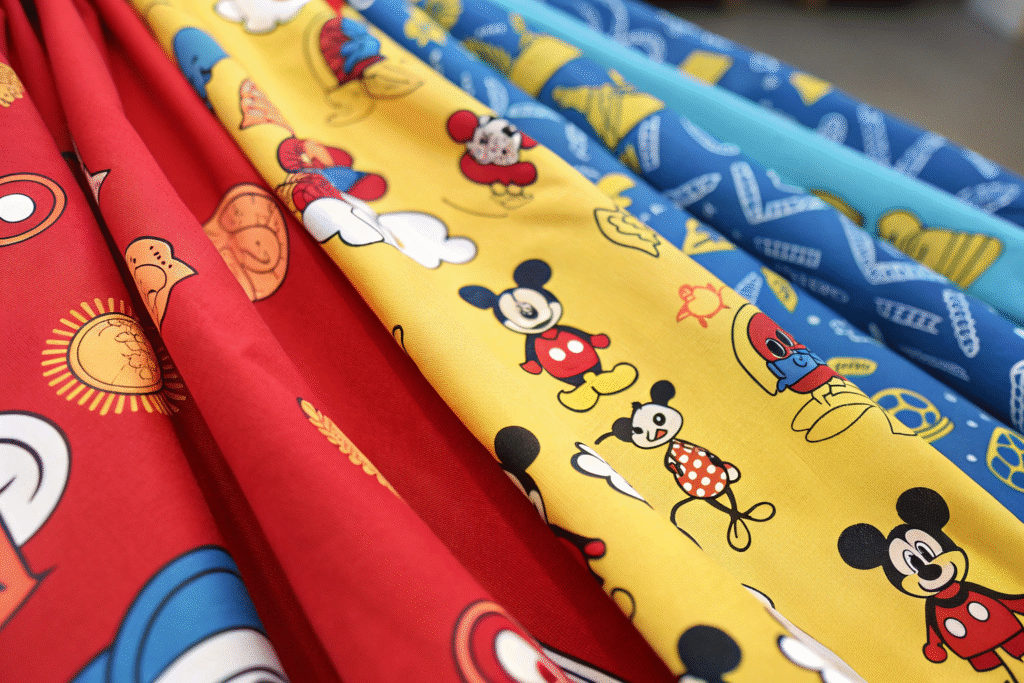
Fading prints make clothes look old after only a few washes. According to Consumer Reports, fading is one of the top complaints among parents buying kidswear. Poor durability also leads to higher product returns and reduced resale value for brands.
How Do Premium Printing Methods Solve This?
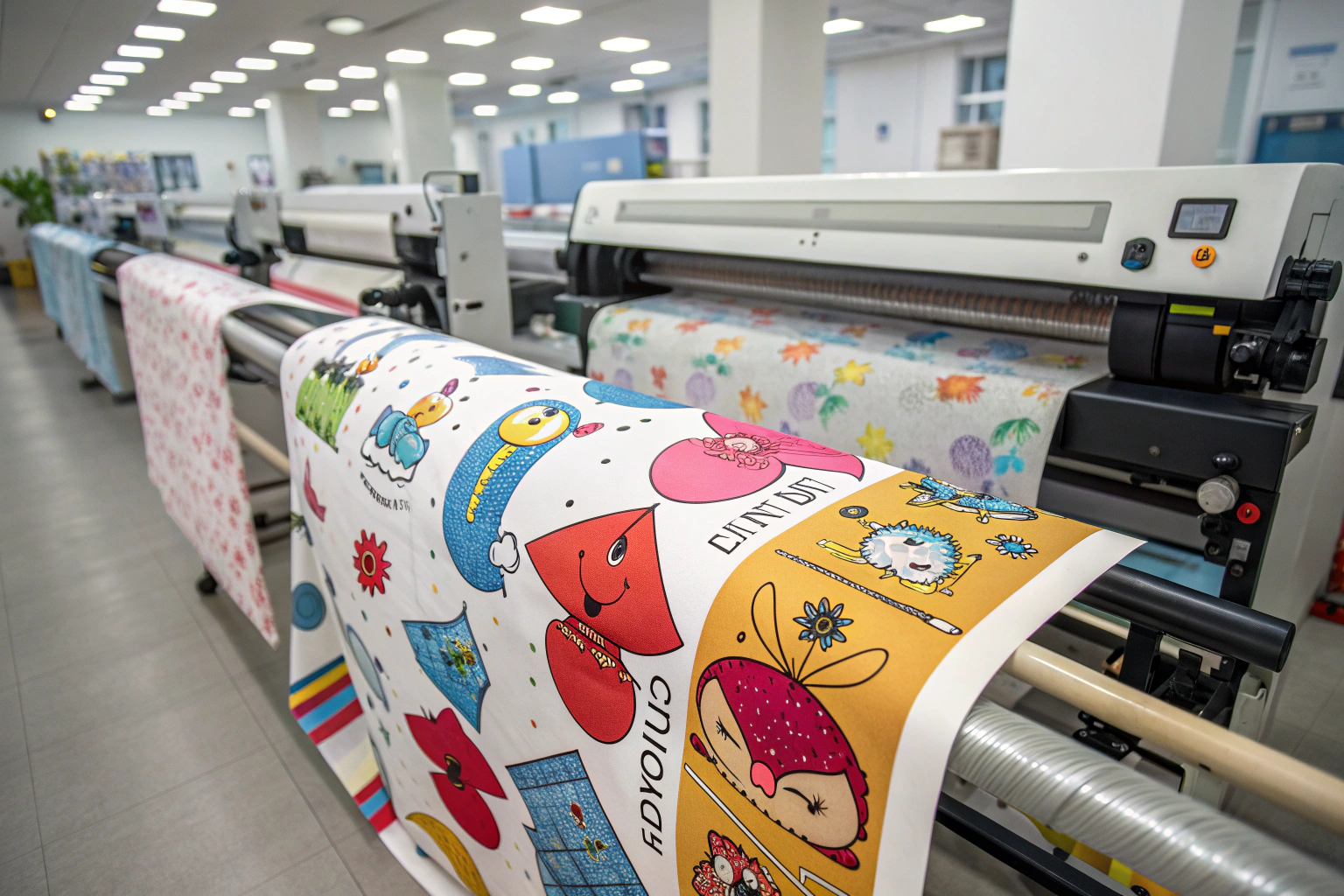
Advanced digital pigment printing ensures dyes bond deeply to fibers. With additional finishing treatments, color fastness to washing and light improves dramatically. Standards set by AATCC test color durability, and certified fabrics achieve high grades even under tough conditions.
What Printing Technologies Prevent Fading?
Technology is the core driver of no-fade printing. From sublimation to reactive and pigment digital printing, modern processes deliver vibrant, long-lasting results.
Selecting the right method depends on fabric type, design complexity, and end-use requirements.
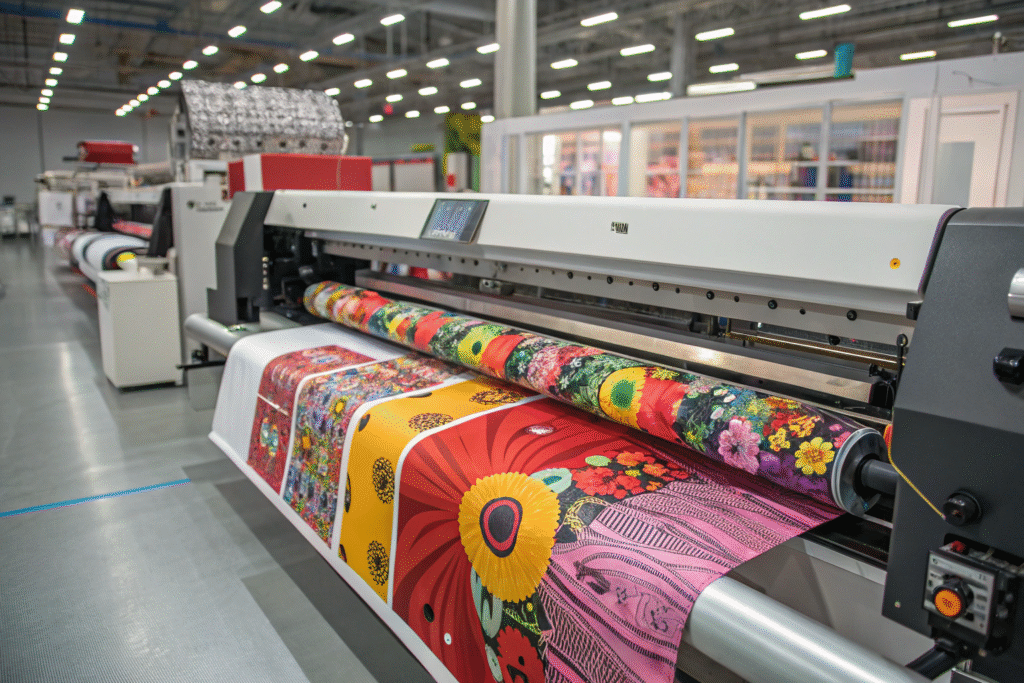
How Does Digital Pigment Printing Improve Kidswear?
Digital pigment printing uses eco-friendly water-based inks that bond with both natural and synthetic fibers. Reports from Textile World highlight its low-water usage and strong wash resistance. For kidswear, it ensures soft hand feel and durability without toxic chemicals.
Why Is Sublimation Printing Popular for Polyester Fabrics?
Sublimation printing infuses ink directly into polyester fibers through heat. This results in vibrant, no-fade colors that resist cracking and peeling. According to FESPA, sublimation is now a leading choice for sportswear and kidswear due to its excellent durability.
Which Fabrics Support No-Fade Printing Best?
Not every fabric reacts the same way to printing methods. The key is to match the right printing technology with the right fabric.
Blends of natural and synthetic fibers, as well as specially coated textiles, yield the best no-fade performance.
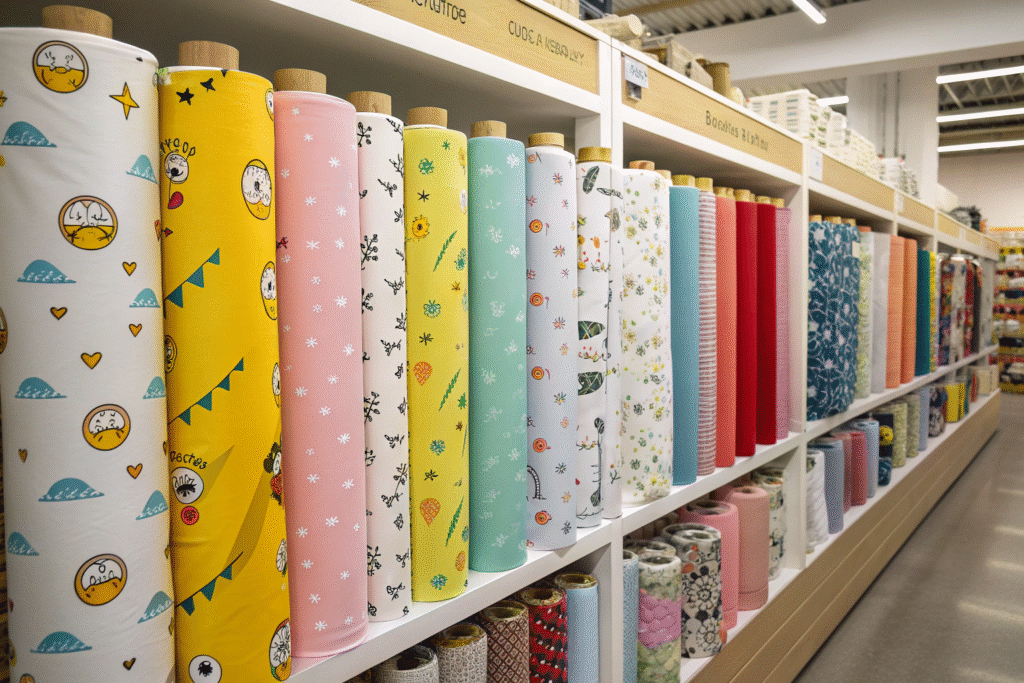
Are Cotton Prints Durable Enough for Kidswear?
Cotton requires reactive or pigment printing for lasting color. With proper finishing, cotton prints can achieve Grade 4–5 wash fastness under ISO textile standards. Eco-friendly pigment inks now allow cotton prints to be both safe and vibrant for children.
Why Do Polyester Blends Perform Well?
Polyester and poly-cotton blends hold colors better, especially with sublimation or pigment inks. According to Fibre2Fashion, polyester blends dominate kidswear exports due to their strong durability, wrinkle resistance, and fade protection.
How Do Certifications Support Print Quality Assurance?
Certifications reassure buyers that printed fabrics meet safety, durability, and eco-compliance requirements.
Third-party certifications validate no-fade performance and give brands confidence in marketing claims.
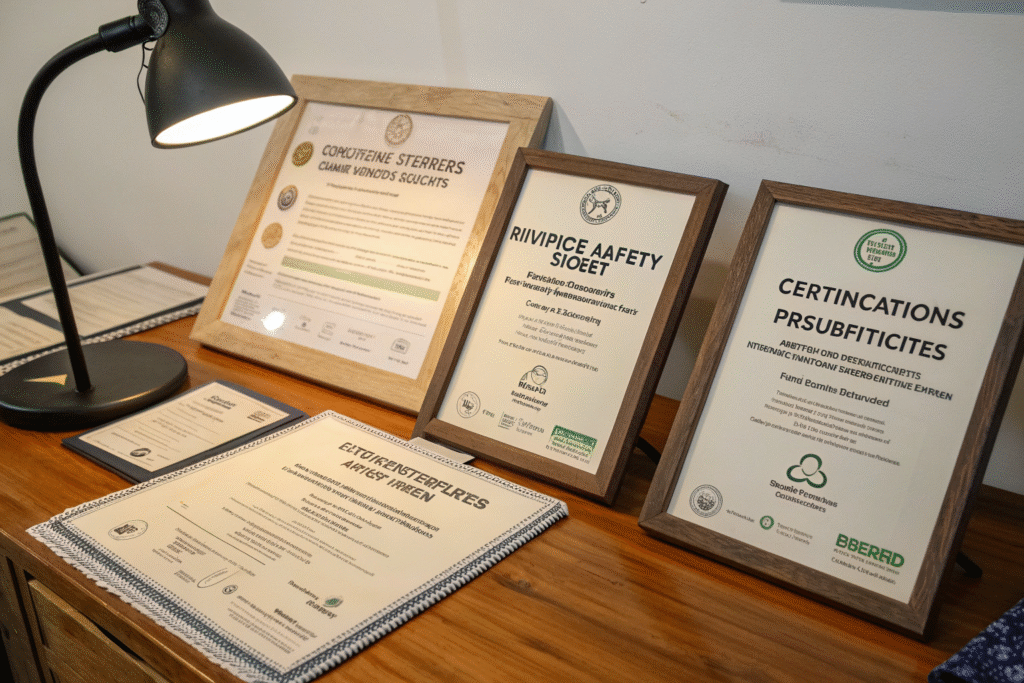
Which Certifications Are Most Relevant?
Key certifications include OEKO-TEX® Standard 100, which ensures fabric safety for children, and GOTS, which applies to organic cotton prints. Testing labs like SGS issue reports confirming wash fastness and UV resistance.
How Do Buyers Verify Claims?
Buyers can request test reports and verify numbers on certification databases. They can also hire independent auditors such as Intertek for pre-shipment inspections. This ensures fabrics meet both safety and durability standards before leaving the factory.
What Role Does Finishing Play in Print Longevity?
Printing is just one step. Finishing treatments like coating, calendaring, or nano-finishes lock in colors and improve fabric performance.
Proper finishing ensures prints remain sharp even after extended use and repeated washing.
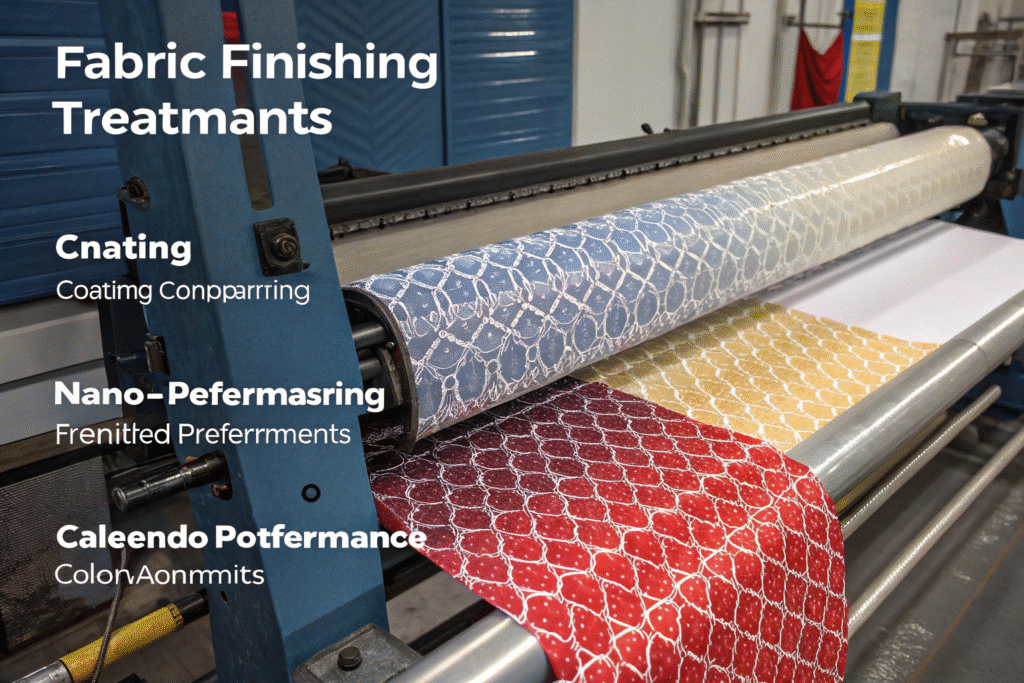
How Do Finishes Improve Wash Resistance?
Advanced finishes create a protective layer around the print, preventing dye molecules from washing out. According to Textile Learner, these finishes improve wash fastness by up to 30%. For kidswear, this means colors that survive dozens of laundry cycles.
Can Finishing Treatments Add Extra Functions?
Yes. Finishes can combine durability with added functions like UV protection, antibacterial resistance, and moisture control. Suppliers certified by bluesign® often integrate eco-friendly finishes into no-fade kidswear fabrics.
How Can Buyers Partner with Reliable Print Suppliers?
To secure no-fade kidswear prints, buyers need strong partnerships with trusted suppliers who specialize in advanced technologies.
Working with integrated textile factories in China ensures both innovation and cost efficiency.
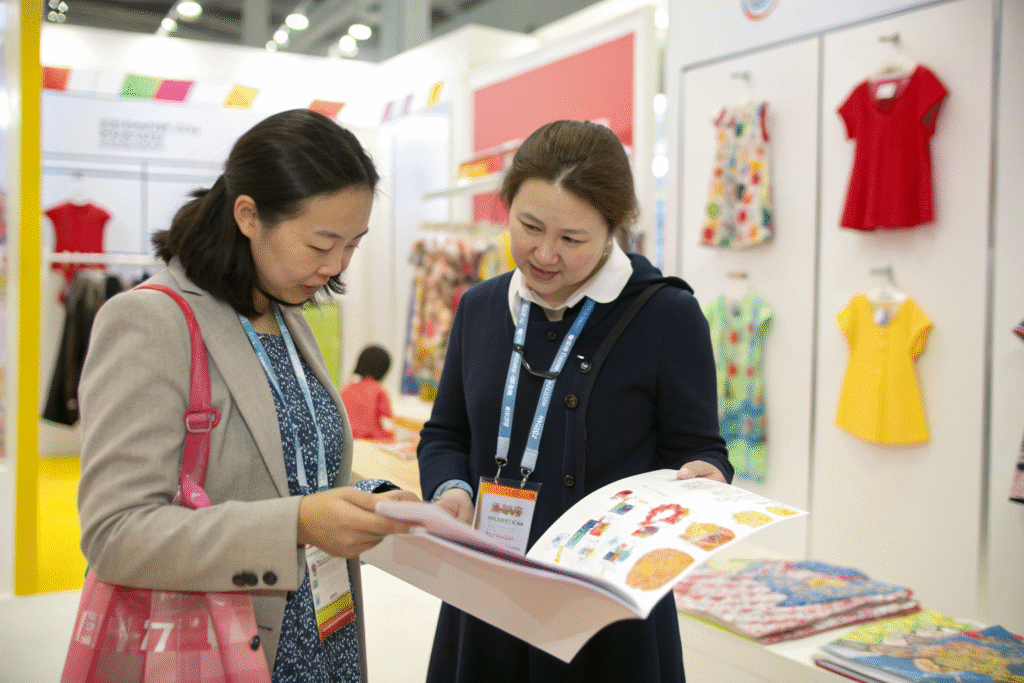
What Should Buyers Look for in a Printing Supplier?
Look for suppliers with in-house digital printing lines, certified testing labs, and eco-friendly ink systems. Platforms like Made-in-China and Global Sources list suppliers with proven no-fade capabilities.
How Do Partnerships Improve Long-Term Sourcing?
Close collaboration allows buyers to co-develop new designs, test print durability, and guarantee consistent quality. Strong partnerships also secure better lead times and pricing stability, especially for bulk orders targeting US and EU markets.
Conclusion
No-fade printing is essential for premium kidswear. By adopting digital pigment and sublimation printing, using the right fabrics, and ensuring certified finishing, brands can deliver safe, vibrant, and long-lasting children’s clothes. For US and EU buyers, this means fewer complaints, higher margins, and stronger brand reputation.
At Shanghai Fumao, we specialize in producing premium no-fade kidswear prints using certified eco-friendly technologies. Our fabrics pass international testing and guarantee vibrant performance. Contact our Business Director Elaine at elaine@fumaoclothing.com to secure your next kidswear print order.