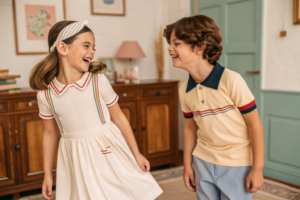

Pinterest serves as both a powerful visual discovery platform and a significant search engine that can drive substantial traffic to kids clothing brands when utilized strategically. As manufacturers who observe which digital strategies actually deliver results for our brand partners, we've identified how to leverage Pinterest for both creative inspiration and search visibility.
To use Pinterest for kids clothing inspiration and SEO, create themed boards that align with search behavior, optimize pins with keyword-rich descriptions, utilize Rich Pins for product information, develop seasonal content strategies, and analyze performance data to refine your approach. Pinterest functions uniquely as a visual search engine where users actively seek inspiration and planning ideas, making it particularly valuable for children's wear brands targeting parents in discovery and consideration phases. The platform's extended content lifespan compared to other social channels provides ongoing SEO benefits long after pins are initially created.
How Can You Structure Pinterest Boards for Maximum Discovery?
Strategic board organization on Pinterest significantly impacts both user engagement and search visibility by creating logical content categories that align with how parents search for children's clothing inspiration.
Well-organized boards serve as content hubs that help both the Pinterest algorithm and human users understand your brand's focus areas and expertise. Unlike other social platforms where content exists primarily in chronological feeds, Pinterest's board structure allows for thematic organization that supports long-term discovery and aligns with specific search intents.
What Board Categories Resonate with Parents Seeking Kids Fashion?
Successful kids clothing brands typically organize boards by age ranges, seasons, occasions, clothing types, and styling themes that match how parents conceptualize their children's wardrobe needs. According to Pinterest's internal search data, parents frequently search using specific combinations like "toddler girl fall outfits," "baby boy holiday photoshoot clothes," or "back to school uniforms." Creating boards that mirror these search patterns—such as "Toddler Fall Fashion," "Special Occasion Dresses," or "Play-Friendly Outfits"—increases the likelihood of appearing in relevant searches. Additionally, boards focused on practical parenting topics like "Easy Morning Dressing Solutions" or "Stain-Resistant Play Clothes" can attract parents seeking solutions beyond pure fashion inspiration.
How Does Board Organization Impact SEO Performance?
Pinterest treats board titles, descriptions, and categories as significant ranking factors, making strategic keyword placement crucial for search visibility. The platform's algorithm analyzes board content collectively to understand themes and relevance to search queries. Pinterest's business guidelines emphasize that well-organized boards with clear themes and complete descriptions typically achieve 30-50% higher visibility in search results and recommendations. For kids clothing brands, this means creating boards with descriptive titles incorporating key phrases parents use, detailed descriptions explaining the board's focus, and appropriate category selections that help Pinterest's algorithm understand context and suggest your content to relevant users.
What Pin Optimization Strategies Improve Search Visibility?
Individual pin optimization represents the foundation of Pinterest SEO, with specific elements significantly impacting how content ranks in search results and appears in users' smart feeds.
Each pin functions as a standalone piece of content that Pinterest's algorithm evaluates for relevance, quality, and engagement potential. Optimizing these elements ensures your kids clothing content reaches parents actively seeking inspiration and shopping ideas for their children's wardrobes.
How Should You Craft Keyword-Rich Pin Descriptions?
Pin descriptions should naturally incorporate relevant search terms while providing context and value that encourages engagement. Rather than keyword stuffing, successful descriptions read naturally while including 2-3 primary keyword phrases parents might use to find similar content. According to Pinterest's search optimization guide, pins with detailed descriptions (200-300 characters) containing relevant keywords receive 30% more engagement and higher search rankings than minimally described pins. For kids clothing, this might mean descriptions like "Comfortable organic cotton play clothes for active toddlers featuring reinforced knees and easy-care fabric perfect for daycare and playground adventures" that incorporates multiple search concepts while providing useful information.
What Visual Elements Increase Pin Engagement and SEO?
Pinterest's algorithm prioritizes high-quality vertical imagery (2:3 aspect ratio works best), multiple product shots in a single pin, and text overlays that quickly communicate content value. Research from Pinterest's business blog indicates that pins showing clothing on real children in lifestyle contexts generate 40% higher engagement than product-only shots. Additionally, creating video pins showing clothing in motion (children playing, outfits from multiple angles) can increase repins by 30% compared to static images. These engagement signals positively impact SEO because Pinterest's algorithm interprets higher engagement as content quality indicators, subsequently showing pins to more users with related interests.
How Can Rich Pins Enhance E-commerce Performance?
Rich Pins provide additional product information directly within Pinterest, creating a more seamless shopping experience while improving content visibility and conversion potential.
For kids clothing brands, Product Pins represent the most valuable Rich Pin type, automatically displaying real-time pricing, availability, and direct purchase links that transform inspiration into immediate sales opportunities. These enhanced pins bridge the gap between discovery and transaction more effectively than standard pins.
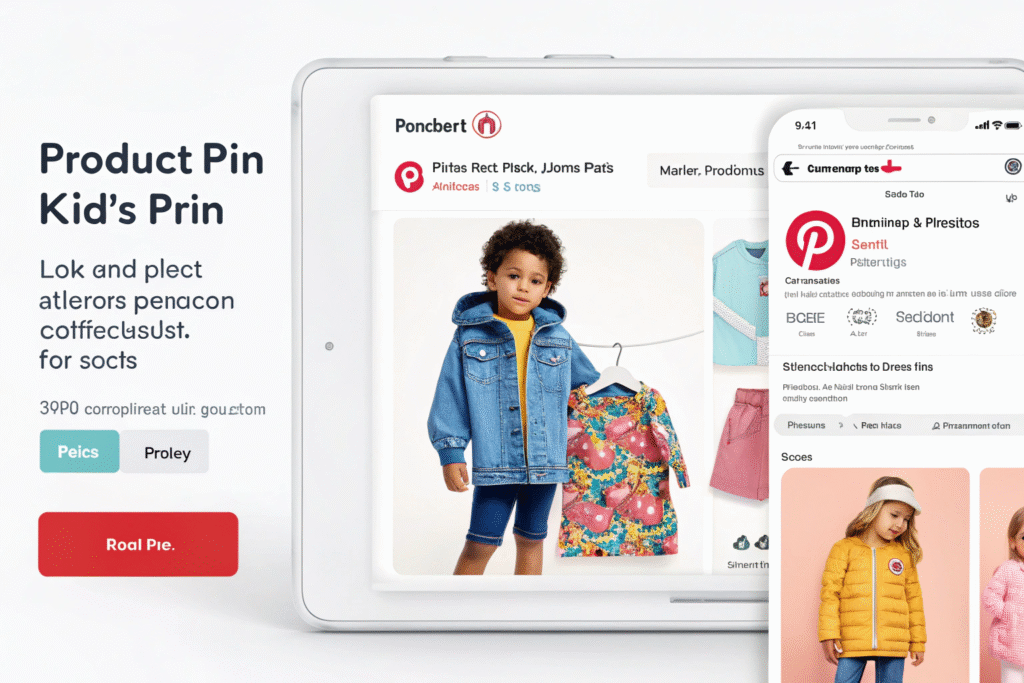
What Technical Setup Is Required for Product Pins?
Implementing Product Pins requires adding specific metadata to your website through either oEmbed tags, Open Graph markup, or Schema.org structured data that Pinterest can crawl to extract product information. According to Pinterest's developer documentation, properly implemented Product Pins can increase engagement by 25% and drive 15% more website traffic compared to standard pins. For e-commerce platforms like Shopify, this process is often simplified through dedicated Pinterest sales channels or apps that automatically sync product information. The technical investment pays dividends through improved user experience and higher conversion rates from Pinterest traffic.
How Do Product Pins Impact the Customer Journey?
Product Pins create a more seamless path from inspiration to purchase by providing essential shopping information without requiring users to leave Pinterest initially. When parents see a child's outfit they like, immediate access to pricing, size options, and availability helps them evaluate purchase decisions more efficiently. Research from the Pinterest Shopping Insights Report indicates that users who engage with Product Pins are 35% more likely to make purchases compared to those viewing standard pins. For kids clothing brands, this streamlined experience is particularly valuable since parents often use Pinterest for planning future purchases rather than immediate buying, making accessible product information crucial for capturing intent when it emerges.
What Seasonal Content Strategies Drive Consistent Engagement?
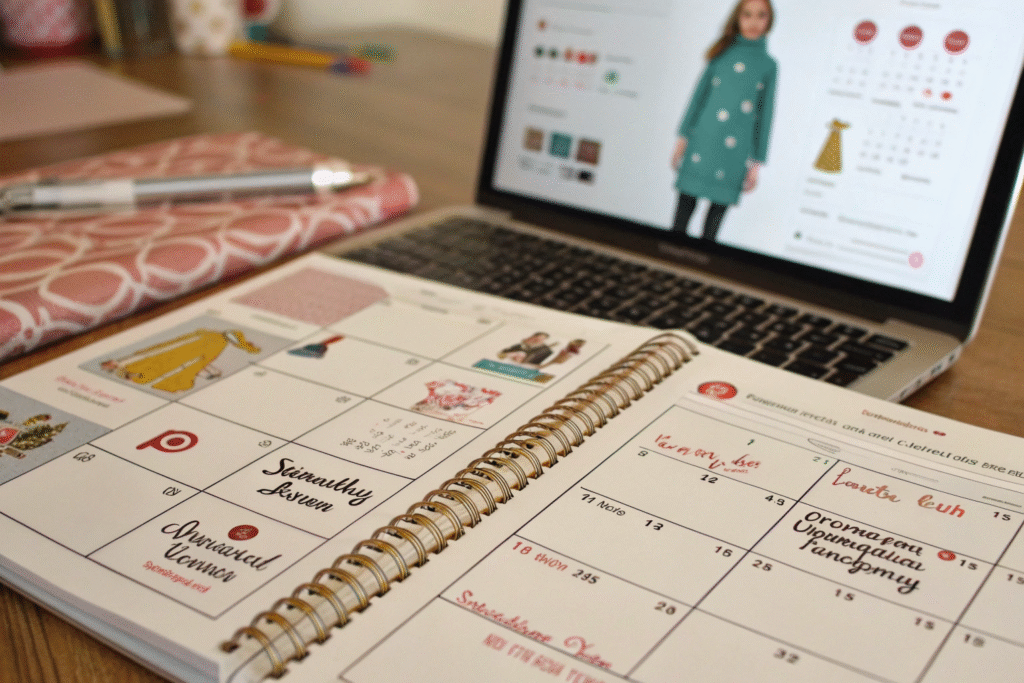
Developing a proactive seasonal content calendar ensures your Pinterest presence remains relevant throughout the year while capturing search volume peaks around key children's wear purchasing periods.
Pinterest users famously plan ahead—searching for holiday ideas in summer, back-to-school content in spring, and winter clothing during fall—making strategic timing essential for maximizing visibility. Understanding these planning patterns allows kids clothing brands to create content that matches user intent throughout the yearly cycle.
How Far in Advance Should You Pin Seasonal Content?
Pinterest's extended content lifespan means seasonal pins can continue generating traffic for months or even years, making early publication advantageous. According to Pinterest's seasonal planning guide, users begin searching for holiday content 3-4 months in advance, back-to-school ideas 2-3 months early, and seasonal fashion as seasons transition. For kids clothing brands, this means publishing fall content in late spring/early summer, holiday outfits in late summer, and spring collections during winter months. This forward-thinking approach ensures your content appears when users are actively planning rather than when they're ready to purchase, capturing the extended consideration period typical of children's wear shopping.
What Seasonal Themes Generate the Most Engagement?
Back-to-school styling, holiday outfit inspiration, seasonal transition guides (summer to fall), and special occasion dressing consistently generate high engagement on Pinterest. The platform's annual trend predictions reveal that searches for "kids holiday outfits" increase 150% year-over-year, while "back to school uniforms" grows 80% annually. Creating dedicated boards and pin series around these high-volume themes ensures your content aligns with what parents actively seek. Additionally, content showing practical solutions like "layering for changeable weather" or "holiday outfits that transition to everyday wear" addresses parent concerns about value and practicality beyond pure aesthetics.
How Can Analytics Inform Your Pinterest Strategy?
Regularly reviewing Pinterest analytics provides actionable insights that help refine your content strategy, optimize pin performance, and maximize ROI from your efforts on the platform.
Pinterest's native analytics platform offers detailed information about pin performance, audience demographics, and engagement patterns that can guide content creation and optimization decisions. Understanding which content resonates with your audience allows for data-driven strategy adjustments that improve results over time.

Which Metrics Most Accurately Measure Pinterest Success?
While impressions indicate visibility, more meaningful metrics include saves (repins), clicks, and engagement rate that demonstrate actual interest and intent. According to Social Media Examiner's Pinterest analysis, the average engagement rate for successful Pinterest content ranges from 0.5-1.5%, with top-performing content achieving 3-5%. For kids clothing brands, tracking which product categories generate the most saves helps identify popular items to feature more prominently, while analyzing click patterns reveals which content effectively drives traffic to your website. Additionally, monitoring which keywords appear in your "searches leading to your pins" report provides valuable insight into how parents discover your content.
How Should You Use Audience Insights to Refine Content?
Pinterest analytics provides detailed demographic information about your audience including gender breakdown, location data, and other interests that can inform content strategy decisions. If analytics reveal your audience is primarily mothers aged 25-40 interested in organic products and educational activities, creating content that aligns with these values—such as "sustainable kids fashion" or "learning-through-play outfits"—will likely resonate more strongly. The Pinterest Business Community guidelines note that brands using audience insights to guide content creation typically see 40% higher engagement rates. This data-driven approach ensures your Pinterest content aligns with your actual audience's interests rather than assumptions about what might perform well.
Conclusion
Effectively using Pinterest for kids clothing inspiration and SEO requires understanding the platform's unique position as a visual discovery engine where users actively plan and seek ideas. By strategically organizing boards, optimizing individual pins, implementing Rich Pins for e-commerce, developing seasonal content calendars, and leveraging analytics for continuous improvement, kids clothing brands can build a valuable presence that drives both inspiration and conversions. The platform's extended content lifespan and planning-oriented user base make it particularly valuable for children's wear, where purchases often involve significant consideration and advance planning.
When executed strategically, Pinterest becomes both a creative inspiration source and a powerful traffic driver that supports business objectives throughout the customer journey. If you're developing your Pinterest strategy and need manufacturing partners who understand how to create products that photograph well, tell compelling visual stories, and align with the planning mindset of Pinterest users, contact our Business Director, Elaine, at elaine@fumaoclothing.com. Let's discuss how we can help you develop collections that excel both on children and on Pinterest feeds, driving inspiration that translates to sales.