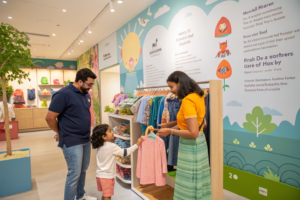

In today's digital landscape, influencer marketing has become a powerful tool for kids clothing brands looking to connect with modern families. While traditional advertising still has its place, parents increasingly trust recommendations from real families they follow online. As a children's clothing manufacturer working with numerous brands, I've seen firsthand how strategic influencer partnerships can transform a brand's visibility and credibility in this competitive market.
The most effective way to use influencer marketing for kids clothing brands is to partner with family-focused content creators who genuinely align with your brand values. These partnerships should showcase your clothing in authentic, real-life situations that resonate with parents, while simultaneously meeting key business objectives like increasing brand awareness, driving sales, and building trust within your target demographic.
Successful influencer marketing requires more than just sending free products to popular accounts. It demands a strategic approach to identification, collaboration, and measurement. Let's explore how to build an influencer strategy that delivers real results for your kids clothing brand.
How to identify the right influencers for your brand?
Finding the right influencers is the foundation of any successful marketing campaign in the children's space. The most popular influencers aren't always the best fit—what matters most is relevance to your specific brand identity and target audience. Look for creators whose content naturally aligns with your aesthetic, values, and the parents you want to reach.
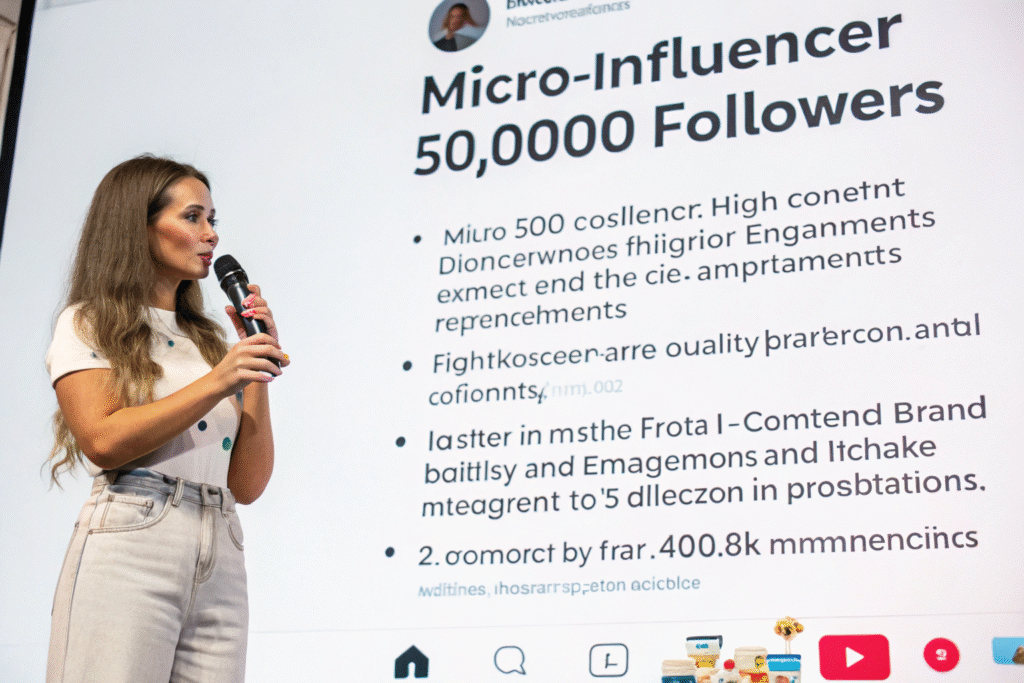
The ideal influencers demonstrate high engagement rates (comments and shares relative to follower count), create quality content that tells a story, and have an audience that matches your target demographic. Micro-influencers (5,000-50,000 followers) often deliver better results than mega-influencers for kids brands because their audiences are more niche-specific and their recommendations feel more genuine and trustworthy to their followers.
What metrics matter beyond follower count?
While follower count provides a basic measure of reach, engagement rate is arguably more important for assessing an influencer's true impact. Look for consistent comments, saves, and shares that indicate an active, invested audience. Audience demographics—including location, age, and interests—should align with your target customer. Additionally, examine the quality of past brand partnerships through influencer marketing platforms that provide analytics on campaign performance and audience authenticity to ensure you're partnering with genuine creators.
Why do micro-influencers often deliver better ROI?
Micro-influencers typically deliver better return on investment because they maintain stronger connections with their smaller, more dedicated audiences. Their recommendations come across as genuine advice from a trusted friend rather than paid promotion. According to Marketing Dive research, micro-influencers have significantly higher engagement rates—sometimes up to 60% better—than their macro counterparts. For kids clothing brands, this often translates to more authentic content that actually influences purchasing decisions within a highly targeted community of parents.
What types of content work best for kids clothing?
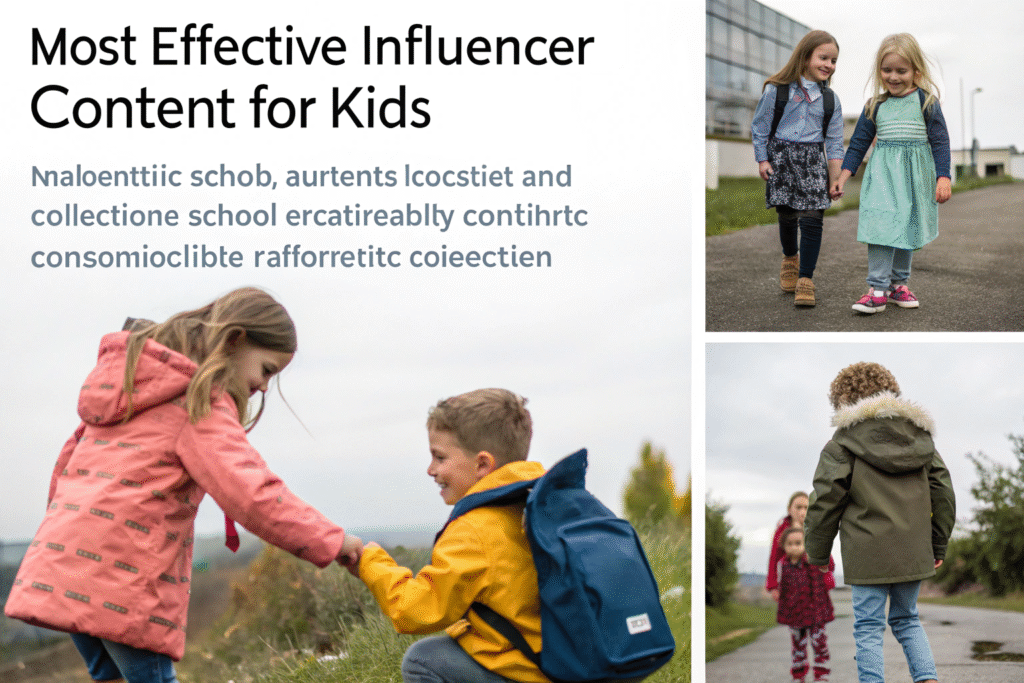
The most effective influencer content for kids clothing feels authentic and showcases your products in real-life situations that parents can relate to. Instead of stiff, posed photos, successful content captures genuine moments—children playing, exploring, or simply going about their day while wearing your clothing. This approach allows parents to visualize how the garments would fit into their own family's life.
Content that demonstrates practical benefits like durability, ease of care, or comfort tends to perform exceptionally well. Similarly, seasonal content (holiday outfits, back-to-school collections) creates natural relevance and urgency. The table below outlines some of the most effective content formats for kids clothing brands:
| Content Type | Best For | Example |
|---|---|---|
| Everyday Moments | Building relatability | Child wearing your clothes during park playdates |
| Style Guides | Showing versatility | Multiple ways to style one piece |
| Gift Guides | Driving seasonal sales | Holiday or birthday gift recommendations |
| Unboxing Videos | Building excitement | First reactions to your products |
Why do "day in the life" videos resonate with parents?
"Day in the life" videos resonate powerfully with parents because they showcase clothing in realistic scenarios that mirror their own experiences. Instead of seeing perfectly posed children in ideal settings, parents witness how garments hold up during actual activities—eating meals, playing at the playground, napping, and navigating messy situations. This authentic approach, documented through social media analytics, builds trust by demonstrating that your clothing is both stylish and practical for real family life, not just for photo opportunities.
How can styling content extend product relevance?
Styling content extends product relevance by showing multiple ways to wear and combine your pieces, effectively increasing their perceived value. When influencers demonstrate how a single jacket can be styled for different occasions or seasons, or how separates can be mixed and matched to create various outfits, parents see greater versatility and longevity in your clothing. This approach aligns with consumer behavior trends showing that parents increasingly value multifunctional items that grow with their children and maximize their clothing budget.
How to structure effective influencer partnerships?
Structuring clear, mutually beneficial partnerships is essential for influencer marketing success. The most effective collaborations establish specific expectations while allowing creators enough creative freedom to maintain their authentic voice. Begin with a detailed agreement that outlines deliverables, timelines, usage rights, and compensation to ensure both parties understand exactly what's expected.
Successful partnerships often combine both paid compensation and product gifting, depending on the influencer's reach and engagement metrics. Consider offering unique discount codes for each influencer to track sales directly attributed to their efforts. At our manufacturing company, we've found that longer-term "brand ambassador" relationships typically yield better content and more genuine endorsements than one-off posts, as the influencer and their audience become truly familiar with your brand.

What should be included in an influencer agreement?
A comprehensive influencer agreement should clearly specify content deliverables (number of posts, platforms, content type), timeline (posting dates and story duration), usage rights (how and where you can repurpose the content), compensation details (monetary payment, product value, or both), disclosure requirements (following FTC guidelines), and performance metrics (expected engagement rates or click-throughs). Having a formal agreement protects both parties and ensures professional standards, as outlined by the FTC Endorsement Guides for proper sponsorship disclosure.
How can you track influencer campaign performance?
Tracking influencer campaign performance requires establishing clear key performance indicators (KPIs) before the campaign launches. These typically include engagement metrics (likes, comments, shares), reach and impression data, website traffic from influencer links, sales attributed to unique discount codes, and new followers gained during the campaign period. Using URL tracking parameters in your bio links allows you to monitor exactly how much traffic and conversion each influencer drives to your site, providing concrete data to evaluate return on investment.
What are common pitfalls to avoid in influencer marketing?
Even with careful planning, kids clothing brands can encounter several common pitfalls in influencer marketing. The most significant mistake is prioritizing follower count over authentic alignment with your brand values. An influencer with a million followers whose content doesn't resonate with your target audience will deliver poor results compared to a micro-influencer whose community perfectly matches your ideal customer.
Other frequent missteps include over-scripting content (which removes the authentic voice that makes influencers effective), failing to establish clear expectations, neglecting to diversify your influencer portfolio (working with creators of different backgrounds, family structures, and locations), and not having a proper system to measure results. Additionally, not vetting an influencer's past partnerships can lead to awkward associations with competing brands or controversial content.

Why does over-controlling content backfire?
Over-controlling content backfires because it strips away the authentic voice and creative approach that made the influencer appealing in the first place. Followers can quickly detect when content feels scripted or inauthentic, which diminishes trust in both the influencer and your brand. According to Stackla's consumer research, 90% of consumers say authenticity is important when deciding which brands they like and support. Allowing influencers creative freedom within broad guidelines typically results in more genuine content that resonates better with their audience.
How can poor vetting damage your brand reputation?
Poor vetting can significantly damage your brand reputation by associating your products with controversial figures, inappropriate content, or fake followers. An influencer's past controversies or values that conflict with your brand identity can create backlash when you partner with them. Additionally, influencers with purchased followers or engagement will waste your marketing budget without delivering real results. Thoroughly reviewing an influencer's content history, audience quality, and previous brand partnerships through influencer vetting tools helps protect your brand's image and ensures your investment reaches genuine potential customers.
Conclusion
Influencer marketing offers kids clothing brands a powerful way to reach modern parents through trusted voices in their community. By identifying the right partners, creating authentic content, structuring clear agreements, and avoiding common pitfalls, you can build campaigns that genuinely connect with your audience and drive meaningful business results.
The most successful influencer strategies combine data-driven decision making with creative collaboration. If you're ready to develop a kids clothing line that influencers and parents will love, partner with a manufacturer who understands today's market. Contact our Business Director Elaine at elaine@fumaoclothing.com. Let Shanghai Fumao help you create high-quality, photogenic clothing that stands out in the digital landscape.