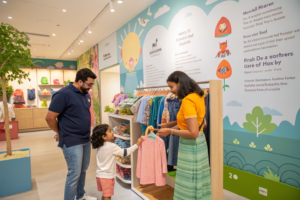

Customer feedback represents an invaluable resource for kids wear brands seeking to improve their products, enhance customer satisfaction, and drive business growth. As manufacturers who have helped brands transform customer insights into product improvements, we've witnessed how systematic feedback utilization separates market-leading brands from their competitors.
To use customer feedback to improve your kids wear line, you need to systematically collect feedback across multiple touchpoints, categorize insights by product attributes, prioritize changes based on impact and feasibility, implement improvements in production, and communicate changes back to customers. The most successful brands treat feedback not as criticism but as free consulting from their most engaged customers, creating a virtuous cycle of improvement that builds loyalty and drives repeat purchases.
What Are the Most Effective Ways to Collect Customer Feedback?
Strategic feedback collection across multiple channels ensures you capture diverse perspectives at different stages of the customer journey, providing a comprehensive understanding of your products' real-world performance.
Different feedback channels reveal different types of insights, and the most successful brands implement a balanced portfolio of collection methods. Passive collection through reviews and ratings provides quantitative data, while proactive solicitation through surveys and interviews delivers qualitative depth. Understanding the strengths and limitations of each channel allows you to build a complete picture of customer experiences and preferences.

How Can You Leverage Post-Purchase Reviews and Ratings?
Product reviews represent the richest source of unsolicited feedback, containing specific praise and complaints about fit, fabric, durability, and design. According to PowerReviews research, 98% of consumers consider reviews essential when making purchase decisions, and products with reviews convert at 3.5x higher rates. For kids wear brands, reviews often contain crucial details about sizing accuracy, wash performance, and practical features that laboratory testing cannot replicate. Systematic analysis of review content—looking beyond star ratings to specific comments—reveals patterns that should inform both immediate corrections and long-term product development strategy.
What Value Do Structured Surveys Provide?
While reviews offer spontaneous feedback, structured surveys allow you to ask specific questions about product attributes that matter most to your business. Post-purchase surveys focusing on fit, fabric quality, and design appeal generate quantifiable data that tracks improvement over time. The American Customer Satisfaction Index methodology demonstrates that well-designed surveys can predict business outcomes including retention and revenue growth. For kids wear brands, surveying customers 2-4 weeks after purchase captures feedback after initial wear and washing, providing insights into durability and colorfastness that immediate post-purchase surveys would miss.
How Should You Categorize and Analyze Feedback for Actionable Insights?
Raw feedback becomes valuable only when organized into meaningful categories that connect customer comments to specific product attributes and business functions.
Effective feedback analysis involves tagging comments by product attribute, sentiment, and potential impact, then identifying patterns across multiple data points. This systematic approach transforms anecdotal comments into actionable intelligence that can drive specific improvements across design, materials, sizing, and construction.

What Feedback Categories Are Most Relevant for Kids Wear?
Kids wear feedback typically clusters around several key categories: sizing and fit, fabric and comfort, durability and construction, design and style, and practical functionality. Creating standardized tags for these categories enables quantitative analysis of which areas generate the most positive and negative comments. According to Qualtrics customer experience research, companies that categorize feedback by business function achieve 2.3x higher return on customer experience investments. For kids wear brands, this might reveal that fit consistency across sizes represents your biggest opportunity, or that fabric softness after washing drives the most repeat purchases.
How Can Sentiment Analysis Reveal Hidden Opportunities?
Beyond categorizing feedback topics, analyzing sentiment strength and emotional tone provides additional insights into customer priorities. Comments expressing strong emotion—whether positive or negative—highlight attributes that truly matter to customers. Natural language processing tools can automate sentiment analysis at scale, identifying which product features generate passionate responses. For example, discovering that parents express strong positive sentiment about "stain resistance" but strong negative sentiment about "shrinkage" clearly prioritizes which fabric improvements will most impact customer satisfaction.
How Do You Prioritize Which Feedback to Act Upon?
Not all feedback deserves equal attention, and strategic prioritization ensures you focus resources on changes that will deliver the greatest impact on customer satisfaction and business results.
Effective prioritization balances customer impact against implementation feasibility, considering factors like development cost, production complexity, and potential effect on other product attributes. The most successful brands use structured frameworks to evaluate feedback objectively rather than reacting to the loudest or most recent complaints.

What Criteria Should Guide Feedback Prioritization?
A weighted scoring system evaluating feedback based on frequency, business impact, and strategic alignment ensures objective prioritization. Feedback mentioned by multiple customers typically deserves more attention than isolated comments. Changes affecting core customer segments or high-value products warrant prioritization over niche concerns. According to Harvard Business Review's customer feedback framework, prioritizing improvements that address "deal breaker" issues for your most valuable customers delivers significantly higher ROI than trying to please everyone. For kids wear brands, this might mean prioritizing fit improvements that affect 80% of customers over style preferences relevant to only 20%.
How Should You Balance Conflicting Customer Preferences?
Different customer segments often have conflicting preferences, requiring strategic decisions about which direction serves your brand positioning. Some parents prefer practical, durable clothing while others prioritize fashion-forward designs. Some want generous fits for growth room while others prefer slim silhouettes. The Jobs to Be Done framework suggests focusing on the fundamental "job" customers hire your product to do rather than trying to accommodate every preference. If your brand's core promise is durability for active kids, prioritize feedback about fabric strength and construction over comments about trendiness.
How Can You Implement Feedback in Product Development and Manufacturing?
Translating customer insights into tangible product improvements requires close collaboration between design, product development, and manufacturing teams with clear processes for implementing changes.
Successful feedback implementation involves specific technical modifications rather than vague aspirations, with clear specifications that manufacturing partners can execute consistently. This requires translating customer language ("too scratchy") into technical specifications ("fabric hand too rough, target Martindale score >40,000") that drive measurable improvement.

How Does Feedback Inform Technical Specifications?
Customer comments should directly influence technical packs and manufacturing specifications. Feedback about shrinkage should trigger revised wash testing protocols and potentially fabric pre-treatment requirements. Comments about color fading might lead to updated colorfastness standards or dye method changes. According to the American Apparel & Footwear Association's quality guidelines, technical specifications should evolve based on real-world performance data. For kids wear brands, this might mean adjusting grade rules between sizes based on consistent fit feedback or specifying reinforced stitching in areas where customers report seam failures.
What Manufacturing Adjustments Address Common Feedback?
Many common customer complaints have direct manufacturing solutions. Fit inconsistencies often require improved pattern engineering or stricter cutting tolerances. Fabric quality issues might necessitate switching suppliers or implementing additional inspection protocols. The International Association of Clothing Designers provides guidelines for translating consumer feedback into manufacturing improvements. For example, if customers report buttons falling off, the solution might involve higher stitch density, reinforced buttonholes, or switching to more secure thread. Each feedback category should have designated manufacturing countermeasures that address root causes rather than symptoms.
How Does Closing the Feedback Loop Build Customer Loyalty?
Communicating back to customers about changes made based on their input transforms transactional feedback into relationship-building conversations that foster loyalty and advocacy.
When customers see their suggestions implemented, they feel valued and develop a sense of ownership in your brand's evolution. This emotional connection drives repeat purchases, positive word-of-mouth, and valuable user-generated content. The most successful brands make feedback implementation visible and celebrate customer contributions to their product development.

How Can You Transparently Share Improvements with Customers?
Proactive communication about product improvements based on customer feedback demonstrates that you listen and value customer input. Update product descriptions to highlight improvements ("now with softer fabric based on your feedback"), include notes in packaging about recent enhancements, or feature customer-inspired changes in your marketing content. According to Salesforce research, 66% of consumers expect companies to understand their needs and expectations, and transparency about improvement efforts significantly strengthens brand perception. This approach turns criticism into collaborative development, building community around your brand.
Why Does Acknowledgment Encourage Ongoing Engagement?
When customers see their specific suggestions implemented, they're more likely to provide feedback in the future. Simple acknowledgments like "Thanks to customer feedback, we've improved..." or featuring customer names in product development stories creates emotional investment. The Journal of Marketing Research documents that customers who feel heard become brand advocates who generate 2-3 times more positive word-of-mouth than satisfied customers who don't feel personally connected to the brand. For kids wear companies, this community-building approach is particularly effective since parents often seek recommendations from other parents they trust.
Conclusion
Systematically leveraging customer feedback creates a competitive advantage that cannot be easily replicated, transforming your kids wear line through continuous improvement informed by real-world use. From strategic collection and analysis to prioritization, implementation, and communication, a comprehensive feedback system ensures your products evolve in alignment with customer needs and preferences.
The most successful brands treat customer feedback as a strategic asset rather than a operational necessity, building it into their product development DNA. If you're looking to enhance your kids wear line through customer insights and need a manufacturing partner capable of implementing precise improvements, contact our Business Director, Elaine, at elaine@fumaoclothing.com. Let's discuss how we can help you transform customer feedback into tangible product enhancements that drive satisfaction and growth.