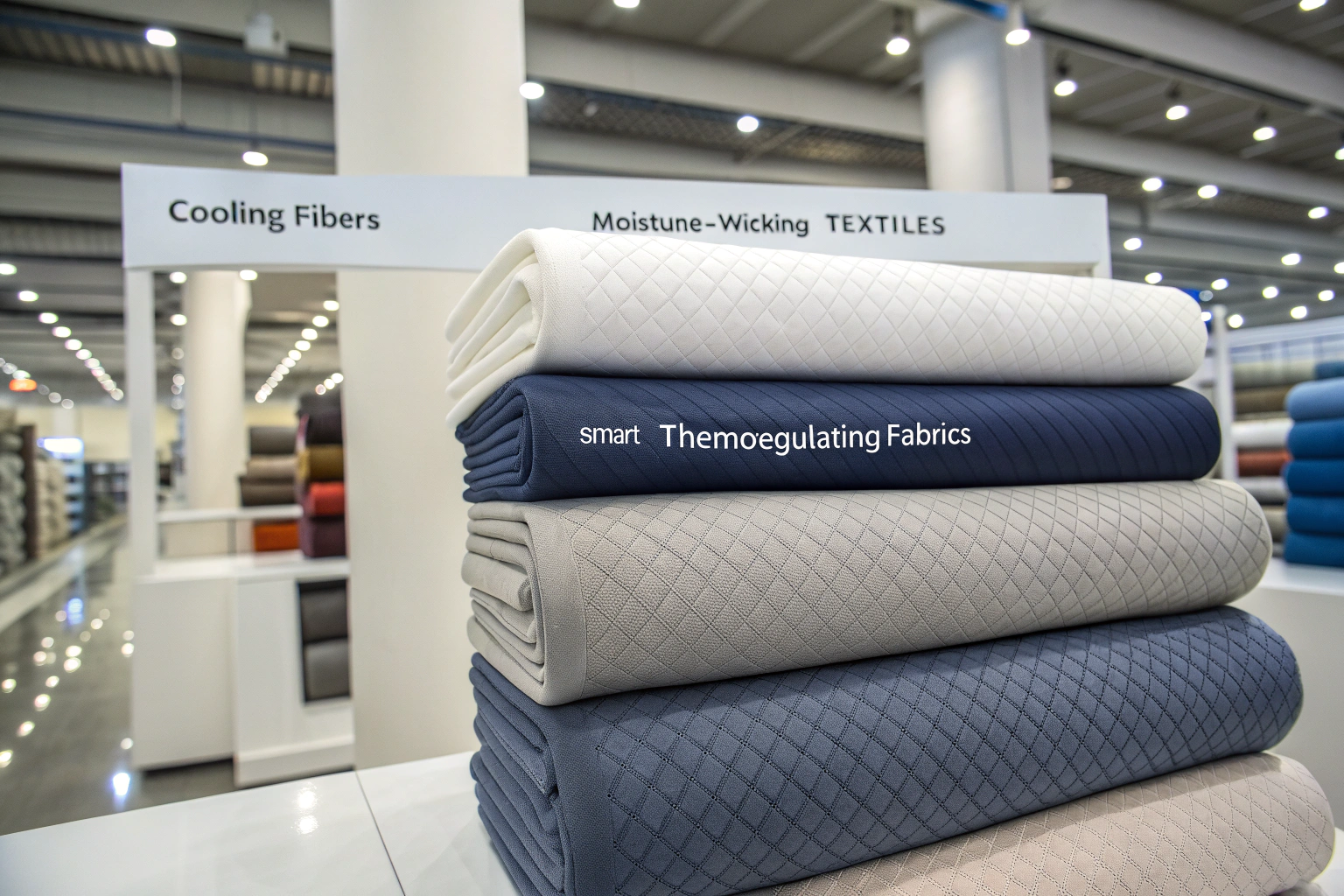
For brands producing children’s wear, sportswear, or even sleepwear, temperature-regulating fabrics are no longer optional—they are becoming a selling point. Parents increasingly demand clothes that adapt to changing weather and keep their babies comfortable whether they are sleeping, crawling, or running outdoors. The trend is backed by strong market data: a Grand View Research report estimates that the global smart textiles market will reach $15.1 billion by 2030, with a compound annual growth rate of over 28%. Within this, fabrics that regulate body temperature—either by wicking moisture, improving breathability, or actively storing and releasing heat—are one of the fastest-growing segments.
Sourcing temperature-regulating fabrics requires more than just finding a mill that claims to have them. Buyers must identify the right fiber technology for their target audience, confirm certifications for safety and sustainability, and ensure suppliers can meet both MOQ (minimum order quantity) and repeat quality consistency. For children’s apparel in particular, safety and skin sensitivity standards make sourcing choices even more critical.
What types of temperature-regulating fabrics exist?
Temperature regulation can be achieved using natural fibers, engineered synthetics, or advanced smart textiles with embedded technology. Each type has its strengths and ideal applications.
Which natural fibers regulate temperature?
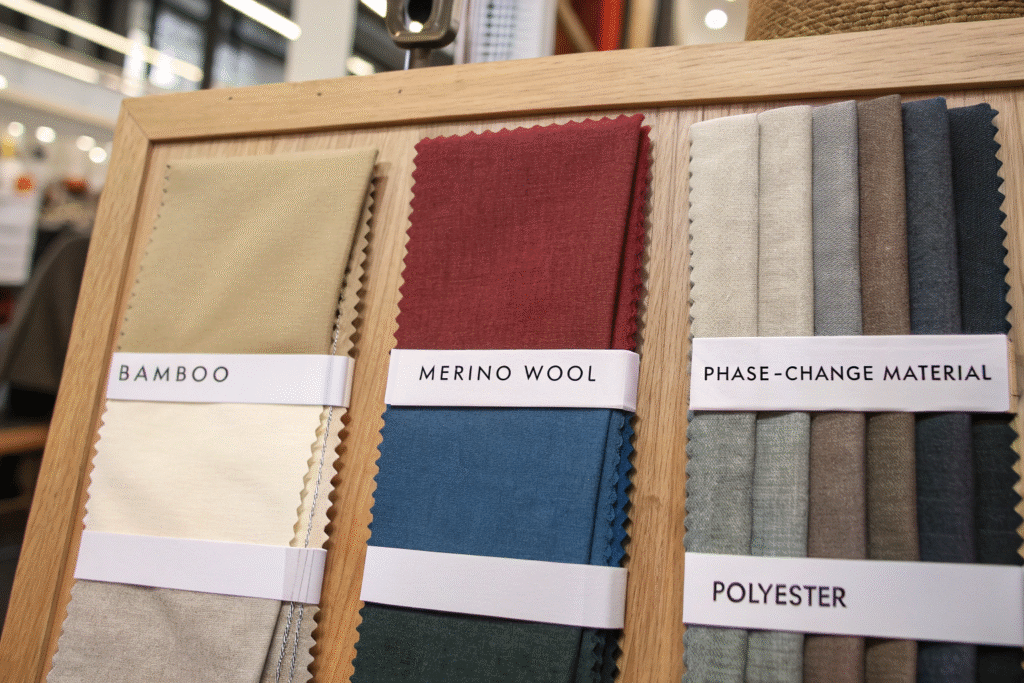
- Merino wool: Unlike regular wool, fine merino fibers (17–24 microns) do not itch, making them suitable even for baby clothes. Merino can absorb up to 30% of its weight in moisture without feeling damp, keeping babies warm in winter and cool in summer. Outdoor brands like Icebreaker have built entire collections on merino’s performance.
- Bamboo viscose: This fiber is naturally breathable, wicks away sweat, and dries faster than cotton. Parents love bamboo baby pajamas because they keep infants cooler at night. According to a 2023 retail survey in the U.S., bamboo sleepwear accounted for 25% of premium babywear purchases.
- Cotton blends: While plain cotton struggles with sweat management, engineered blends—like cotton mixed with Coolmax®—can improve airflow and comfort significantly.
Which engineered fabrics are trending?
- PCM fabrics (Phase Change Materials): These contain microscopic wax capsules that absorb and release heat at specific thresholds. When body temperature rises, capsules melt and store heat; when temperature drops, they solidify and release warmth. Originally developed for NASA, PCMs are now found in children’s bedding and outerwear.
- Coolmax® polyester blends: These synthetic fibers are engineered with cross-sections that channel moisture away from the skin, drying up to 5 times faster than cotton. Popular in activewear, they are increasingly used in toddler sports socks and baby playwear.
- Outlast® textiles: Patented technology developed for space suits, Outlast fabrics regulate microclimates by absorbing excess heat and releasing it later. Brands like Adidas and Under Armour have licensed it for sportswear, but it is also appearing in premium baby swaddles.
Where can you source temperature-regulating fabrics?
Finding reliable suppliers means knowing the best channels and regions.

What are the best sourcing channels?
- Textile trade shows: Global events like Première Vision (Paris) and Intertextile Shanghai Apparel Fabrics are leading destinations for temperature-regulating textiles. Exhibitors showcase fabrics with live demonstrations—such as PCM swatches that change color when exposed to heat.
- Certified supplier databases: Directories from OEKO-TEX® and Textile Exchange allow buyers to search mills that meet global safety and sustainability standards.
- Regional hubs:
- China: Offers the widest range of bamboo viscose and synthetic blends at scale.
- Taiwan: Specializes in advanced polyester performance fabrics, including Coolmax® alternatives.
- Italy and Japan: Known for premium, innovation-driven textiles that combine fashion aesthetics with performance.
Can smaller brands access these fabrics?
Yes. While some smart textiles used to require large MOQs (5,000+ meters), many suppliers now cater to niche brands. For example, bamboo viscose mills in Zhejiang, China, accept trial orders of 500–800 meters—enough to launch a small babywear collection. This democratization of access means even startup brands can test premium fabrics without overcommitting.
How to evaluate the quality of temperature-regulating fabrics?
Marketing labels like “cooling” or “thermal” can be misleading. Before scaling production, buyers must ensure fabrics perform consistently under real-world conditions.

Which performance tests matter?
- Moisture-wicking tests: ASTM E96 evaluates how quickly sweat evaporates through the fabric.
- Thermal resistance: EN ISO 11092 measures insulation and breathability, helping brands balance warmth and airflow.
- Durability tests: Repeated washing tests confirm if performance coatings last. Fabrics should maintain at least 80% efficiency after 30 washes to meet consumer expectations.
Which certifications should buyers request?
- OEKO-TEX® Standard 100: Guarantees textiles are free from harmful chemicals—critical for baby and toddler wear.
- GOTS certification: Ensures organic fibers meet ecological and social standards across the supply chain.
- Bluesign® certification: Focuses on sustainable chemical management, widely recognized in performance apparel.
What sourcing challenges should buyers anticipate?
While these fabrics are appealing, they come with hurdles that sourcing teams must plan for.
What are the common issues?
- Higher costs: PCM and branded fabrics like Outlast® cost 20–40% more than standard polyester or cotton.
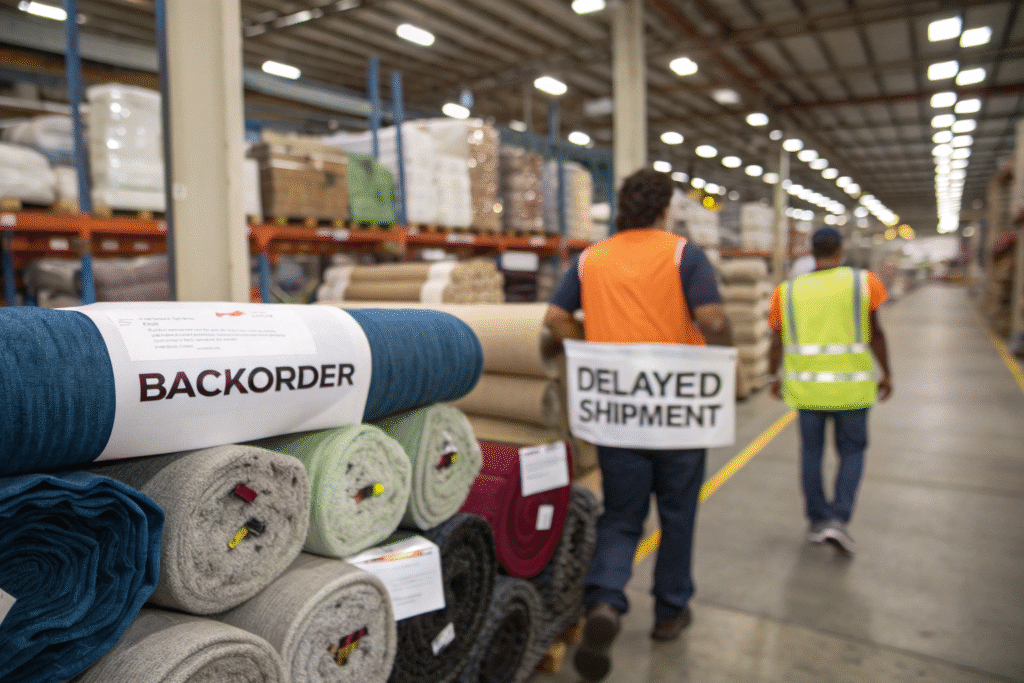
- Limited supply: High-end performance mills often prioritize sportswear giants like Nike or Adidas, leaving smaller buyers facing backorders.
- Counterfeiting risks: Unscrupulous suppliers may label regular polyester as “cooling fabric,” which can harm a brand’s credibility if discovered.
How can brands mitigate risks?
- Always request third-party lab reports and compare them against stated claims.
- Begin with pilot orders to test consumer feedback before scaling.
- Partner with suppliers that have proven export experience and reliable logistics channels to avoid seasonal delivery delays.
Conclusion
Temperature-regulating fabrics are no longer futuristic—they are here, shaping how brands design clothing for comfort and performance. From natural fibers like merino wool and bamboo viscose to advanced textiles like PCM microcapsule fabrics and Outlast® technology, sourcing options are diverse. Success depends on choosing the right textile for the target market, validating claims with testing and certification, and building partnerships with reliable suppliers.
At Shanghai Fumao, we help global buyers access certified temperature-regulating fabrics and transform them into finished garments. Whether you need breathable bamboo baby pajamas, moisture-wicking toddler socks, or thermal-regulated outerwear, our sourcing network and five advanced production lines ensure consistent quality. To discuss sourcing for your next collection, please contact our Business Director Elaine at elaine@fumaoclothing.com.