
As a children’s wear brand owner, you’re likely caught between two pressing demands: the growing consumer call for genuine sustainability and the constant pressure to maintain competitive prices. You know that eco-friendly practices are no longer a niche trend but a market expectation, especially in the baby and toddler segment. Yet, the perception remains that "green" equals "expensive." I understand this challenge intimately. At Fumao Clothing, we’ve worked with numerous US brands to navigate this exact dilemma, proving that ethical sourcing and affordability are not mutually exclusive goals.
The key to affordable sustainable sourcing lies in partnering with a manufacturer that has integrated eco-conscious practices directly into its supply chain and production efficiency. This eliminates the need for costly middlemen and allows for economies of scale, passing savings directly to you while ensuring genuine compliance with international standards. By focusing on strategic partnerships and transparent processes, you can meet your customers’ values without sacrificing your profit margins. Let’s explore the practical steps to achieve this balance.
What are the true costs of sustainable baby clothing?
Many buyers assume that the higher price tag of sustainable baby clothes comes solely from the raw materials. While premium organic fabrics like GOTS-certified cotton do cost more, the real investment is in a verified and transparent supply chain. The true cost encompasses ethical labor practices, rigorous certification audits, and environmentally responsible manufacturing processes. However, a skilled manufacturer can optimize these elements to control the final price effectively.
The true cost of sustainable baby clothing is not just about the price per garment; it’s an investment in risk mitigation, brand reputation, and long-term customer loyalty. By paying a fair price for verified sustainable practices, you avoid the immense hidden costs of potential compliance failures, recalls, or reputational damage associated with greenwashing. Understanding this breakdown is the first step toward making informed and cost-effective sourcing decisions.

How can fabric choice impact both sustainability and cost?
Your choice of fabric is the most significant factor influencing both the environmental footprint and the cost of your collection. While conventional cotton is inexpensive, its cultivation uses substantial pesticides and water. Switching to organic or recycled materials is a primary step toward sustainability. For instance, using GOTS-certified organic cotton ensures strict environmental and social criteria from harvesting to labeling. Similarly, fabrics made from recycled polyester, often from PET bottles, reduce plastic waste. While these materials have a higher upfront cost, sourcing them directly from a manufacturer with strong relationships with textile mills can significantly lower the price. We often help our clients blend materials intelligently—using a high-quality, sustainable fabric for the outer layer and a more cost-effective but still compliant material for the lining—to achieve the perfect balance of eco-appeal and affordability.
What role does factory certification play in ensuring authentic sustainability?
Certifications are your independent verification that a factory’s sustainability claims are real. They are crucial for avoiding greenwashing and protecting your brand. Key certifications to look for include the Global Recycled Standard (GRS) for recycled content and OEKO-TEX® STANDARD 100 for harmful substance testing. While obtaining these certifications involves audit costs for the factory, a manufacturer that already holds them has absorbed this cost into its operational overhead. This means you, as a buyer, gain access to a pre-vetted, compliant production line without paying a premium for each order. Partnering with a certified factory like ours provides immediate assurance and simplifies your own due diligence process, ultimately saving you time and money while guaranteeing integrity.
How to find a reliable sustainable clothing manufacturer?
Finding a manufacturer who can consistently deliver on both sustainability and affordability requires moving beyond simple online directories. The most reliable partners are often those deeply embedded in specific supply chains, like ours in European and American children’s fashion. They have the expertise to guide you toward feasible, cost-effective green solutions without compromising on quality or deadlines. The search should focus on transparency, communication, and proven track records.
To find a reliable sustainable manufacturer, prioritize partners who offer full supply chain transparency and can provide documented proof of their certifications and ethical practices. Look for manufacturers with direct export experience to your target market, as they will already be aligned with the relevant regulatory and quality standards, reducing your oversight burden. This due diligence on the front end prevents costly misunderstandings and delays later.

What are the red flags in a manufacturer’s sustainability claims?
Vague language is the biggest red flag. Be wary of suppliers who use terms like "eco-friendly" or "green" without specific certifications or details to back them up. A reliable manufacturer will be proud to share their certification numbers and reports. Another major warning sign is an unwillingness to allow a third-party audit or a virtual factory tour. If communication is consistently slow or evasive when you ask detailed questions about fabric sources or labor conditions, it indicates a lack of transparency. Finally, prices that seem too good to be true often are. Extremely low quotes usually mean corners are being cut somewhere, either in material quality, ethical labor practices, or both, which poses a direct risk to your brand.
Why is a manufacturer’s location important for sustainable sourcing?
The manufacturer’s location impacts both the logistical carbon footprint and the ease of ensuring ethical compliance. Sourcing from a country with a mature manufacturing ecosystem, like China, offers significant advantages. We have well-established green supply chains for sustainable fabrics and accessories, which are more fragmented in newer manufacturing hubs. Furthermore, regions like China have a large workforce skilled in handling delicate, sustainable materials and complex construction techniques required for high-quality baby clothing. While shipping distance is a factor, it’s often offset by the efficiency of consolidated container shipping and the ability to source everything from fabric to trims within a concentrated industrial region, reducing the overall environmental impact of transportation.
Can DDP shipping simplify your sustainable sourcing logistics?
Absolutely. For buyers like Ron, managing international logistics can be a major pain point, especially when ensuring that sustainable practices extend to the shipping process. Delayed shipments can cause you to miss crucial selling seasons, turning a successful production run into a financial loss. DDP (Delivered Duty Paid) is a shipping agreement where the manufacturer handles all the complexities, from export clearance to ocean freight, import duty payment, and final delivery to your warehouse.
DDP shipping simplifies sustainable sourcing by providing cost predictability and reducing administrative burdens. You receive a single, all-inclusive price, eliminating surprise fees like import duties or customs brokerage charges. This allows you to accurately calculate your cost per garment and maintain your profit margins, which is essential when working with premium sustainable materials. It also ensures your goods are handled by a single responsible party from the factory floor to your door.

What are the financial benefits of choosing DDP?
The primary financial benefit is budget certainty. With DDP, you know the total landed cost of your goods upfront. There are no hidden charges or fluctuating duty rates that can eat into your profits. This is particularly valuable for sustainable clothing, where your margins might be tighter due to material costs. Furthermore, by consolidating the entire logistics process, we can achieve better freight rates and optimize shipping routes, savings that we can pass on to you. It also frees up your time and resources—you won’t need to hire a customs broker or logistics agent, reducing your internal administrative costs.
How does DDP mitigate risks of supply chain delays?
A DDP model places the responsibility for on-time delivery squarely on the manufacturer. This incentivizes us to choose the most reliable freight forwarders, plan production schedules with shipping lead times in mind, and expertly manage all customs documentation to prevent port delays. We have systems in place to track shipments in real-time and proactively address any issues that arise during transit. For you, this means fewer worries and a much higher predictability of your inventory flow. You can plan your marketing launches and sales seasons with greater confidence, knowing that your sustainable baby clothing collection will arrive when you need it.
How to balance quality, sustainability, and affordable pricing?
Achieving this trifecta is the core challenge of modern sourcing. It requires a strategic partnership rather than a simple transactional relationship. The balance is struck not by cutting corners but by leveraging a manufacturer’s expertise in efficiency, material sourcing, and process optimization. At our factory, we view these three elements as interconnected pillars, not competing priorities.
Balancing quality, sustainability, and price is achieved through vertical integration, production efficiency, and long-term partnerships. A manufacturer with control over its production lines can optimize material usage, reduce waste, and maintain strict quality control throughout the process, ensuring that high standards and cost-effectiveness go hand-in-hand. This approach transforms sustainability from a cost center into a value driver.

Why is vertical integration key to cost control?
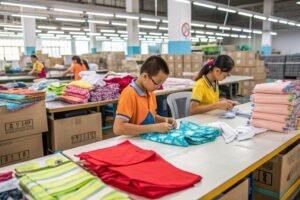
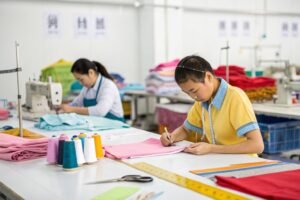
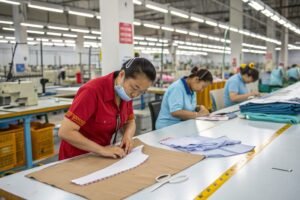
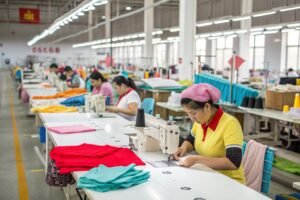
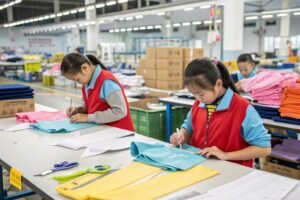
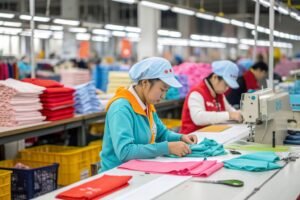
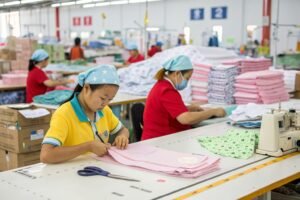
Vertical integration, where a factory manages multiple stages of production (like cutting, sewing, and finishing) under one roof, is a game-changer for cost control. It minimizes the delays and markups associated with outsourcing different production stages to various suppliers. For sustainable production, this is even more critical. We can closely monitor waste reduction, recycle fabric scraps, and ensure that ethical labor practices are uniformly applied. This control over the entire process allows us to streamline operations, reduce lead times, and ultimately offer you more competitive pricing without ever compromising on the quality or the integrity of our sustainable practices.
How does long-term collaboration lead to better pricing?
When we establish a long-term partnership with a brand, we can plan better. We can forecast material needs, especially for specific sustainable fabrics, and purchase them in larger volumes at a lower cost. We also become intimately familiar with your quality standards and design preferences, which reduces the time spent on sample revisions and production setup. This increased efficiency translates directly into cost savings for you. A committed partnership allows us to invest in better technology and training for your account, knowing that the investment will be mutual and long-lasting. This collaborative approach is how we help brands like yours build a truly sustainable and profitable children’s wear collection.
Conclusion
Sourcing sustainable baby clothing affordably is a complex but entirely achievable goal. The path forward hinges on choosing the right manufacturing partner—one that offers transparency, proven certifications, logistical expertise like DDP, and a commitment to efficiency. By focusing on a strategic, long-term relationship, you can transform the challenge of sustainability into your brand’s greatest competitive advantage, meeting market demands while protecting your profitability.
If you are ready to develop a high-quality, sustainable children’s wear collection that aligns with your budget and values, we should talk. Contact our Business Director, Elaine, at elaine@fumaoclothing.com to discuss your specific needs and how Shanghai Fumao can become your trusted partner in growth.